An outdoor air conditioning condenser unit positioned beside a blue-sided house at sunset.

AC Maintenance in Maquoketa, IA

Tell us about the job

Takes about a minute. No obligation.

Tune-up, service, or cleaningCentral ACJackson County, IA
Step 1 of 2

What ZIP code is the job in?

A dirty filter chokes the whole system

When the filter clogs, the blower has to work harder to pull air through it, and less air moves across the coil. The coil can ice over, and the compressor ends up working against a system that can't breathe. A filter is the cheapest part in the whole unit and the one most likely to cause real damage if it's ignored.

The coil and drain line get missed because you can't see them

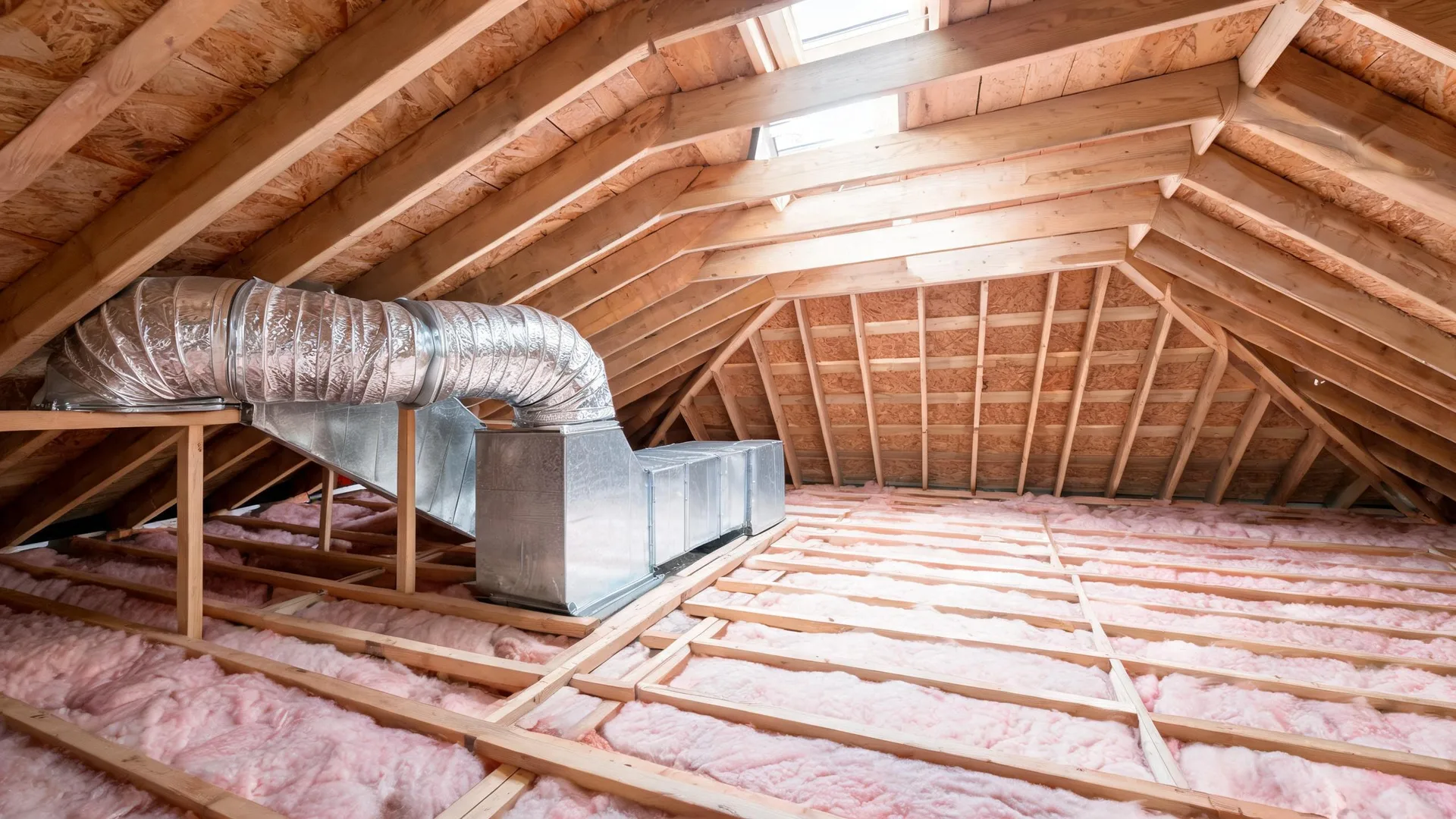
The outdoor coil collects dirt and grass clippings that block airflow, and the indoor coil's drain line grows algae that clogs it over time. Neither problem shows itself until the system is short on cooling or water is backing up near the furnace. A maintenance visit checks both even though neither one is visible from where you stand.

3 months
June through August, your air conditioner is on duty
82°F
the average summer afternoon it cools against
13 hail events
in ten years, and hail bends the fins on outdoor coils
42 wind events
in ten years, and wind drives debris into outdoor units
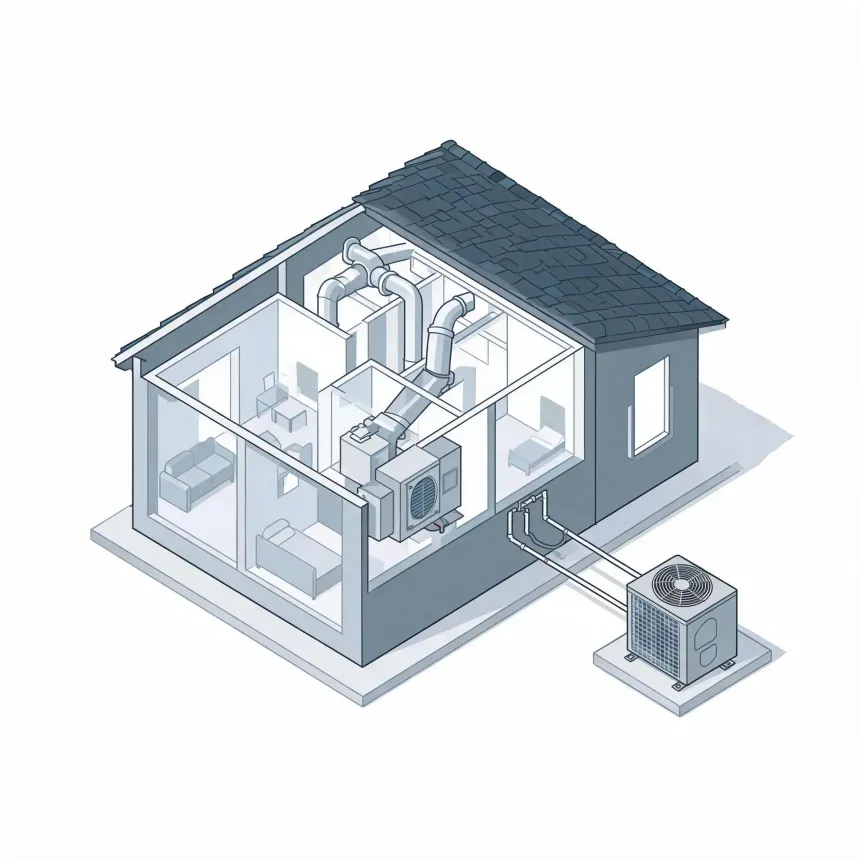
Isometric cutaway illustration of a small house showing interior rooms with furniture, an indoor air handler with ducts in the attic space, and refrigerant lines running to an outdoor condenser unit on a pad.
Your air conditioner works hardest from June through August.

NOAA nClimDiv, 1991–2020 normals

Summers here only run June through August, with afternoons around 82 degrees.

Three mild months of work means your AC wears out from age and neglect more than from strain.

Light duty here still means a yearly check

Cooling runs June through August
Summer afternoons average 82°F
42 damaging wind events from 2015 to 2024

A gauge set tells a technician things a thermostat never will. Static pressure across the coil shows whether airflow is actually moving the way it should, not just whether air is coming out of the vents. Amp draw on the compressor shows if it's straining to start, even when it starts every time. Subcooling and superheat numbers show the charge is right, not just close. None of that shows up during normal use because the system compensates until it can't anymore. A tune-up catches the parts that are working harder than they should, well before they stop working at all.

Old enough to earn a yearly check

A system that's been in the house since 1970 or earlier has had a lot of summers to run on. A yearly check before summer catches a weak capacitor or a dirty coil while it's still small, instead of on the first hot afternoon when the system is already working.

Find a contractor
A man in a dark long-sleeve shirt and tan work pants, seen from behind, steps onto a porch toward a dark green paneled door while carrying a canvas tool bag with tools in its outer pockets, with a potted shrub to the right.
A gray metal air conditioning condenser unit mounted on a concrete pad in a flat grassy field under a partly cloudy sky.

What you can check, and what to leave alone

Between visits, the filter is the one thing worth checking yourself. Pull it out and hold it up to the light. If you can't see light through it, swap it. A dirty filter starves the system of airflow no matter how well everything else is running. Outside, keep the area around the condenser clear. Grass clippings, leaves and mulch pile up against the cabinet and block the airflow the coil needs to dump heat. A few feet of open space on all sides is enough. Inside, look at the floor near the furnace once in a while. A damp spot means the condensate line is backing up, and that's worth a call before it grows into water damage. Beyond that, leave the refrigerant, the electrical connections and the coil cleaning to a technician. Opening the cabinet without the right gauges does more harm than good.

The system tells you before it quits

Warm air out of the vents when the thermostat is set low, short cycles where the unit shuts off minutes after starting, or a hum from the outdoor unit with no fan turning are all signs something is already failing. Catching these before the breakdown means a smaller repair and a system that keeps running through the hottest stretch instead of quitting on you.

Some signs only a gauge set finds

A system can sound fine and still run low on refrigerant or on a weak capacitor that's about to fail. The airflow feels normal, the thermostat reads close enough, but the compressor is working harder than it should to get there. That kind of wear doesn't show up until a technician checks the charge and tests the electrical parts directly.

Overhead view of a gray residential air conditioning condenser unit mounted on a concrete pad beside a house with asphalt shingle roofing.

Book your AC tune-up in May, before homes here start needing cooling in June.

  1. Jan
  2. Feb
  3. Mar
  4. Apr
  5. May
  6. Jun
  7. Jul
  8. Aug
  9. Sep
  10. Oct
  11. Nov
  12. Dec

A tune-up checks the refrigerant charge, cleans the coils, tests the capacitor and tightens the electrical connections.

A proper tune-up starts with the refrigerant charge, checked against what the system is supposed to carry. Too little and the compressor overheats trying to make up for it. Too much and it floods back liquid refrigerant into a compressor built to handle gas, which wears it out fast. The technician also tests the capacitor and contactor, the electrical parts that get the compressor and fan motor started and keep them running. A capacitor that's weak but still working won't trip anything, it just makes the compressor strain every time it starts. The coils get cleaned so they can actually move heat, and the condensate drain gets cleared so it can't back up. Blower wheel, fan motor, electrical connections all get checked while the cabinet is open, because that's the one time all year anyone looks.