
AC Installation in Iowa
Homes in Iowa are older than in 40 of the other 49 states.
Tell us about the job
Takes about a minute. No obligation.
- 82°Fsummer afternoon high where people live
- 3 monthsof cooling, June through August
- 13.40¢ per kWhwhat homes paid for power in 2024 (kWh means kilowatt hours, the unit on an electric bill)
- 3,480hail events from 2015 to 2024
Summer here doesn't ask much of an air conditioner Three months of real heat, June through August
- Southern counties need about 25% more cooling than northern ones
- Summer afternoons average 82°F where people live
- Cooling runs June through August
- 3,480 hail events from 2015 to 2024
- 4,845 damaging wind events from 2015 to 2024
- 15% of homes lost power a day or more in 2024


Gas heats most homes in Iowa, 60.2 percent of them. Electricity is next at 24.4 percent, and propane covers another 12.6 percent. If your furnace runs on gas, an AC installation usually means adding the cooling side to a system that already moves air through your house. The furnace and air handler stay, and the new coil and condenser work with what's there.
Fuel oil heats 0.3 percent of homes here, so it barely factors into how houses in this state are set up. A gas furnace paired with central air is the common setup, and a contractor sizing your new AC will likely be working alongside equipment built for exactly that pairing. Homes on electric heat usually run a heat pump or an air handler instead, which changes what the cooling side needs to match.
Get it in before June, not during it
May is the month to get this done, right before June through August when the system actually has to work. A contractor sizing and installing in May isn't racing weather or working around a house that's already hot. Wait until the first warm week in June and you're installing while the system is also expected to perform, which is a worse time to find out a part is on backorder or a crew is booked solid. Iowa homes run cooling for fewer months than 23 other states, so the window where installation doesn't interfere with comfort is real, it just closes fast once summer starts.
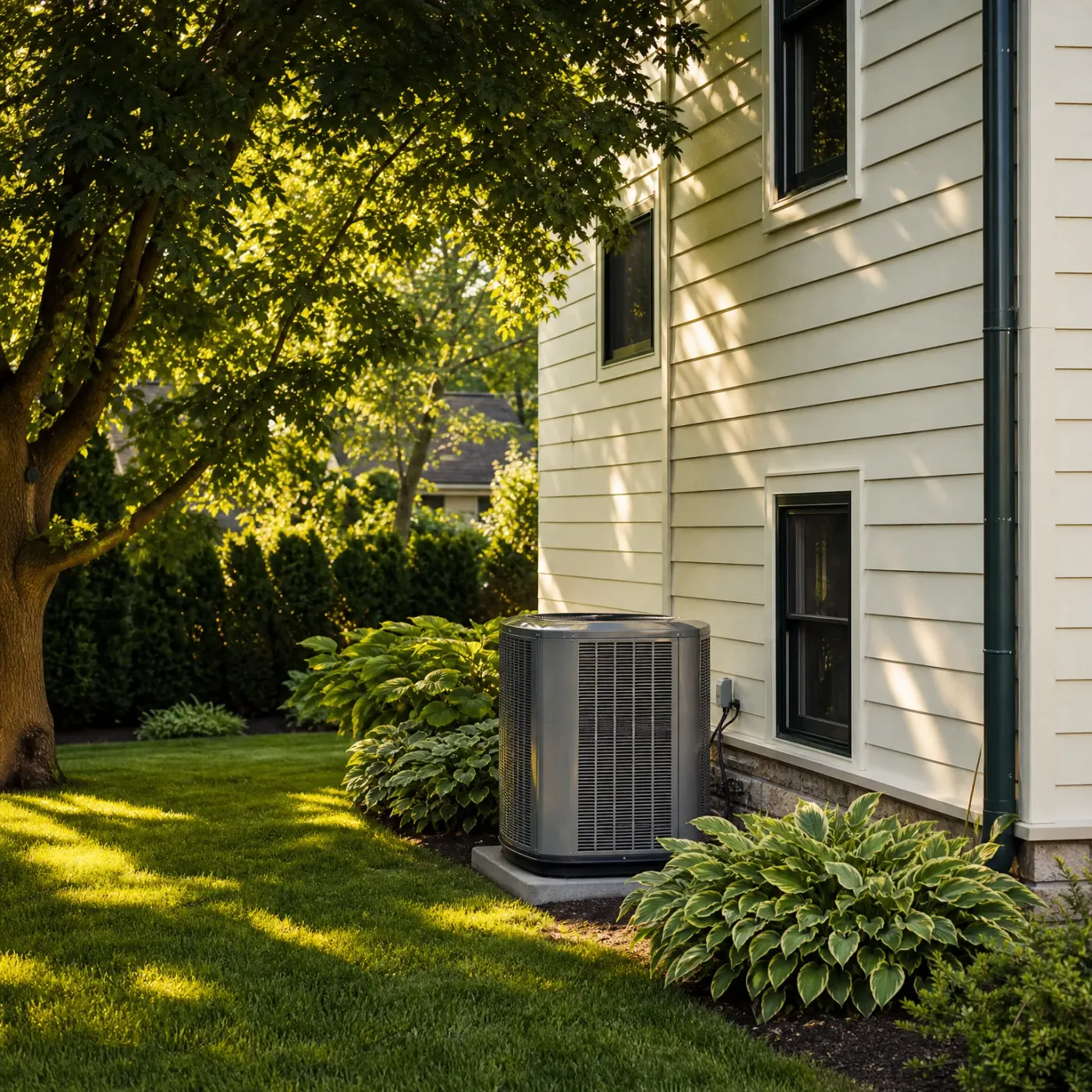
3 months of cooling, June through August
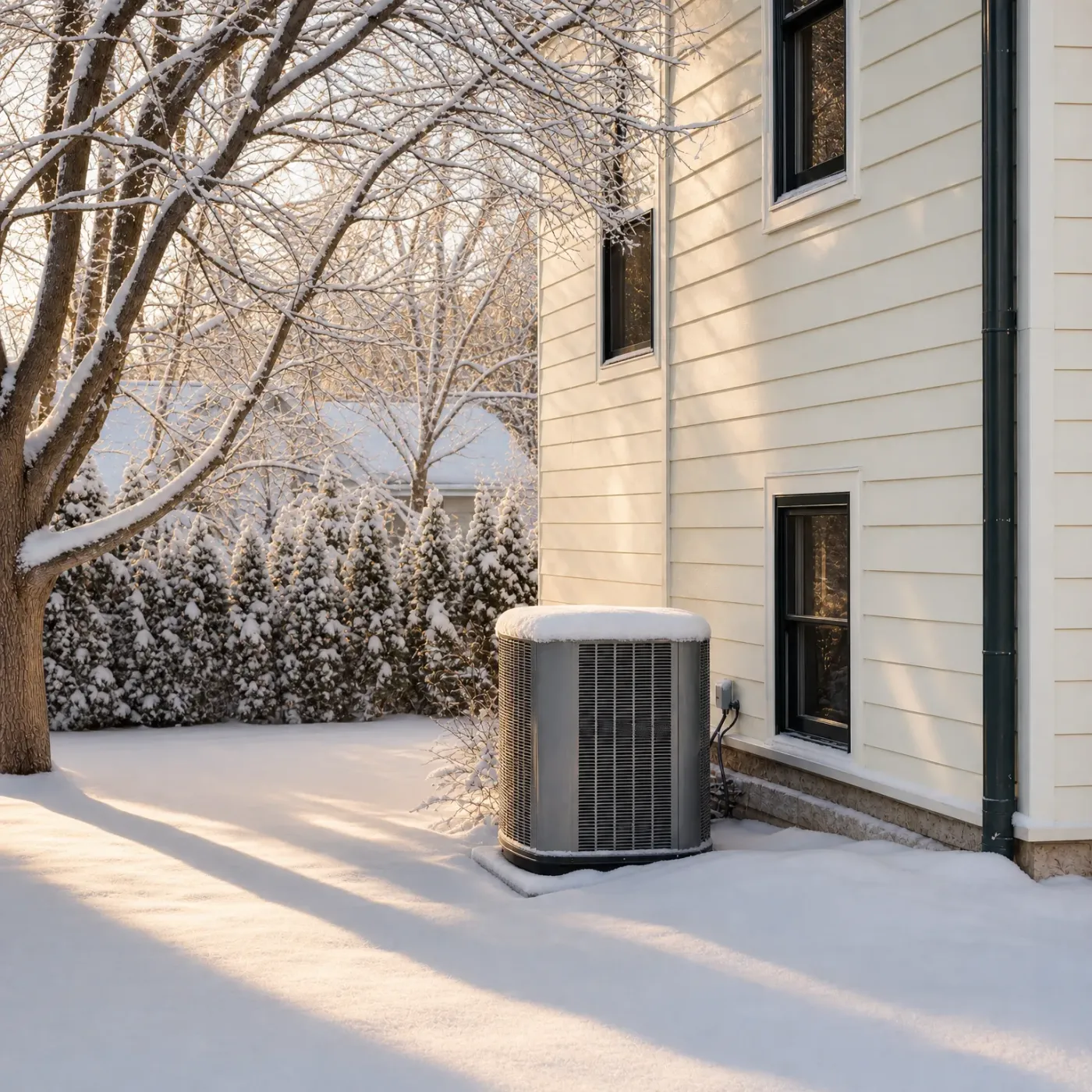
8 months of heat, October through May
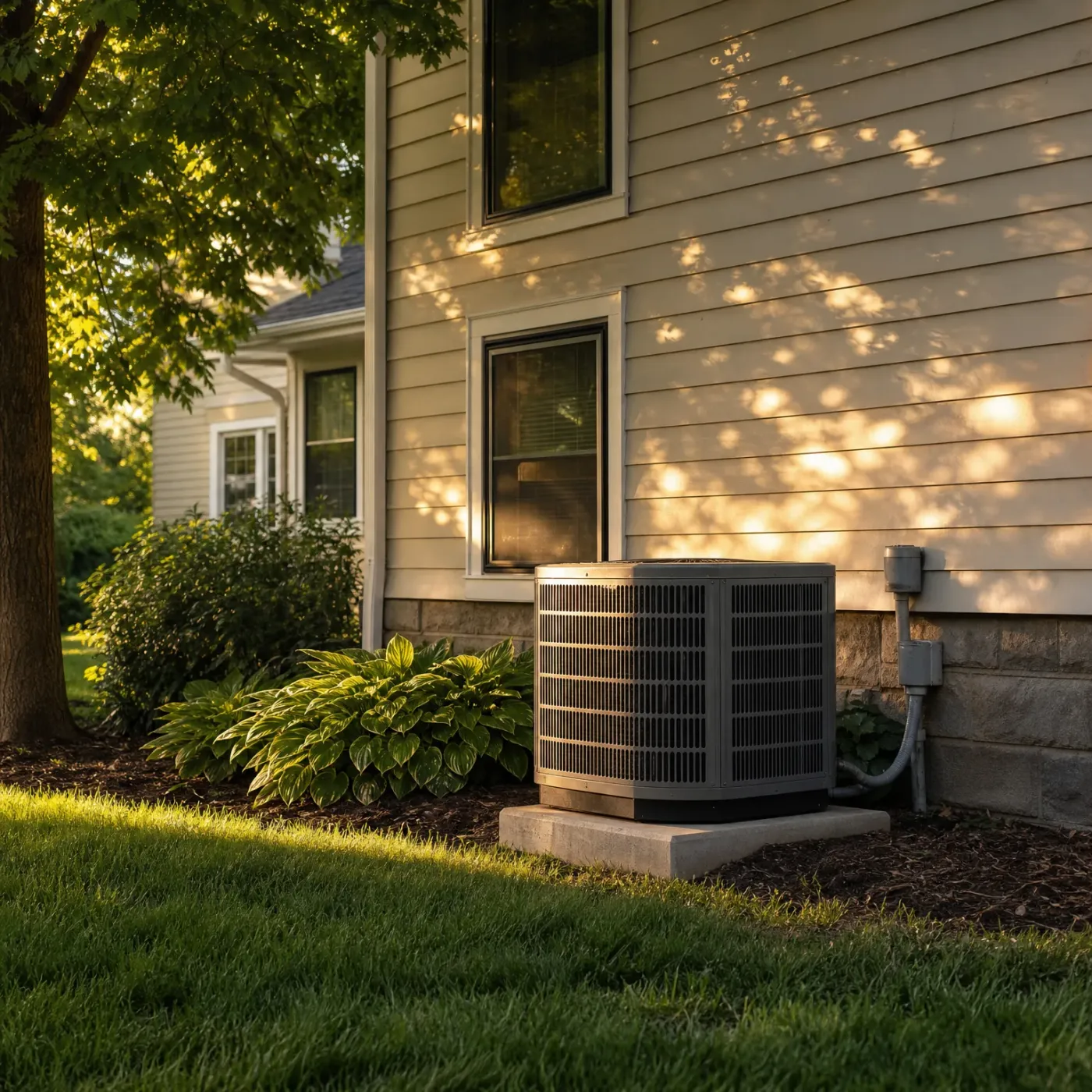
Cooling needs in Iowa split along a north-south line. Homes in the southern counties need about 25% more cooling over a year than homes in the northern counties. Same state, same gas furnaces, different load on the AC.
The gap shows most clearly at the extremes. Fremont County needs about twice the cooling of Howard County, where the state's cooling need is the lowest. A system sized right for one would be wrong for the other.
Summer afternoons across the state average 82°F through June, July and August. That's milder than most of the country sees, and the season is short to match. Homes here run AC for three months, June through August, fewer months than in most other states.
Hail is part of the picture too. Iowa recorded 3,480 hail events between 2015 and 2024, more than most other states. An outdoor condenser sits exposed to that, whichever end of the state it's in.
None of this changes what heats most Iowa homes or when to install. It changes how the cooling side gets sized, and that depends on which part of the state the house is in.
What does an AC in Iowa face?
How hot do summer afternoons get?
82°Faverage afternoon high where people live
Alaska66°F
Arizona101°F
How many months does the cooling run?
3 monthsof cooling a year
Alaska0 months
Hawaii12 months
What does electricity cost?
13.40¢per kWh, what homes paid in 2024
North Dakota11.51¢
Hawaii42.86¢
How often do storms hit?
206severe weather events per county from 2015 to 2024
Alaska5
Wyoming1,057
How many homes lost power for a day or more?
15%of homes in 2024
Arizona7%
Maine54%
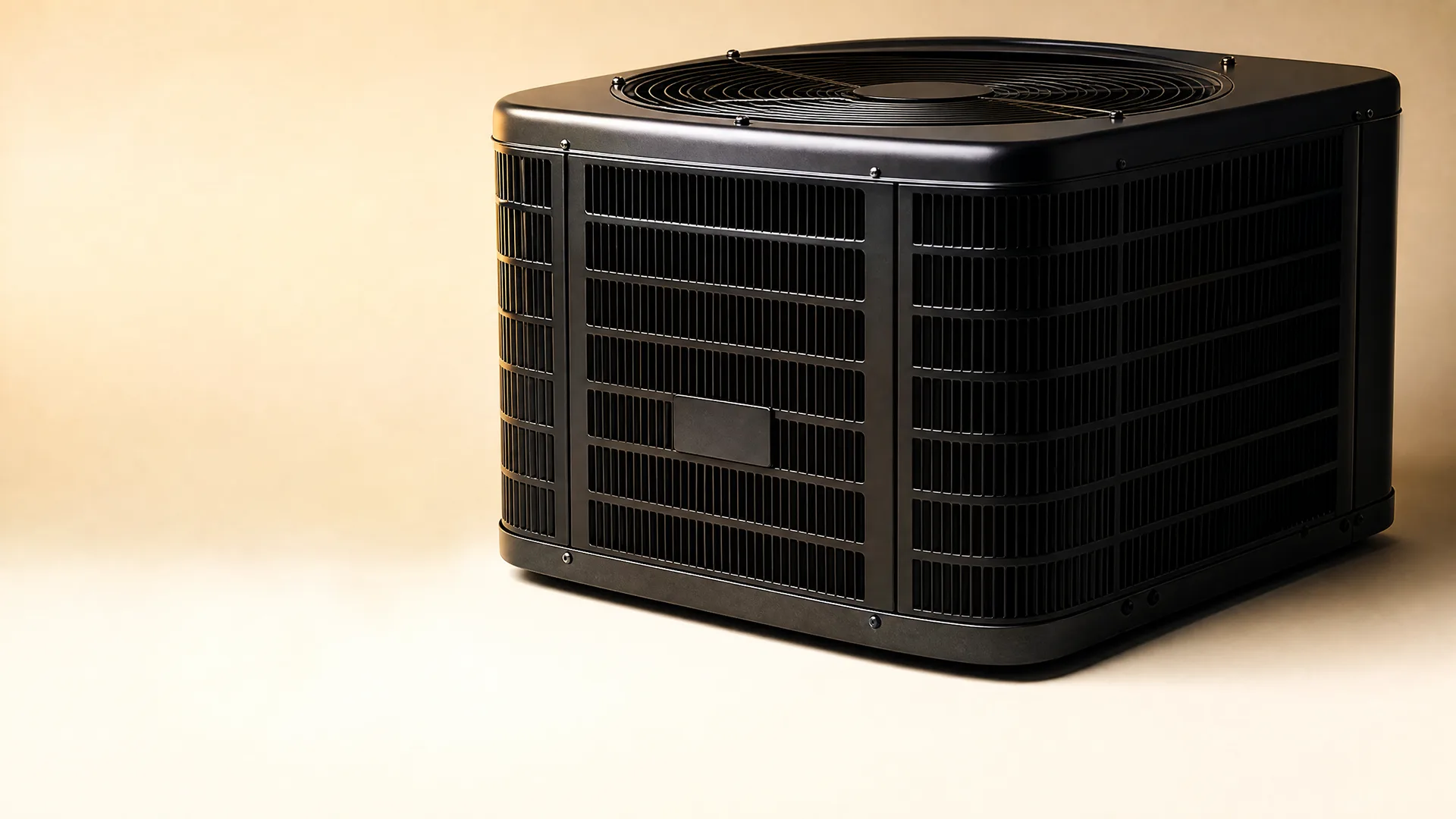
Cheap power changes what's worth paying for
Electricity runs 13.40 cents per kilowatt-hour here. That's cheaper than in 34 other states, and it changes the math on which condenser is worth installing. A high-efficiency unit still cools the house, but with a short season the extra cost takes longer to earn back than it would somewhere running AC most of the year. A mid-efficiency unit sized right for your part of the state will do the job and cost less to put in. What matters more is the install itself. A correct refrigerant charge, good airflow across the coil, a condenser pad set level and clear of runoff. Get those right and the system holds up through the hail and the heat, whether it's rated average or top of the line.
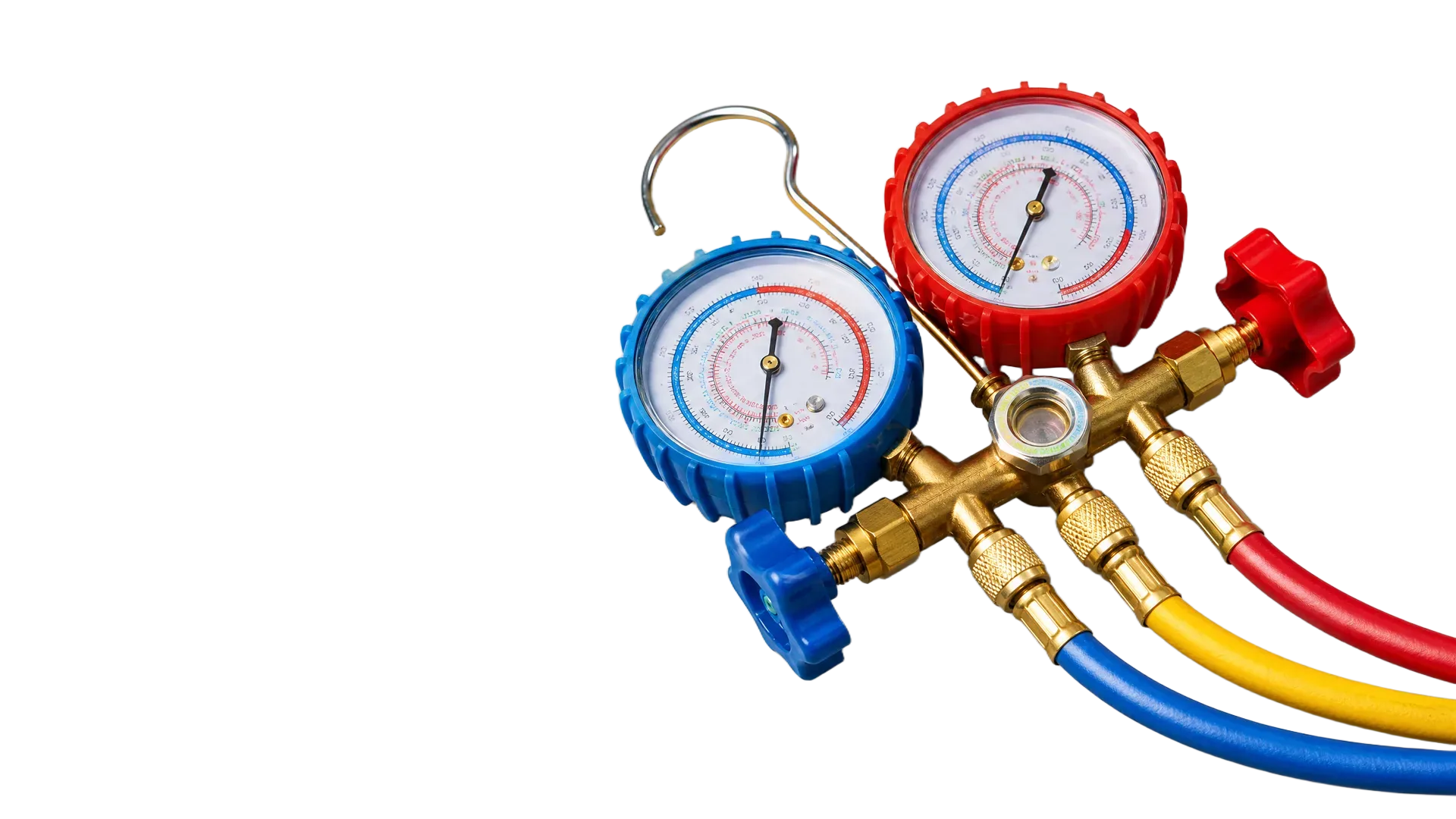
Sizing isn't a guess, it's a calculation
Sizing an AC comes down to matching the cooling output to the heat the house actually gains over a day, not to square footage alone. A unit too big cools the air fast and shuts off before it pulls the moisture out, so the house feels cold and damp at the same time. One too small runs constantly during the hottest stretch and still can't hold the temperature you set. Either way, the compressor cycles more than it should, and that's what wears a system out early. A contractor works out the right size with a load calculation, room by room, weighing window area, insulation, ceiling height, and which way the house faces against the local design temperature. It's a different number for every house, which is why a neighbor's system running fine next door doesn't tell you much about what belongs in yours.
The ducts are already there, whatever age the house is
Half the homes in Iowa were built in 1972 or earlier. A house that age almost always had its original ductwork sized for whatever system came with it, and that duct layout doesn't change just because the equipment hanging off it does. A new condenser and coil have to move the right amount of air through those same supply and return runs. If the ducts are undersized or leaky for the tonnage going in, the new system won't hit the temperature split it's rated for no matter how well it's charged. Houses this age are also more likely to have had work done over the decades, so it's worth finding out if the ductwork is original to the house or was replaced at some point before sizing day arrives.
Your new AC has to handle Iowa summers and work with the gas furnace already moving air through your house.
Tell us about the job
Takes about a minute. No obligation.
Fill out the form and a licensed Iowa contractor will size the system to your house.