
AC Maintenance in Iowa
Homes in Iowa are older than in 40 of the other 49 states.
Tell us about the job
Takes about a minute. No obligation.
- 82°Fsummer afternoon high where people live
- 3 monthsof cooling, June through August
- 13.40¢ per kWhwhat homes paid for power in 2024 (kWh means kilowatt hours, the unit on an electric bill)
- 3,480hail events from 2015 to 2024
Summers here don't push your AC hard Three mild months, June through August
- Southern counties need about 25% more cooling than northern ones
- Summer afternoons average 82°F where people live
- Cooling runs June through August
- 3,480 hail events from 2015 to 2024
- 4,845 damaging wind events from 2015 to 2024
- 15% of homes lost power a day or more in 2024

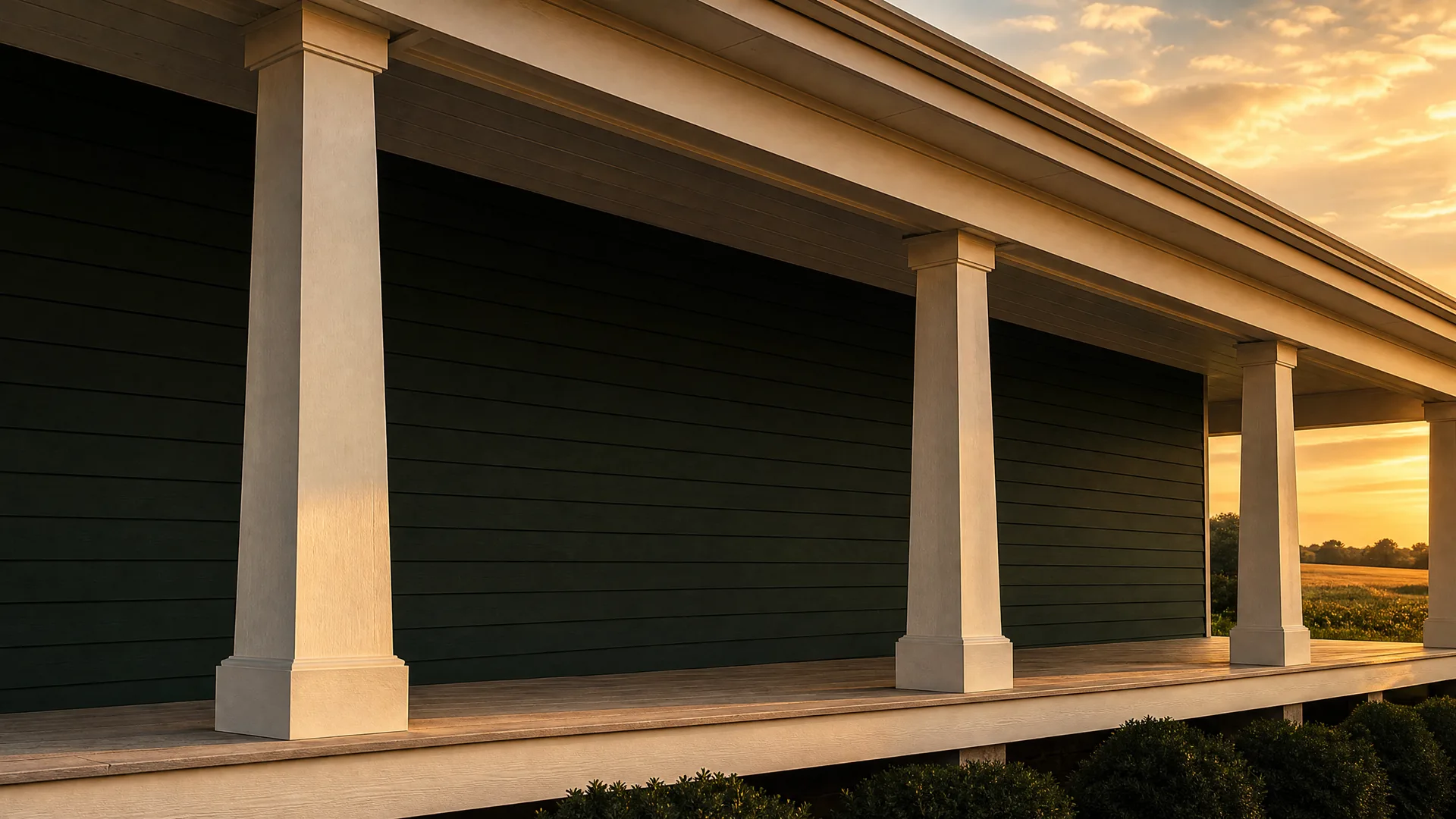
Half of Iowa's homes were built in 1972 or earlier

If the AC is still cooling the house, pay attention to how it gets there. A healthy system kicks on, brings the temperature down, and shuts off again. One that runs longer than it used to, or starts short cycling, is working around a problem even if the air still feels cold. Listen for a hum that wasn't there before, a rattle when the outdoor unit starts, or a hiss near the refrigerant lines. None of these stop the system from running today, but they're usually the first thing to show up before a bigger failure does.
Check the airflow at the vents against what the thermostat is asking for. Weak airflow with the system running means something between the coil and the room isn't doing its job, whether that's a dirty filter, a coil low on charge, or a blower that's lost some of its pull. Water pooling near the indoor unit, or a musty smell when the system first kicks on, points to a condensate drain that's clogged or draining the wrong way. These are easy to miss because the house still cools down eventually. The system is just working harder to get there, and that strain is what shortens how long it lasts.
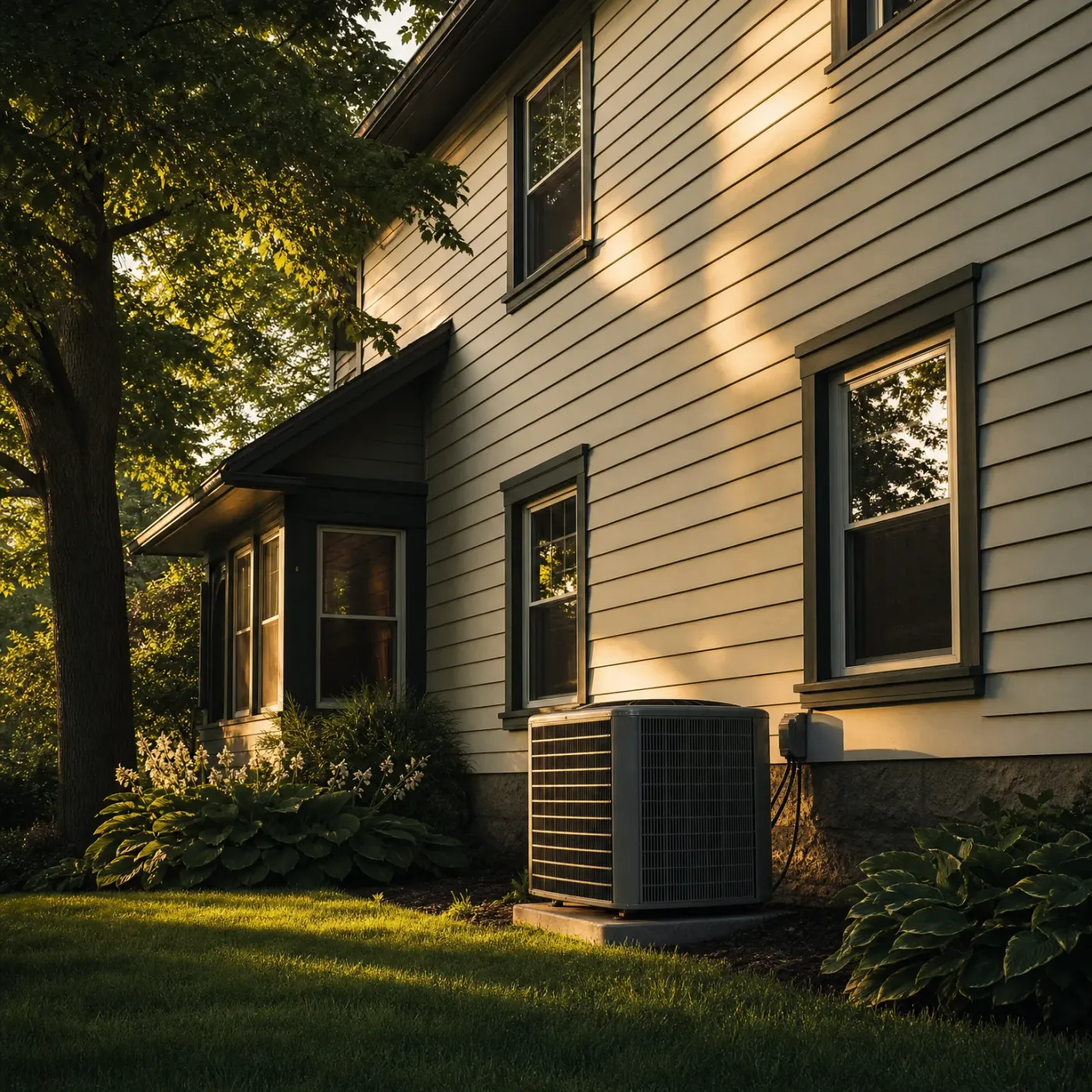
Cooling need still splits across the state. Homes in Iowa's southern counties need about 25% more cooling over a year than homes up north. Fremont County needs about twice the cooling of Howard County, where the state's cooling need is lowest.
That's a difference in degree, not a different season. Iowa's afternoons average 82°F across June, July and August, mild next to most of the country, and that holds whether you're in Fremont County or Howard County. Southern Iowa just asks the system to do more of that same work.
If you're in Fremont County or elsewhere in southern Iowa, get the check done before June. The system there is covering more ground each summer than one up north, so going into the season in good shape matters more.
In Howard County and across northern Iowa, the system has the easiest summer in the state. June through August is still when it runs, and before that window opens is still when to have it looked at.
What does an AC in Iowa face?
How hot do summer afternoons get?
82°Faverage afternoon high where people live
Alaska66°F
Arizona101°F
How many months does the cooling run?
3 monthsof cooling a year
Alaska0 months
Hawaii12 months
What does electricity cost?
13.40¢per kWh, what homes paid in 2024
North Dakota11.51¢
Hawaii42.86¢
How often do storms hit?
206severe weather events per county from 2015 to 2024
Alaska5
Wyoming1,057
How many homes lost power for a day or more?
15%of homes in 2024
Arizona7%
Maine54%
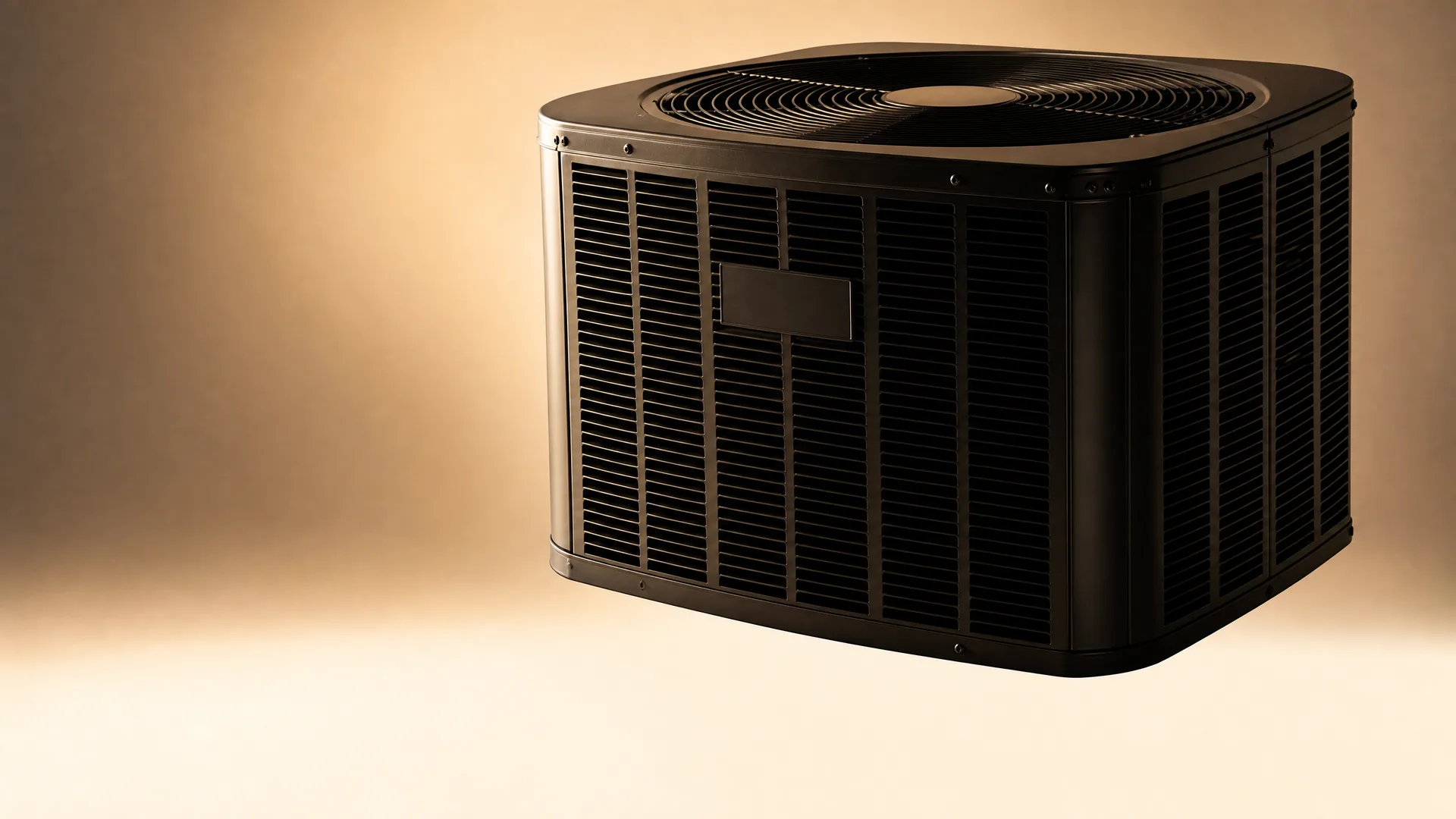
What a real tune-up covers
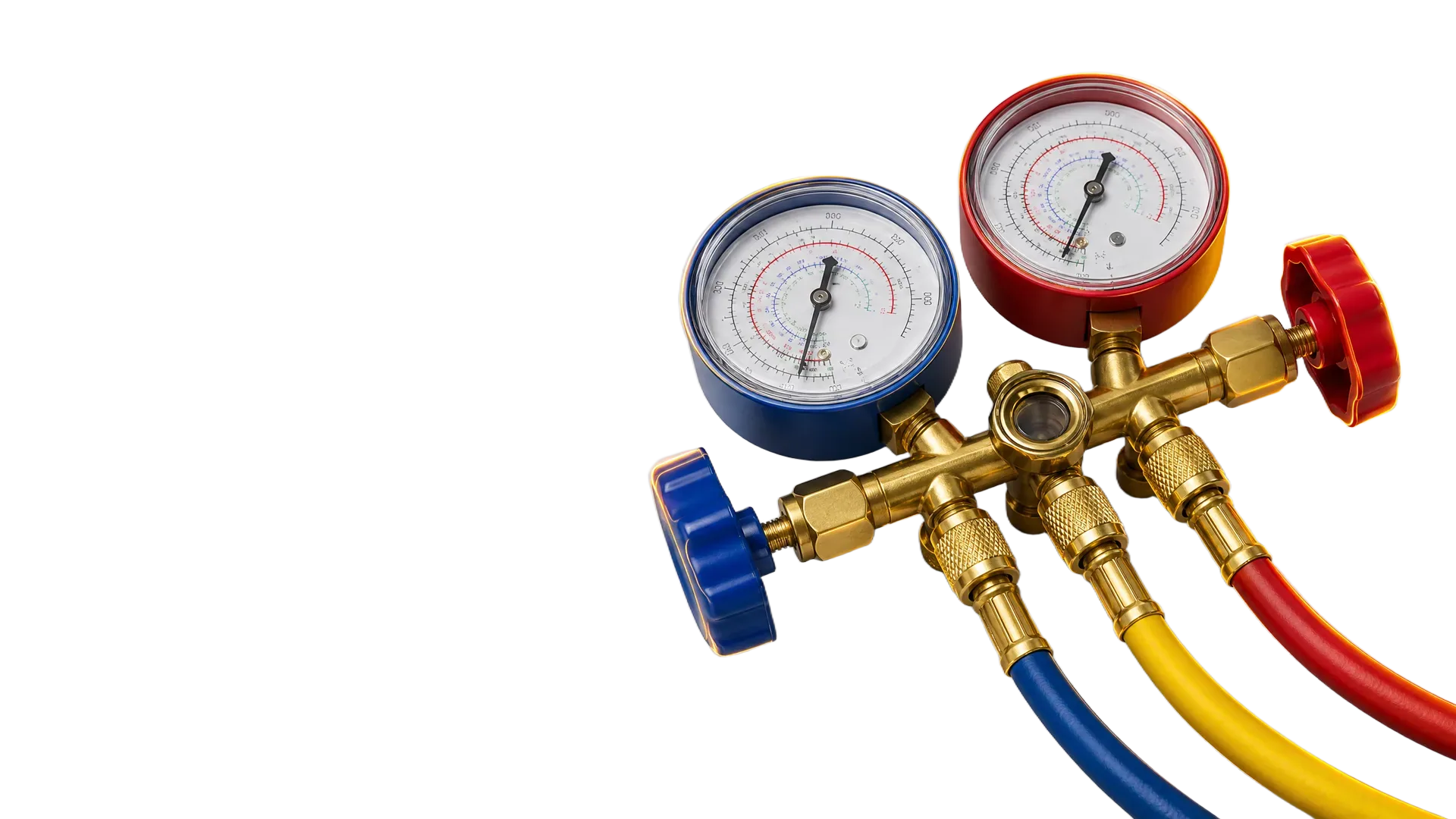
A quick visit gets you a filter swap and a glance at the readout. A thorough one gets the cabinet open. The tech should check refrigerant charge against pressure and temperature, not just look at a gauge and call it fine. The coil needs an eye on it too, since a coil caked with dust and grime can't pull heat out of the air no matter how much refrigerant is behind it. The condensate drain should get flushed, not just checked for standing water, because a line that's slow today is clogged in a month. Outside, the contactor and capacitor take the load every time the compressor kicks on, and both wear out quietly, so a thorough tech tests the capacitor rather than eyeballing it for a bulge. The blower wheel gets pulled and wiped down if it's carrying dust, since a dirty wheel moves less air even when the motor behind it is running fine. And someone should check the electrical connections at the disconnect box, because a loose one runs hotter every summer until it fails outright. If the visit took less time than it takes to mow a lawn, most of that likely didn't happen.
Between visits
The filter is the one thing worth your own attention between visits. Pull it out, hold it up to a light. If light doesn't pass through, it's blocking airflow, and the system ends up pulling warm air back over a coil that can't shed heat fast enough. Keep the area around the outdoor unit clear too. Grass clippings, leaves, anything piled against the sides of that cabinet makes the compressor work against its own exhaust. Walk past it now and then and look for ice on the lines. That means something's wrong even if the air inside still feels cool. Leave the cabinet closed and the disconnect alone. Checking refrigerant charge, testing a capacitor, cleaning a coil, that's a tech's work, done with the power cut and gauges on. Opening that up without the right tools is how a small problem becomes a bigger one.
Why the timing of the visit matters
A tune-up only pays off if it happens before the season asks anything of the system. Once the compressor's been leaning on a weak capacitor or pulling against a dirty coil for a few weeks of real heat, the wear is already done. Scheduling it while the system is still sitting idle means a tech can catch a low charge or a slow drain line before either one turns into a service call. Waiting until the first hot week means getting in line behind everyone else who waited too.
Your AC only has three months of real heat to handle here, so one visit before summer covers it.
Tell us about the job
Takes about a minute. No obligation.
Fill out the form and a licensed contractor in Iowa takes it from there.