
Heat Pump Repair in Iowa
Homes in Iowa are older than in 40 of the other 49 states.
Tell us about the job
Takes about a minute. No obligation.
- 15°Fwinter overnight low where people live
- 8 monthsof heat, October through May
- 82°Fsummer afternoon high where people live
- 3 monthsof cooling, June through August
Cold winters here, nothing unusual. Most failures are just a worn part.
- Southern counties need about 25% more cooling than northern ones
- Winter nights average 15°F where people live
- Summer afternoons average 82°F where people live
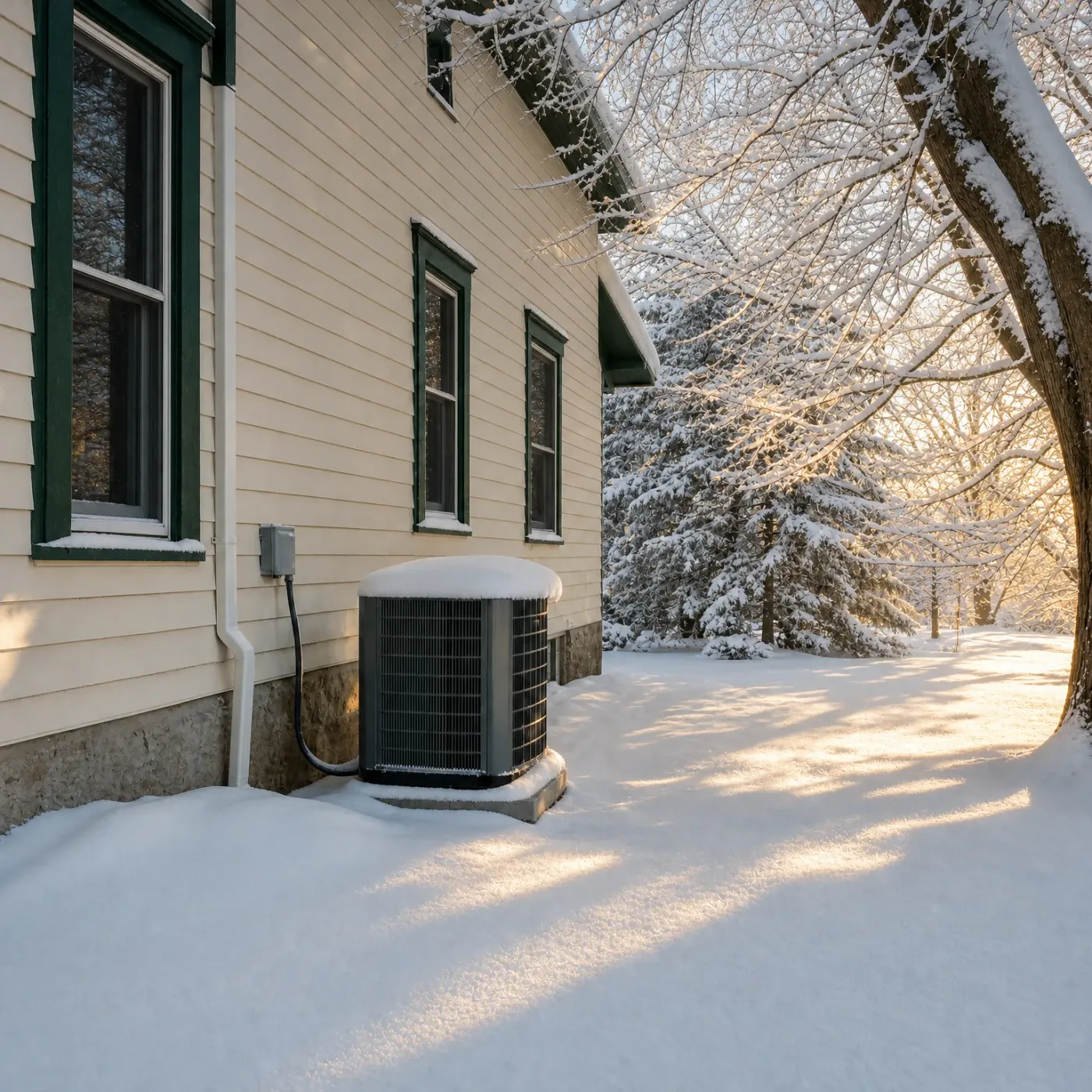
- Heat runs October through May
- Cooling runs June through August
- 2,365 winter storms from 2015 to 2024

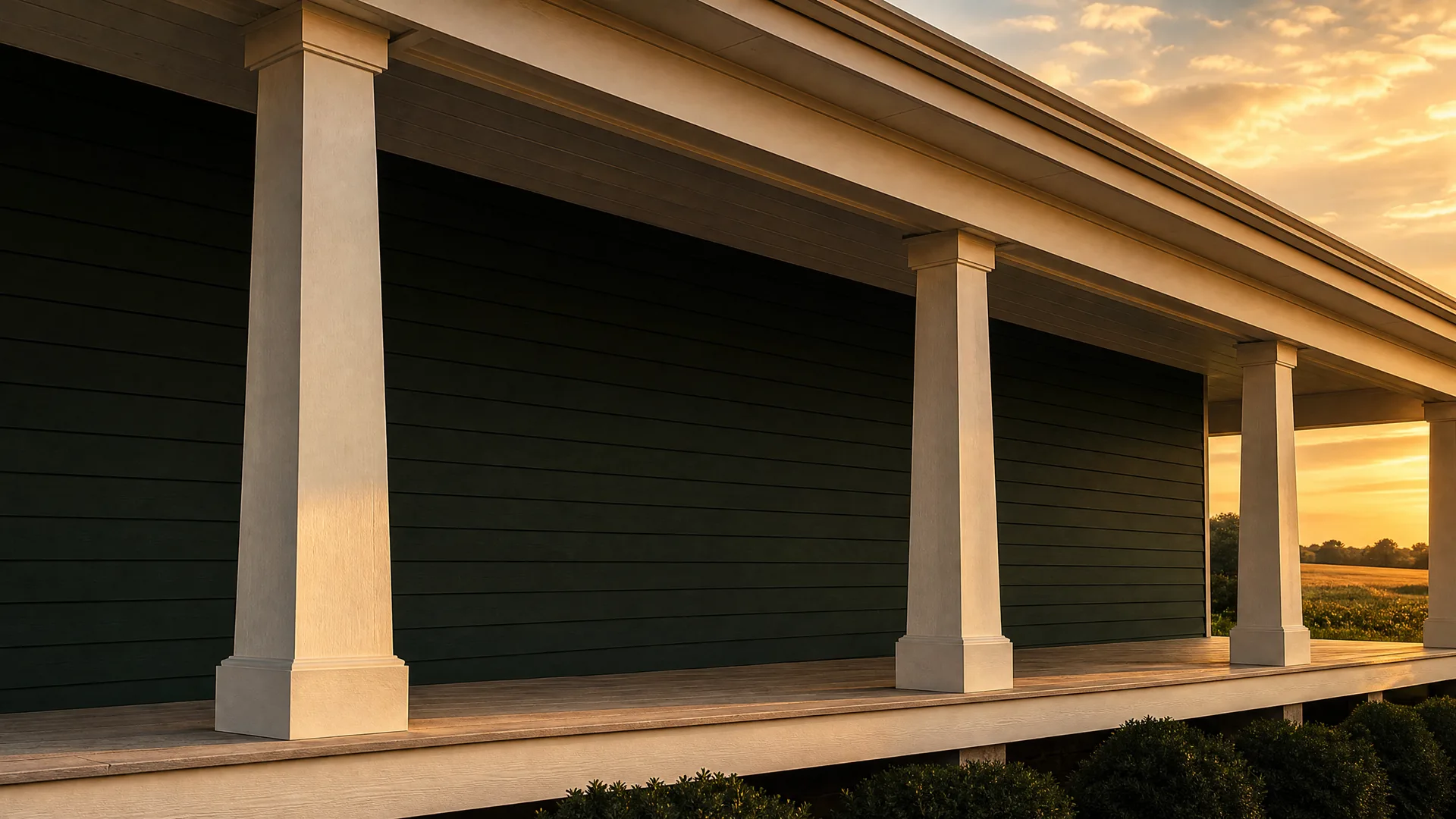
Half the homes in Iowa were built in 1972 or earlier

A heat pump in Iowa works through cold winters and humid summers both, so it runs more months out of the year than a furnace or an air conditioner alone. That doesn't make it fail any faster. Worn parts, low refrigerant, and electrical faults show up the same way they would anywhere else. Iowa homes using air conditioning used about 5.0 million Btu (British thermal units, a measure of heat) of electricity for it in 2020, which is the cooling side of the system doing normal work, not a sign of strain.
Electricity in Iowa runs 13.40 cents per kilowatthour, less than in 34 other states. A heat pump that's losing efficiency, maybe from a failing capacitor or a dirty coil, costs more to run every month until it's fixed. That's worth knowing before deciding whether a repair is worth it. The unit itself isn't fighting unusual conditions here. It just needs whatever part has actually failed replaced.
The season change is usually what exposes the problem
Heat here switches on in October and runs through May. Cooling takes over in June and holds through August. That split matters more than the totals. A heat pump works hardest right at the start of each run, the first cold morning in October and the first hot stretch in June, when whatever's been quietly failing finally gets tested under real load. A capacitor that's been weakening since spring can hold on fine until the compressor has to work hard. A reversing valve that's been sticking can wait until the first cold morning to show it. If yours is struggling now, odds are it's not random timing. It's the season change finding the weak part.
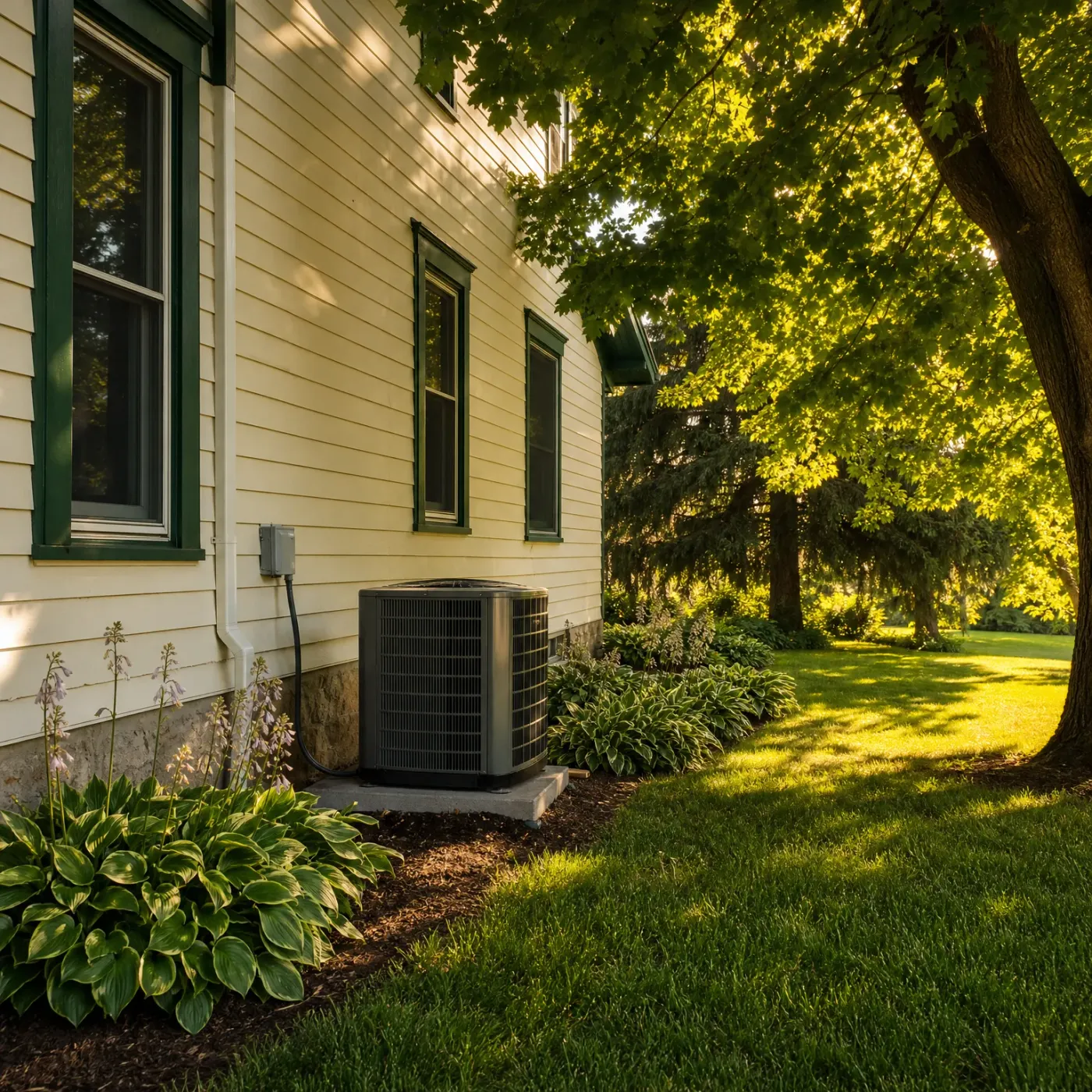
3 months of cooling, June through August
8 months of heat, October through May
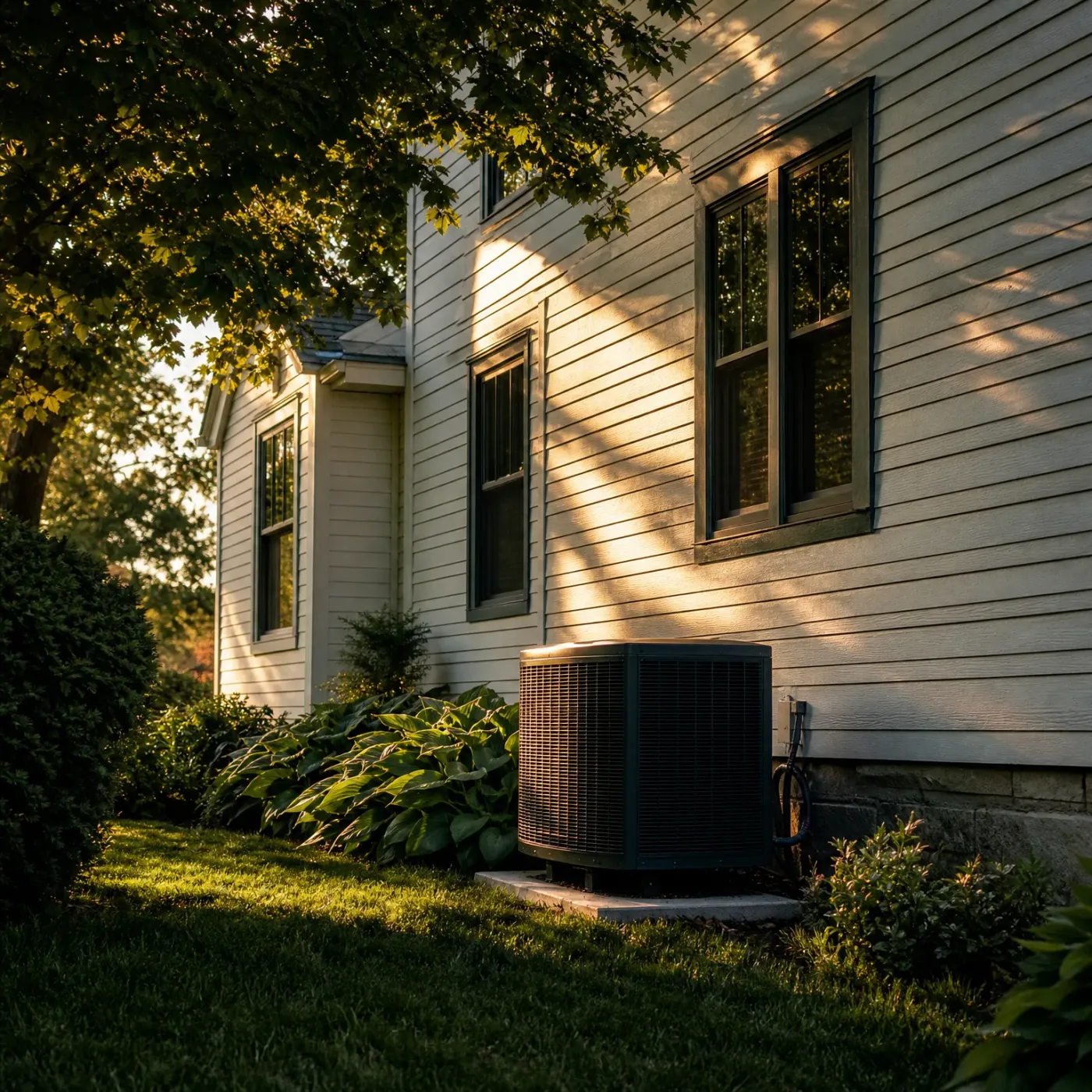
The southern counties put about 25 percent more cooling load on a heat pump over a year than the northern counties do. That's the compressor and outdoor coil working more months, more hours, in the parts of the state that lean south.
Fremont County needs about twice the cooling that Howard County does. Howard has the lowest cooling need in the state. A heat pump in Fremont cycles through summer far more than one in Howard, and that difference shows up as wear on the same parts. The compressor, the capacitor that starts it, the coil that sheds the heat.
Flip the season and the map flips too. Howard County, up north, needs about 35 percent more heat over a year than Lee County, which has the lowest heating need in the state. The north leans harder on the heating side. The south leans harder on cooling. A heat pump in each place wears differently because of it.
Winter nights are coldest in Osceola County, averaging 10°F across December, January and February. Lee County's winters are the mildest in the state, averaging 20°F. A heat pump in Osceola works against a colder outdoor coil on winter mornings. That asks more of the reversing valve and the defrost cycle than a unit in Lee ever has to handle.
None of this means a heat pump in one part of Iowa is built better or worse than one somewhere else. It means the part most likely worn depends on where the house sits. In the south, look first at what carries the summer load. In the north, look first at what carries the winter load.
What does a heat pump in Iowa face?
How hot do summer afternoons get?
82°Faverage afternoon high where people live
Alaska66°F
Arizona101°F
How cold do winter nights get?
15°Faverage overnight low where people live
North Dakota4°F
Hawaii65°F
How many months does the heat run?
8 monthsof heating a year
Hawaii0 months
Alaska12 months
What does electricity cost?
13.40¢per kWh (kilowatt hours, the unit on an electric bill), what homes paid in 2024
North Dakota11.51¢
Hawaii42.86¢
How often do storms hit?
206severe weather events per county from 2015 to 2024
Alaska5
Wyoming1,057
How many homes lost power for a day or more?
15%of homes in 2024
Arizona7%
Maine54%
When it's worth fixing and when it isn't
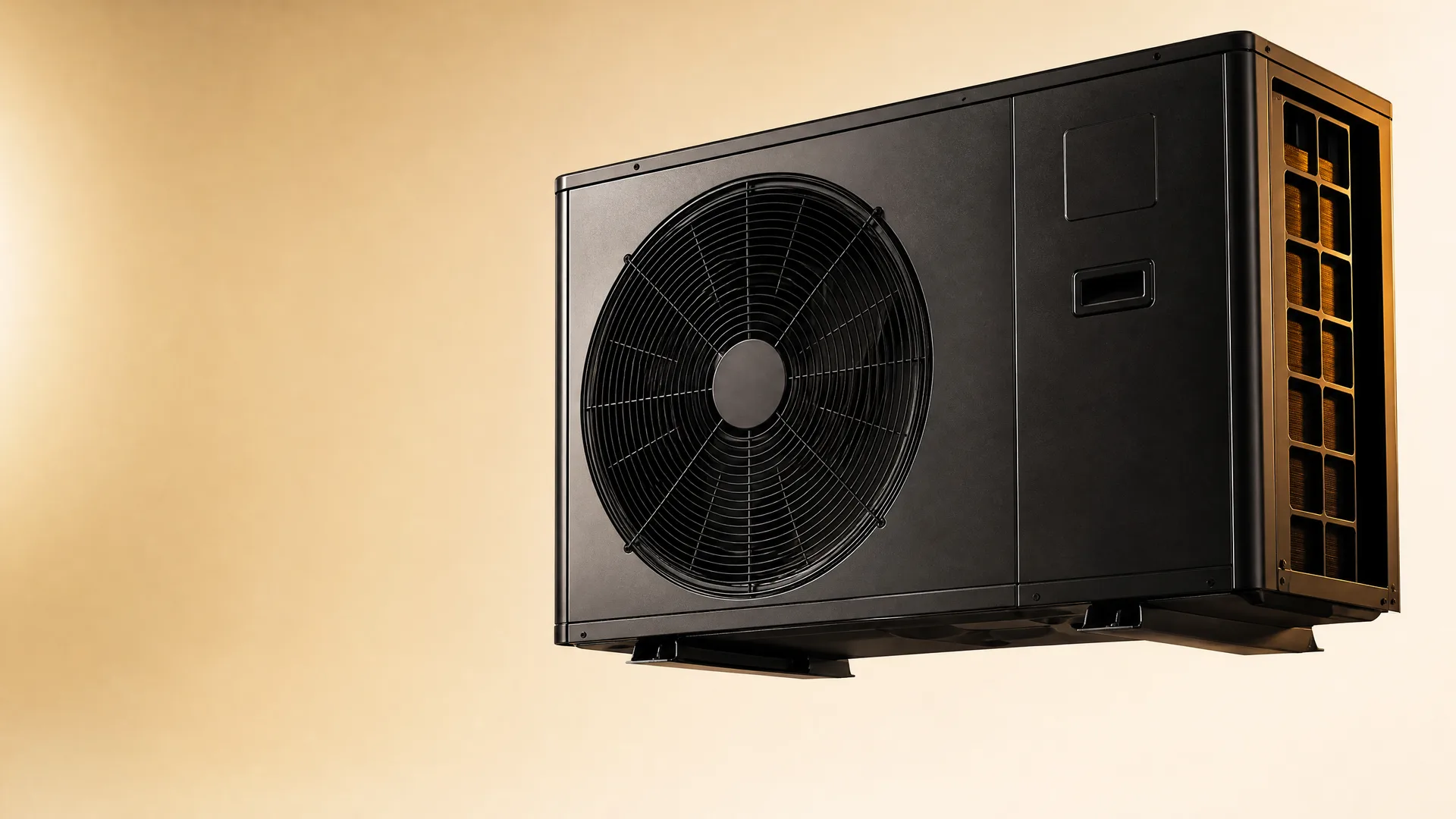
A heat pump rarely needs replacing just because one part failed. The compressor, the reversing valve, the capacitor, the fan motor, these can all be replaced on their own, and most of the time that's exactly what happens. What changes the math is age combined with the kind of part. A failed capacitor or a bad contactor is a straightforward swap regardless of how old the unit is. A compressor going bad on a unit that's already old is a different question, because the compressor is most of what the unit is. If it's failing, you're often weighing the cost of a new compressor against the cost of a new system, and the rest of the unit's age starts to matter. Refrigerant leaks sit in between. A leak at a fitting is a repair. A leak inside the coil itself, on an older unit, often isn't worth chasing. The other thing worth knowing is that a heat pump that short cycles, trips its breaker repeatedly, or needs the same part replaced more than once in a short span is telling you something beyond that one part. A good technician will say plainly whether what's in front of them is a repair or the start of a pattern.
What actually breaks on a heat pump
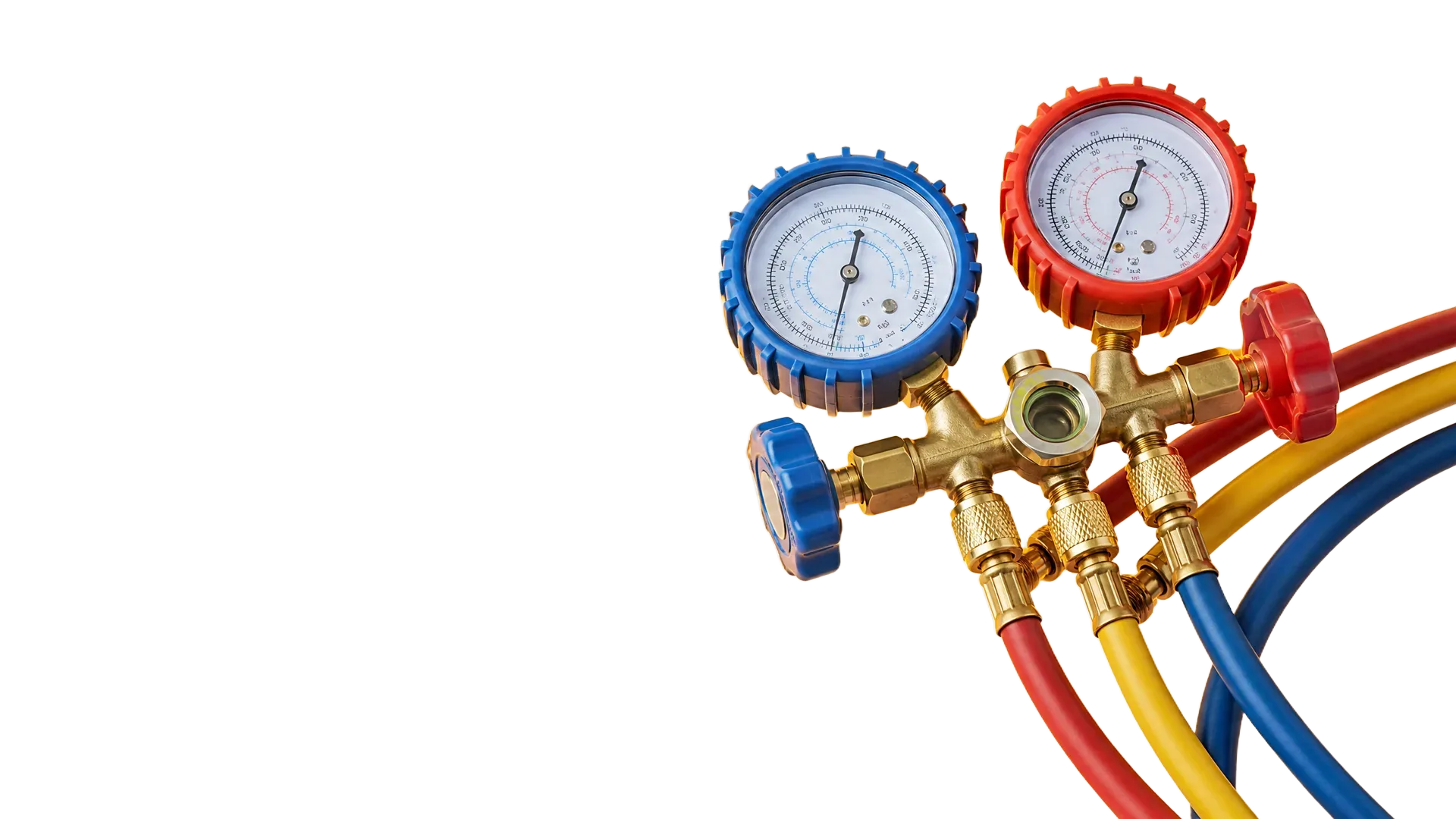
The capacitor that starts the compressor and the fan motor weakens with age until it can't deliver the jolt either one needs. The unit hums without starting, or the fan turns slowly. The contactor, which switches power to the compressor, pits and burns from years of opening and closing until it stops making contact reliably. Refrigerant leaks show up at fittings and joints that flex over time. Once the charge is low, the compressor runs longer to move the same heat, and that extra strain shortens its life. The reversing valve, which switches the unit between heating and cooling, can stick in one position, especially after sitting unused for months. The outdoor coil collects dirt and debris just from sitting outside, and a dirty coil makes the compressor work harder to move the same heat. The defrost control clears frost off that coil in cold weather, and when it fails, frost either builds up and blocks airflow or the unit defrosts more than it needs to. None of these are failures particular to a heat pump. They're the ordinary wear of a motor, a switch, and a valve doing their job over years.
What the house tells you, and what it doesn't
Half the homes in Iowa were built in 1972 or earlier, and most of the housing stock here is single-family houses rather than condos or apartments. Neither fact says anything about the heat pump sitting outside one of them. The equipment gets swapped out on its own schedule, often more than once over a house's life. What it does mean is that if yours came with the house, or you've never had it replaced, you may be past where a repair is the right call. Ask the technician straight out how much life is left in the unit before paying for a compressor or a reversing valve. A bad capacitor or contactor is worth fixing no matter how old the house or the unit is. A failing compressor on a unit that's already old is a harder question, and it deserves a straight answer before you spend on it.
A heat pump acting up here is most likely one worn part, not a sign of real damage.
Tell us about the job
Takes about a minute. No obligation.
Fill out the form once, and a licensed contractor calls to look at the unit and tell you what's wrong.