
AC Repair in Iowa
Homes in Iowa are older than in 40 of the other 49 states.
Tell us about the job
Takes about a minute. No obligation.
- 82°Fsummer afternoon high where people live
- 3 monthsof cooling, June through August
- 13.40¢ per kWhwhat homes paid for power in 2024 (kWh means kilowatt hours, the unit on an electric bill)
- 3,480hail events from 2015 to 2024
Summers here don't push AC harder. Three months of real work, June to August.
- Southern counties need about 25% more cooling than northern ones
- Summer afternoons average 82°F where people live
- Cooling runs June through August
- 3,480 hail events from 2015 to 2024
- 4,845 damaging wind events from 2015 to 2024
- 15% of homes lost power a day or more in 2024


Iowa's housing is older than most of the country
Half the houses in Iowa were built in 1972 or earlier, and most of the state's housing is single-family homes. If your AC came with the house and nobody's replaced it, it's old enough to be near the end of what it can do. A compressor or coil that's been running since the house was new wears differently than one a few years old does. Before paying for a repair, ask whoever comes out how much life is left in the system. Sometimes the repair makes sense. Sometimes replacing it does.

Single-family homes mean the homeowner is the one dealing with this, not a landlord or a building manager handing it off to someone else. If the AC came with the house and it's never been swapped out, the data plate on the outdoor unit or the inside coil will show the manufacture date. That's worth checking before a repair call, not after.
An old compressor doesn't fail the way a new one does. It tends to run longer to hit the same temperature, trip the breaker more often, or develop a refrigerant leak that gets worse each year instead of holding steady. A repair on a unit that old might fix today's problem and leave several more behind it. Ask whoever comes out how many more years they'd expect from this unit before deciding whether to fix it or replace it.
Why trouble shows up in June
June is when it shows up. The system sat idle since August and the first real heat of the year finds whatever was already weak, a tired capacitor, a refrigerant charge that's been a little low for a while. It didn't fail over the winter. It failed the first time it had to work. That's why a repair call now often turns up a problem that's been building for a long time, not something new.
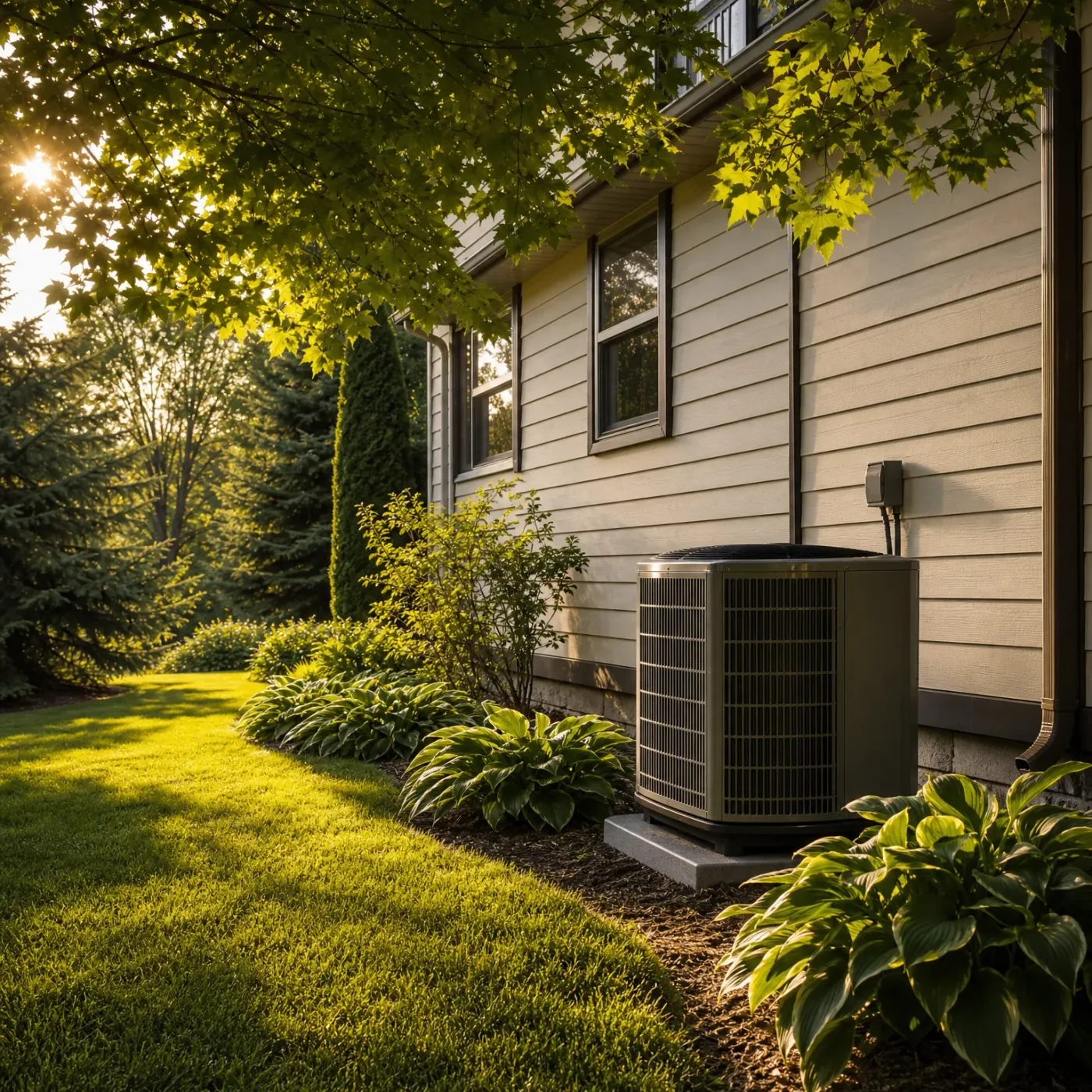
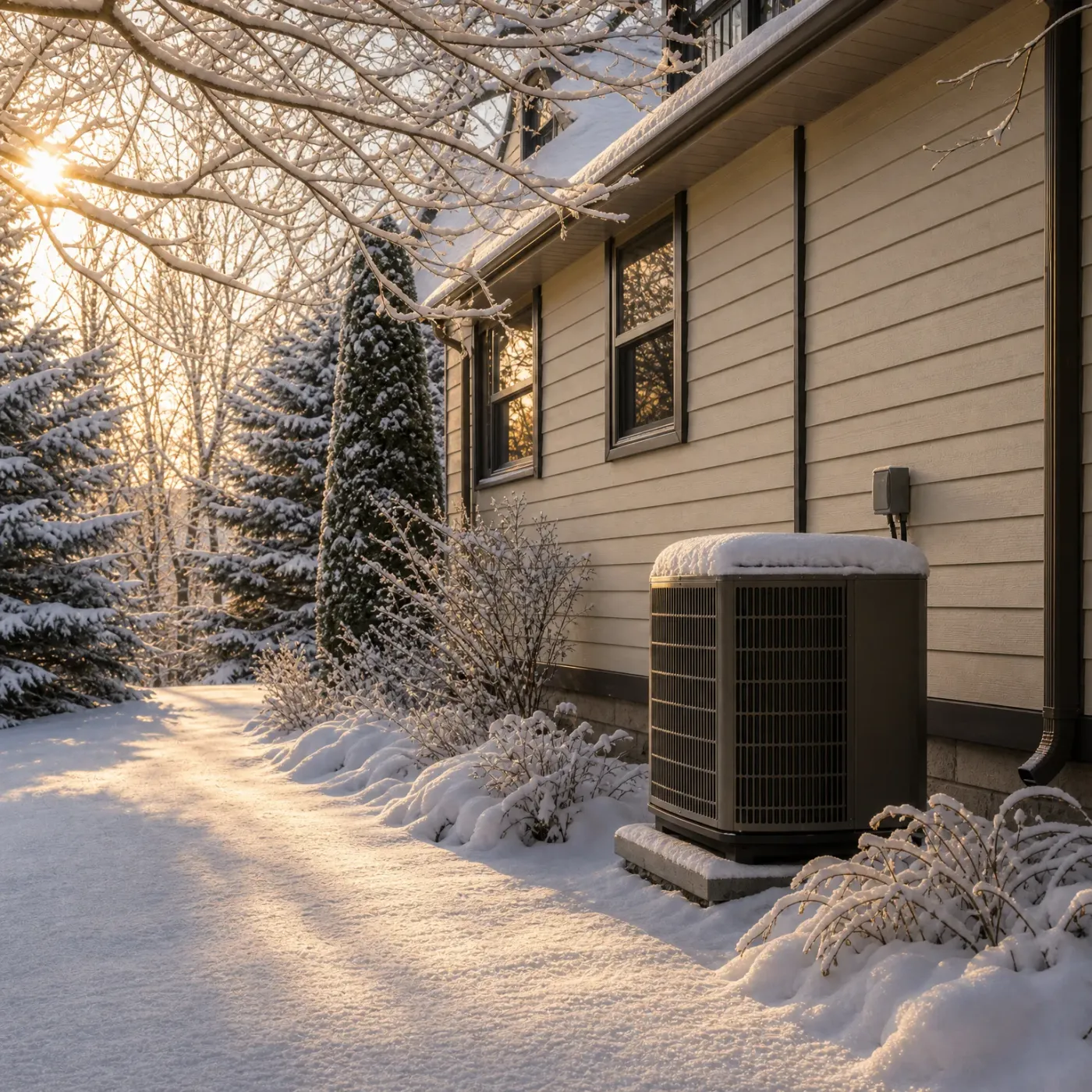
3 months of cooling, June through August
8 months of heat, October through May
What does an AC in Iowa face?
How hot do summer afternoons get?
82°Faverage afternoon high where people live
Alaska66°F
Arizona101°F
How many months does the cooling run?
3 monthsof cooling a year
Alaska0 months
Hawaii12 months
What does electricity cost?
13.40¢per kWh, what homes paid in 2024
North Dakota11.51¢
Hawaii42.86¢
How often do storms hit?
206severe weather events per county from 2015 to 2024
Alaska5
Wyoming1,057
How many homes lost power for a day or more?
15%of homes in 2024
Arizona7%
Maine54%
What a tech actually checks
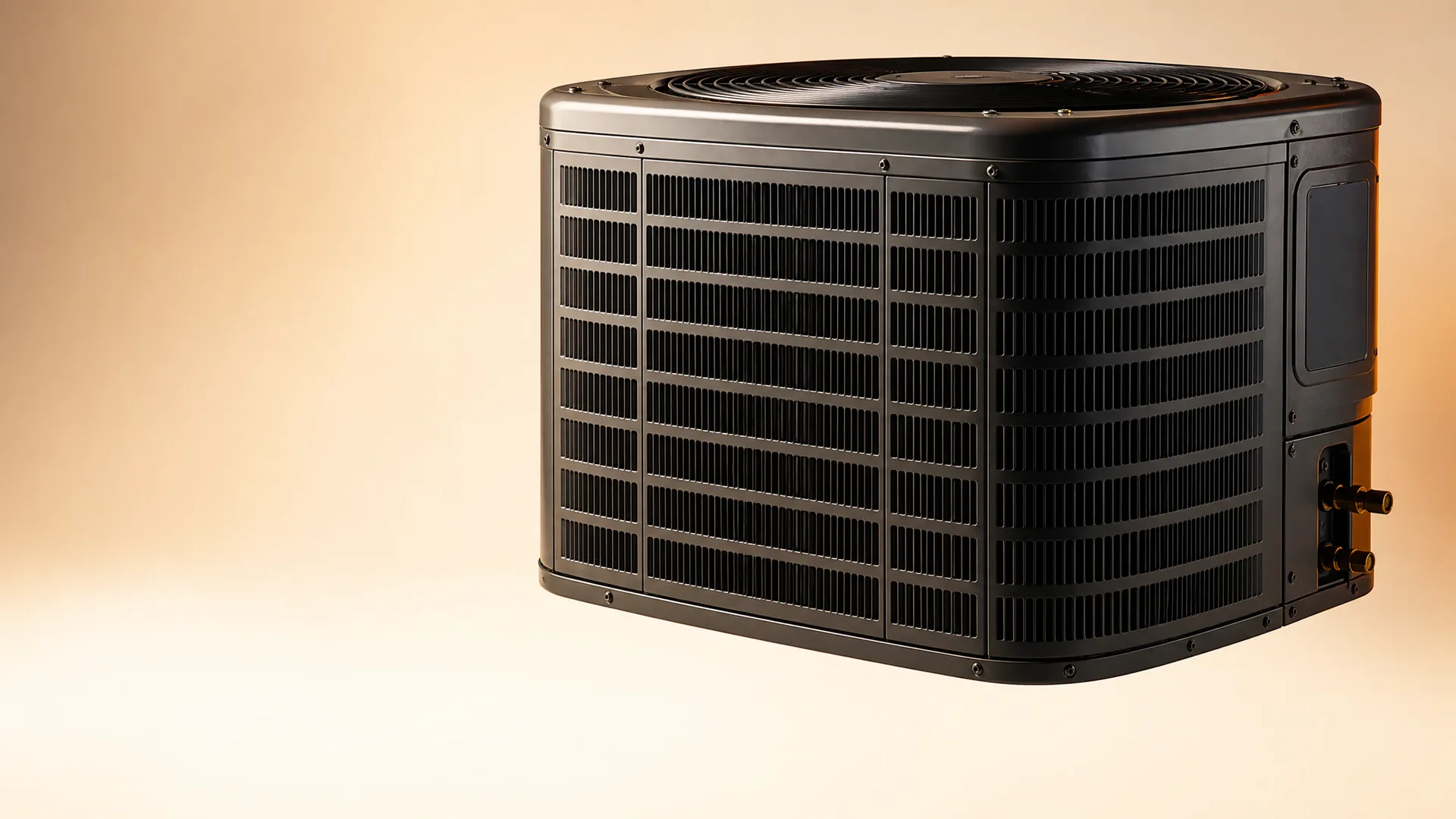
A diagnostic call starts outside at the condenser. The tech sets the thermostat low enough to call for cooling and watches what the unit does. They're checking whether the compressor kicks on, whether the fan turns, and what the pressures look like on a set of gauges hooked to the service ports. Low pressure on one side and high on the other points toward a restriction. Both sides low usually means a leak somewhere in the lines or the coil. Inside, they'll pull the panel off the air handler and check the coil for ice, check the blower wheel for the kind of dust buildup that chokes airflow, and look at the capacitor and wiring for anything scorched or swollen. A capacitor that's supposed to hold a certain charge and tests well under it is on its way out even if it hasn't failed yet. They'll check the condensate line too, since a clogged drain can trip a safety switch and shut the whole system down with no obvious cause. None of this takes long once the gauges are on. Skipping it means guessing, and a wrong guess means paying for a part that wasn't the problem.
What to listen for before you call
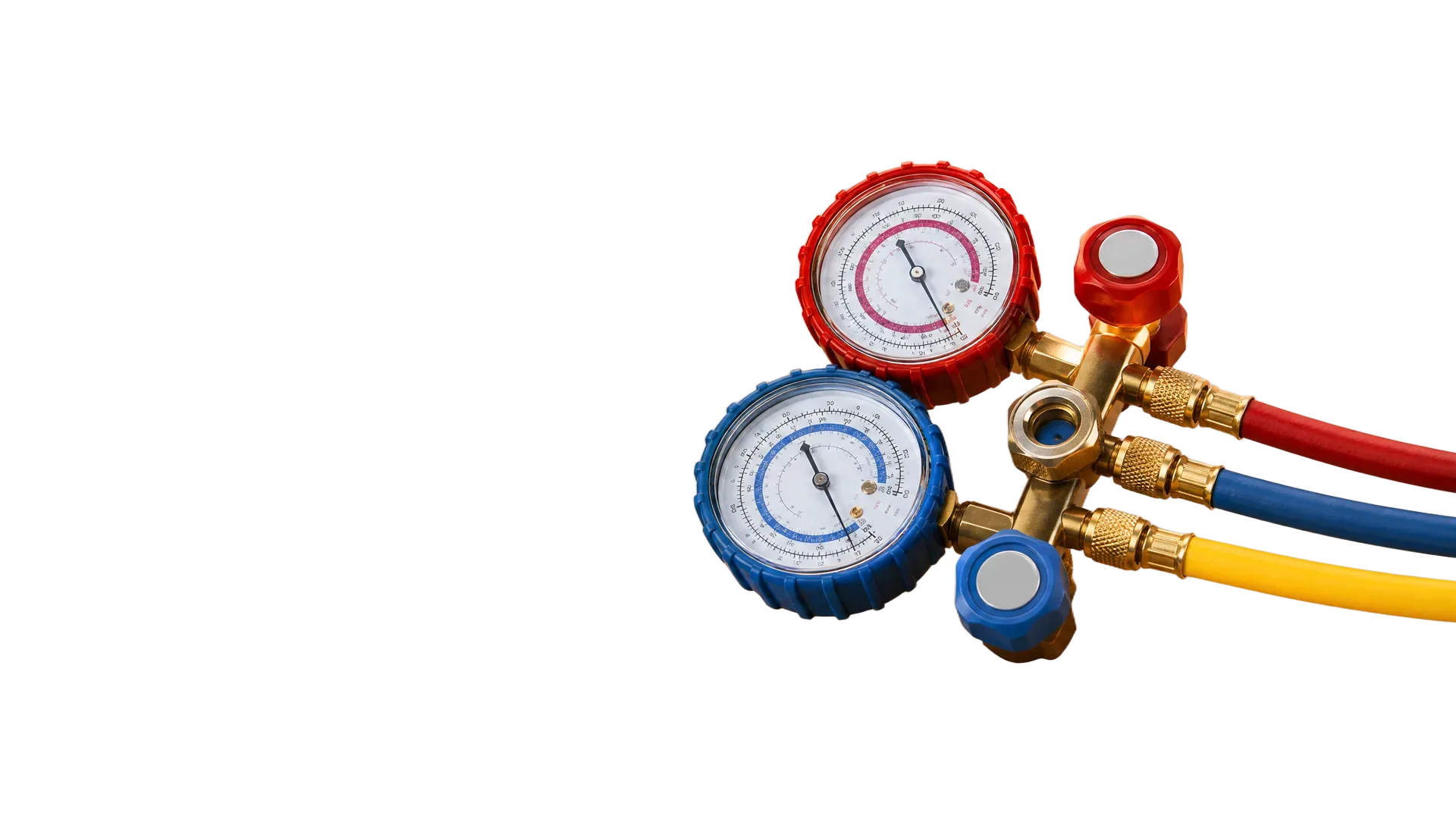
Most calls start with one of a few complaints. The air runs but it isn't cold, the system cycles on and off too fast to cool the house, or it runs nonstop and never gets there. Warm air from the vents usually means the compressor isn't running or the refrigerant charge is low. Short cycling points to a thermostat problem, a dirty filter choking airflow, or a coil icing over. A hissing or bubbling sound near the lines is refrigerant escaping somewhere it shouldn't. A musty smell when it kicks on usually means water sitting where it shouldn't, often a clogged drain line. Ice on the copper line or the coil means airflow is restricted or the charge is off, and running the system more to melt the ice only makes that worse. A burning smell or a breaker that trips when the unit starts is electrical, a failing capacitor or a motor pulling more current than it should. That one is worth shutting off until someone looks at it.
Letting it run doesn't buy you time
A system low on refrigerant keeps running because the thermostat still calls for cooling, and every hour it runs that way is an hour the compressor works oil through the lines without enough refrigerant to carry it back where it belongs. That wears the compressor down faster than the leak itself does. Ice on the coil behaves the same way. Once ice starts forming, airflow drops, which lets more ice form, and letting the system keep running just builds a bigger block of ice that eventually melts into water the drain pan wasn't sized to catch. A capacitor that tests weak won't recover by staying in service. It loses a little more strength each cycle until the motor it's supposed to start can't start anymore, and a bad capacitor turns into a bad motor. In every one of these cases the part that's struggling keeps struggling as long as it's asked to work, and the damage it causes doesn't undo itself once the heat breaks for the day.
Iowa summers don't run hot enough or long enough to be the reason your AC is struggling.
Tell us about the job
Takes about a minute. No obligation.
Answer a few questions about what the system is doing and a local contractor calls to take a look.