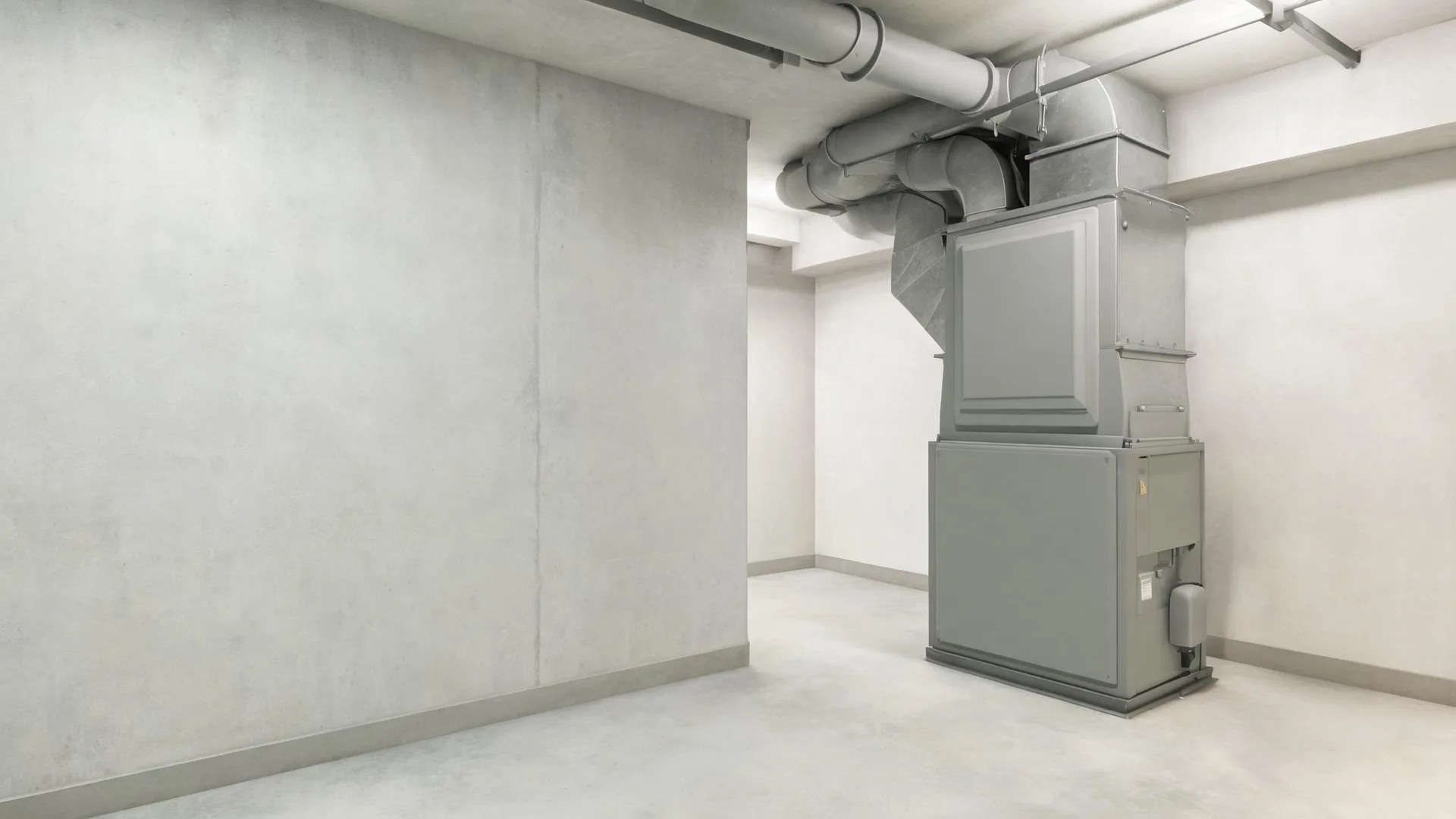
Between visits, you can keep an eye on the filter and swap it when it looks gray or clogged. A dirty filter chokes the airflow across the coil, and the system has to run longer to do the same job. Walk outside too and check the condenser unit. Keep grass clippings, leaves, and mulch away from the sides, and trim back any bushes crowding it. That unit needs open air moving through the fins to shed heat, and anything blocking it makes the compressor work harder than it should. Inside, make sure nothing is stacked against your vents or return grille. If you notice ice forming on the copper lines, shut the system off and let it thaw before you call anyone, since running it iced up can damage the compressor.
3 months
June through August, your air conditioner is on duty
83°F
the average summer afternoon it cools against
34 hail events
in ten years, and hail bends the fins on outdoor coils
49 wind events
in ten years, and wind drives debris into outdoor units
Your air conditioner works hardest from June through August.
Jan
Feb
Mar
Apr
May
Jun
Jul
Aug
Sep
Oct
Nov
Dec
NOAA nClimDiv, 1991–2020 normals
Your AC in Henry County runs about three months a year, June through August.
One visit before summer covers the stretch it actually has to work.
Half the homes here were built by 1968, old enough that a yearly check is what catches trouble early
Half the homes here were built by 1968Cooling runs June through AugustSummer afternoons average 83°F
Skip enough visits and the coil behind the filter collects a layer of dust you can't see from the vent. That layer acts like a blanket, so heat can't transfer off the refrigerant the way it should, and the compressor runs longer to reach the same temperature. Run it long enough in that state and the compressor wears out before its time, and it's the hardest part in the unit to replace. A technician checking refrigerant charge during a visit catches a slow leak before it starves the compressor of lubricant, since the oil travels through the system mixed in with the refrigerant. None of this shows up as a sudden breakdown. It shows up as a system that runs longer and longer to do the same job, quietly, until the day it doesn't start at all.
What a gauge and a meter catch that your ears can't
A tune-up starts with readings you have no way to take yourself. A gauge set on the refrigerant lines shows the charge, and low charge points to a leak working somewhere in the coil or lines. An amp reading on the compressor shows whether it's straining to start, which it will do quietly for a long time before it quits for good. The technician also checks the capacitor, the part that gives the compressor and fan motor their starting kick. A weak capacitor still lets the system run, so you'd never know from inside the house, but it's one of the more common reasons an AC fails to start on the first hot day. None of these are things you'd catch by looking at the unit or listening to it run.
Anyone can hose off the condenser
Rinsing the fins and wiping down the cabinet takes a few minutes and makes the unit look serviced. It doesn't tell anyone whether the charge is right or the contactor is pitted. A quick visit stops at what's visible from the outside.
The real work happens with the panels off
A thorough check means pulling the access panel, checking the contactor for pitting, tightening the electrical connections, and confirming the blower wheel is clean, not just the filter in front of it. If the technician never opens the cabinet, they're not seeing the parts that actually fail.
Book your AC tune-up in May, before homes here start needing cooling in June.
Jan
Feb
Mar
Apr
May
Jun
Jul
Aug
Sep
Oct
Nov
Dec
A tune-up checks the refrigerant charge, cleans the coils, tests the capacitor and tightens the electrical connections.
A proper tune-up covers the drain line as much as the parts that make cold air. The technician flushes the condensate drain and checks the pan underneath, since a clogged drain backs up and spills water right where the air handler sits. They check the blower wheel for caked-on dust, because a dirty wheel moves less air even when the motor runs fine, and that shows up as weak airflow at every vent in the house. The refrigerant lines get checked for insulation that's worn through or come loose, since bare line loses its cooling before the air ever reaches the coil. Thermostat calibration gets checked too, a thermostat reading a few degrees off runs the system longer than it needs to, and you'd never know why your power use crept up. Each of these is a small thing on its own. Skip them all at once and the system runs harder for the same result, which is exactly how a unit ages faster than it should.