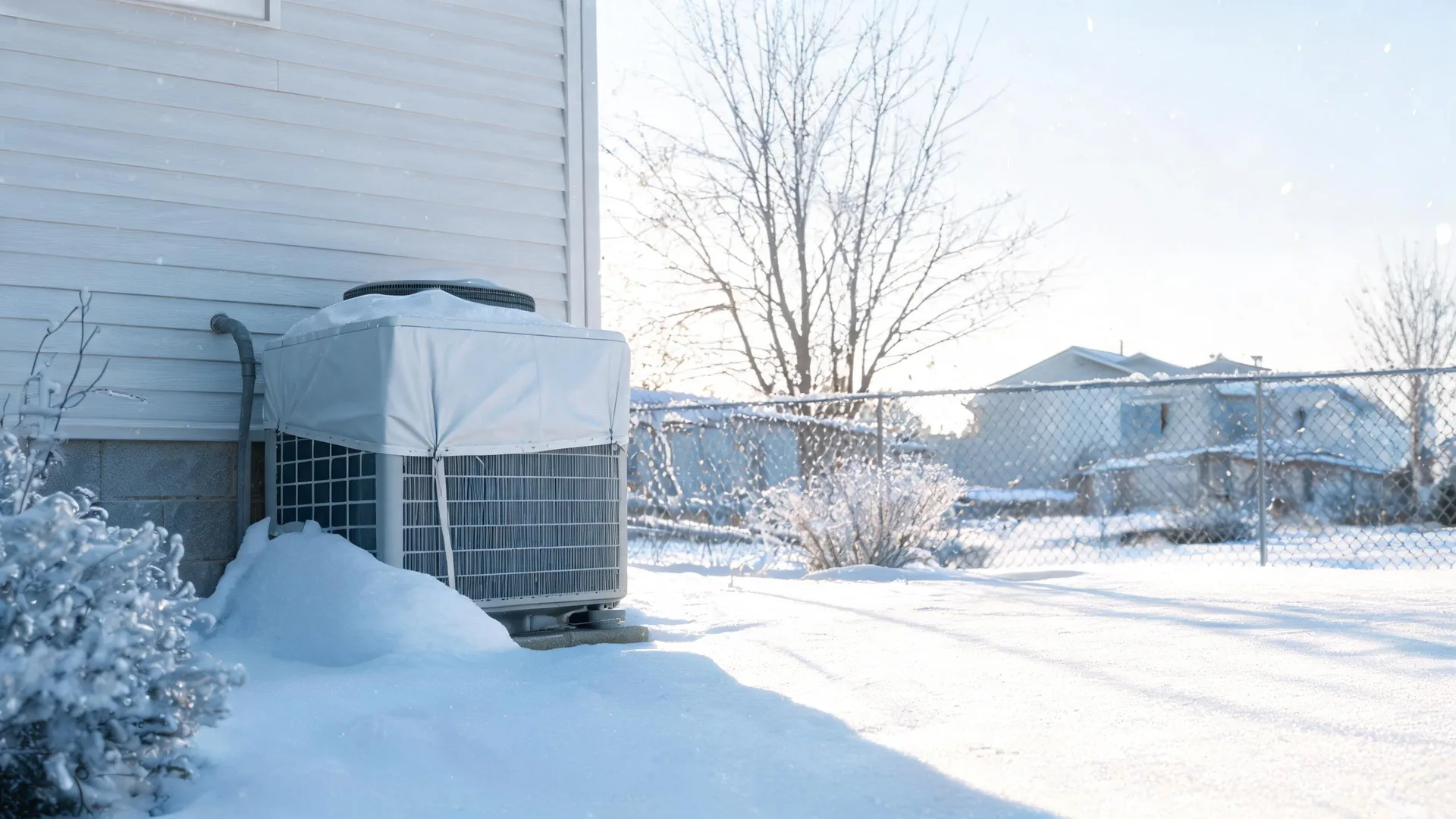
Your AC here only has to carry three months of real work, June through August, with afternoon highs averaging 83. That's a short season, but a steady one, and a system that sat idle through the cooler months needs a check before it starts running daily again. One visit a year, timed before that stretch begins, covers it. Marion County also sees its share of hail and wind, and an outdoor unit left unchecked after a storm can be running on a bent fin or a dented cabinet without anyone noticing. A yearly check catches that too, not just wear from the heat.
3 months
June through August, your air conditioner is on duty
83°F
the average summer afternoon it cools against
70 hail events
in ten years, and hail bends the fins on outdoor coils
79 wind events
in ten years, and wind drives debris into outdoor units
Your air conditioner works hardest from June through August.
Jan
Feb
Mar
Apr
May
Jun
Jul
Aug
Sep
Oct
Nov
Dec
NOAA nClimDiv, 1991–2020 normals
Cooling in Marion County starts up in June and runs through August.
May is the time to get this system looked at, before it has to run every day.
Storms here hit the outdoor unit, not the runtime
193 severe weather events from 2015 to 202415% of homes statewide lost power a day or more in 202479 damaging wind events from 2015 to 2024
A tune-up checks things that don't show up by looking at the unit. A tech measures the refrigerant charge, since a system low on charge will still blow cold air but has to run longer to get there, and that extra runtime is what wears it out early. They check the capacitor's output, not just whether it starts the compressor but how strong that start is, because a weak one can limp along for a while before it fails outright. They look at the contactor for pitting, clean the condenser coil of anything that's settled into the fins and cut airflow, and check that the blower wheel isn't caked with dust that's throwing it off balance. None of that is visible from the driveway, and none of it announces itself until the day the system just doesn't come on.
A quick visit gets you a filter swap and a glance at the gauges. A thorough one gets the cabinet opened up. The tech should pull the capacitor and test it under load, not just check that the compressor kicks on. They should wash out the condenser coil rather than just look at it, since a coil can look clean from a foot away and still be matted underneath. The refrigerant charge gets checked against what the system actually calls for, not topped off by guess. Electrical connections get tightened, because a loose one builds heat over time and that heat is what eventually takes out a contactor. If the visit is over in a few minutes, most of that didn't happen.
The coil keeps doing the job, just worse each year
A condenser coil that never gets washed builds up a film on top of whatever dust is already packed into the fins. The system doesn't shut off because of it. It just runs longer to move the same heat, and that longer runtime is what wears out a compressor ahead of schedule.
A failing capacitor doesn't announce itself
A capacitor on its way out still starts the compressor most mornings. It just takes a harder push to do it, and that strain shortens what's left of its life. Nobody notices until the morning it doesn't start at all, usually on the hottest day of the stretch.
Book your AC tune-up in May, before homes here start needing cooling in June.
Jan
Feb
Mar
Apr
May
Jun
Jul
Aug
Sep
Oct
Nov
Dec
A tune-up checks the refrigerant charge, cleans the coils, tests the capacitor and tightens the electrical connections.
A few things on a tune-up list only matter once a year, not every visit. The drain line is one. Condensate needs somewhere to go, and the tube that carries it away can grow algae or catch dust until it's slow or blocked. A tech checks that it drains clean, because a clogged line backs up into the pan and from there into the house. Refrigerant lines get looked over too, the insulation on the suction line in particular, since worn or missing insulation makes the compressor work harder without any obvious symptom. The thermostat gets checked against the actual temperature in the room, not just whether it powers on, because a sensor reading a few degrees off will run the system longer than the house needs.