
What normal looks like
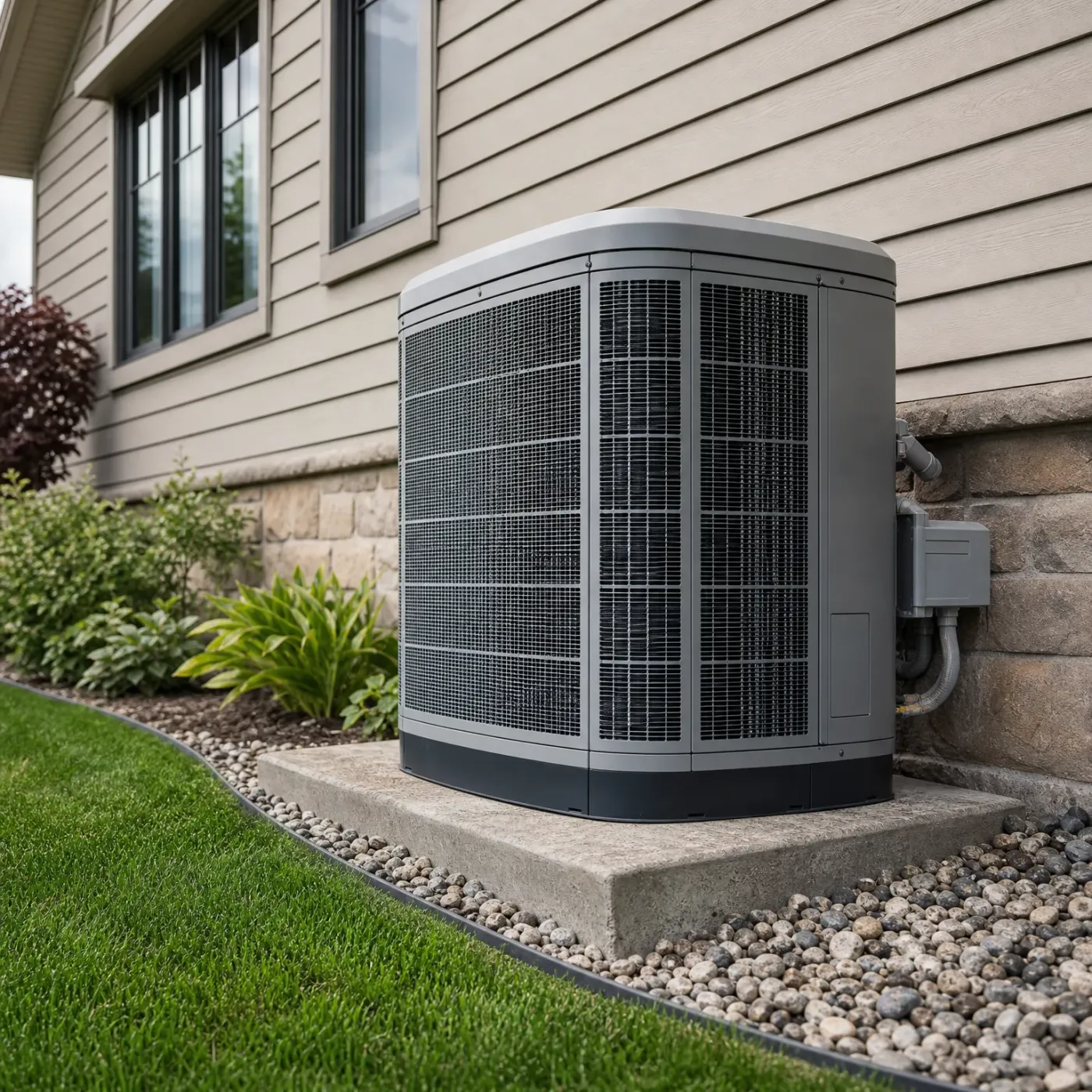
The cabinet is clean, the fan spins free, and the lines running to the disconnect box stay clear except for a light coat of frost right after a defrost cycle ends. Refrigerant moves through without a fight.
A heat pump caked in ice in the middle of a Clinton winter is not something to watch and wait on. A little frost on the coil during a defrost cycle is normal. A unit fully iced over, with the fan iced in place or ice building on the lines, is not. Left alone, it can shut the system down right when you need the heat most. Finding someone who can look at it today usually means working the phone: calling a few companies, explaining the ice and the model and what the unit was doing before it froze, waiting on callbacks, then doing the same thing again with the next name on the list. That is the part you can hand off here. Send the form once and stop chasing contractors around Clinton County. No more repeating the story to every company you call or sorting through quotes on your own. Once it is sent, finding the right person for your heat pump is off your plate.
A heat pump frozen over outside your home in Clinton means the outdoor coil can't pull heat from the air anymore. That coil has to stay cold to move heat into your house, but it still needs to shed frost through regular defrost cycles. When it can't, usually because airflow is blocked, refrigerant is low, or a defrost control has failed, ice builds instead of melting off. In a Clinton winter, with nights well below freezing for months, that ice keeps building once the cycle stops working, rather than melting off between cycles the way it would on a milder day. Once the coil is fully caked, the unit can't absorb outdoor heat at all, so it either runs constantly without warming your house or shuts down on its own protection. Either way, your heat is not working right now, and the system needs a technician to find why the defrost cycle stopped doing its job.
Winter nights average 16°F
Nights averaging 16°F push the coil into defrost over and over, and any fault in that cycle shows up as ice fast.
Heat runs October through May
Heat runs October through May here, so the coil spends eight months a year exposed to the cold that causes freezing in the first place.
Cooling runs June through August
Three months of cooling means the system sits idle part of the year, which is when a stuck valve or bad sensor can go unnoticed until winter.
NOAA nClimDiv 1991-2020
Your heat pump is built to handle frost on its own. Every so often, the system reverses itself on purpose. Hot refrigerant gas gets sent backward through the outdoor coil instead of the indoor one, and that heat melts whatever ice has built up outside. The outdoor fan switches off for those few minutes so it isn't working against the warm-up by pulling cold air across the coil. Inside, some systems switch on electric strip heat so the house doesn't feel the system working against itself outside. A sensor mounted on the coil is what starts all of this. It reads the coil's temperature and tells the control board when conditions call for a defrost cycle. That reading is the whole system. If the sensor is off, or wired loose, or caked in corrosion, the board never gets the signal and never starts the cycle, no matter how much ice is sitting on the coil outside. The compressor keeps running, pulling the system deeper into the same cold it can't shed. There's another way this breaks down even with a working sensor. The reversing valve is the part that actually redirects the hot gas. If it sticks in heating position, the system can call for defrost all it wants, but the coil never sees the hot gas it needs to clear. Either failure ends the same way: a coil that keeps icing over cycle after cycle instead of clearing on schedule.




Explain the heat pump problem once instead of to every shop in Clinton County.
Send the request and finding a pro stops being your problem.
Sending the form costs nothing.


You'll likely notice the outdoor unit running longer than usual, or running all the time without shutting off. The fan might sound labored, or you might not hear it at all because ice has locked the blades. Inside, the air coming from your vents feels cooler than normal, or the system seems to be working hard without actually warming the house. Your electric bill will climb if this runs for days, since the unit is drawing power while barely moving any heat. Left this way through a Clinton cold snap, the compressor can take damage that turns a simple fix into a full replacement.

The cabinet is clean, the fan spins free, and the lines running to the disconnect box stay clear except for a light coat of frost right after a defrost cycle ends. Refrigerant moves through without a fight.

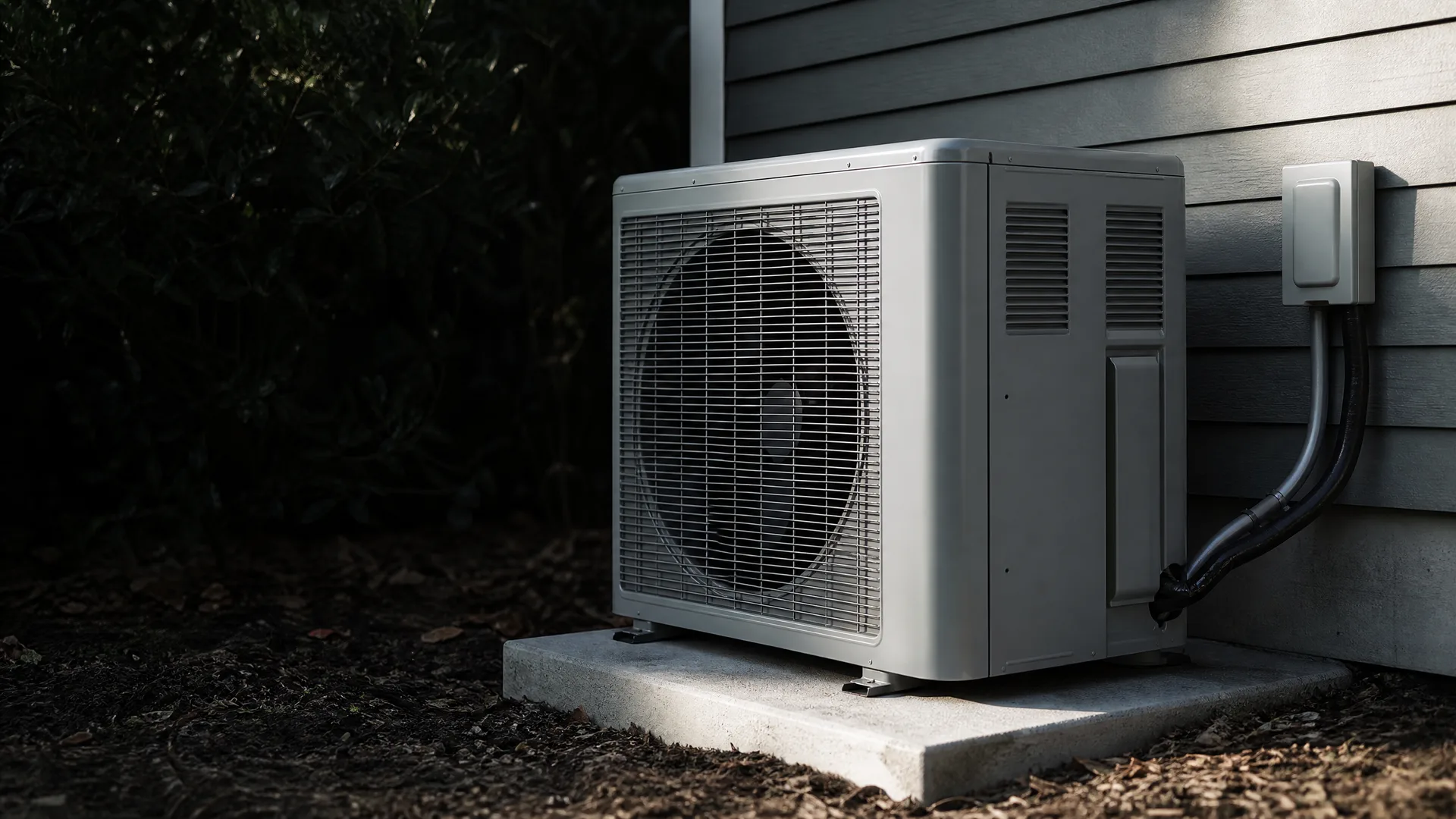
Rust spreading across the top grille and dirt packed around the base are signs this unit has been fighting its coil for a while. A cabinet in this shape often can't shed ice the way it should, even before the freeze sets in.
Why does my heat pump only ice up on one side?
Refrigerant moves through the outdoor coil in a set path, and if one section is coated with dirt or blocked by debris, that part can't give up heat the way the rest of the coil does. It stays colder, so frost builds there first and keeps building while the other side defrosts normally. A bent fin, a section packed with leaves, or a fan that isn't pulling air evenly across the whole coil will all show up the same way: ice on one side, clear on the other. It can also mean refrigerant isn't distributing evenly through the coil, which points to a charge problem rather than something sitting on the surface. Either way, uneven icing is worth having a contractor look at before it spreads across the whole unit.


A heat pump trying to run with ice locking the fan blade is working against something it was never built to push through. The motor draws more current trying to turn a blade that won't move, and that heat has nowhere to go. Left running like that, the motor can burn out, and what started as a frozen coil turns into a motor replacement. Shutting the system off at the thermostat, so it stops calling for the outdoor unit to run, keeps a bad problem from becoming a worse one while you sort out what's wrong.
A heat pump that's iced over outside can still be blowing air inside the house, just not warm air. The indoor blower keeps running on the thermostat's call even after the outdoor unit has lost its ability to pull heat from the air. That's why some homeowners in Clinton don't notice the problem until the house has been cooling for hours. If the air coming out of the vents has gone from warm to lukewarm to cold over the course of a day, the outdoor unit is worth walking out to check, even before any other sign shows up.
At 14.76 cents per kilowatt-hour, every hour your heat pump fights a frozen coil instead of heating your house is an hour of power going toward a problem instead of warmth. A unit stuck in defrost or running nonstop to push through ice costs more to run and still leaves your house cold.
EIA-861 2025
A sensor on the outdoor coil detects temperature and tells the system to defrost.
The reversing valve switches direction, sending hot gas into the outdoor coil.
The outdoor fan shuts off so it isn't cooling the coil back down.
Melted frost drains off while the system briefly runs in cooling mode.

Ice on the coil after a defrost cycle is nothing. Ice that doesn't clear, a fan that's locked solid, or a cabinet caked over is a heat pump that can't get heat into your house and is wearing itself out trying. In a Clinton winter, that's not something to leave until morning.
You don't have to spend your evening on this. No digging through reviews, no calling three contractors and repeating yourself three times, no sitting on hold waiting for someone to call back with a quote. Send the form and the search is done. A licensed contractor who works on heat pumps in Clinton County takes it from there.

Hand off the heat pump problem