Heat pump running all the time in Clinton, IA

RepairHeat PumpClinton County, IA
Step 1 of 2

What ZIP code is the job in?

A heat pump that runs nonstop in the dead of a Clinton winter is usually just trying to keep up. Below about 30 or 35 degrees, a heat pump has to work much harder to pull heat out of the cold outside air, so long run times on a frigid day aren't by themselves a problem. What matters is whether your house is actually getting warm. If it is, the system is doing its job the hard way, the way it's built to. If the air coming out feels cool, if the house stays chilly, or if the outdoor unit is caked in ice, something is wrong, a low refrigerant charge, a failing defrost control, a dirty coil, or a system that was never sized right for your home. Running constantly without warming the house also means your electric bill is climbing for comfort you're not getting, which is worth having looked at before the next cold stretch.

A dimly lit bedroom at night with an unmade bed and pillows, a lit table lamp on a nightstand, and a condensation-covered window showing a streetlight and foliage outside.

It's past eleven and the bedroom is close to eighty degrees. You kicked the sheet off an hour ago and it's still damp where you're lying. The window is fogged at the corners, the glass holding the heat in instead of letting any of it out. You can hear the outdoor unit running, that steady hum that hasn't let up since dinner. Down the hall the thermostat reads four degrees above the setting, same as it did at nine. The dog is stretched flat on the floor vent, sides moving fast. You lie there doing the math on whether it's worth getting up to check the filter again, or just waiting out the night and calling someone in the morning.
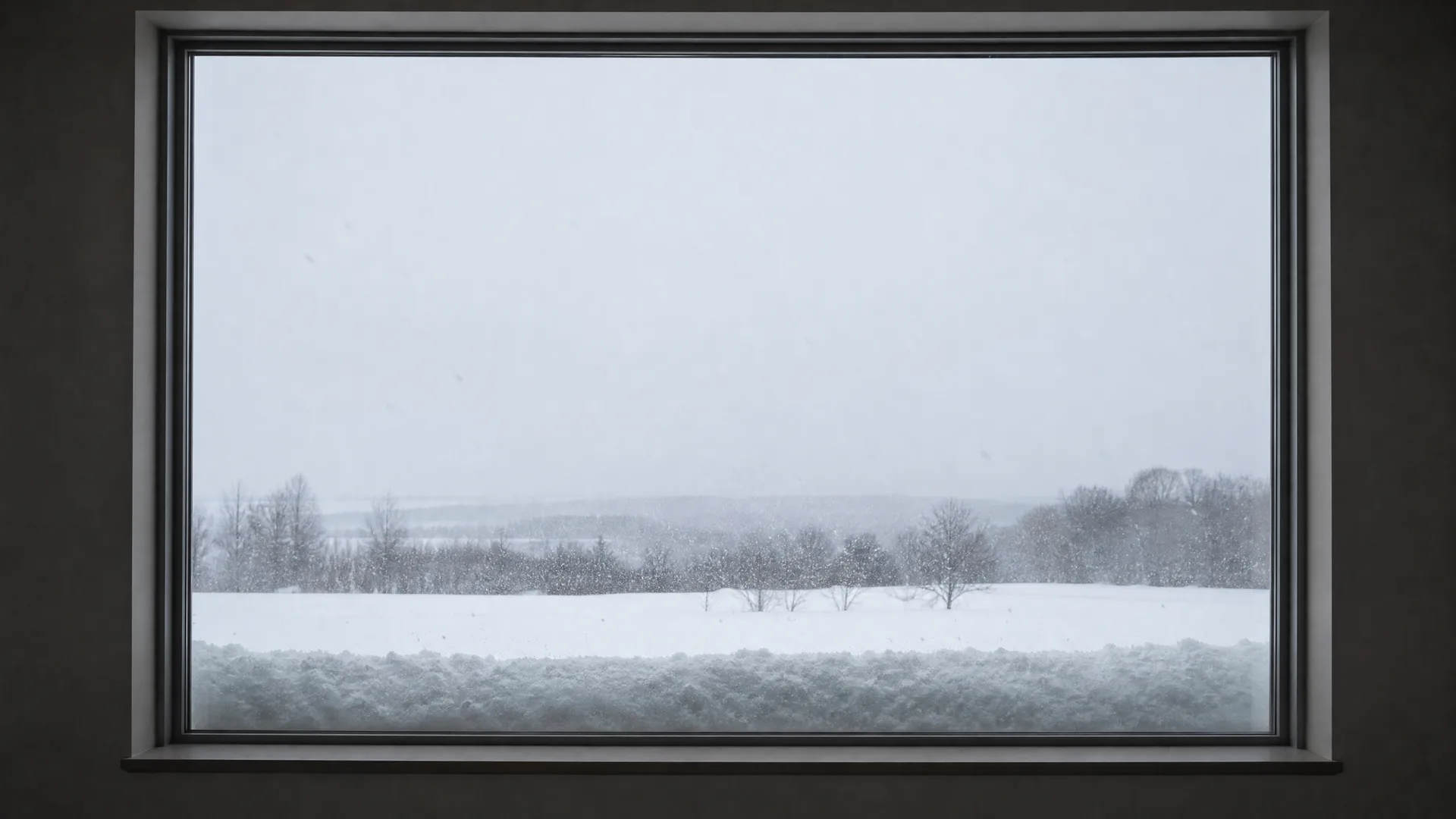
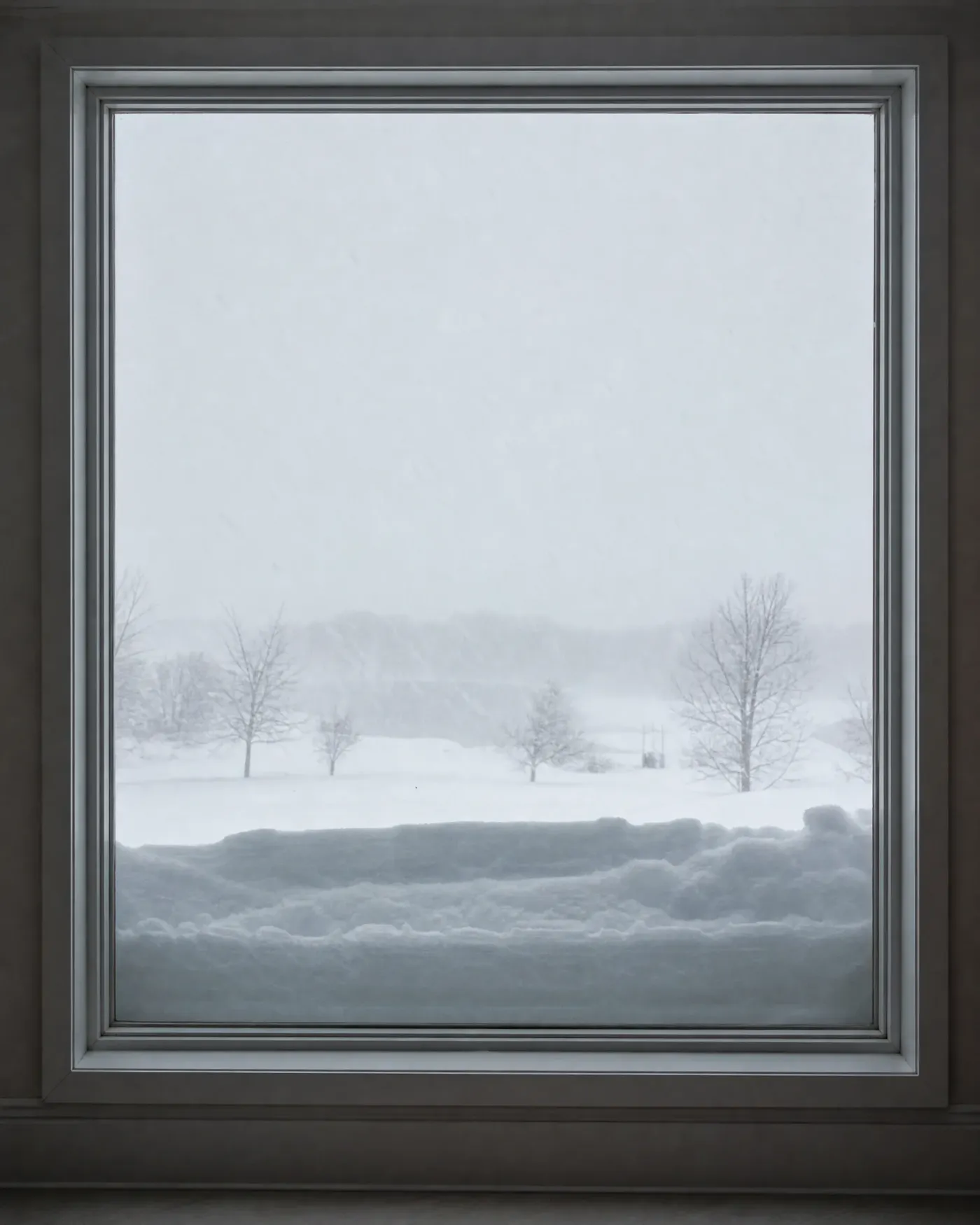
Why does your heat pump have to work so hard here?

  • Winter nights average 16°F

    Nights this cold mean the outdoor air has little heat left to pull from, so the unit runs longer to hold the house steady.

  • Heat runs October through May

    Eight months of heat is a long stretch for any heat pump, and most of those hours happen when the outdoor coil is working hardest.

  • Cooling runs June through August

    Three months of cooling is short next to that, so most of the wear and the long run times you notice come from the heating side.

NOAA nClimDiv 1991-2020

Running nonstop on a cold night can still mean the heat pump is doing its job, holding the house at temperature while the outdoor air gives up less heat the colder it gets.

Running nonstop and losing ground, with the house still dropping a degree or two, means the unit can't keep up anymore and something in it needs a contractor's attention.

A woman with long dark hair in a gray knit sweater sits on a gray sofa with a cushion, looking toward a window in a living room with framed pictures and a lamp in the background.
A woman with dark hair in a bun, wearing a light linen shirt, sits on a sofa and looks to the side, with a window, houseplants and a kitchen with pendant lights blurred behind her.
A woman with long blonde hair in a light blue shirt leans back on a beige sofa with her eyes closed, in a softly lit living room with cushions and a blurred plant and shelf in the background.
A woman with long dark hair in a light grey knit sweater sits on a sofa indoors, looking to her right, with a framed landscape picture, a potted plant and a curtained window behind her.

A heat pump doesn't make heat the way a furnace does. It pulls warmth out of the outside air with refrigerant and moves it into your house, which is why it still runs in January even though that air feels cold to you. A part called the reversing valve is what lets the same outdoor unit switch between heating and cooling, just by changing which way the refrigerant flows. When frost builds on the outdoor coil in freezing weather, the system runs a defrost cycle to clear it, and for a few minutes it can feel like cold air is coming out of your vents. That's normal. On the coldest nights, electric backup heat kicks in to help it keep up, and if your thermostat has been set back and is trying to recover several degrees, the system will run steadily until it catches up. None of that is the same as a unit that's lost refrigerant charge or has a compressor on its way out, which runs long because it's moving less heat than it should, not because the night is cold.

How a heat pump actually heats

  • A heat pump moves heat with refrigerant, so it carries warmth from outside air into your house instead of burning fuel to make it.
  • The reversing valve is what lets the same unit heat in January and cool in July, switching the refrigerant flow depending on the thermostat setting.
  • Below freezing, frost builds on the outdoor coil, so the unit runs a defrost cycle that briefly reverses itself and can feel like it's blowing cold air indoors.
  • Auxiliary or backup heat, usually electric strips, kicks in on the coldest nights to help the heat pump keep up when outdoor air has little warmth left to pull.
  • A thermostat set to recover a big temperature drop will call for heat steadily until the house catches back up, which can look like the system running nonstop.
  • Low refrigerant charge or a failing compressor makes the unit run longer for the same amount of heat, since it's moving less warmth per cycle than it should.
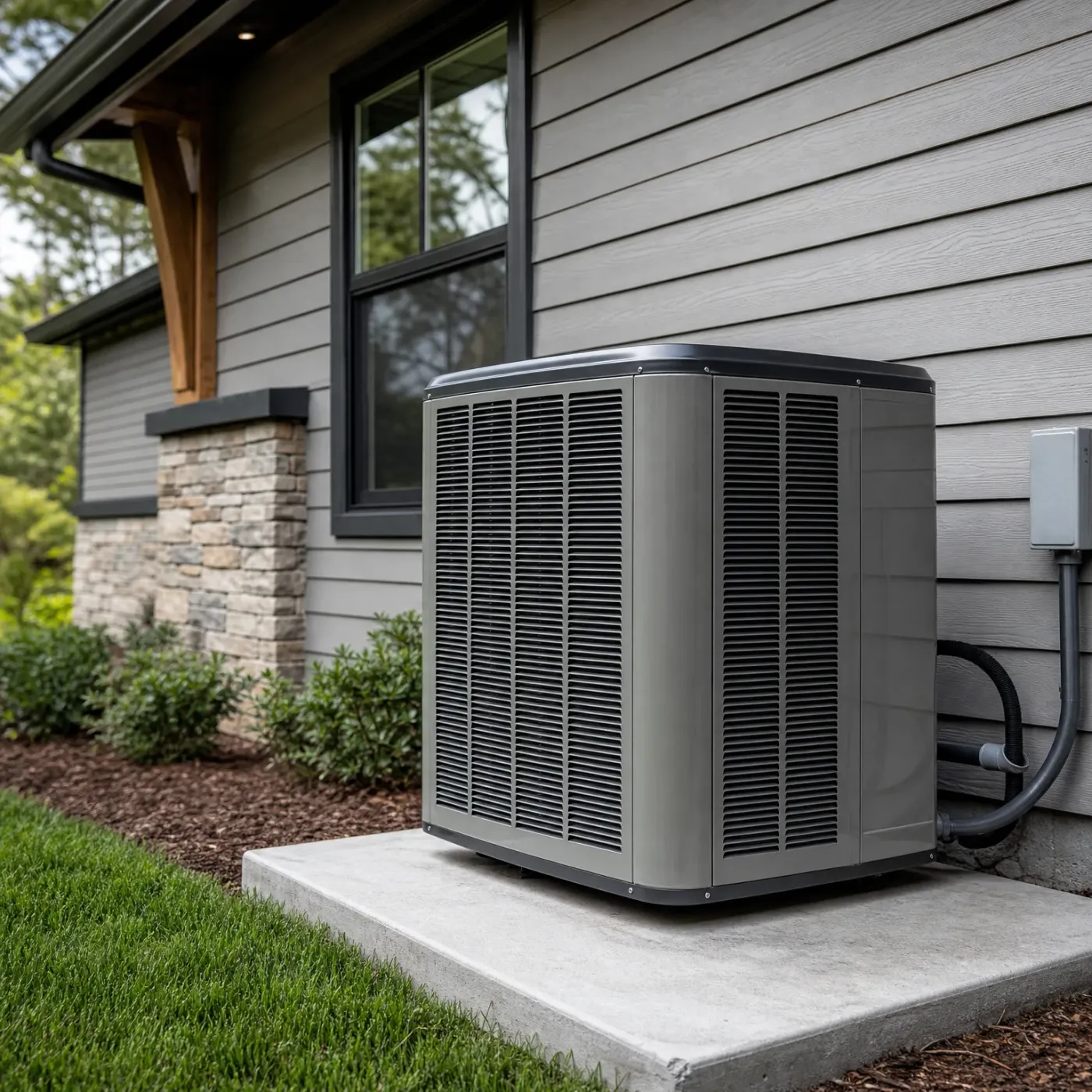
A gray outdoor condenser unit on a concrete pad beside a house with horizontal lap siding, with a wall-mounted disconnect box, conduit and insulated refrigerant lines, a shrub at left and gravel at right.
A clean unit with clear fins can pull what little heat is left from cold air without extra strain.
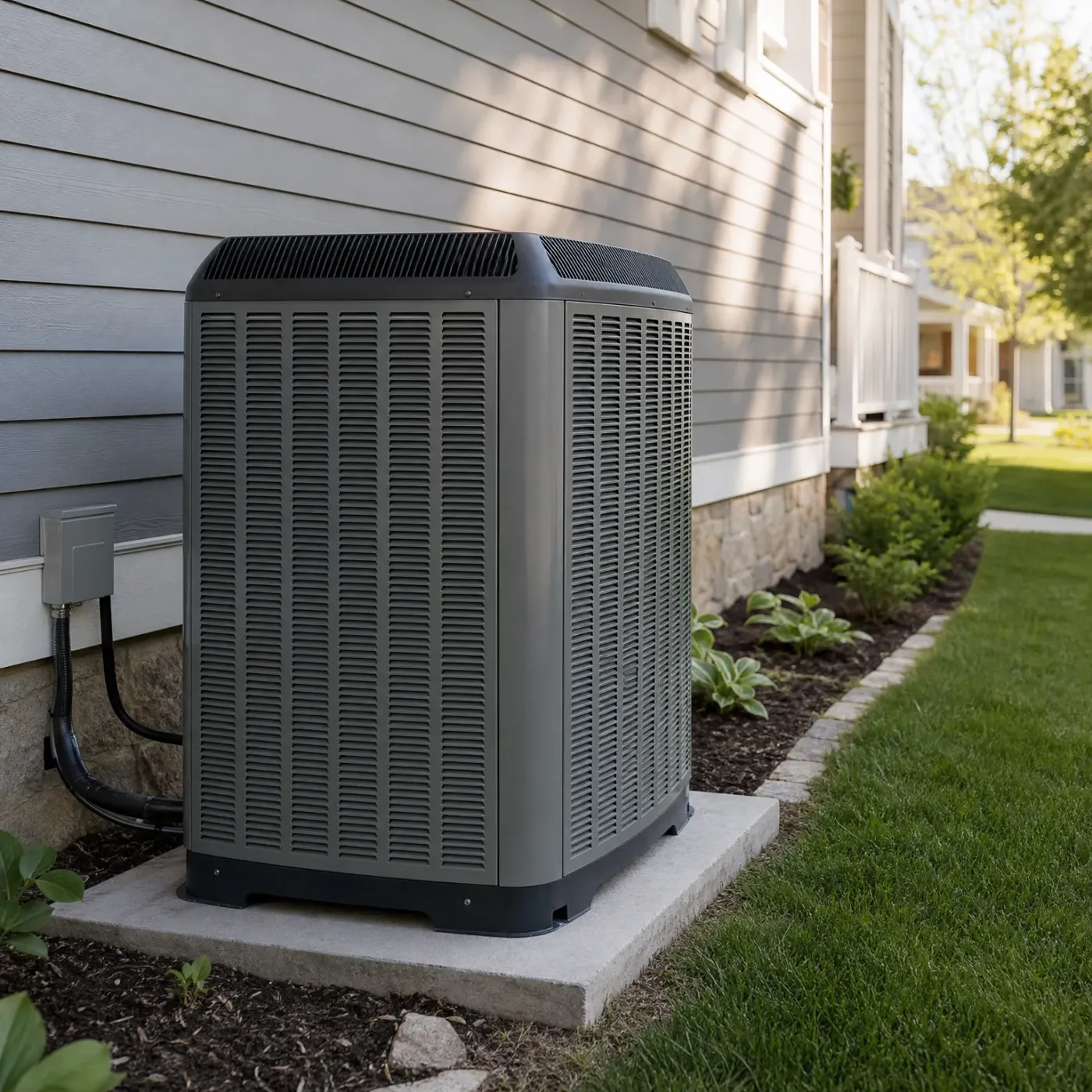
A gray outdoor air conditioning condenser unit on a concrete pad beside a house with light vinyl siding, with a gray electrical disconnect box and conduit on the wall to the right.
Fins packed with dirt and grime block airflow, so the unit runs longer and still falls behind on cold nights.

What's Actually Happening Inside the Unit

  • Defrost mode reverses the cycle for a few minutes, sending hot gas through the outdoor coil to melt frost, which can look like the unit struggling.
  • During defrost the outdoor fan stops but the system keeps running, so you may hear it without feeling warm air right away.
  • A heat pump below freezing often leans on backup heat strips or a furnace to make up the difference, not the compressor alone.
  • The thermostat sets a target and the heat pump runs until it's met, so a wide gap between indoor and outdoor temperature means longer cycles by design.
  • Low refrigerant charge makes the system work harder for the same output, which shows up first as longer run times before anything else fails.
  • A heat pump moves heat rather than making it, so its output drops as the outdoor air gets colder even while it runs the same amount of time.

A heat pump heating your house in January is doing something different from what it does in July, and the parts involved tell the story. Every so often the system goes into defrost. It reverses the refrigerant flow so hot gas runs through the outdoor coil instead of the indoor one, melting off the frost that builds up when cold, damp air passes over cold metal. The outdoor fan shuts off during this, but the compressor keeps going, so you can hear the unit working without feeling warm air at the vents. That's normal and it passes.

What isn't normal is a system that can't close the gap between the thermostat setting and the room. Below freezing, most systems bring in backup heat, either electric strips or a furnace, to cover what the compressor alone can't supply. If that backup isn't kicking in, or the compressor is running long hours even with it, the cause is often simpler than people expect. A heat pump low on refrigerant charge doesn't fail outright. It just works harder for less heat, and longer run times are usually the first sign of it, well before anything stops working altogether. The compressor itself isn't making heat. It's moving what little heat is in the outside air into your house, and the colder that air gets, the less there is to move, no matter how long the unit runs.

An older woman with gray hair in a cream cable-knit sweater stands in a kitchen behind a round loaf of bread on a wooden board, with a window and shelves in the background.
A woman with her hair in a bun sits on a couch with a sleeping child resting against her, both wrapped in a cream knit blanket, with a lit floor lamp, houseplant and dark window behind them.
A gray outdoor condenser unit on a concrete pad beside a house with horizontal lap siding, a stone-veneer column, dark-framed windows, shrubs and mulch, and a lawn in the foreground.

Get matched with a heat pump pro in Clinton County

A licensed pro who repairs heat pumps in Clinton County gets your request.

Get matched with someone who does this kind of work in Clinton County.

Find a heat pump pro

You only hire the pro if you want to.

Heat Pump Alone or With Backup

Heat Pump Alone

  • Below the mid-20s, a heat pump has less and less heat to pull from the outside air, even running well.
  • Run times stretch longer as the temperature drops, and on the coldest Clinton nights the unit may not fully close the gap.
  • If the house holds steady or loses only a degree, the heat pump is keeping up on its own.
  • A unit that was sized and installed for this area accounts for some number of cold snaps through the winter.
  • No backup heat means the thermostat setting is the ceiling on how warm the house gets on a hard night.

Heat Pump With Backup

  • Many systems here pair the heat pump with a furnace or electric strips that kick in once outdoor air gets too cold to pull much heat from.
  • Backup heat covers the hours a heat pump alone would fall behind, so the house holds temperature through single-digit nights.
  • The switchover is usually automatic, triggered by outdoor temperature or by how far the house has drifted from the thermostat setting.
  • If backup heat isn't engaging when it should, the house keeps losing ground even with the heat pump running flat out.
  • A thermostat set too far back can call for backup heat it doesn't need, so where it's set matters as much as the equipment.
A gray outdoor condenser unit sits on a concrete pad against a house wall with horizontal siding above a stone veneer base, with an electrical disconnect box and conduit on the wall and a leafy shrub in mulch to the left.

Running as it should

This is a heat pump keeping pace. The fins are clean, the pad is clear, and the unit cycles on and off instead of grinding away for hours. It still runs long on the coldest days, but the house holds its temperature and the air coming out of the vents feels warm.

An outdoor air conditioner condenser unit on a concrete pad beside a house with beige horizontal siding, with conduit running from an electrical box on the wall.

Running and losing ground

Here the unit never shuts off and the house still drifts a degree or two below the setting. That gap is the sign something beyond the cold is in the way, whether it's a refrigerant leak, a failing part, or a coil that can't pull heat like it used to.

Power here costs 14.76 cents per kilowatt-hour

At 14.76 cents per kilowatt-hour, a heat pump that runs long hours through a Clinton cold snap adds up fast on the bill. A unit that's lost its edge, matted fins or low refrigerant, has to run even longer to hold the house, so you pay more for less heat.

EIA-861 2025

  1. Refrigerant inside the outdoor coil pulls heat from the cold air.

  2. The compressor squeezes that refrigerant to raise its temperature further.

  3. Hot refrigerant moves inside and releases heat through the indoor coil.

  4. The reversing valve flips flow when frost calls for a defrost cycle.

What are you noticing around the house right now

The outdoor unit is running almost nonstop and you can hear it from inside. Rooms far from the thermostat feel cooler than the rest of the house, maybe a sweater-weather kind of cool rather than warm. The air coming out of the vents feels lukewarm instead of hot, even though the system is clearly working. You might notice the thermostat reading a degree or two under what you set it to, especially overnight when it's coldest outside. If this has been going on for days and the house keeps losing ground, that's worth paying attention to. A system that runs constantly and still can't hold the temperature is putting real strain on itself, and in the coldest stretches it can leave the house colder than anyone there wants to be.

An outdoor air conditioner condenser unit on a concrete pad beside a house with horizontal vinyl siding, with refrigerant lines and an electrical disconnect box on the wall and dry leaves on the ground.
Before you get your heat pump repair
A gray outdoor condenser unit sits on a concrete pad beside a house with horizontal lap siding, with a wall-mounted disconnect box and refrigerant lines, mulched beds and a shrub nearby, and a concrete walkway in the foreground.
After you get your heat pump repair
A gray outdoor condenser unit on a concrete pad beside a light-colored horizontal-siding house, with a disconnect box and refrigerant line on the wall, ornamental grasses and a shrub in mulch nearby, and a concrete patio in the foreground.

Clean lines, clear pad

Refrigerant lines run straight to the disconnect box, the pad is clear, and nothing is blocking airflow around the fins. A unit set up like this can still pull heat from cold air without wasting effort on dirt or debris it has to work around.

An outdoor condenser unit on a concrete pad beside a horizontal-sided house, with insulated refrigerant lines running to a wall-mounted box, surrounded by bare dirt.

Age and wear add up

Weathering on the cabinet and conduit worn from years outside don't stop a heat pump from running, but they're often a sign of what's failing underneath. An older unit asked to keep up on a cold Clinton night has less left to give.

A smiling man in a denim shirt and white t-shirt stands in an open dark doorway of a stucco house, facing a woman with long brown hair and a green jacket seen from behind in the foreground.

Where that leaves your heat pump

A heat pump running long hours on a cold Clinton night isn't automatically broken. It's the still-losing-ground houses, the rooms that stay cool, the units coated in grime or short on refrigerant, that point to something a contractor needs to look at. You know which one you've got by now.

If it's the second kind, a local contractor who services heat pumps through winters like this one can look at the coil, the refrigerant charge, and the defrost cycle and tell you what's actually behind the long runtime. Getting matched with one contractor means someone local and familiar with this equipment follows up with you directly, not a handful of companies competing for the job.

Interior corner of a living room with a beige upholstered armchair holding a textured pillow and throw, a eucalyptus arrangement in a ceramic vase on a wooden table in the foreground, a blurred glass-front cabinet behind, and a potted plant on a sunlit window sill.
A gray outdoor condenser unit on a concrete pad beside a light-colored lap-siding house, with a disconnect box and refrigerant lines on the wall, mulched shrub bed and lawn nearby.

Find a heat pump repair pro in Clinton County

Get a local pro

The pro who gets in touch is licensed in Iowa and works in Clinton County.

Asking costs nothing, and the choice to hire stays yours.