Is a heat pump enough for winter in Iowa City, IA

Your new heat pump project goes to an installer who works in Johnson County.

Get my match

On its own, a heat pump struggles once Iowa City winter sets in. It pulls heat from outside air, and that works fine down into the 30s and even the 20s. But once temperatures drop into the teens and below, which happens plenty of nights here from December through February, the unit has less and less heat to pull, and it has to run longer to keep up. Most homes in Johnson County are set up with a gas furnace as backup for exactly this reason, switching over automatically when the heat pump can't keep pace, or set up as a dual fuel system that leans on gas during the coldest stretches. A heat pump alone, with no backup heat source, will leave a house cold on the hardest winter nights. Whether yours is enough depends on what backup it already has and whether that system still kicks in when it should.

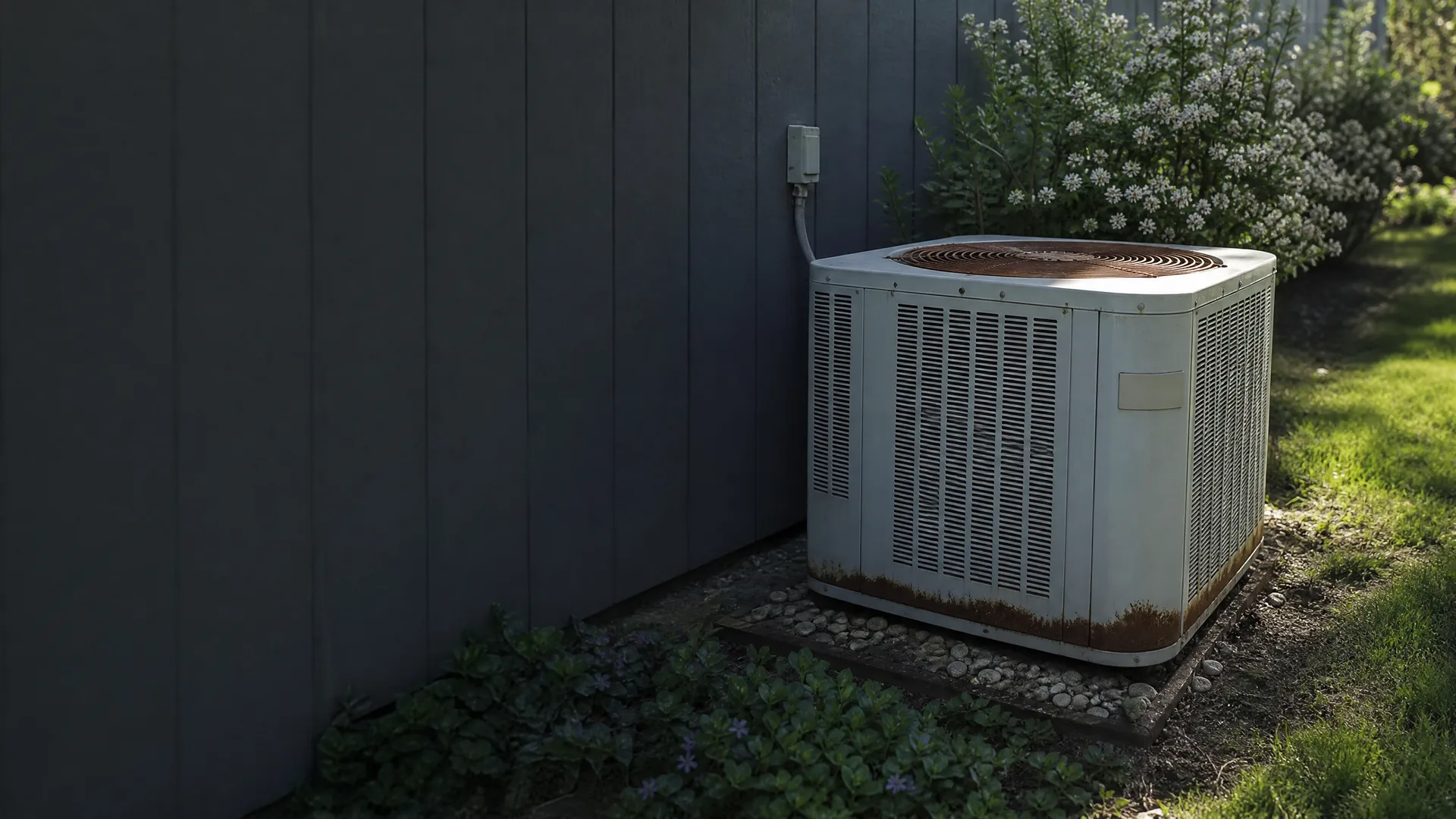
An outdoor air conditioning condenser unit with rust stains sits on a concrete pad beside a dark gray vertical-board house wall, surrounded by gravel, groundcover plants, a flowering shrub, and grass.

You're out in the side yard in March, coiling up the garden hose, and you catch sight of the unit sitting there against the fence. Rust has crept along the base of the cabinet, worse than you remembered from fall. It ran hard all winter, every cold snap that hit Johnson County, and it shows. You crouch down and give the casing a knock, half expecting it to flake. The fan spins up fine when the thermostat clicks, so it's not dead yet. But you stand there a minute longer than you meant to, doing the math on how many more Iowa City winters this one has left in it.


How cold does it actually get, and for how long?

  • Winter nights average 16°F

    Winter nights here average 16°F across December, January and February. That's below where most heat pumps can keep up on their own, which is why a backup heat source matters so much.

  • Heat runs October through May

    Heat runs from October through May here, about eight months out of the year. A heat pump that can't handle the coldest stretch still has to carry the other six or seven months.

  • Cooling runs June through August

    Cooling only runs June through August, about three months. The same heat pump doing double duty in summer is a much easier job than the one it faces in January.

NOAA nClimDiv 1991-2020

A heat pump paired with a gas furnace covers an Iowa City winter without you thinking about it. The system switches over to gas once outdoor temperatures drop too low for the heat pump to keep up, and you never have to flip anything yourself.

A heat pump running alone has to work through nights in the teens and single digits with nothing to back it up. It will run longer, run harder, and still lose ground on the coldest stretches of the year.

A gray-haired woman in a dark sweater sits with a blanket on her lap near a window, looking out at autumn-colored trees, in a living room with a sofa, built-in shelves, and a potted plant on a side table.
A woman with long gray hair in a knit sweater sits on a sofa with cushions and a blanket, looking out a large window toward yellow autumn foliage.
A gray-haired woman in a cream knit sweater sits on a light sofa with a blanket, looking out a window toward yellow autumn trees, with a framed picture and potted plant in the background.
An older woman in a cream knit turtleneck sweater sits on a sofa with a blanket, looking out a window with autumn-colored trees outside, in a dimly lit living room with a lamp, framed art, and a patterned rug.

A heat pump works by compressing refrigerant to pull warmth out of outdoor air, which sounds odd when that air is cold, but there's still heat in it down into the 30s and 20s. The colder it gets outside, the less heat there is to grab, so the unit runs longer to put out the same warmth. Somewhere in the 20s to low teens, depending on the equipment, it stops being able to keep up with the house at all. That's where the gas furnace comes in. A control board watches outdoor temperature against a switchover point set for your system. Once the air drops below that point, the board shuts the heat pump off and starts the furnace, no thermostat fiddling required. The rest of the time, the heat pump handles things on its own, mild nights and plenty of daytime hours through the winter. The furnace only fires when the outdoor temperature actually calls for it, not on a schedule.

How a dual-fuel system decides

  • A heat pump moves heat by compressing refrigerant, pulling warmth out of outdoor air even when that air feels cold to you.
  • As outdoor air gets colder there's less heat in it to pull, so the unit has to run longer to deliver the same warmth.
  • Below a certain outdoor temperature, usually somewhere in the 20s to low teens depending on the equipment, the heat pump can't pull out heat fast enough to keep the house at setpoint.
  • A dual-fuel setup pairs the heat pump with a gas furnace and a control board that checks outdoor temperature against a set switchover point.
  • Once outdoor air drops below that switchover point, the board shuts the heat pump down and fires the furnace instead, without you adjusting anything.
  • The heat pump still handles the milder nights and days on its own, so the furnace only runs when outdoor temperatures actually call for it.
A gray outdoor condenser unit on a raised pad beside a house with horizontal lap siding, with refrigerant lines, conduit and an electrical disconnect box on the wall, and shrubs on a mulch bed to the left.
A heat pump that's clean and clear of debris can pull what warmth it can from the air without extra strain on the compressor.
An outdoor air conditioning condenser unit on a concrete pad beside a house with horizontal siding and a concrete foundation, with refrigerant lines running to a wall-mounted disconnect box and shrubs at left.
Dirt caked on the grille blocks airflow, and the unit works harder for less heat on the nights it matters most.

What's Actually Running Out There

  • A thermostat set to auxiliary or emergency heat locks the system onto backup heat and skips the heat pump entirely, which drives up the bill fast.
  • The reversing valve is what switches the system between heating and cooling, and a stuck valve can leave you with no heat on the coldest morning.
  • Outdoor coils build frost in winter, so the unit runs a defrost cycle that briefly blows cool air, which is normal and not a sign of trouble.
  • A heat pump sized for your square footage on a mild day can fall short once outdoor temperatures drop into the teens, which is why the backup furnace carries more of the load than people expect.
  • Refrigerant charge that's even slightly low cuts into how much heat the unit can pull from cold air, long before it causes a problem in summer.
  • The furnace's gas valve and igniter only fire once the outdoor thermostat sensor tells the system the heat pump alone can't keep up.

Most of what goes wrong with a heat pump setup in Iowa City isn't the heat pump itself. It's the handoff between the heat pump and the furnace backing it up, and the thermostat settings that control that handoff. If someone bumped the thermostat to emergency heat during a cold snap and forgot to switch it back, the heat pump sits idle while the furnace carries the whole load, and the gas bill shows it. The reversing valve is the part that flips the system between modes, and when it sticks, you can lose heat entirely on the coldest morning rather than just losing efficiency. Frost on the outdoor coil is routine, not a failure. The unit runs a defrost cycle to clear it, and for a few minutes you'll feel cool air coming through the vents. That's the system working, not breaking down. What catches people off guard is sizing. A heat pump that keeps a house warm on a 40 degree day can fall well short once the outdoor temperature drops into the teens, and on those nights the furnace is doing more of the work than most homeowners realize. Refrigerant charge matters more here too. A unit running slightly low on charge might never show a problem in July, but in January that same shortfall means less heat pulled from already cold air. The outdoor sensor is what decides when the furnace's gas valve and igniter kick in, reading the air temperature and handing off to backup heat before the heat pump falls behind.

A woman in a cream knit sweater sits with eyes closed in an armchair beside an open window showing orange and yellow autumn foliage, with a mug and books on a small side table.
An older man with gray hair in a navy quarter-zip fleece reclines on a light upholstered sofa with his eyes closed, beside a potted plant and large sunlit windows.
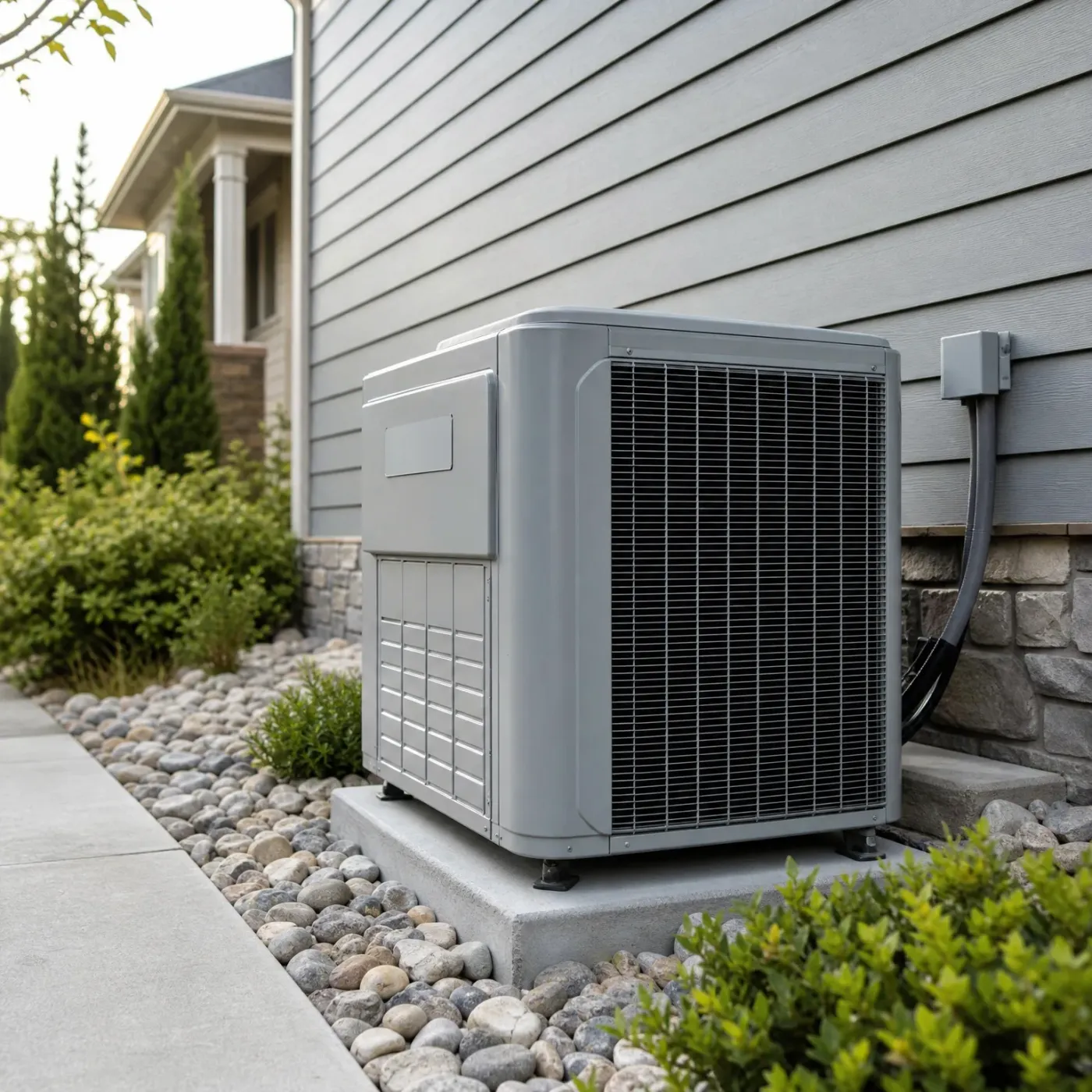
A gray outdoor heat pump unit on a concrete pad beside a house with light gray horizontal lap siding and a stone base, surrounded by river rock and shrubs next to a concrete walkway.

Get matched with a heat pump pro in Johnson County

Skip the round of in-home estimates for a new heat pump.

Get matched with a pro who works on heat pumps in Johnson County.

Request a pro

It costs nothing to send, and you don't have to hire anyone.

Heat Pump Alone or With Gas Backup

Heat pump alone

  • Keeps up fine on nights in the 30s and 20s, which covers a good stretch of an Iowa City fall and spring.
  • Once outdoor air drops into the teens or lower, the unit has to run almost constantly to hold the house at temperature.
  • Without a backup source, the thermostat setting becomes the ceiling on how warm the house gets during a hard cold snap.
  • Lower electric bills through the shoulder months, since the compressor isn't working against single-digit air.
  • No gas line or furnace to maintain alongside it, which simplifies what's in the mechanical room.
  • On the coldest nights of the year, the house may not recover heat as fast as the thermostat calls for it.

Heat pump with gas backup

  • Switches to the furnace automatically once outdoor temperatures pass the point where the heat pump alone can't keep up.
  • Handles a January night at 16°F the same as a 40-degree day in November, without you adjusting anything.
  • Gas is the main heating fuel for most homes in the area, so the furnace side draws on a fuel already priced to heat through winter here.
  • Costs more to install than a heat pump by itself, since it means two systems instead of one.
  • Needs a working gas line and venting for the furnace, on top of whatever the heat pump requires.
  • Two systems means two things that can need service over the years, though each only carries part of the heating load.
A gray outdoor heat pump unit with a large fan grille sits on a concrete pad beside a house with horizontal lap siding, next to a green shrub, mulch bed, and lawn.

Running clean

A heat pump kept clear of dust and yard debris pulls air through the grille without a fight. The compressor isn't straining against clogged fins on top of the work a cold night already demands. That matters most in January, when every bit of airflow counts.

An outdoor air conditioner condenser unit on a concrete pad beside a house with horizontal lap siding, with a gray electrical disconnect box and conduit on the wall and bare dirt and mulch in the foreground.

Caked in grime

Grime like this across the grille blocks airflow before the unit even starts pulling heat from the air. On a mild October evening that might go unnoticed. On a 16 degree night in January, it's one more reason the unit can't keep up on its own.

A weathered outdoor condenser unit on a concrete pad beside a house with light horizontal siding, surrounded by bare dirt and a shrub.
Before you get your heat pump installation
A gray outdoor condenser unit on a concrete pad beside a white horizontal-siding house, with refrigerant lines and conduit running to a wall-mounted disconnect box, bare soil in front and a green shrub at left.
After you get your heat pump installation
  1. Thermostat calls for heat and the heat pump kicks on first

  2. The compressor pulls heat from outdoor air and sends it inside

  3. Outdoor air drops into the teens or below and the unit loses capacity

  4. A thermostat or outdoor sensor signals the system to switch to backup

Is your heat pump keeping the house warm enough this winter

You notice it most in the morning. The thermostat says 70 but the air coming out of the vents feels lukewarm, not hot, and it takes a long time to catch up. On the coldest nights you might hear it running almost without stopping, or you might find the backup heat kicking in more than it used to. Some rooms stay colder than others, especially ones farther from the unit. If the system has felt like it's working overtime since the temperature dropped, that's the heat pump losing ground against the cold, not a sign anything is broken. Left alone on the coldest stretches, a house that can't keep up with a January night is more than just uncomfortable, it's a system running near its limit with nothing to back it up.

A gray outdoor condenser unit on a concrete pad beside a beige vinyl-sided house, with a wall-mounted disconnect box, flexible conduit, mulch bed, shrubs and a concrete walkway in front.

Clean and clear

A heat pump kept free of leaves and grime sits ready to work, lines and disconnect box exposed and easy to check. Air moves through the coil without resistance, so the compressor isn't fighting dirt on top of a cold night. That's one less thing standing between you and a warm house in January.

An outdoor air conditioner condenser unit on a gray composite pad beside a house with horizontal lap siding, with refrigerant lines and a conduit running to a wall-mounted disconnect box, and a shrub at left.

Caked with grime

Years of dust and yard debris have built up across the cabinet and coil. The unit still runs, but it's pulling air through a layer of grime instead of around it, so it works harder for less heat. On a night in the teens, that's capacity you don't have to spare.

Power here costs 13.00 cents per kilowatt-hour

At 13 cents a kilowatt-hour, running the heat pump itself stays cheap even on nights it works hard to keep up. The cost in a hard winter comes from backup heat kicking in, not from the compressor doing its job.

EIA-861 2025

A woman in a cream sweater and jeans pushes open a wooden front door of a white stucco house with a tile roof, with a second person visible inside and lantern wall sconces on either side of the arched entry.

So, is a heat pump enough on its own

A heat pump alone will not get an Iowa City house through January. It needs a furnace behind it for the nights in the teens and below, and this area has plenty of those between December and February. Paired with gas backup, the two work together without you touching the thermostat, and that's the setup that holds up here.

If your system doesn't already pair the two, or you're not sure whether the backup heat is sized right for how cold it gets where you live, that's worth having someone look at rather than guessing through another winter. A contractor who knows Johnson County winters can tell you what your house actually needs, so you're not calling around to three different companies and explaining the same thing three times just to get a straight answer.

A light-colored ceramic vase holding green leafy branches sits on a round wooden table, with a wooden-framed armchair draped in a cream throw, a tripod floor lamp, and sheer curtains blurred in the background.
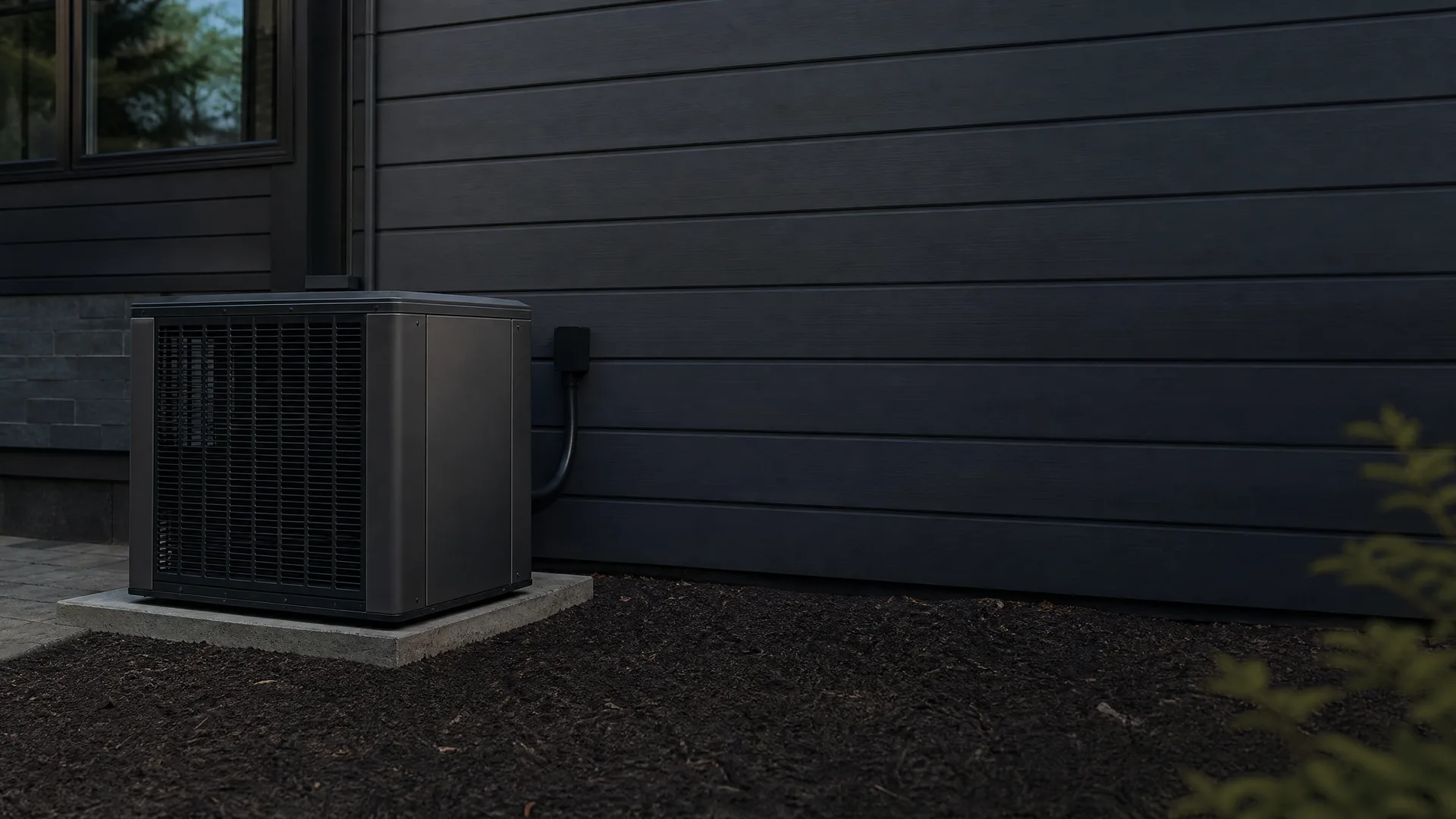
A dark outdoor condenser unit on a concrete pad beside a dark horizontal-plank house wall, with a refrigerant line entering the wall and mulch landscaping in the foreground.

Find a heat pump installation pro in Johnson County

Describe the project once instead of to every installer.

New system or replacementHeat PumpJohnson County, IA
Step 1 of 2

What ZIP code is the job in?