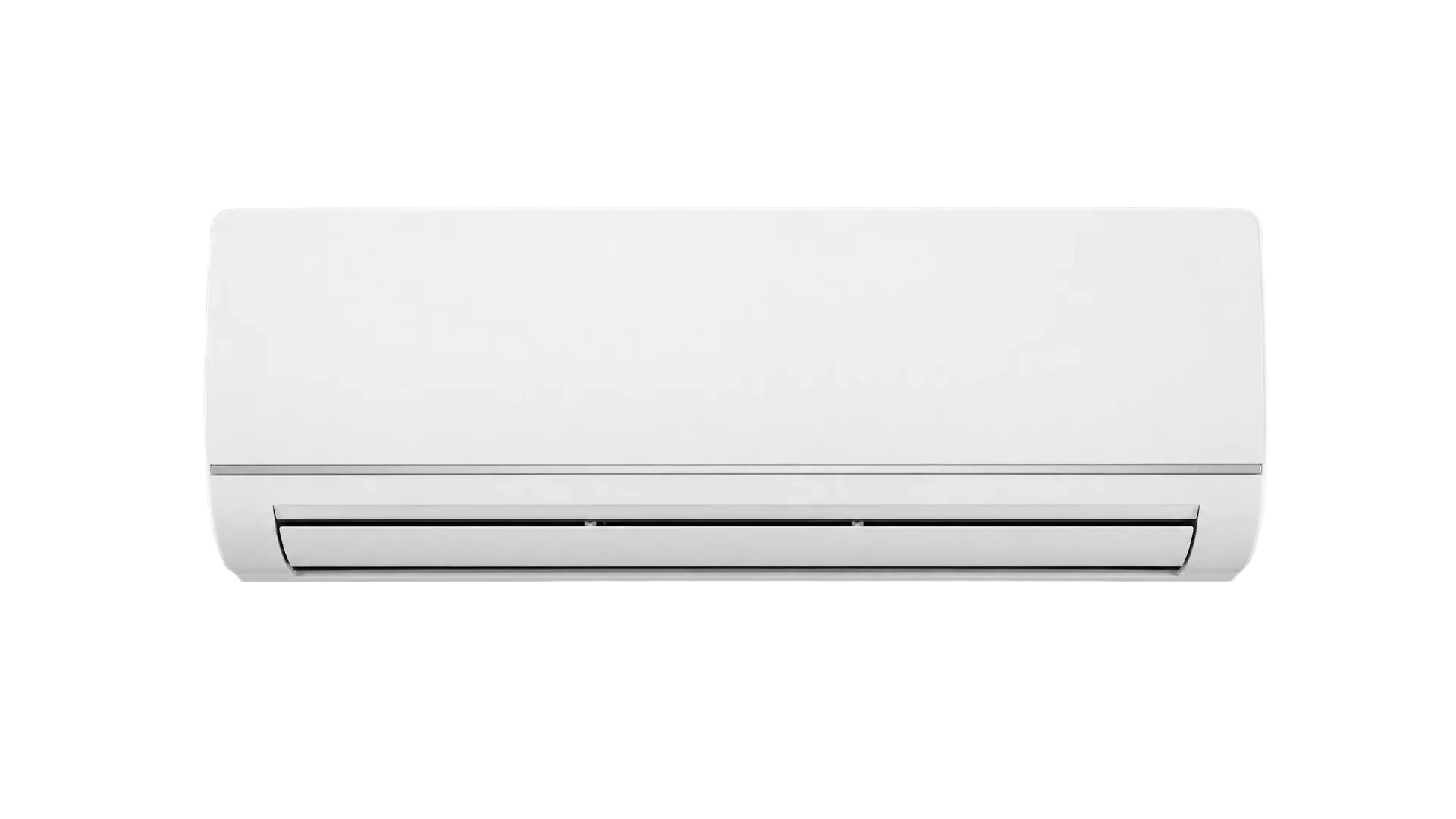
Is a mini split good for an older home here in Iowa?
Your house is older and it probably heats with a gas furnace, the way most homes around here do. No ductwork changes, no gas line work, just a mini split added on. You want to know if that actually makes sense for a house like yours, or if it's better suited to newer construction.
Yes, a mini split works well in an older Iowa home
A mini split doesn't need the ductwork your house may or may not have, since it runs on its own line set to each indoor unit. That makes it a good fit for additions, finished attics, or rooms your furnace never quite reaches. It also gives you cooling that doesn't depend on central air, which matters once summer gets sticky and humid the way it does here. Your gas furnace can keep handling the rest of the house through winter. The mini split just takes over where you need steady, separate temperature control, without touching the gas lines or ducts already in place.

An installer finds a spot on an exterior wall for the unit.
A small hole gets drilled through the wall for the line set.
Refrigerant lines, wiring and a drain line run through that hole.
The indoor head mounts high on the wall and connects in.




A mini split doesn't touch your furnace or your ductwork. It runs on its own circuit and handles one room or a few, while the furnace keeps doing the rest of the house like it always has.
That matters here because power is cheap and gas heat is what most of Iowa already relies on. You're not replacing a system that works, you're giving the muggy months their own answer.


Think about the one room that never keeps up. Maybe it's over the garage, or it's the addition that went on years after the rest of the house, and the furnace ducts just don't reach it the way they should. A mini split gives that room its own thermostat, answering to nobody else's schedule. If you've got a window unit wedged in there every summer, rattling and leaking onto the sill, that's gone once the mini split is in. The install itself needs an exterior wall with a clear path through to the outdoor unit, and not every wall qualifies. Plaster, brick behind the siding, that kind of thing can push the installer toward a different spot than you had in mind. Once it's running, you're paying to condition one room instead of asking the whole furnace or the central air to fight for a space it was never built to cover. For a house with a gap like that, it's a fix sized to the actual problem instead of the whole system.
What This Looks Like In Your House
- A mini split in the room over the garage or the back addition can take that space from barely tolerable to comfortable without touching the rest of the house.
- An old window unit propped in the sill all summer can come out for good once a mini split covers that room.
- The wall it mounts on needs to be exterior and clear enough for the line set to run straight through to the outdoor unit.
- A room that never gets enough airflow from the furnace ducts in January can get its own heat source that answers only to its own thermostat.
- Running one mini split head for a single room costs less than running the whole furnace or central air to cover a space it was never sized for.
- A plaster wall or one with brick behind it can change where the installer is willing to drill, so not every wall in the house is a candidate.


One Room or the Whole House
Mini split alone
- It heats and cools one room or a few, not the whole house, so a back addition or a room over the garage gets covered on its own circuit.
- Your gas furnace keeps running for the rest of the house, so you're not asking one system to do a job it wasn't sized for.
- In summer it can pull the humidity out of that one space better than a window unit ever did, since it runs longer at a lower speed.
- It won't help a drafty room with a bad wall or a leaky window, because it's adding capacity, not fixing what let the heat or cold in to begin with.
- You still pay for two systems to maintain, even though only one of them covers most of the house.
Whole-house swap
- A full mini split system with multiple indoor heads can replace the furnace entirely, so there's one system instead of two.
- It means losing the gas furnace, and gas heat is what most homes here already run on and are set up for.
- Installing enough heads to cover an older home's layout means more holes through more walls and more indoor units to live with.
- Without ductwork already in place, covering every room means a head in nearly every room, which changes how those rooms look.
- Iowa winters ask a lot of a heat pump, so the furnace backup that a single mini split leaves in place is gone.
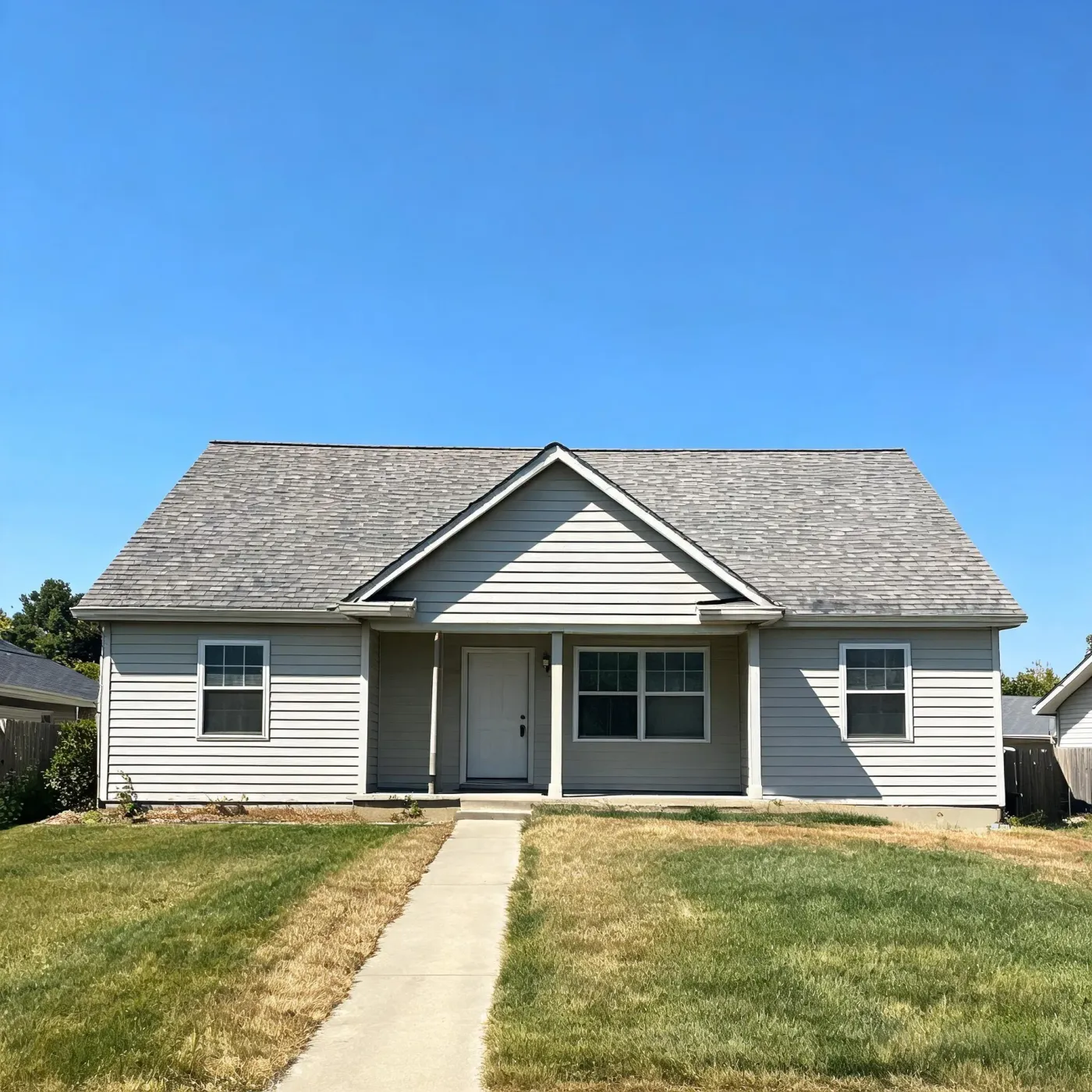
Summer air here averages a 62°F dew point across June, July and August, by NOAA's numbers. That's sticky, the kind of air that sits on your skin even after the temperature drops in the evening. A mini split pulls that moisture out of the room it covers, not just the heat, so the room over the garage or the back addition actually feels dry, not just cooler. A window unit fights the heat and leaves the damp behind. Once you're done comparing contractors and picking one, the unit itself does the rest of that work on its own circuit, all summer.
NASA POWER T2MDEW county cells weighted by homes
A local pro for your mini split installation
A mini split fits your old house because it doesn't ask the house to change. No new ducts, no gas line work, no tearing into walls beyond the one small hole the line set needs. That's what makes it worth doing in a place where most homes already heat with gas and the furnace is fine where it is. Where it actually helps you is the room that furnace never quite reaches, or the summer afternoon when the air outside sits heavy and that back room holds onto it longer than the rest of the house. Finding someone to put one in is the part that takes your time: looking up installers, calling a few, describing the same room and the same wall to each one, then weighing quotes that aren't quite comparable. Hand that off and what's left is deciding where the unit goes and living with a room that finally keeps up with the rest of your house.
What a mini split won't cover
A mini split in the back addition or the room over the garage does that room well. It won't pull cold air down the hall or warm up the bedrooms on the other end of the house. If your old furnace already struggles to reach certain rooms, a mini split added somewhere else doesn't fix that. It's built to handle the space it's in, on its own thermostat, and nothing past that wall. Anyone sizing the unit should be sizing it for the room it's going into, not the square footage of the house. Ask what happens to the rooms the mini split doesn't reach, because the answer is nothing changes there.
What it does instead
What you get is one room that finally holds a set temperature through a muggy July afternoon or a January cold snap, without waiting on a furnace and ductwork built for the whole house to catch up. You stop propping a window unit in the sill or running a space heater that drives up the bill. The rest of the house goes on the way it has been, furnace and ducts doing what they've always done. For a single problem room in an older house, that's usually the actual ask, not a replacement for the heating and cooling you already have.
Power costs 13.62 cents per kilowatt-hour statewide
Running a mini split to cool or warm one room costs little here. At 13.62 cents a kilowatt-hour, a unit covering a back addition or the room over the garage adds only a small draw on top of what your furnace and the rest of the house already use.
EIA-861 2025 statewide residential average
Where this leaves you
- A mini split works in an older Iowa home because it adds capacity to one room without touching the furnace or ductwork.
- Your gas furnace keeps heating the rest of the house the way it always has, so nothing about your main system changes.
- The sticky summer air in a back addition or a room over the garage gets handled on its own circuit, cheaply, given local power rates.
- A mini split won't fix rooms your furnace already struggles to reach on the other end of the house.
- The install itself is small, one hole through an exterior wall for the line set, nothing more invasive than that.
- Finding a contractor who installs these well, and sorting through quotes to compare, is the part you don't have to do alone.
A mini split makes sense for an older Iowa home when what you need is one room fixed, not the whole house redone. The back addition or the room over the garage gets its own circuit, pulling the sticky summer air down and keeping the winter cold out, while your gas furnace keeps doing what it's always done for everywhere else. Nothing about your main system gets touched. No ducts get rerouted, no gas line gets opened up, just one hole through an exterior wall for the line set. That's the whole footprint.
It won't solve a room your furnace already can't reach well, and it isn't meant to replace the furnace anywhere in the house. It's a fix for the one space that's never been comfortable, added onto a heating setup that's otherwise working fine.
What's left is finding someone who installs these correctly in a house like yours, and that's the part that eats time. Calling around, explaining the room and the wall and what you're trying to fix, getting quotes back that aren't quite comparable because every contractor priced out something a little different. You don't have to do that part. Getting matched with a contractor who handles mini splits and installs them in older homes around here means you explain it once, to someone who already knows what you're asking for.

Mini Split Installation
Get the right pro for your mini split

- Say what's going on with your mini split, and a pro who works on them reaches out.
- A local pro who knows mini splits gets your details and gets in touch.

- One request ends the search for a mini split installer.
- Send the form and the search for an installer is over.

- Answer a few questions instead of calling shop after shop.
- Describe your mini split job once, to one pro.

- One installer gets your project, so there's no bidding war over it.
- Only one pro gets your request, so you hear from one company.