
Keep the mini split
You keep cooling that one room fast through sticky summers and skip the wait for your gas furnace or central air to catch up on space they weren't set up to handle.
You already put in for a mini split, maybe to cool a room the main system never handles well, or to cover a space with no ductwork. Now you're wondering if it was the right call for a house in Iowa, where gas heats most homes and summer humidity is the real test for any cooling system. You want to know if the thing will actually earn its keep here.
A mini split pulls humidity out of the air directly in the room it serves, which matters in Iowa summers when the air gets heavy and sticky for weeks at a time. It cools that space faster and more evenly than a vent at the end of a long duct run ever will. In winter, most Iowa homes still lean on gas furnaces, so the mini split isn't replacing that system. It's picking up the room the furnace struggles to keep warm, a bonus space or an addition, without the cost of extending ductwork to it. With electricity priced low here, running it for that one room or zone doesn't add much to the bill. Where it earns its keep is in comfort the main system can't reach on its own.






At that rate, running a mini split to cover the room your furnace or central air struggles with costs you less than it would to force that main system to work harder. Cheap power is exactly what makes a mini split worth keeping, not just installing.
EIA-861 2025 statewide residential average
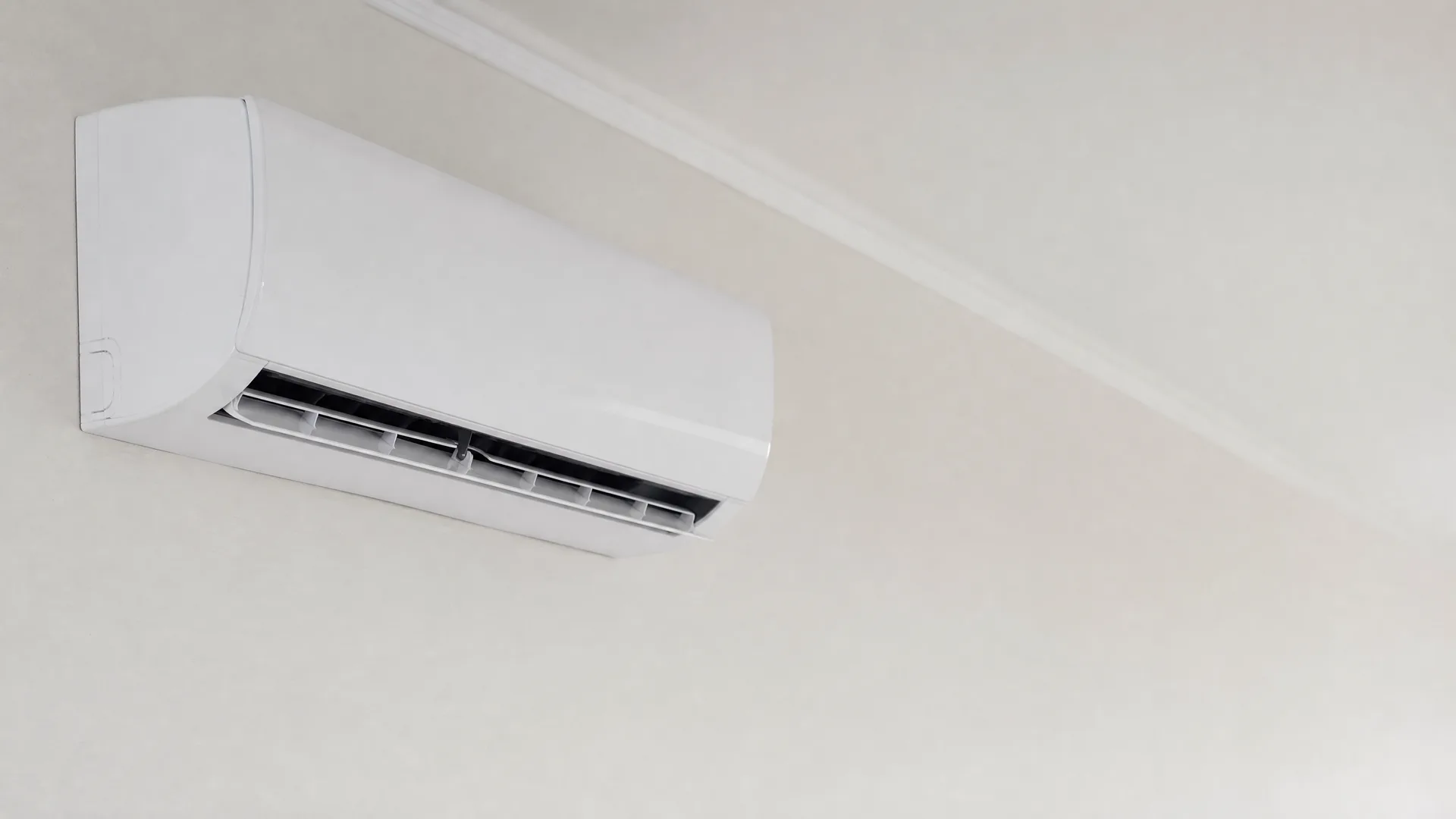
A mini split moves heat instead of burning fuel to fight it. The indoor unit pulls heat and moisture out of the air in that one room and the outdoor unit dumps it outside. That's why it handles the sticky stretch of summer in a room your central air never quite reaches. No ducts carry that cooled air anywhere else. It works that room and only that room, which is the whole reason it earns its keep.
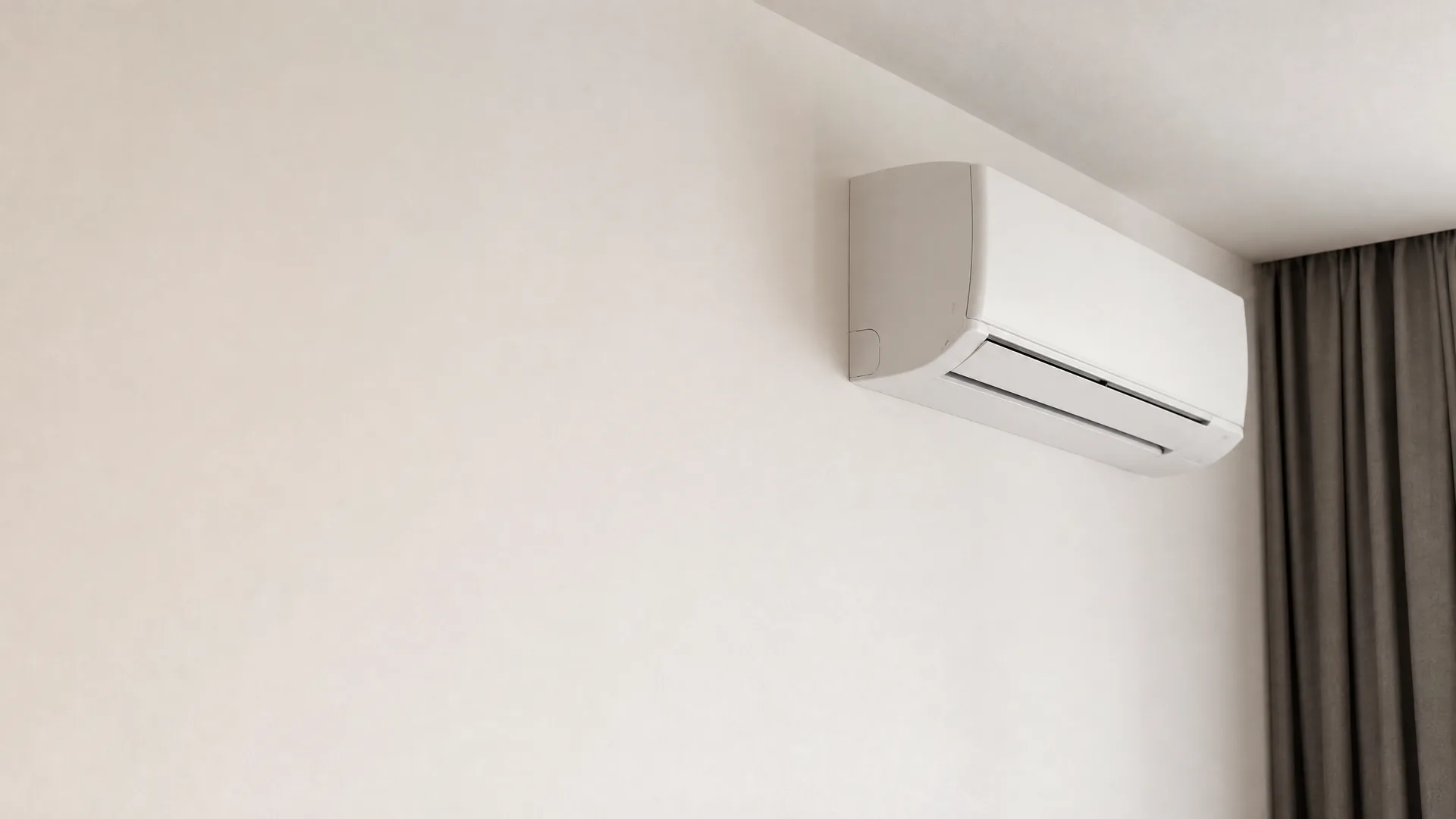
Most of the work a mini split does happens at the outdoor compressor, and a good one adjusts its speed to match the room instead of just switching on and off. That's a different design than the fixed-speed compressor in a lot of central air systems. Running at a lower speed most of the time, instead of cycling full blast, is what keeps a mini split cheap to run through an Iowa summer once it's installed right.
Stand in that room on a sticky afternoon and you'll know fast. A mini split working right drops the temperature within a few minutes and the air coming off the indoor unit feels cold, not just moving. If instead the room stays muggy, or the unit runs and runs without the space ever quite catching up, that's worth paying attention to. Check the outdoor unit too. If it's buried in leaves or sitting too close to the siding, airflow gets choked off and it has to work harder to do the same job. A mini split that's struggling doesn't just cost you comfort in that one room, it can push your gas furnace or central air to pick up slack they weren't sized for.

Average out the summers across Iowa and the dew point sits at 62°F, according to NOAA climate records. That's the sticky range, the kind of air that feels heavy even standing still. A mini split handles that by pulling moisture out of the air as it cools, something a struggling central air unit can lose ground on when a room is poorly suited to its ductwork. You'd notice it in that one room staying dry and even, not just cooler. If the air there feels damp instead of crisp, that's worth having someone look at before the muggiest weeks hit. Send in the details and the search for someone qualified is off your plate.
NASA POWER T2MDEW county cells weighted by homes
One installer gets your project, so there's no bidding war over it.
There's no charge for the request.
A mini split pays you back when it's covering ground your main system can't. A bonus room over the garage, a finished attic, a sunroom with a run of west-facing windows, these are spots where gas heat and central air either don't reach well or run constantly trying. Put a mini split there and it holds that one room at the temperature you set, without your furnace short-cycling or your AC running longer than it should to chase a room at the end of the duct run. If that's the job yours is doing, it's worth exactly what you paid for it, because the alternative was a room you avoided half the year.
A mini split stops earning its keep when it's cooling a room your main system already handled fine. If you added one to a space that was never a problem, you're now paying to run two systems where one did the job. It also stops paying off if nobody's maintaining it. A mini split that isn't cleaned skips the moisture removal that makes it worth having in a muggy Iowa summer, and it draws power to move less heat. In that case it's not a bad idea gone wrong, it's a good idea that needs someone to look at why it's underperforming.


The whole system runs on a line set, a pair of thin copper lines connecting the outdoor unit to the indoor one, instead of a network of ducts. Refrigerant moves through that line set as a liquid, then expands into a gas once it reaches the coil inside your room. That change of state is what pulls heat out of the air, and moisture along with it, before the fan pushes the cooled air back out. The outdoor unit doesn't just switch on at full power and shut off again. An inverter board ramps the compressor up or down to match what the room actually needs right now, which is why the temperature stays steady instead of swinging a few degrees every time the unit cycles. Run it in winter and the same cycle works backward, pulling heat out of the outside air, even cold Iowa air, and moving it indoors. The only other thing to know is where the condensate goes. It drips off the coil and drains out through a small tube run next to the line set, so nothing ties into your home's plumbing.


You keep cooling that one room fast through sticky summers and skip the wait for your gas furnace or central air to catch up on space they weren't set up to handle.
You lose the quick relief in that room and put the load back on your furnace or central air, which may still leave that space muggy and uneven.
A mini split that's sized right and holding its charge is worth keeping in an Iowa home, especially in whatever room your gas furnace or central air never quite reaches. What it comes down to now is getting the install done by someone who won't guess at the sizing or the line set. A contractor who works on mini splits all summer in this state has seen which units hold up through a sticky July and which ones get installed wrong and never pull their weight. When you send in your request, it goes to one licensed local contractor, not a handful of companies competing for your callback, so the person who reaches out is someone who already does this work in homes near yours. You'll know where you stand without chasing down quotes or sitting through a string of calls. The room that's been too warm or too cold for too long is a short list of fixes away from being handled right.

Stop chasing a mini split pro