Weather here is rough on outdoor equipment
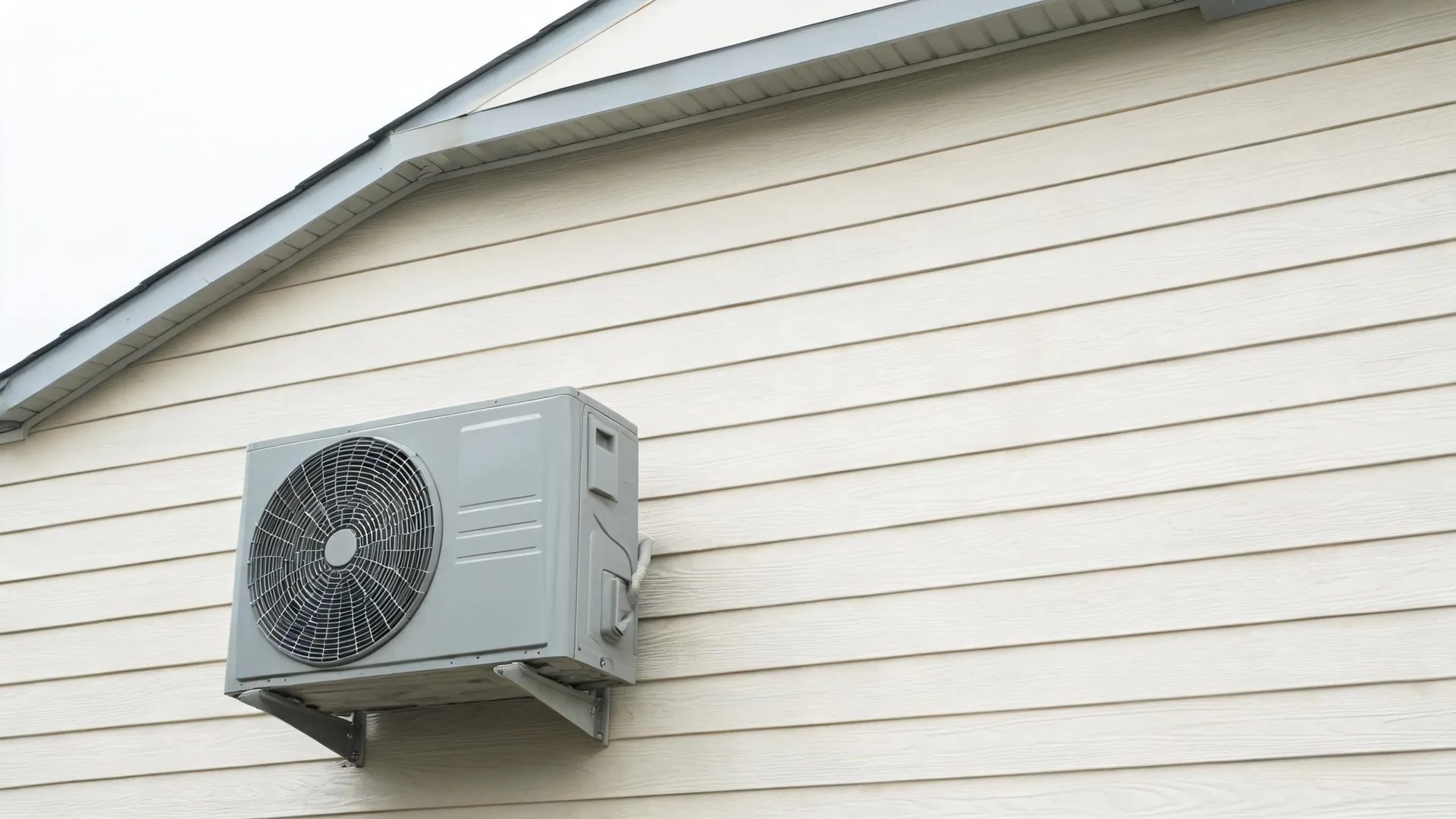
Polk County logged 405 severe weather events between 2015 and 2024, including 191 damaging wind events, 162 hail events and 17 tornadoes. An outdoor condenser sits outside through all of it.
Takes about a minute. No obligation.
Polk County logged 405 severe weather events between 2015 and 2024, including 191 damaging wind events, 162 hail events and 17 tornadoes. An outdoor condenser sits outside through all of it.
15% of Iowa households went at least 24 hours without power in 2024. A mini split, like any electric heating or cooling system, stops working when the power does.
NOAA nClimDiv, 1991–2020 normals
Electricity in Polk County runs about 11.37 cents a kilowatt-hour, cheaper than most of the country.
The payback on a pricier high-efficiency model stretches out here, so picking the mini split that holds up and keeps running matters more than squeezing out another point of efficiency.



Summer here is short but it leans on the outdoor unit hard while it lasts. Three months of cooling, June through August, with afternoon highs averaging 83°F and the air sitting heavy at a 63°F dew point. That kind of moisture load makes the compressor work to pull humidity out of the air, not just drop the temperature. A mini split sized too big will cool the room fast and shut off before it's wrung the damp out, leaving the house feeling clammy even at the right number on the thermostat. Get the sizing matched to the room and the system runs longer, steadier cycles instead of short bursts that wear on the parts.
Where the outdoor unit goes and how it's mounted is worth deciding before install day, not after a storm. A contractor can set it clear of falling branches, up off the ground away from flooding, and on a pad that holds it steady against wind. Worth asking, too, how the system handles a power cut, since heat and hot water both depend on it staying fed.
Find a contractor
Cooling in Polk County starts in June and runs through August. May is the month to get a mini split installed, not June. Once the heat sets in, a failed system means a wait, and a contractor booked solid with emergency calls instead of a planned install. Get it in the ground before the first warm week hits and the only pressure on install day is doing the job right. Winter matters for timing too. Overnight lows average 16°F across December, January and February, and a mini split installed in spring has a full summer and most of a winter to prove itself before the next cold snap tests it.
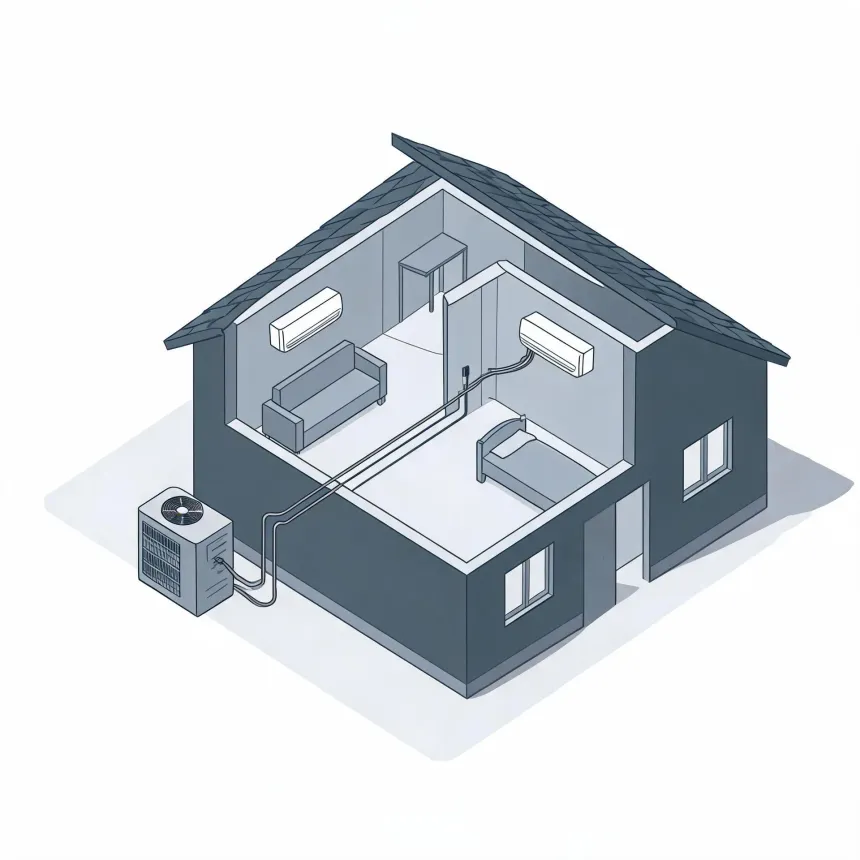
A single indoor head tied to one outdoor unit is a straightforward run of refrigerant line and a wall sleeve. Add a second or third head off the same outdoor unit and the contractor is now sizing a branch box or additional line sets, finding wall and ceiling paths for each one, and balancing the system so every room gets the right amount of refrigerant. Each added head is its own mounting job, its own electrical whip, its own condensate line.
The refrigerant line running between the outdoor condenser and the indoor head has to be charged, brazed, and pressure tested, and every foot of it matters. A straight shot through an exterior wall is quick work. A line that has to run up through a chase, across an attic, or down multiple floors to reach the outdoor unit takes longer to run, needs more support and insulation along the way, and gives the installer more places where a bad joint can leak.
Sizing a mini split starts with a load calculation, not a tape measure around the room. A contractor works out how much heat the space gains in summer and loses in winter, counting the windows, the insulation, the direction the walls face, and how the room connects to the rest of the house. Too big and the compressor short cycles, cooling the air fast but never running long enough to pull the moisture out or settle into a steady rhythm. Too small and it runs flat out on the hardest days and still can't keep up. Neither mistake shows up on the spec sheet. It shows up months later as a room that never feels right and a compressor that wears out chasing a target it was never matched to.
Polk County sits in climate zone 5A, a cool zone where a system here does more heating work over the year than cooling. Under the federal standard, a mini split installed new has to deliver at least 7.5 Btu of heat for every watt-hour it uses in winter, and pull at least 14.3 Btu of cooling for every watt-hour in summer. That floor applies no matter which unit goes in, so it narrows the field before size or zones or line set get decided. A federal tax credit is available on qualifying equipment, worth checking against whatever unit ends up on the quote, though with power this cheap here the credit matters more than the running cost does.