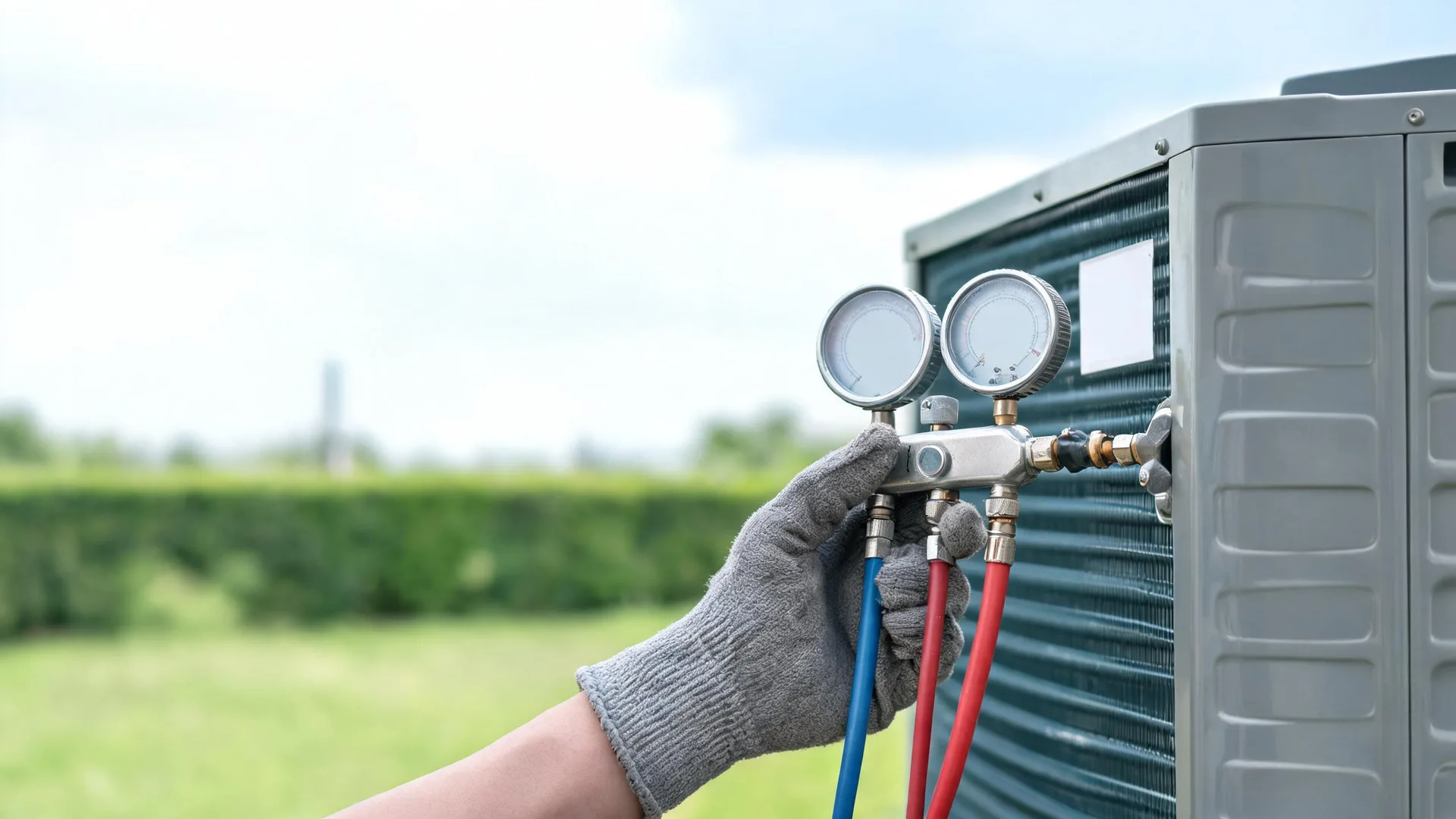
June is when weak parts fail
Cooling in Anamosa runs June through August. Once that first heat hits, a capacitor or contactor that was already marginal gets asked for full output and gives out.
Takes about a minute. No obligation.
Cooling in Anamosa runs June through August. Once that first heat hits, a capacitor or contactor that was already marginal gets asked for full output and gives out.
An AC that has sat unused won't show a weak part until it's put under load. Having it checked in May means the repair happens before the first hot week, not during it.
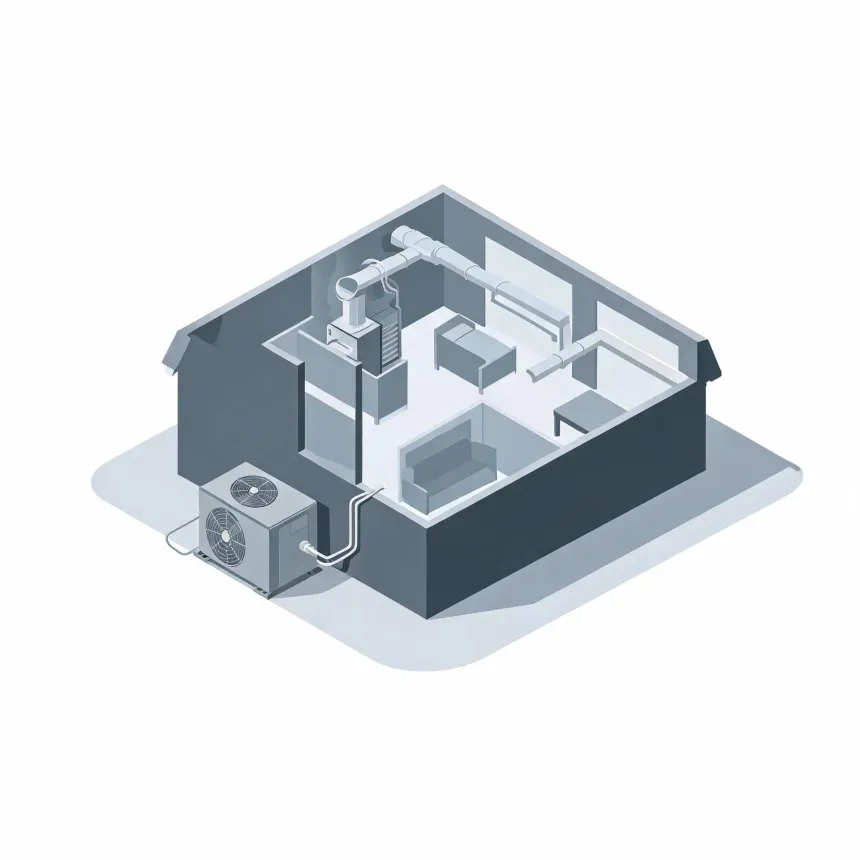
NOAA nClimDiv, 1991–2020 normals
A tech starts by running the system and checking what it's actually doing, not just asking what you noticed.
Pressures, amp draw and temperature split get checked before a panel ever comes off.



A technician can tell you how much life is left in a system before putting money into it. If yours is original to the house, that's worth asking about before any repair goes further.
Find a contractor
Warm air from the vents is the one most people notice first. It can mean low refrigerant, a failing compressor, or a return duct pulling in attic air instead of room air. Short cycling is another, where the unit shuts off not long after it starts. That points to a dirty filter choking airflow, a bad thermostat sensor, or a compressor overheating and tripping its own safety switch. Ice on the line or the coil is worth shutting the system off for, since running it iced up can push liquid refrigerant back into the compressor and ruin it. A new sound is worth paying attention to too, a hard click before the compressor kicks on, a hum with no start, a rattle from the outdoor fan. Any of these usually means a part is already failing. None of it gets better by waiting, and a system run hard while something is going bad tends to take a second part down with it.
A system low on refrigerant still tries to move the same amount of heat, so the compressor works harder to do it. That extra strain builds pressure and heat inside the compressor itself, and a compressor is the one part in the system worth protecting over everything else.
A dirty filter or a blocked coil cuts airflow, and the refrigerant inside the coil can't give up its heat the way it should. Some of it comes back to the compressor still liquid instead of gas, and liquid doesn't compress. That's what burns a compressor out instead of just wearing it down.
Estimates for a typical Jones County home, compared with an older unit built to the previous federal minimum, from EIA household energy data, Iowa fuel prices and NOAA climate normals. Your home will differ.
Repair makes sense when a part like a capacitor or contactor has failed.
Replacement makes sense when the compressor has failed or the system uses R-22 refrigerant, which is no longer made.
A compressor is the most expensive part in the system, and it's usually what decides repair versus replacement. If the compressor is still good, fixing a capacitor, contactor or fan motor is straightforward money well spent. If the compressor has failed, a tech has to weigh the cost of a new one against a new outdoor unit, and the age of the rest of the system matters there too. A coil that's rusted through or a condenser cabinet that's rotted at the base says something about what else is likely to fail next, even if it hasn't yet. The refrigerant type matters as well, since older systems used a refrigerant that's being phased out, and topping one off is getting harder and more expensive to do. None of this is a judgment call you make from a sound or a feeling. It's why the tech runs the system first and looks at what's actually failing before anyone talks about what it costs to fix it.