





Aerial view of a gray outdoor air conditioning condenser unit mounted on a concrete pad next to a house with vinyl siding.

AC Repair in Le Mars, IA

Tell us about the job

Takes about a minute. No obligation.

RepairCentral ACPlymouth County, IA
Step 1 of 2

What ZIP code is the job in?

AC runs in Le Mars from June through August. May is a good month to get a weak system looked at before that starts. Most breakdowns happen in those first warm weeks, when a unit that was already struggling gets asked to run for hours straight. A capacitor on its way out or a low refrigerant charge can limp along fine in mild weather, then quit the first real hot day. If your AC is acting up now, that is usually the reason, not anything unusual about how it has been used.

3 months
June through August, your air conditioner is on duty
83°F
the average summer afternoon it cools against
53 hail events
in ten years, and hail bends the fins on outdoor coils
51 wind events
in ten years, and wind drives debris into outdoor units
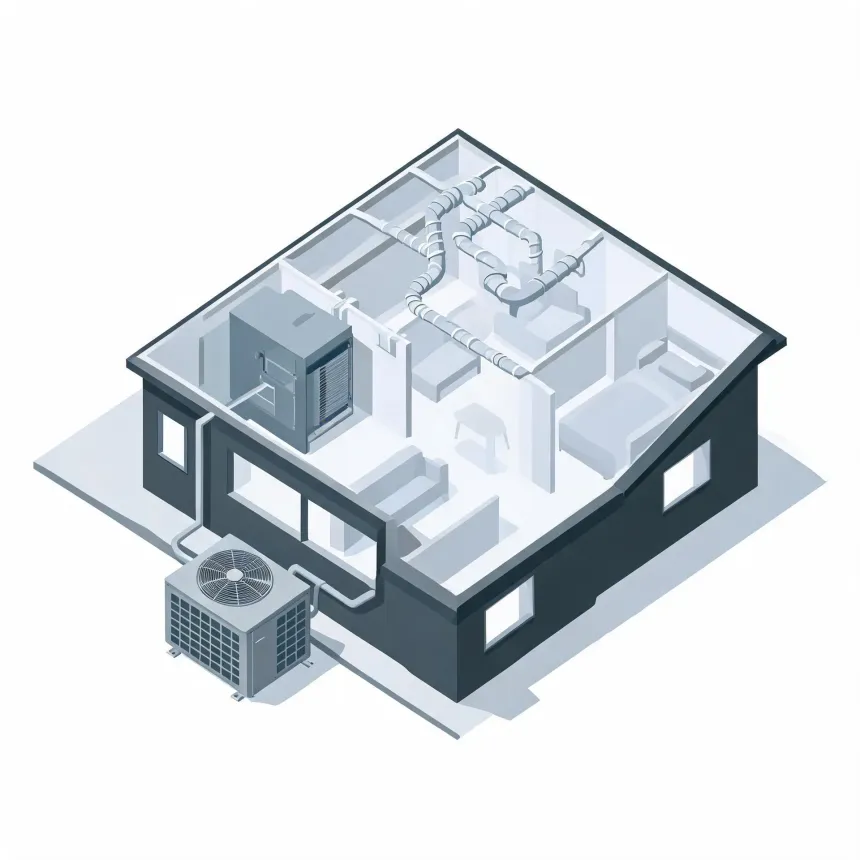
Isometric cutaway illustration of a small house showing interior rooms with furniture, ceiling ductwork and an air handler, plus an outdoor condenser unit connected by refrigerant lines beside the building.
Your air conditioner works hardest from June through August.

NOAA nClimDiv, 1991–2020 normals

Le Mars gets about three months of real cooling weather, June through August.

An AC here does not have to fight a long season, so when it struggles the cause is usually one weak part, not wear from overuse.

Half the homes in Plymouth County were built by 1971, old enough that the AC has likely been replaced at least once

Half the homes here were built by 1971
Cooling runs June through August
Summer afternoons average 83°F

Get it looked at early

Problems tend to show up in the first weeks of the season, when the load hits a part that was already weak.

Find a contractor
A man in a dark long-sleeve shirt, tan pants, cap and work boots carries a canvas tool bag up gray porch steps toward a dark green front door, with a potted shrub beside the entry.
An outdoor air conditioning condenser unit mounted on a concrete pad beside a house, with electrical conduit running to a wall-mounted disconnect box.

What to listen and look for

The signs are usually simple, even if the cause underneath is not. Warm air out of the vents when the thermostat is set low. Short cycling, where it kicks on, runs a few minutes, and shuts off before the house cools at all. A hissing or bubbling sound near the indoor unit, which points to a refrigerant leak. Ice on the copper line outside, which looks like it means something is too cold but usually means airflow is blocked or charge is low. A fan that spins slow or not at all, or a unit that hums without starting, which often means a failing capacitor. Water pooling near the indoor unit, which means the condensate drain is clogged and needs clearing before it backs up further. None of these mean the same thing, but all of them mean the system is asking for a look before it quits for good.

A low charge gets lower

A refrigerant leak does not fix itself by running. Every hour the compressor works the system harder to move heat with less refrigerant than it needs, and the compressor itself runs hotter than it was built to. What started as a slow leak can end with a compressor that has to be replaced instead of a line that has to be sealed.

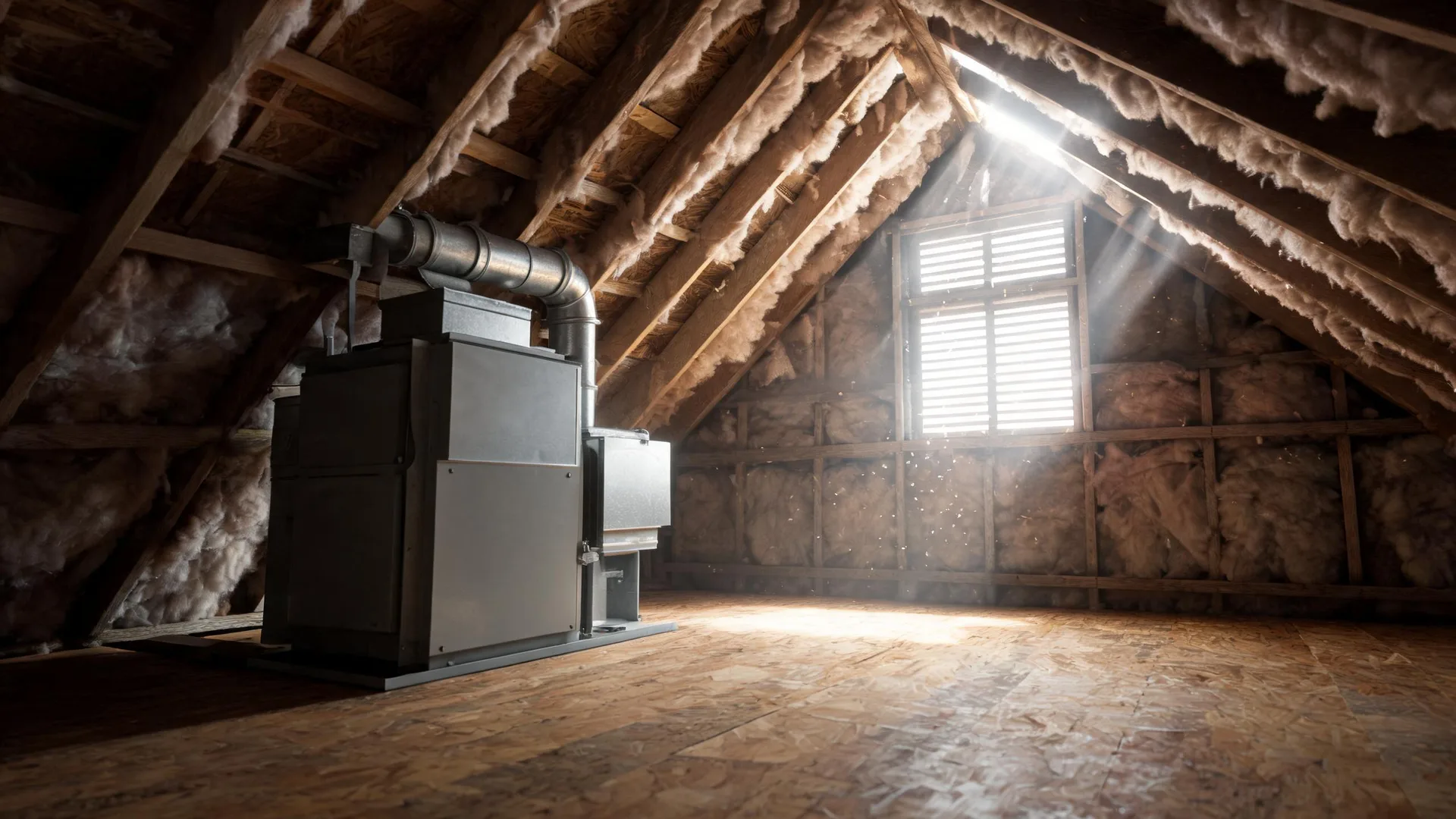
A clogged drain backs up

Once the condensate drain is partly blocked, water that used to flow out starts to sit. A system left running keeps producing more water than the drain can clear, and the overflow finds the nearest way out, usually into the ceiling or wall below the indoor unit rather than staying contained where it is easy to clean up.

Aerial view of a gray central air conditioning condenser unit on a concrete pad next to a house with vinyl siding.

A new air conditioner would save little on running costs in Plymouth County, so the repair decision comes down to the unit's condition.

  • A new one at the federal minimum, 13.4 SEER2$180 a year
  • An older air conditioner$190 a year

Estimates for a typical Plymouth County home, compared with an older unit built to the previous federal minimum, from EIA household energy data, Iowa fuel prices and NOAA climate normals. Your home will differ.

Repair makes sense when a part like a capacitor or contactor has failed.

Replacement makes sense when the compressor has failed or the system uses R-22 refrigerant, which is no longer made.

A tech weighing repair against replacement is looking at the compressor first. That part is expensive enough that replacing it on an old system usually costs more than the system is worth, where the same job on a newer unit is a straightforward repair. Age matters less than what's already failed and what's likely to fail next. A system that has needed a capacitor this year and a fan motor the year before is telling you something about what's coming. Refrigerant type matters too. Older systems use a refrigerant that is being phased out, and topping off a leak in one of those gets harder and pricier to source every year. None of that means an old AC needs to go. It means the second or third repair in a short stretch is worth a harder look than the first one.