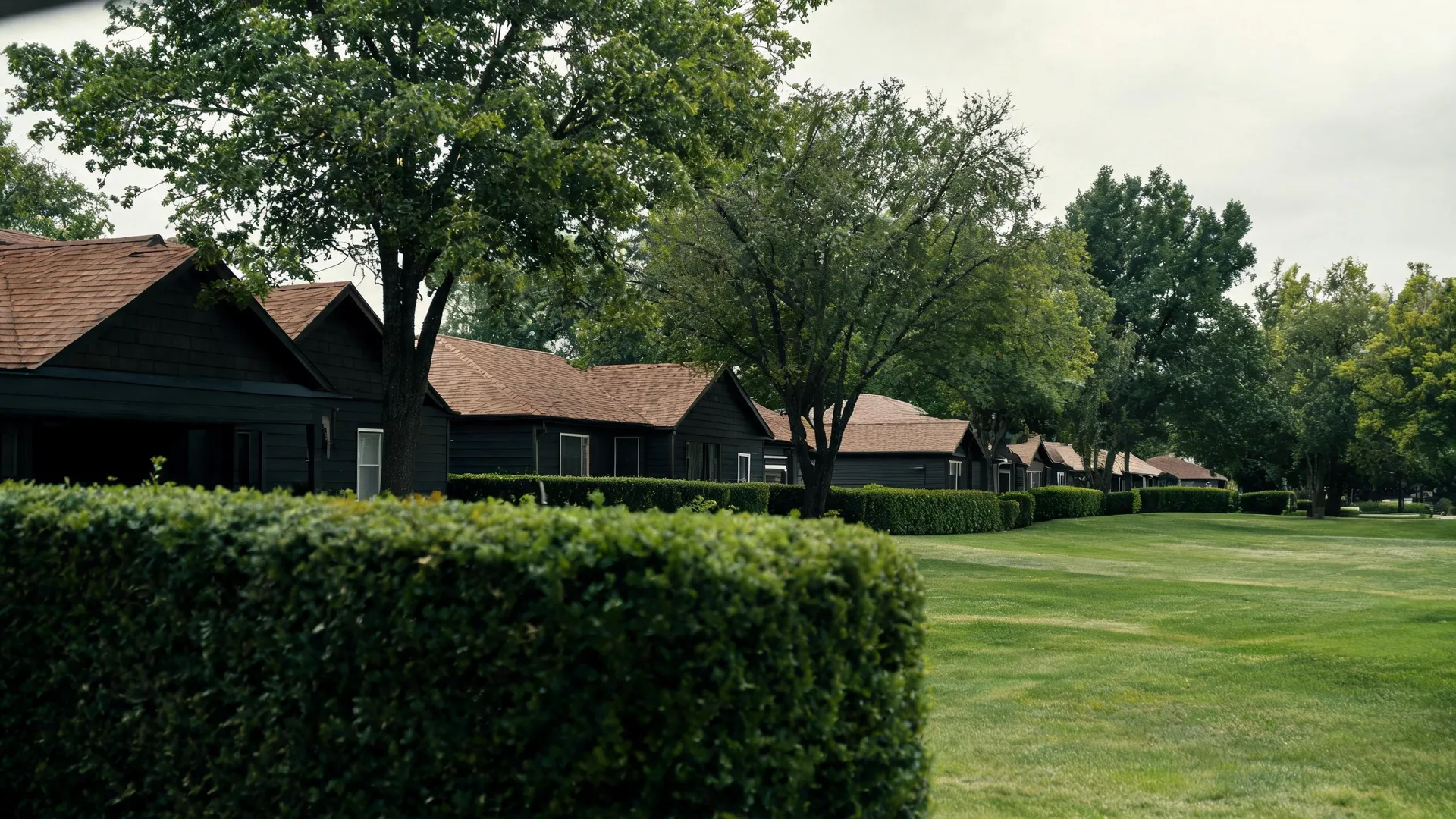






A row of dark-sided cottages with brown shingled roofs behind a trimmed hedge, beside a mown lawn and large leafy trees under an overcast sky.

AC Repair in Mount Pleasant, IA

Tell us about the job

Takes about a minute. No obligation.

RepairCentral ACHenry County, IA
Step 1 of 2

What ZIP code is the job in?

Cooling runs about three months here, June through August, with afternoon highs averaging 83 degrees. That's a normal load for a residential AC system. Nothing about it runs the unit harder than it was built for. Henry County does see a fair amount of wind and hail, so if your system quit after a storm, check the breaker first and look over the outdoor unit for obvious damage. Outside of that, most repair calls come down to the same few things. A weak capacitor, a dirty coil, a low refrigerant charge, a thermostat that isn't signaling right. Those get found and fixed the same way here as anywhere else.

3 months
June through August, your air conditioner is on duty
83°F
the average summer afternoon it cools against
34 hail events
in ten years, and hail bends the fins on outdoor coils
49 wind events
in ten years, and wind drives debris into outdoor units
Isometric illustration of a cutaway single-story house showing attic ductwork, an indoor air handler, interior rooms with furniture, and an outdoor condenser unit connected by lines, on a white background.
Your air conditioner works hardest from June through August.

NOAA nClimDiv, 1991–2020 normals

A capacitor that's gone weak still lets the compressor start, but the compressor is pulling harder every time it does.

Keep running it like that and the compressor itself can burn out, turning a capacitor swap into a full system replacement.

Half the homes here were built by 1968, and the AC inside them is often just as old

Half the homes here were built by 1968
Cooling runs June through August
Summer afternoons average 83°F
June is when a weak part finally gives outCooling starts in June here, and May is the month to catch a weak part before it gives out.

If your AC came with the house and the house is on the older side, ask the contractor straight out how much life is left in it before you pay for a repair. A capacitor or a thermostat is worth fixing on any system. A compressor that's failing on a unit already well past its years is a different question. Get the diagnosis first, then ask what the repair actually buys you. Sometimes it's a few more summers. Sometimes the honest answer is that the money is better spent on a new system.

Get the usual fix

Nothing about this area is especially hard on it. It's most likely the usual problem with the usual fix.

Find a contractor
A gray cylindrical air conditioning condenser unit mounted on a concrete pad next to a light-colored vinyl-sided house exterior.

The unit usually tells you before it quits

A system that's about to need a repair usually tells you before it quits outright. The airflow from the vents gets weaker even though the unit is running. It cycles on and off more than it used to, never settling into a steady run. You notice a smell when it kicks on, or a sound that wasn't there before, a hum, a click that repeats, a rattle from the outdoor unit. Sometimes it just runs longer than it should to hit the temperature on the thermostat, or never quite gets there. Any one of these is worth a call before the part that's struggling takes something bigger down with it.

Check the breaker and the filter first

The outdoor unit needs power and the indoor unit needs airflow, and both are things you can check yourself. Look at the breaker panel for anything tripped. Pull the filter and hold it up to light. If you can't see through it, air can't get through it either, and the system will struggle no matter what else is wrong.

Know what to tell the contractor

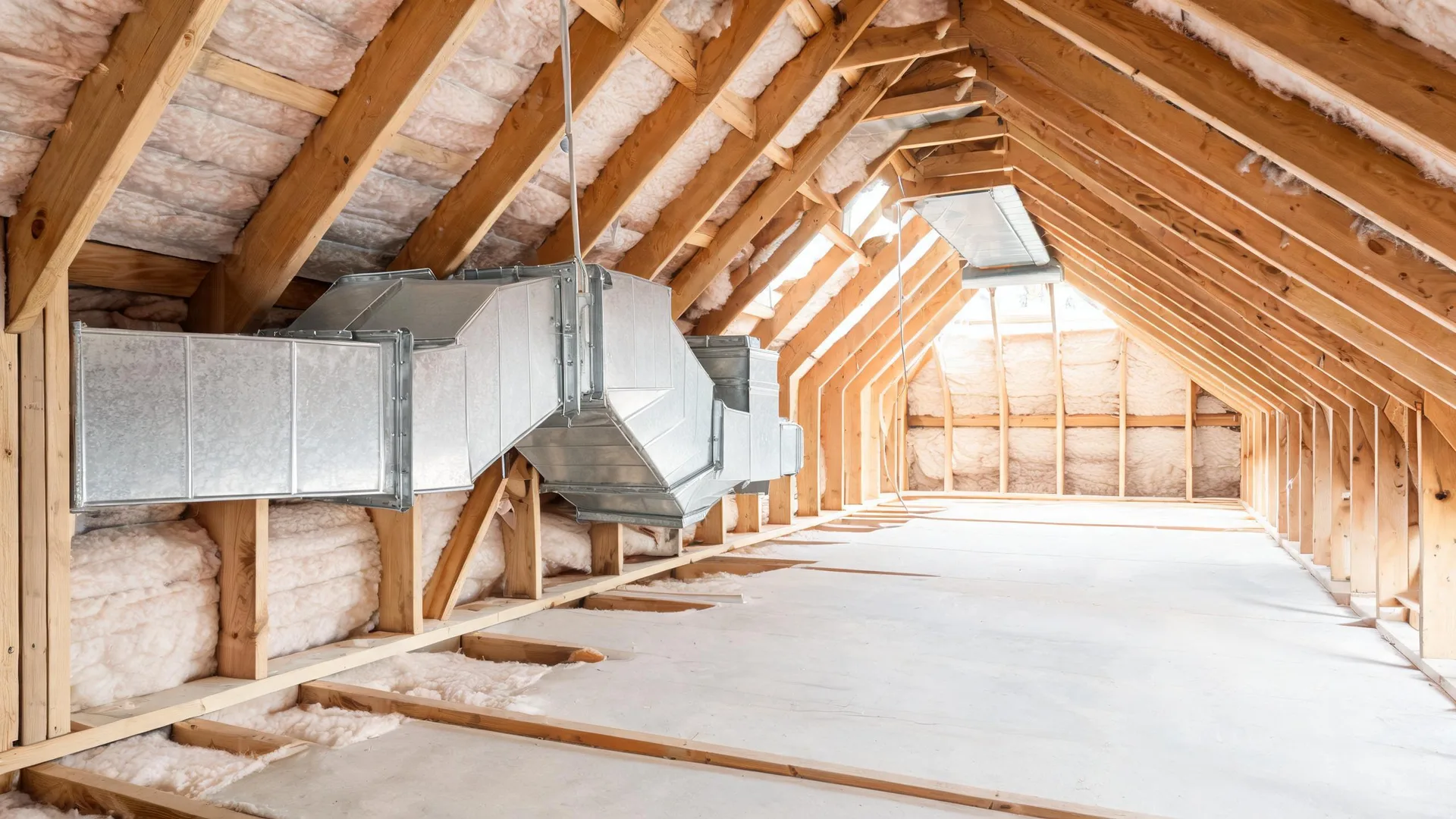
Before anyone comes out, notice when the problem happens. Does it run constantly without cooling, or shut off on its own, or make a noise only at startup. Check the thermostat is set to cool and the batteries aren't dead. Telling a contractor what you saw and when gets them to the actual problem faster.

Overhead view of a gray residential air conditioning condenser unit mounted on a concrete pad beside a house with asphalt shingle roofing.

A new air conditioner would save little on running costs in Henry County, so the repair decision comes down to the unit's condition.

  • A new one at the federal minimum, 13.4 SEER2$210 a year
  • An older air conditioner$220 a year

Estimates for a typical Henry County home, compared with an older unit built to the previous federal minimum, from EIA household energy data, Iowa fuel prices and NOAA climate normals. Your home will differ.

Repair makes sense when a part like a capacitor or contactor has failed.

Replacement makes sense when the compressor has failed or the system uses R-22 refrigerant, which is no longer made.

A repair is worth doing when it fixes one part and leaves the rest of the system alone. A capacitor, a contactor, a fan motor, these wear out on their own schedule and swapping one doesn't put stress on anything else in the unit. The question changes when the compressor is the part that failed. A compressor is most of what the system is worth, and once it goes, a contractor has to weigh the cost of replacing it against the cost of replacing the whole unit, because the rest of an old system tends to follow the compressor before long. Age matters less than what's actually failed. A young system with a bad compressor can be worth repairing. An old system with the same failure usually isn't, since whatever let go first is rarely the only part close to the end.