Where this leaves you
- A dead AC almost always traces back to power at the breaker or disconnect, a tripped float switch, or a failed capacitor.
- Checking the thermostat and breaker takes a few minutes, but confirming a capacitor or contactor failure takes a meter and someone who knows what the readings should be.
- A local contractor who services these systems every summer has likely already seen the exact failure sitting in your outdoor unit.
- Sending one contractor instead of several means one visit, one diagnosis, and no juggling calls from competing companies.
- The breaker, the float switch, and the capacitor are the first three places to look, in that order.
- Until the unit is back on, the heat and humidity in the house will keep building with nothing to stop them.
Most of the time this comes down to one of three things: no power getting to the unit, a float switch that's done its job and shut things off, or a capacitor that's given out. You can check the first two yourself. The breaker is either tripped or it isn't, and the float switch is either stuck up or it's resting where it should. The capacitor is different. A multimeter tells you whether it's holding its charge, and reading that meter right, then knowing whether the number means the part is fine or finished, takes someone who's done it before.
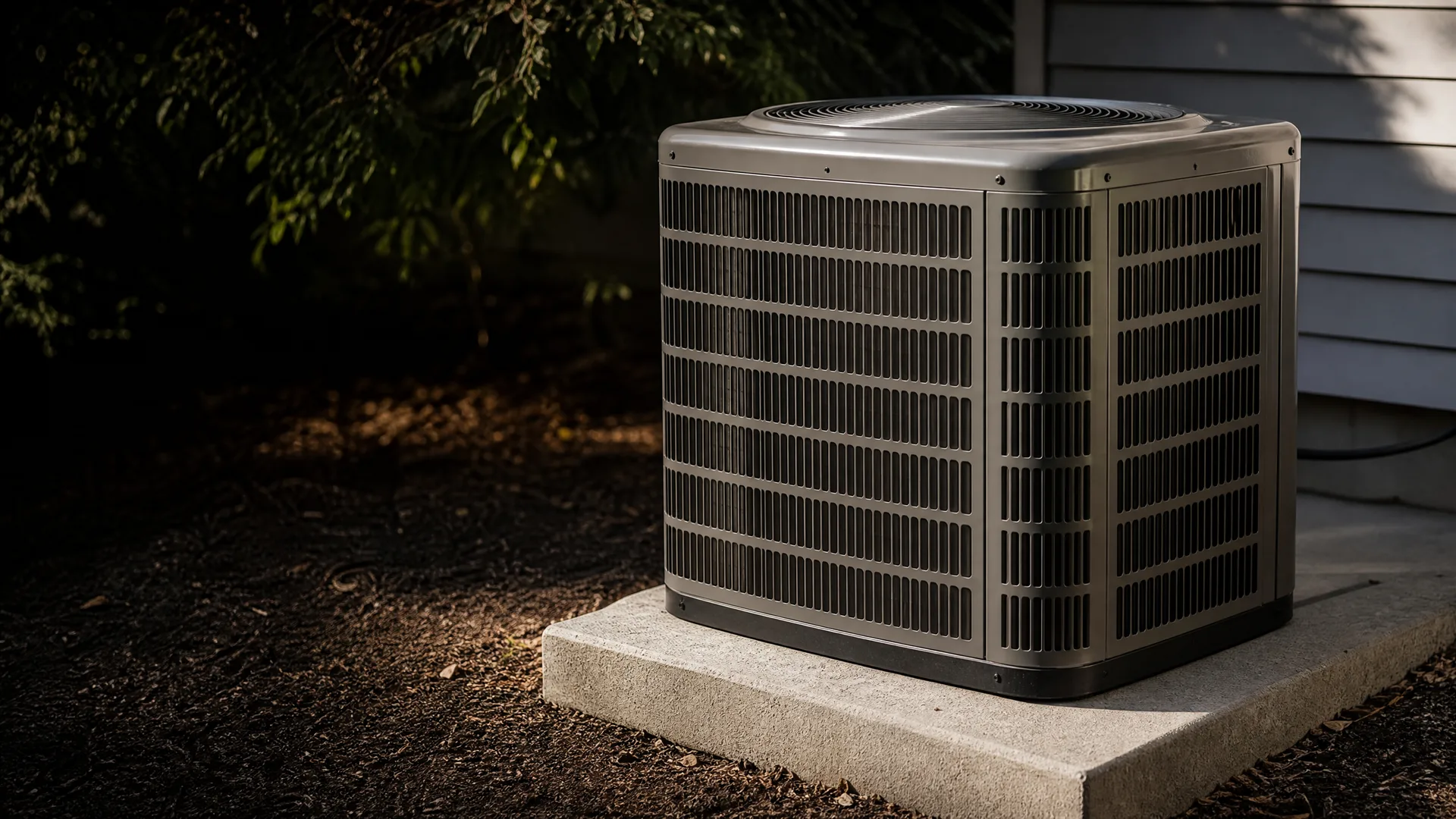
That's where a local contractor earns their keep. Someone working on these systems all summer in Johnson County has already seen this exact failure, probably more than once this season. They're not guessing at what a tripped breaker next to a humming unit means. They know, because they've stood in front of that same outdoor unit on someone else's property a week ago.
Going through a single contractor instead of shopping it around also means one visit does the job. No explaining the problem four times to four different companies, no sorting through quotes that all describe the same repair differently. One person comes out, looks at the unit, and tells you what's wrong with it.
Until that happens, the heat in the house keeps building, and so does the humidity. Neither one backs off on its own in July.