One room, covered right
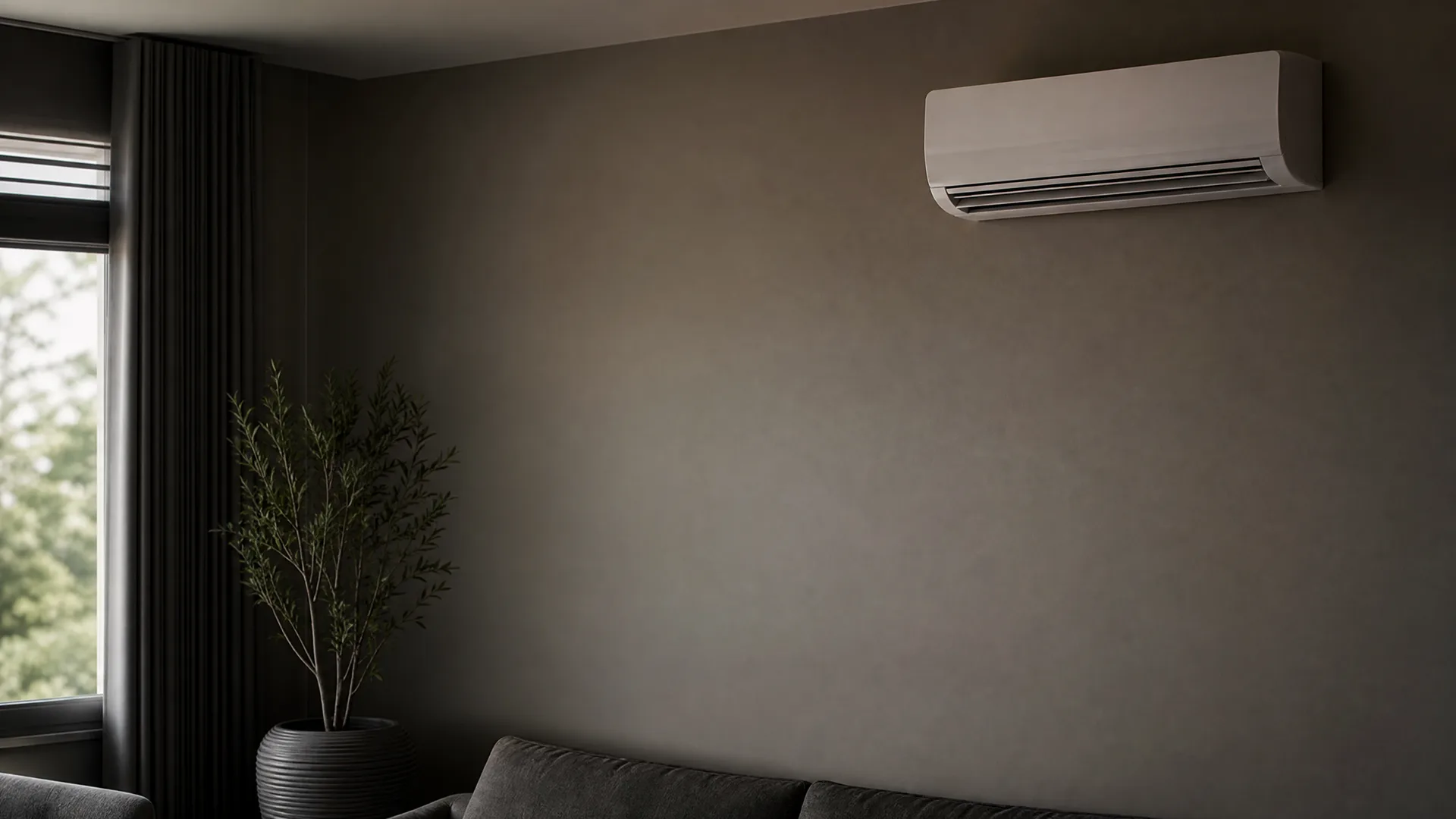
This is what a mini split looks like when it's matched to the space. One indoor unit, one or two rooms, running quiet near the ceiling with nothing straining. Each zone cools only what it was sized to cool.
 Send my request
One request ends the search for a mini split installer.
A single mini split can cool one room well. Whether it can cool your whole house depends on how many zones it has, how your house is laid out, and how much space each indoor unit has to cover. A one-zone system sized for a living room is not going to reach bedrooms down a hallway. A multi-zone system, sized and placed right, can cover a whole house, including one here in Clinton where summer humidity sits heavy for months.
That sizing question is where most people get stuck. It takes someone walking through the house, checking square footage room by room, looking at where the sun hits and where the ductwork or wall space allows a unit, before anyone can say what size system actually covers the place. That is the kind of answer you cannot get from a chart online.
Clinton County summers get sticky enough that an undersized system will run constantly and still leave upstairs rooms warm. Winters here are hard too, and most houses in the area heat with gas, so a mini split here is often filling in for cooling and shoulder-season heat rather than carrying the whole load alone. Getting the zones and capacity right matters more here than it would somewhere milder.
Finding a contractor who installs mini splits, and knows how to size one for a full house instead of a single room, usually means a string of calls: checking who's licensed, who answers, who can actually come look at the place, then comparing what each one quotes. Send the form on this page and that search is off your plate. You won't be the one tracking down installers or repeating the layout of your house to every contractor you reach. Someone qualified gets the details instead, and you get to wait for an answer instead of chasing one.
A single mini split can cool a whole house, but only if it was sized and laid out to do that from the start. One indoor unit handles one zone, usually one or two rooms, so covering a whole house means a multi-zone system with an outdoor unit feeding several indoor heads, one per room or area that needs it. Clinton summers get sticky enough that a single wall unit in the living room will not push cooled air down a hallway and into closed bedrooms. The ductless design that makes mini splits efficient room by room is the same thing that limits a one-zone system to the space it was put in. If your house already has a multi-zone setup with heads sized for each room, it can cool the whole place. If it has one head covering a large open area, it was likely built to cool that area, not the house behind it.




Cooling runs June through August
Cooling runs June through August, so a whole-house mini split only needs to carry the load for about three months before it sits idle again.
Heat runs October through May
Heat runs October through May here, eight months of the year, which is most of why a multi-zone system doing both jobs has to be sized right from the start.
Power here costs 14.76 cents per kilowatt-hour
Power here costs 14.76 cents per kilowatt-hour, close to the national average, so running several indoor units doesn't carry a steep price just for having more zones.
NOAA nClimDiv 1991-2020 · EIA-861 2025

This is what a mini split looks like when it's matched to the space. One indoor unit, one or two rooms, running quiet near the ceiling with nothing straining. Each zone cools only what it was sized to cool.

This is what happens when a single zone gets asked to cover more than it was built for. Dust builds up fast on the coil and vents when a unit runs long hours trying to reach rooms down the hall. A dirty coil cools less and runs longer to do it.


A 63°F dew point is the sticky kind of air, the kind that sits on your skin instead of drying off it. A mini split set up to cover your whole house has to pull that moisture out of every zone it feeds, not just the one room a single-zone unit would handle. If a zone is undersized for the space it serves, you'll notice it first as dampness, not heat, a bedroom that feels thick even when the thermostat says it's cool. Getting the sizing right across every room is what keeps that from happening, and it's also the part easiest to get wrong without someone walking the house first. Send the form and that part of the job, finding someone who sizes it correctly, is off your plate.
NASA POWER T2MDEW
Skip the round of in-home estimates for a new mini split.
There's no charge for the request.

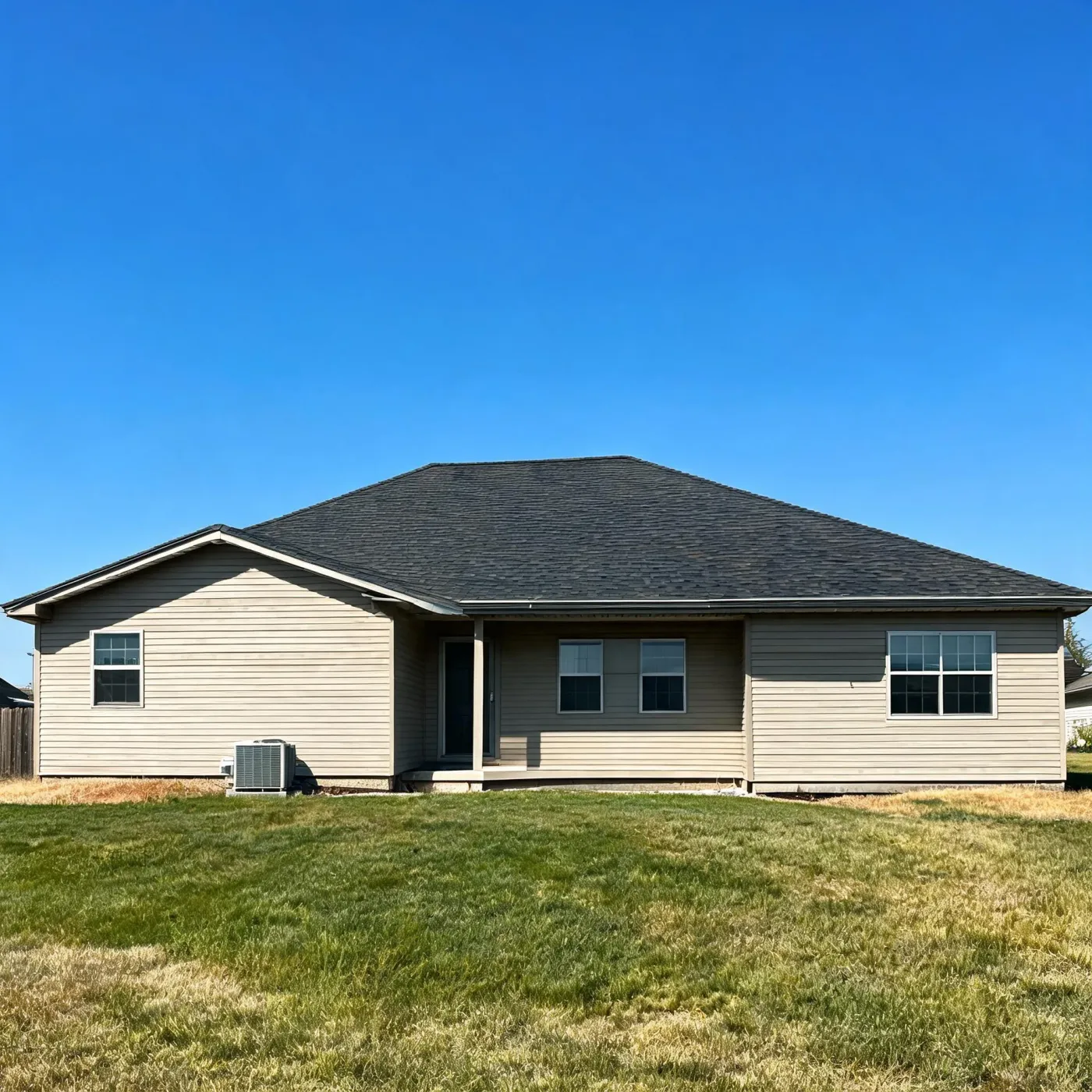
This unit sits clean and quiet near the ceiling, doing the job it was sized for. The zone it covers gets the right amount of cooling, no more, no less, so the coil stays clear and the fan never has to strain to keep up.

Dust and discoloring like this show up when a unit is asked to cover more than it was built for. A single zone pulling double duty runs longer and harder, and that extra runtime leaves marks on the unit long before it fails outright.


The answer comes down to what was installed, not what a mini split can do in theory. A single zone will always be a single zone. It will cool the room it was placed in and leave the rest of the house to whatever other heat or cooling you have. A multi-zone system, sized room by room with an outdoor unit big enough to carry all of them at once, can cover a whole house in Clinton County, including through the humid stretch from June to August when every zone is pulling moisture out of the air on its own. Through the winter, most houses here are still leaning on gas for the bulk of the heat, with the mini split picking up part of the load rather than carrying it alone.
None of that gets decided by the brand on the outdoor unit. It gets decided by whether someone walked through your house, counted the rooms, and sized the zones to match before anything got installed. A system sized that way runs clean, each zone holding its own setting without the coil or fan straining to keep up. A system sized wrong struggles no matter how good the equipment is.
Finding a contractor who does that sizing work correctly usually means calling around, explaining your layout more than once, and comparing quotes that are hard to put side by side. Sending the form here instead puts that legwork on someone else, and you wait for the call instead of making a dozen of them.
Describe the project once instead of to every installer.
