Gas heats most homes here
Utility gas heats 63.3% of homes in Johnson County. Electricity accounts for 27.6%, and LP or bottled gas makes up most of the rest. A mini split in a gas-heated home usually joins the furnace rather than replacing it.

Takes about a minute. No obligation.
Utility gas heats 63.3% of homes in Johnson County. Electricity accounts for 27.6%, and LP or bottled gas makes up most of the rest. A mini split in a gas-heated home usually joins the furnace rather than replacing it.
In a gas home, the mini split typically covers one room or zone, like a bonus room or addition the ductwork doesn't reach well, while the furnace keeps handling the rest of the house. In an all-electric home, it may be sized to carry more of the heating load.
NOAA nClimDiv, 1991–2020 normals
Cooling runs June through August in Johnson County.
Put the mini split in before May and the installer isn't rushing to beat the first hot week.



Johnson County sees its share of wind, hail and winter storms, and a mini split sits through all of it the same as any outdoor unit does. Sizing doesn't change because of weather. What's worth knowing is what happens when the power goes out, since 15% of Iowa households lost power for at least a day in 2024. A mini split won't run without electricity, same as a furnace blower won't. If that matters to you, it's worth asking the installer about backup power, but it doesn't call for a bigger or different system, just a plan for the days the grid doesn't cooperate.
Three months of cooling, a winter where heating carries the load, nothing here pushes you toward a bigger unit or a higher-end one. Size it for the room it's meant to cover and let the installer spec it off the load, not off the weather.
Find a contractor
Whatever is heating or cooling that room now doesn't come out the day the mini split goes in. If it's a window unit or a space heater, it usually just gets unplugged and put away, and the room runs on the new system from then on. If the old equipment was tied to ductwork, like a register that never got enough air to that room, the duct stays in place and the furnace keeps serving the rest of the house the same as before. Nobody needs to cap it off or pull it out for the mini split to work. The one thing worth checking is the breaker or circuit the old equipment used. If the mini split's outdoor unit is going in that same spot, the installer will want to know what's already wired there before running new line to it.
The installer should measure the room itself, its windows, its exterior walls, how it connects to the rest of the house, not just match the size of the unit in the last house they installed. A unit sized off a quick guess runs longer than it should, or short-cycles if it's oversized. Ask them to walk through the numbers instead of naming a size up front.
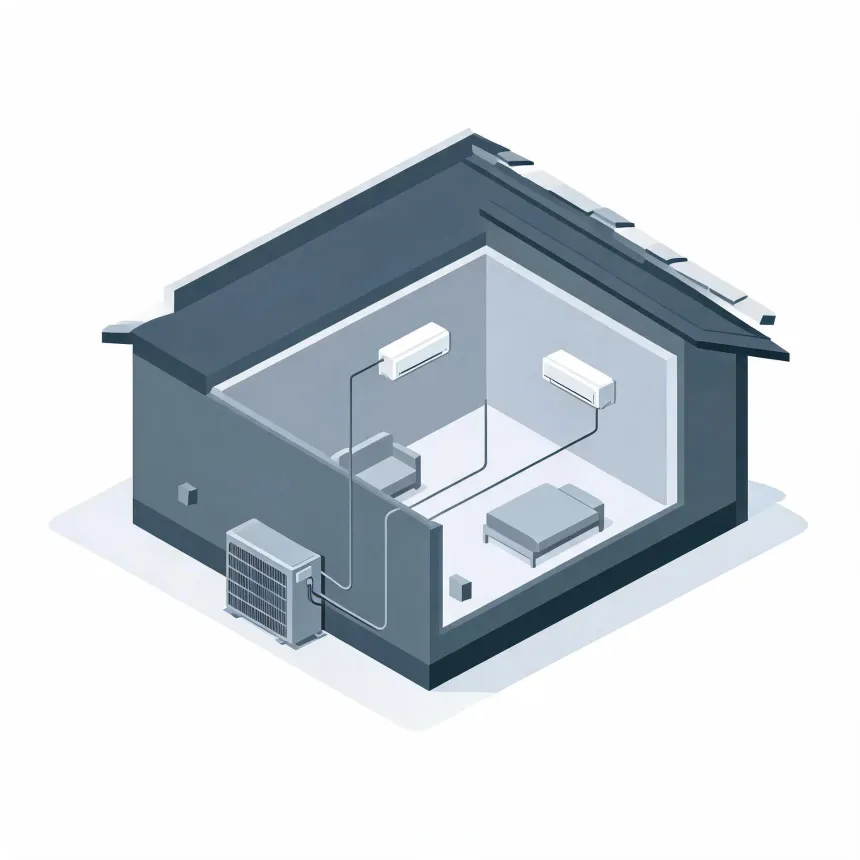
Some outdoor condensers are built for a single zone, others can split output across several indoor heads in different rooms. If there's any chance another room gets a head added later, that decision has to happen at the outdoor unit stage, not after. Going back to swap a single-zone unit for a multi-zone one later means replacing equipment that still works fine.
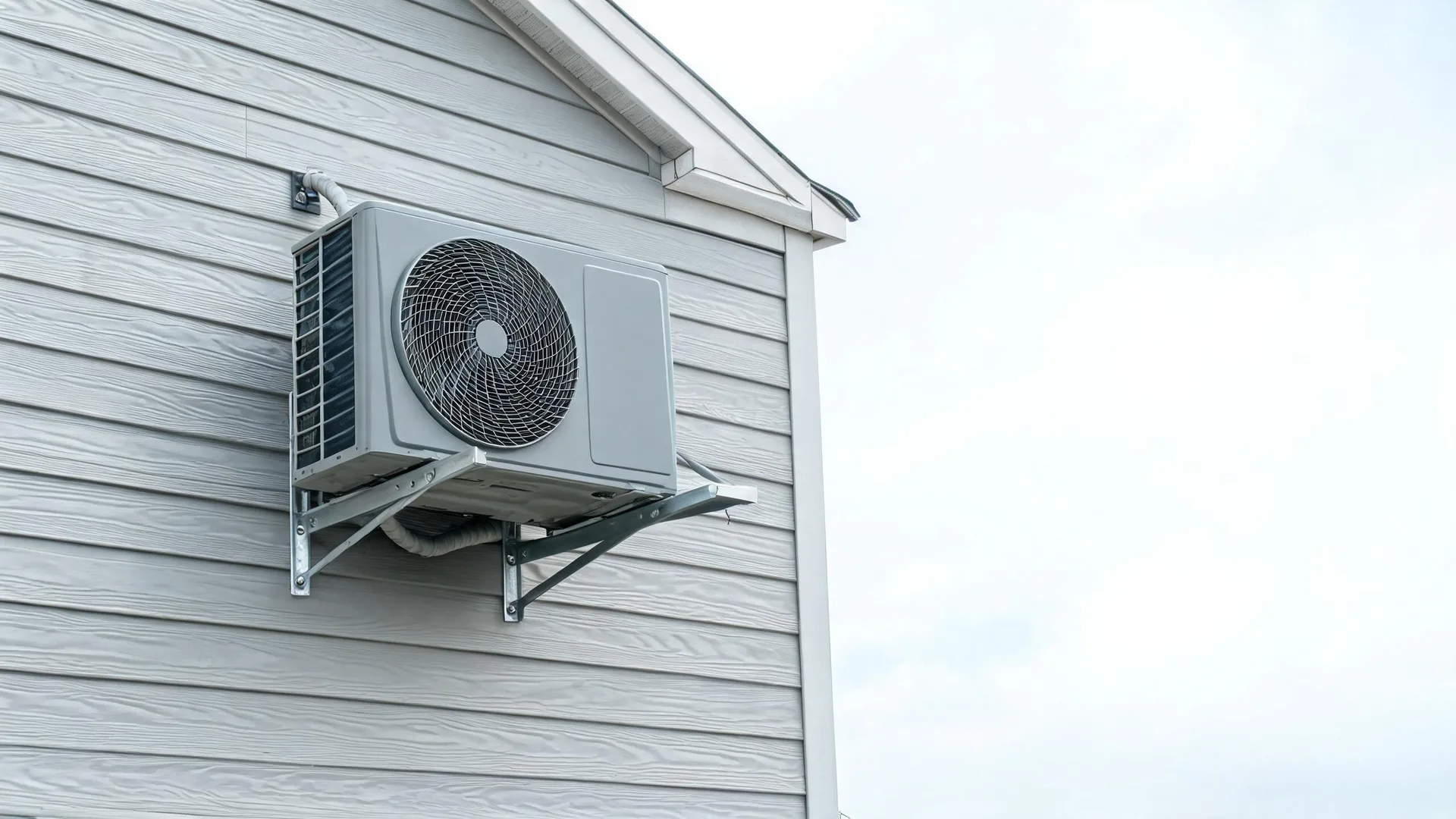
What a mini split costs to put in comes down to the install, not just the equipment. Running line set and wiring from the outdoor unit to the indoor head is easier when they can go straight through an exterior wall behind where the head hangs. Put the outdoor unit far from the indoor head, or route the line set around brick, stone, or framing that's hard to open up, and the labor goes up with the distance. Where the outdoor unit sits matters too. It needs a clear, level spot with room for air to move around it, and if that spot is far from the electrical panel, someone has to run new circuit the whole way. A single-zone system is the simplest version of this job. Add more indoor heads off one outdoor unit and the install gets more involved at every step, from the sizing to the wiring to the line sets feeding each room.
Installation starts with the outdoor unit and the indoor head going up before anything gets connected. The installer mounts the indoor head on the wall or near the ceiling, sets the outdoor unit on its pad or bracket, then runs the line set between them through a hole drilled in the wall. That line set carries refrigerant, so once it's connected at both ends, the lines get purged of air and moisture before the system is charged. This step matters more than people expect. Any air or moisture left in the lines shows up later as a system that doesn't cool or heat the way it should. Once the charge is set and the electrical is tied in, the installer runs the system through both modes to check that the head is actually doing what the thermostat tells it to do.