Cheap power changes the math
With low electric rates here, a jump from SEER2 15 to a 20-plus unit takes years longer to pay back than it would somewhere with higher rates.

A SEER2 rating of 15 to 16 makes sense for most Iowa homes. That's the range where the extra cost of a higher-efficiency unit stops paying you back fast enough to matter, given how many months your air conditioner actually runs here. Iowa summers get humid, and that humidity is what drives the system hard, but the season itself is short enough that chasing an 18 or 20 SEER2 unit rarely makes sense for a house that heats with gas the rest of the year. The federal minimum in your region is 14, so going a few points above that buys real savings on the months you do run cooling, without paying for capacity you won't use. If your air conditioner is old enough to still carry a SEER rating instead of SEER2, that's one sign it's worth having someone look at before you decide what to replace it with.


With low electric rates here, a jump from SEER2 15 to a 20-plus unit takes years longer to pay back than it would somewhere with higher rates.
Your furnace handles winter, so the air conditioner only has to earn its keep in summer. That's a smaller window for a high-SEER unit to pay for itself.
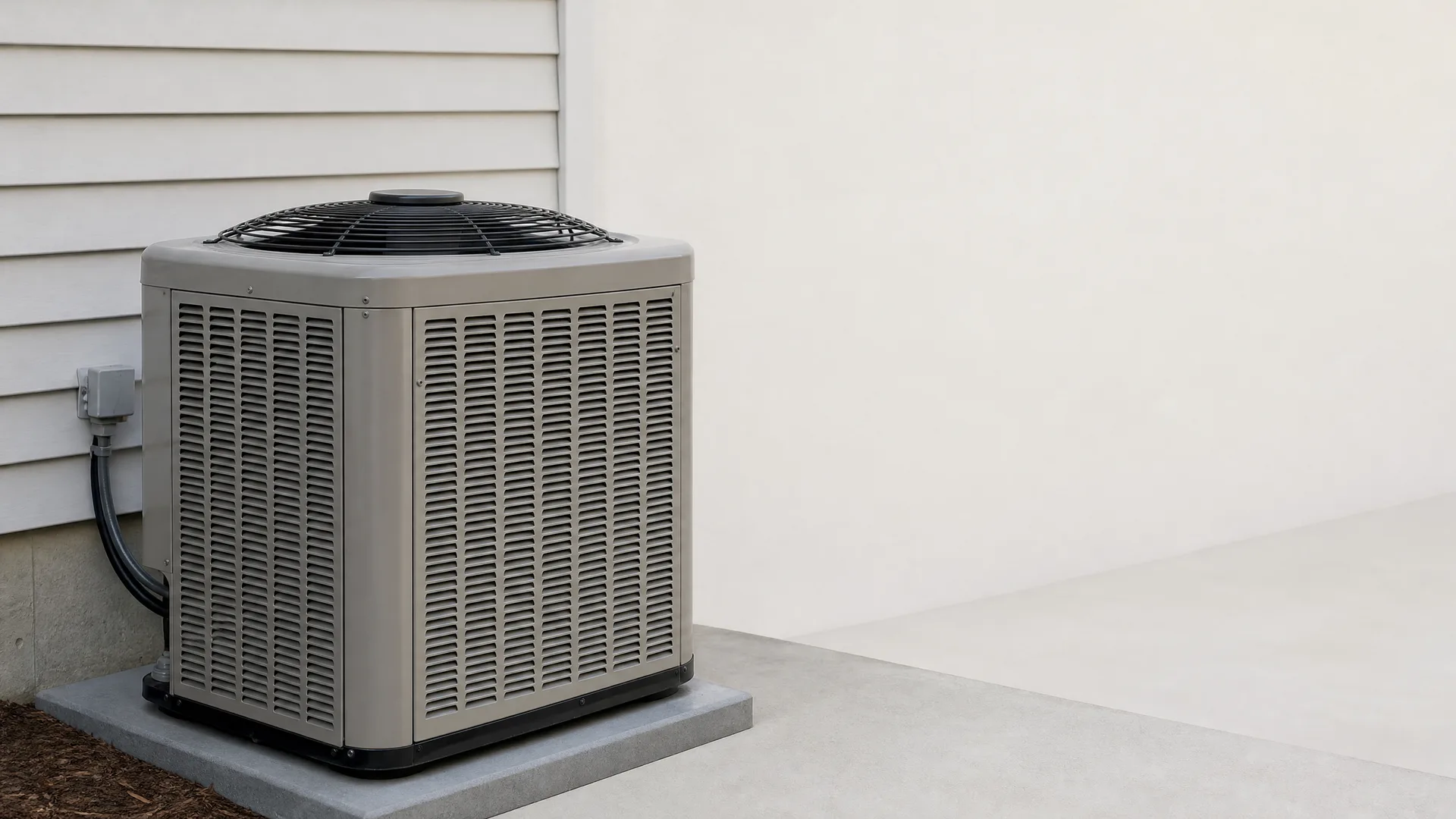
On the muggy days your air conditioner runs long stretches to hold the house steady, and a SEER2 15-16 unit is built for exactly that kind of work. It pulls the moisture out along with the heat, so the house feels right instead of just cold and damp. A unit sized and rated for this kind of running holds up to a full Iowa summer without you thinking about it, which is most of what you want from it.
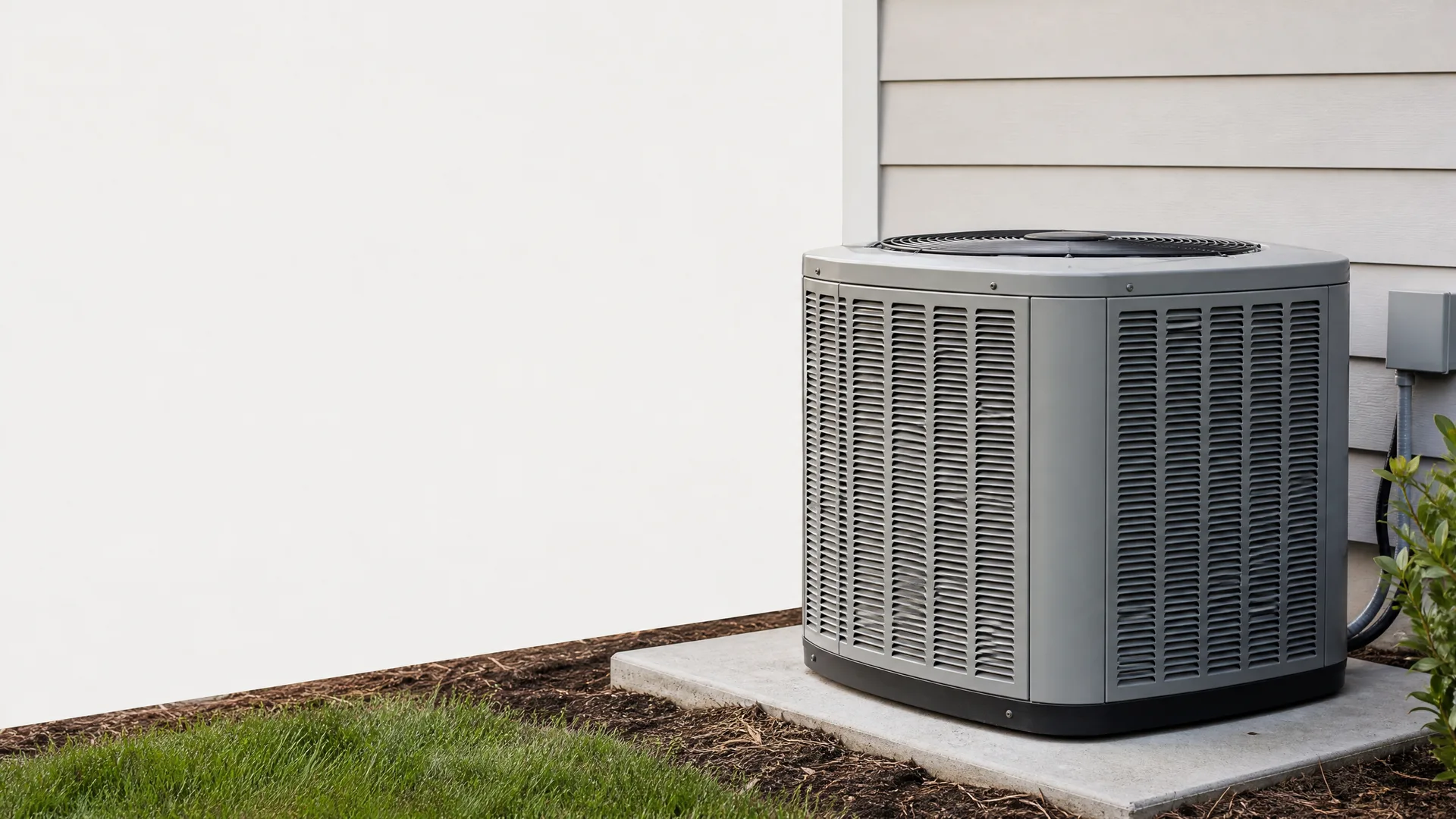
Install a unit that's undersized or rated wrong for how hard an Iowa summer runs it, and it struggles on the worst days, the ones where you need it most. It runs longer to do the same job, wears sooner, and the house still feels muggy by evening. A SEER2 15-16 unit, put in right, doesn't have that problem. It's rated for the months it actually works and sits unused the rest of the year.
SEER2 is a seasonal average, not a snapshot. It's your air conditioner's total cooling output over a season divided by the total electricity it used getting there, tested under conditions that account for the static pressure of real ductwork. A unit rated SEER2 16 isn't running at 16 every hour. On a mild June afternoon it might coast well above that number. On a hundred-degree day in August it runs closer to its minimum, because the compressor is working near its limit just to keep up. The rating tells you what happens across the whole stretch, not what happens on any one afternoon.
The compressor is what the rating is really describing. A two-stage or variable-speed compressor can throttle down on milder days instead of running flat out every cycle, and that's a lot of what separates a 15 from a 20. Getting that part matched correctly to your house, your ductwork, and the rest of the system is the kind of judgment call that varies house to house. A local contractor who installs these year-round in Iowa homes will have a read on which compressor setup fits yours, rather than defaulting to whatever's on the truck.





You've seen what the number means and why 15-16 fits a house that runs its furnace all winter and its AC hard for a few sticky months. Picking the unit is one decision. Sizing it right for your house, your ductwork, and whatever's already in the attic or the basement is another, and that part is easy to get wrong from a spec sheet. A contractor who installs these year-round in Iowa has seen what tends to go wrong with a mismatched unit and what actually holds up through August here. Getting matched with one who works near you means someone who knows the local permit requirements and the kind of humidity your system is up against, looking at your specific setup before anything gets ordered. One contractor gets your request, so you're talking to someone who can speak to your house, not fielding calls from a handful of companies guessing at the same thing.

This is a condenser doing normal work. The lines run clean into the wall, the fins are clear, and the pad sits level by the siding. A unit kept like this holds its SEER2 rating year after year instead of losing ground to dirt and strain.

Those fins are caked with dirt, and weathering like that cuts into airflow across the coil. A unit working this hard to move air uses more power to do the same job, no matter what rating it carried the day it went in.
You notice it most on the humid days. The air conditioner runs long stretches and the house still feels damp, or it cycles on and off more than it used to. Maybe a room upstairs stays warm while the rest of the house is fine. Maybe the electric bill climbs in July and August more than it seems like it should. None of that means you need the highest SEER2 number on the shelf. It can mean the unit is older, undersized for what your house needs, or just losing efficiency the way any air conditioner does after enough summers of hard work. Left alone, a struggling unit works harder for less result, and that shows up in both comfort and cost.
Refrigerant inside the coil absorbs heat from air pulled across it
The compressor squeezes that refrigerant into a hot, high-pressure gas
That hot gas moves outside to the condenser coil by the siding
A fan pulls outdoor air across the coil to carry the heat off
You've seen the SEER2 number and what it measures, but two units with the same rating can carry very different price tags. A straightforward single-stage condenser and a two-stage or variable-speed one might both land at SEER2 16, yet the quote for one comes in well above the other. It's a fair thing to wonder about before you sign off on a bid.
A single-stage condenser has one setting: full blast, then off. A two-stage or variable-speed unit can run at a lower output and hold there for hours, matching the house's actual cooling need instead of overshooting it and shutting down. That takes a more complex compressor, added controls, and often a variable-speed blower to move air at matching rates. None of that shows up in the SEER2 number, which only measures total output against total power used over a season. Two units can post the same rating while one does it by cycling hard and the other by running long and low. The second approach tends to hold a steadier temperature and pull more moisture out of the air during a muggy Iowa summer, which is where the added cost goes.
Summer air in Iowa carries a dew point around 62°F, averaged over June, July and August, based on NOAA climate records for the state. That's heavy air, the kind where a cold glass sweats the moment you set it down. Your air conditioner has to pull that moisture out of the house as well as cool it, and the moisture is the harder part of the job. A SEER2 15-16 unit is sized for exactly that work, running long enough on sticky days to wring the humidity out of the air rather than just chilling it. When it's doing that right, the house feels dry even before the thermostat shows much of a drop.
NASA POWER T2MDEW county cells weighted by homes


At 13.62 cents per kilowatt-hour, every degree your air conditioner has to work for costs less here than in most of the country. That's why chasing a higher SEER2 number stops making sense past a certain point for your house. A 15-16 unit does the job without padding a bill the rate already keeps low.
EIA-861 2025 statewide residential average
A SEER2 of 15 to 16 is the answer for most houses in this state, and the reasons come straight from how your house runs. Your furnace carries the winter, so your air conditioner only has to earn its keep for a few humid months, and the electric rate here doesn't reward paying extra for a higher number. That's the range where the math holds up, not just the one that sounds better on paper.
Where you land inside that range, and what unit actually fits, comes down to your ductwork, your house, and whatever is already sitting in the attic or the closet. That's not something to guess at from a search result. It's something a contractor figures out by looking at your house in person, and it matters more than the half-point difference between one SEER2 number and the next.
A contractor who works on these units every summer in Iowa has seen which ones hold up through an August stretch and which ones struggle. Getting matched with one licensed local contractor means one visit, one conversation about your house specifically, not a round of competing bids from companies that don't know your street or your ductwork. That's the kind of answer a number on a spec sheet can't give you, and it's the next step once you know what range you're shopping in.
The pro who reaches out is licensed in Iowa.
No charge to send it. You decide if you hire them.