Side profile of a bearded man wearing a faded dark blue baseball cap and a matching dark T-shirt against a plain light gray background.

What size AC an Iowa home needs

New system or replacementCentral ACIowa
Step 1 of 2

What ZIP code is the job in?

There is no single size that fits every Iowa home. The right size comes from a load calculation, a room-by-room look at your square footage, your windows, your insulation, and how much shade your house gets, not just a rule of thumb based on tonnage per square foot. Two houses the same size on the same block can need different sized units. Iowa summers get humid, and an oversized air conditioner makes that worse. A unit too big for the house cools the air fast and shuts off before it has pulled the moisture out, so the house feels cold and damp at the same time. A unit too small runs constantly during a July heat wave and still can't keep up. Either mistake costs you comfort now and money over the life of the system. Getting the size right means someone actually calculating the load for your house, not guessing from its age or its square footage alone.

An outdoor air conditioning condenser unit on a concrete pad beside a house with white horizontal vinyl siding, with a gray electrical disconnect box and refrigerant lines on the wall behind it.
Before you get your air conditioner installation
A gray outdoor air conditioner condenser unit on a concrete pad beside a house with white horizontal siding and a brick foundation, with a wall-mounted disconnect box and conduit, and a green shrub with mulch at left.
After you get your air conditioner installation

A contractor doesn't size your AC off a chart that just multiplies square footage by tonnage. They run a Manual J calculation, which looks at your insulation, your windows, and how much sun your house takes on, then weighs that against your square footage. The goal is matching the equipment to the house, not just filling a box with the biggest unit that fits.

Size it too big and the unit blasts cold air and shuts off again before it's had time to wring the humidity out of the air. Your thermostat reads satisfied while the air still feels sticky. That start-stop pattern, called short-cycling, also wears down the compressor faster than steady runtime would.

Size it too small and it runs almost nonstop through the hottest stretch of summer without ever quite catching up to where you set the thermostat. Tonnage has to work with your ductwork too. A system sized without regard for your duct runs can leave some rooms cold and others still warm, no matter how correctly sized the unit is on paper.

Why Sizing Isn't Guesswork

  • A contractor sizes your system with a Manual J calculation, which weighs your square footage against your insulation, windows, and shade.
  • An oversized unit cools the air fast but shuts off before it pulls the sticky humidity out of your house.
  • That short-cycling wears on the compressor and leaves your floors cool while the air still feels damp.
  • An undersized unit runs nearly nonstop through July and August and still struggles to hit your thermostat setting.
  • Tonnage is matched to your ductwork too, since a system too big for your home's duct runs can push air unevenly room to room.
  • Your attic insulation and the number of south and west facing windows change the load as much as your square footage does.
An older man with gray hair, a dark coat and scarf dusted with snow stands in a warmly lit entryway with an open wooden door, a table lamp, framed pictures, and a plant in a vase.
An older man with gray hair and a beard wearing a dark snow-dusted coat stands in a home entryway, with a lamp-lit living room and a wooden staircase behind him.
An older man with gray hair and a beard, wearing a dark snow-dusted coat, stands in a warmly lit home entryway with a hallway, console table with lamp, patterned rug, and living room visible behind him.
A gray-haired bearded man in a dark snow-dusted coat and scarf stands inside a dimly lit home entryway, with a hallway, framed picture, lit table lamp and staircase behind him.

A pro who works on air conditioners

Getting this number right matters more here than in a dry climate, because an undersized or oversized unit shows up fast in a muggy Iowa summer, either as a house that never feels cool or one that feels clammy even when the thermostat says 72. Working that out means a contractor walking your house, measuring rooms, checking your windows and insulation, and running the numbers, not guessing off a chart. Finding someone who will actually do that instead of sizing off square footage alone usually means calling around, explaining your house more than once, and sorting through quotes that may not even be based on the same math. You can skip that part. Tell us about your house once, and a contractor who serves your area takes it from there, with the load calculation done properly before anything gets installed.

Why bigger isn't better here

A unit sized too large for your house will still cool the air quickly, so it might seem like it's doing its job. But it shuts off before it finishes pulling moisture out of the air, since humidity removal takes more run time than temperature drop does. In Iowa's muggy summers, that leaves the air feeling damp even after the thermostat hits your setpoint. You end up running the AC more often in short bursts, which wears on the compressor without actually fixing the clamminess.


What a correct size feels like

A properly sized system runs longer, steadier cycles instead of short bursts. Those longer cycles are what pull humidity out of your house along with the heat, since the air has more time moving across the cold coil. On a sticky Iowa afternoon, that's the difference between a house that feels dry and comfortable at 72 and one that feels cool but still clammy. It also means the compressor isn't starting and stopping constantly, which is harder on the equipment over time.

A woman wrapped in a thick cream knit blanket sits in an armchair beside a lit table lamp, with an open book in the foreground and a frost-covered window behind her.
A smiling older woman with gray hair in a loose bun wearing a ribbed beige sweater stands in a dimly lit kitchen beside a window showing darkness outside, with a loaf of crusty bread on a wooden board in the foreground.
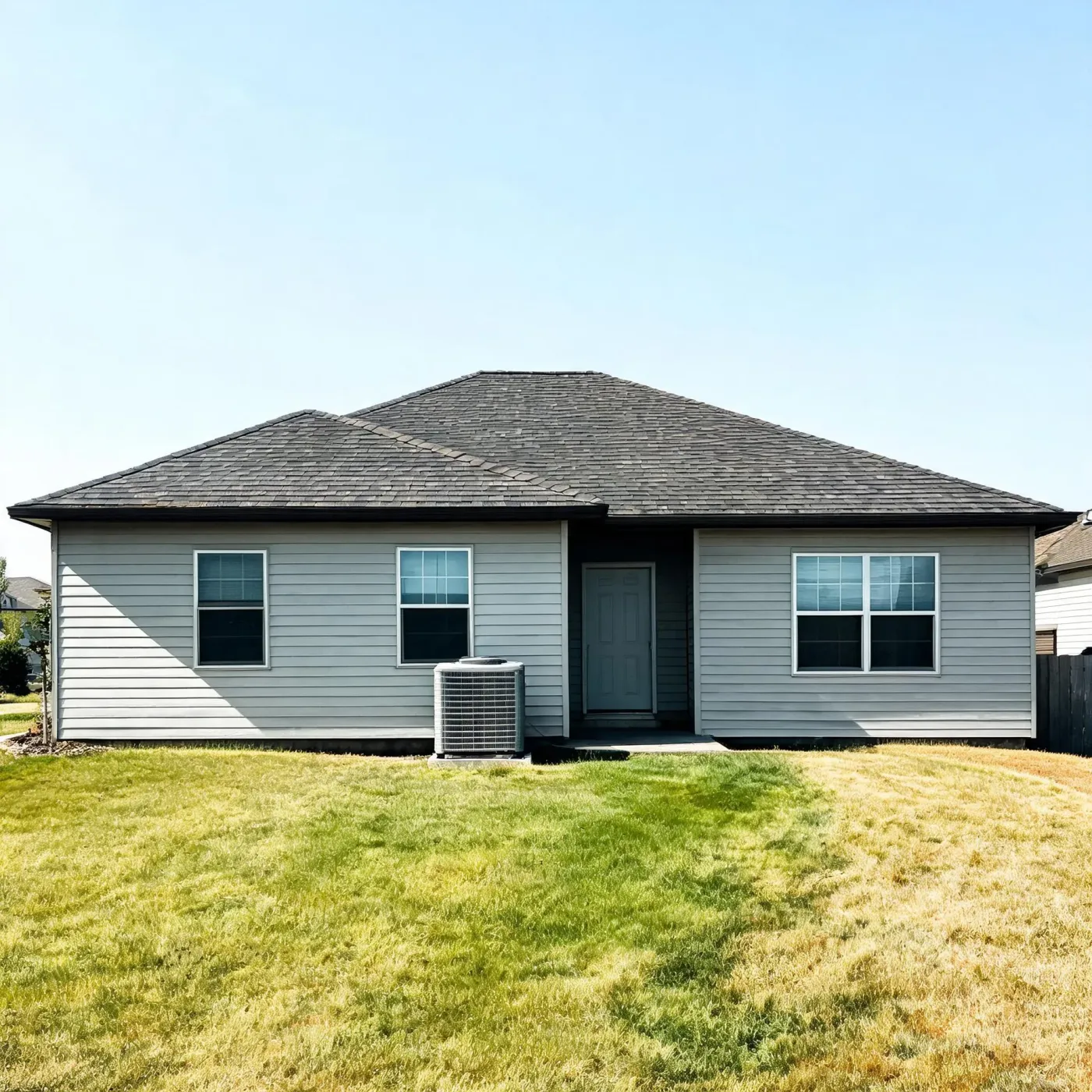
Rear view of a single-story gray vinyl-sided house with a dark shingled hip roof, three windows, a center door, an outdoor air conditioning unit, and a patchy green and brown lawn under a clear sky.

Summer air here averages a 62°F dew point across June, July and August, according to NOAA climate normals for Iowa. That is sticky air, the kind that sits on your skin even in the shade. It matters for sizing because a unit has to run long enough to wring that moisture out, not just drop the temperature on the thermostat. Size the system too big for your house and it cools the air fast, satisfies the thermostat, and shuts off, leaving the dampness behind. You end up with a room that reads 72 and still feels heavy. The right size keeps the system running long enough, each cycle, to handle both jobs at once.

NASA POWER T2MDEW county cells weighted by homes

A woman in a gray sweater and jeans stands in an open wood front door of a white stucco house while a man in a dark jacket walks toward her on the entry path.

The right size is the one matched to your house

A load calculation, not a chart, is what tells you the size your house needs. Square footage, windows, insulation, shade, all of it factors in, and two houses on the same street can land on different numbers. That's the answer, and it holds whether your house is fifty years old or five.

Getting there means someone has to actually do the calculation for your house, then size and install the unit to match. A contractor matched to your situation can take on that work, from the first look at your house through the install itself, so you're not the one tracking down who's available, explaining your house over and over to different companies, or lining up quotes side by side to figure out who actually knows what they're doing.

A mug and a small round vase sit on a wooden windowsill beside sheer and heavier curtains, with blurred autumn trees seen through the rain-speckled window and a sofa with cushions and a throw in the foreground.
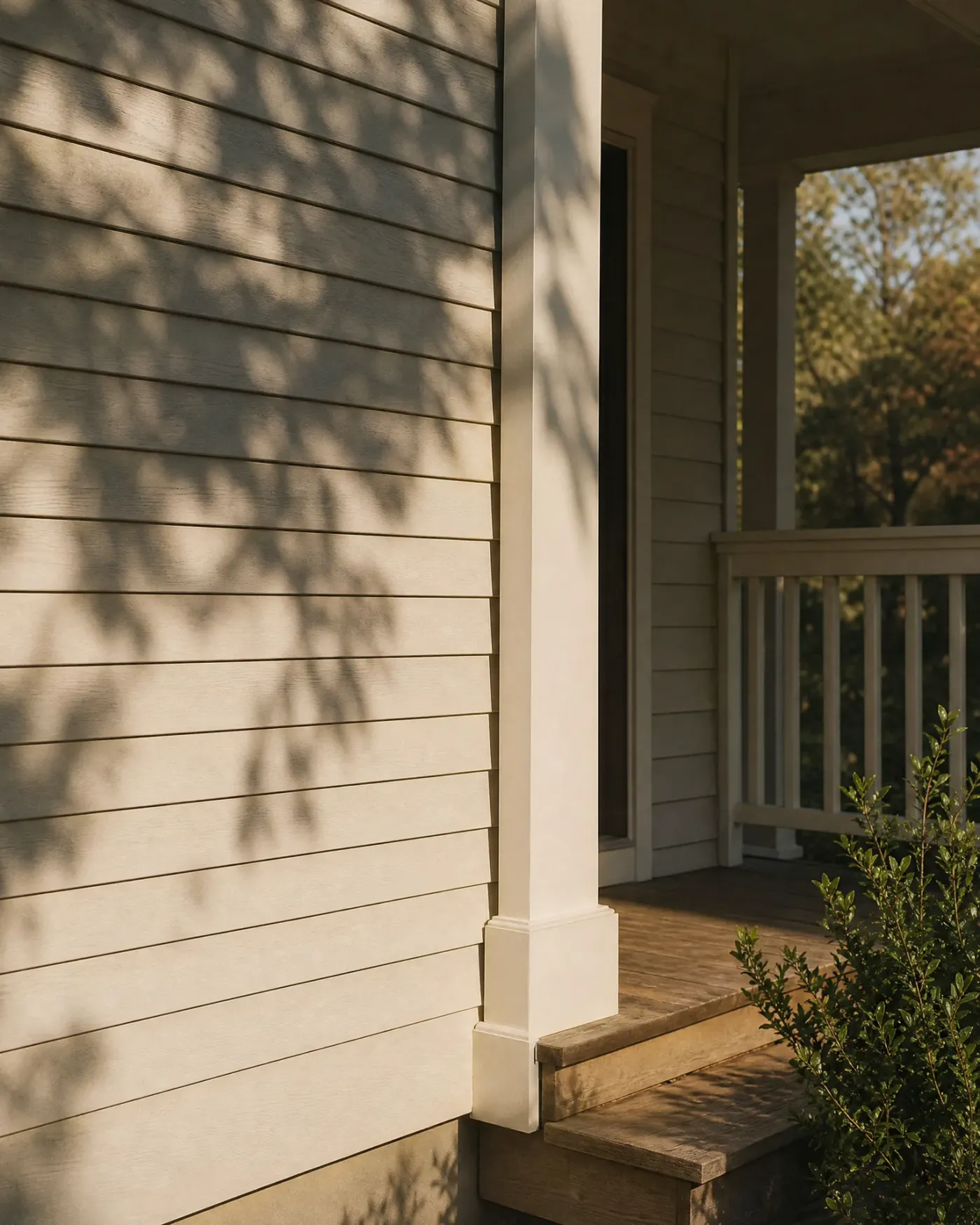
Corner of a house with cream horizontal lap siding and tree shadows, beside a covered porch with a square column, wooden deck, steps, white balusters, and a shrub at right.
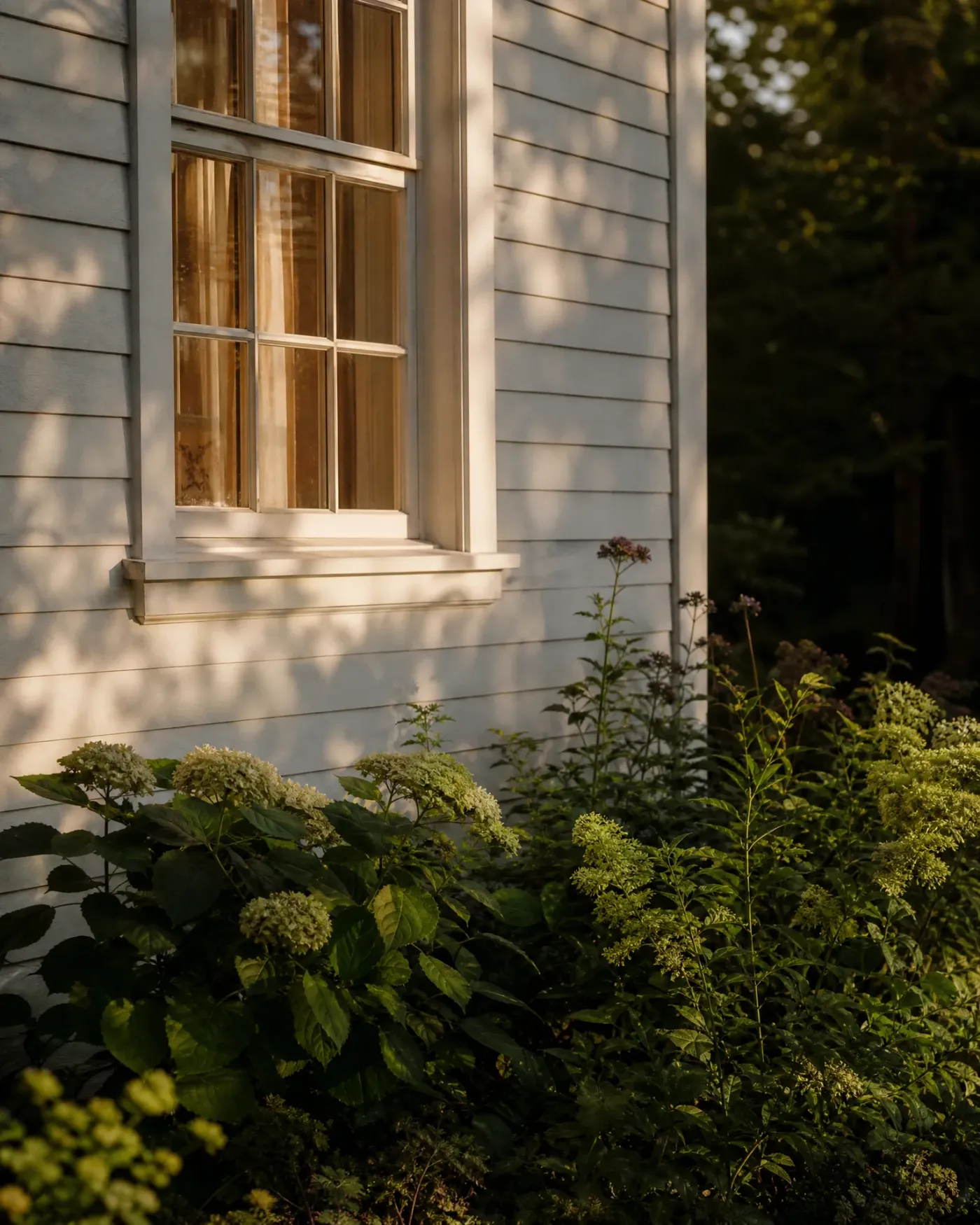
Corner of a white clapboard house with a multi-pane wood window in warm low-angle sunlight, with hydrangea shrubs and other green foliage growing along the base and dark trees behind.
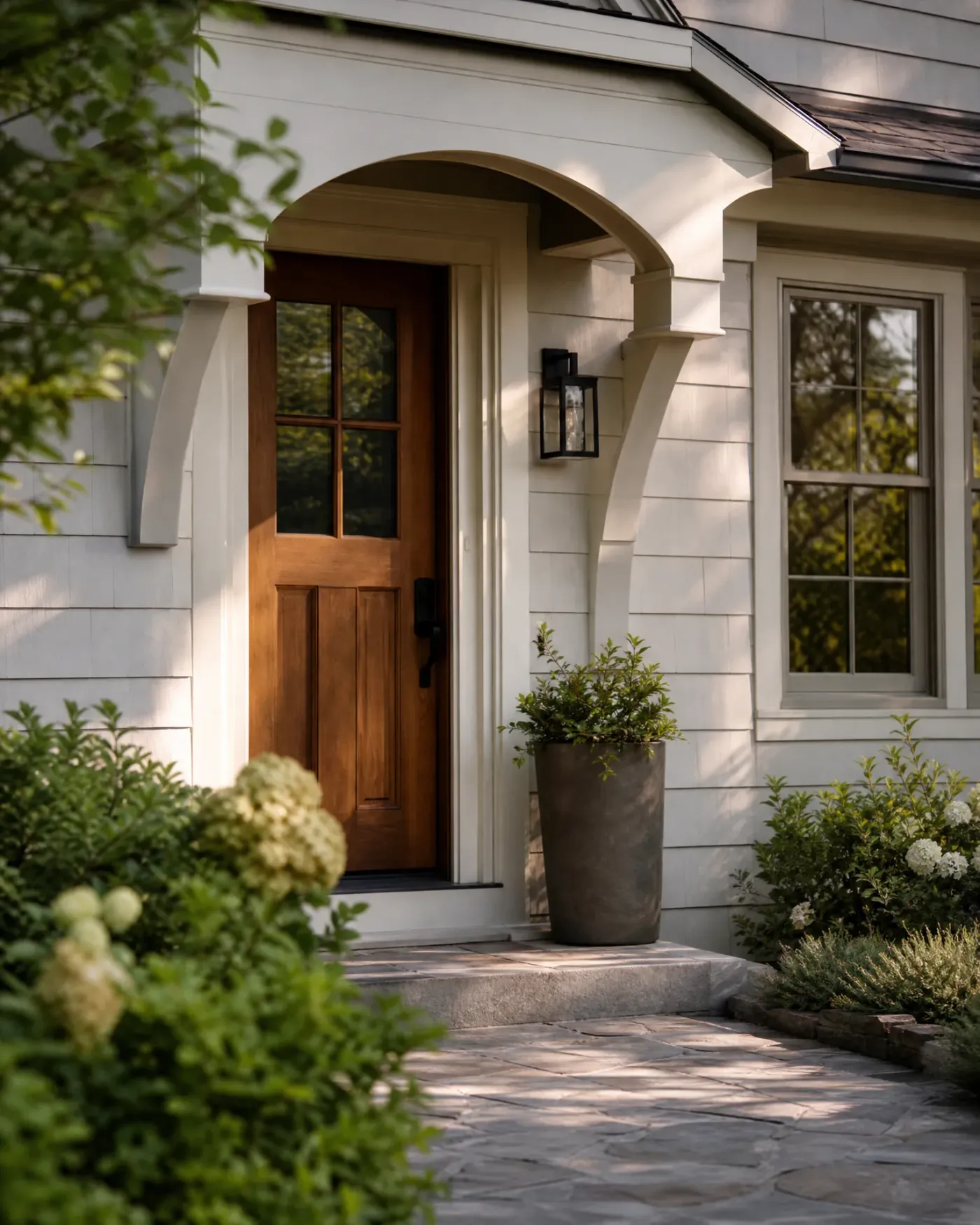
A wooden front door with divided-light glass panes set under an arched entry on a white shingled house, with a black wall lantern, a tall gray planter, flowering shrubs, and a flagstone walkway.
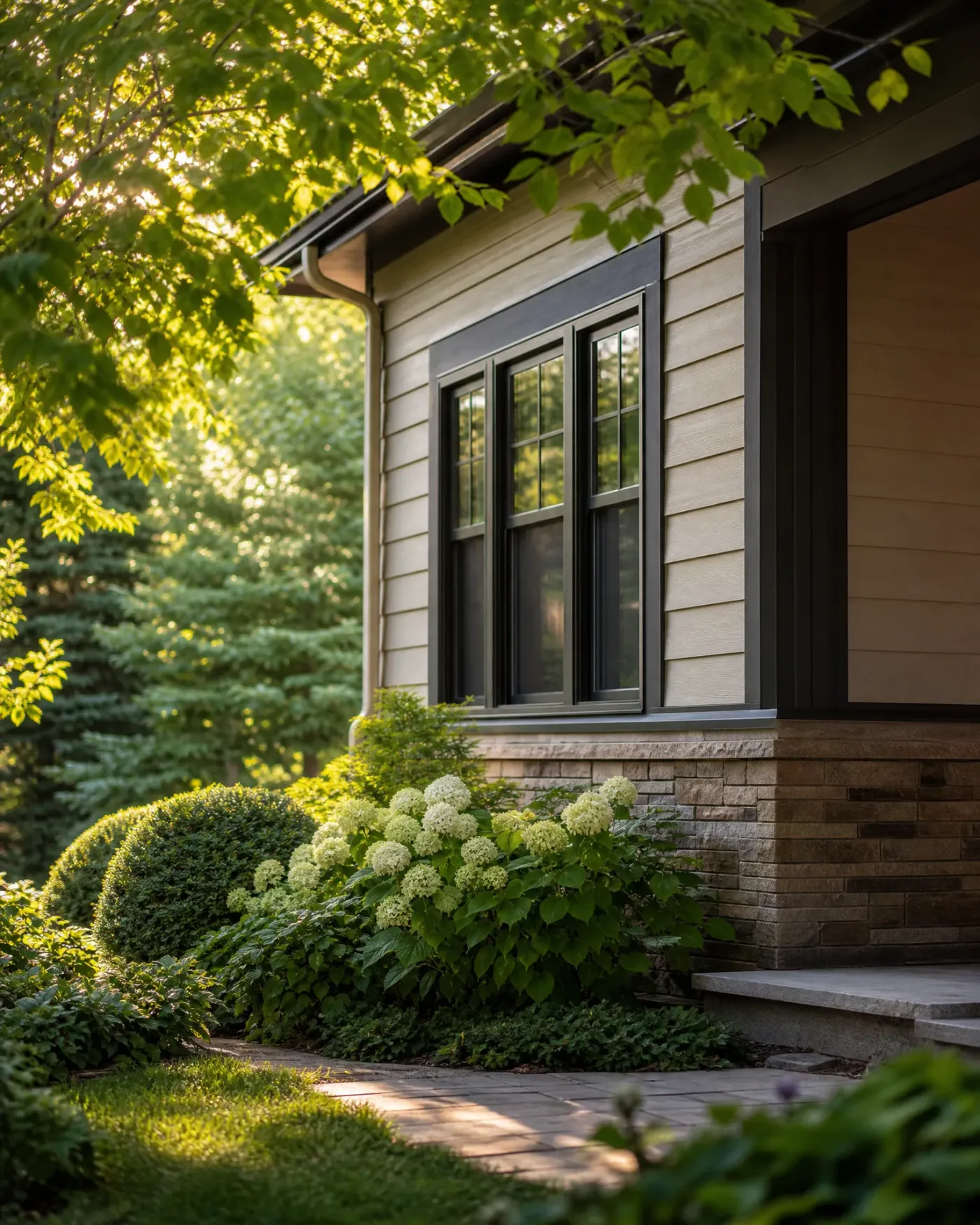
Exterior corner of a house with cream horizontal siding, a dark-framed three-section window, and a stone veneer foundation, with white hydrangeas and clipped shrubs along a paved walkway and tree branches overhead.
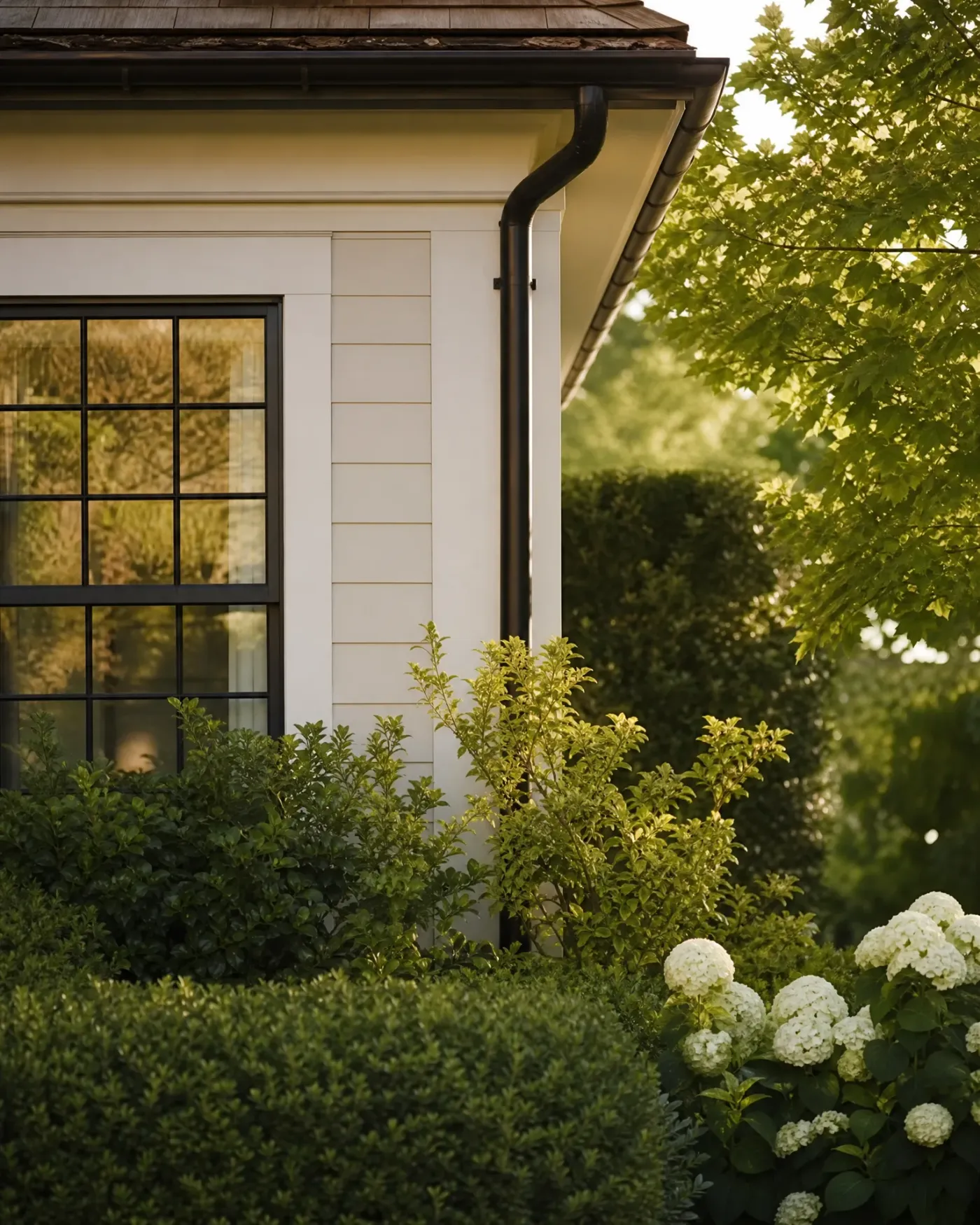
Corner of a white-clad house with a dark-framed grid window, dark downspout and eaves, surrounded by trimmed hedges, shrubs, white hydrangeas and a leafy tree in sunlight.

Get your air conditioner to the right pro

Skip the round of in-home estimates for a new air conditioner.

Get a local pro

It costs nothing to send, and you don't have to hire anyone.