
What size heat pump an Iowa home needs
There's no single size that fits every house, because sizing a heat pump right means matching it to your home's heat loss and heat gain, not just its square footage. A contractor figures this with a load calculation that looks at your insulation, your windows, and how many walls face the weather. In Iowa, winter is the harder test. A heat pump has to be sized so it still pulls enough heat from the outside air when temperatures drop, without being so large that it short cycles and leaves rooms clammy on the humid days each summer. Get it wrong on either end and you'll feel it: too small and the backup heat runs more than it should on the coldest nights, too big and it never runs long enough to wring the moisture out of the air in July. The right size comes from a room-by-room look at your house, not a chart.






Too Big or Too Small
Oversized
- An oversized heat pump cools the air fast, then shuts off before it pulls the moisture out, so the house feels clammy even at the thermostat's set temperature.
- Short cycles mean the system starts and stops more often, and starts are what wear out a compressor over the years.
- A bigger unit costs more to install, and in an Iowa summer it won't show that cost back in comfort.
- Because power here is cheap, an oversized unit doesn't punish your bill the way it would somewhere with high electric rates, but it still punishes the air in your house.
- Rooms near the thermostat satisfy quickly while rooms farther out stay warm, since the system never runs long enough to even out the house.
Undersized
- An undersized heat pump runs nearly nonstop on the hottest days and still can't hold the temperature you set it to.
- Since most homes here heat with gas, the heat pump's summer load is what sizing has to get right, and coming up short there shows up every July.
- A unit working at its limit all summer wears down faster than one running within its range.
- On the coldest days a heat pump already leans on backup heat, and an undersized one leans on it sooner and more often.
- Rooms farthest from the air handler fall behind first, and on a sticky Iowa afternoon that gap is what you'll notice.
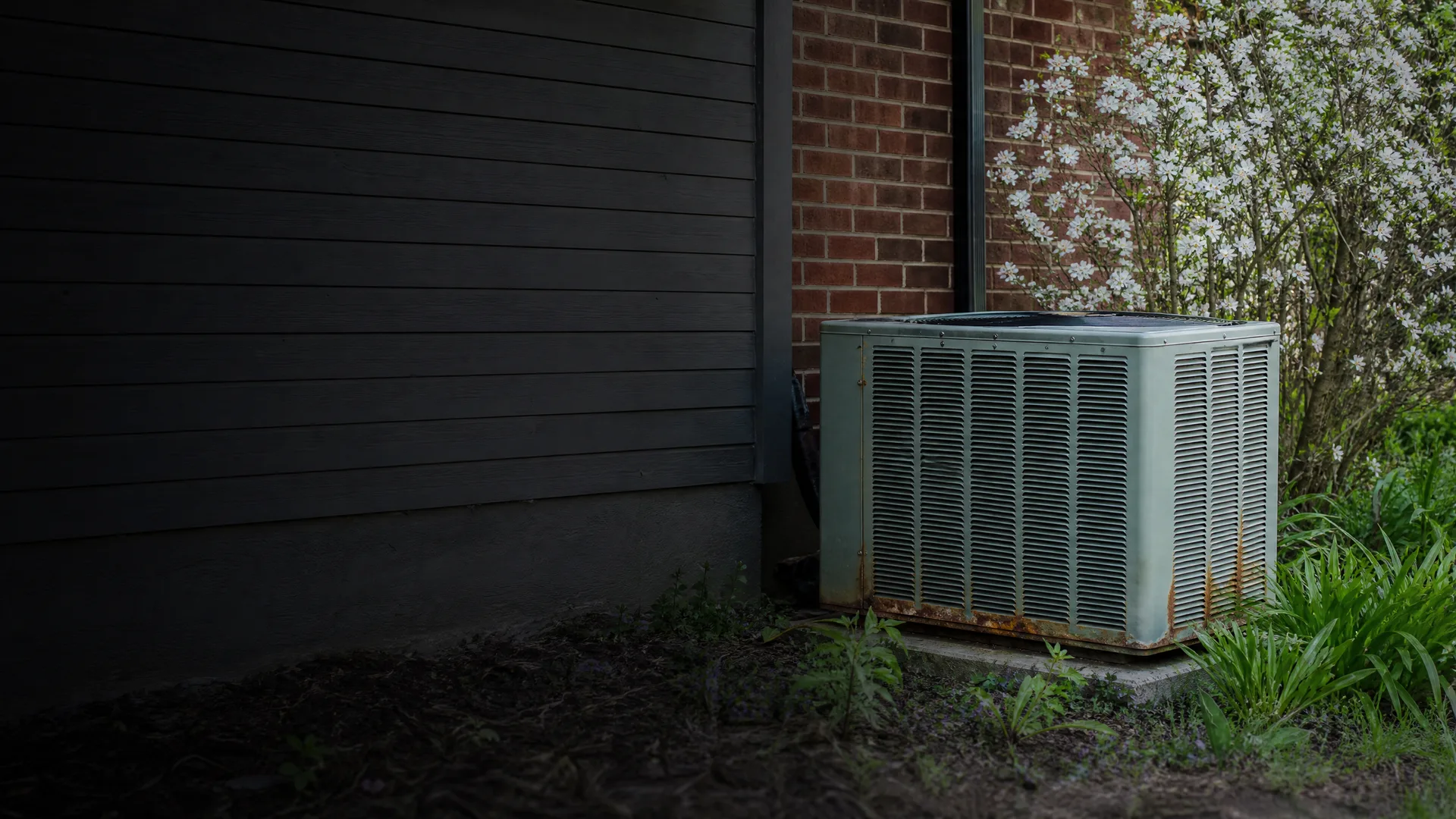
You walk out to check the unit on a mild spring afternoon, the kind that makes you think about the cooling bills ahead. Rust has crept along the base of the cabinet, flaking where the metal meets the pad. It still runs. But you notice the fins look tired, and the panel rattles a little when it kicks on. This is the unit that was sized for the house before you, or sized by someone guessing off a square footage chart. You don't know which, and standing here looking at the rust, you start to wonder if it ever matched your house at all. Once you send the request, that question becomes someone else's to answer, not yours.
Finding a pro stops being your job
Getting the size right isn't something to work out on your own, and it isn't something a general contractor should guess at either. It takes someone who runs load calculations on Iowa homes regularly, who knows how a gas furnace pairs with a heat pump here and what that means for the sizing math. That's a narrower kind of know-how than most remodeling work, and it matters more, because an undersized or oversized unit shows up in your bill and your comfort for as long as it's running. Sending in your information once puts it in front of a local contractor who does this sizing work season after season and has a feel for what tends to go wrong with a mismatched system. You're not stuck sorting through several companies or vetting who actually knows heat pumps against who just installs them. One contractor gets your request, already equipped to look at your house and tell you what size it actually needs before anything gets installed.

A summer dew point averaging 62°F across Iowa, as tracked by NOAA climate data, is the sticky range where sweat quits evaporating off your skin and the air just feels heavy. Your heat pump is the thing fighting that, pulling moisture out of the air on top of cooling it. When it's sized right, it runs long enough on each cycle to actually wring that moisture out. Sized wrong, it cools the room and quits before the humidity drops, so you end up bumping the thermostat down trying to fix a problem that isn't about temperature at all.
NASA POWER T2MDEW county cells weighted by homes


Getting Your Heat Pump Size Right
- The right size comes from a load calculation, not a square footage chart or a guess based on the old unit.
- A correctly sized heat pump runs longer, steadier cycles that pull humidity out through an Iowa summer instead of short-cycling.
- A contractor who works on heat pumps paired with gas furnaces across Iowa homes knows which sizing mistakes show up here and why.
- One local, licensed contractor takes on the job, so you're not fielding calls from several companies trying to win the work.
- Once the sizing is right, the rest of the install, matching it to your ductwork and your furnace, follows from that number.
The right size for your heat pump isn't a number you can pull off a chart. It comes from a load calculation that looks at your actual house, and once that number is right, everything else about the install falls into place behind it. Sized correctly, the unit runs long enough to wring the humidity out of the air through an Iowa summer instead of cooling the room fast and quitting, which is the part a guess almost always gets wrong.
Getting there takes someone who's done this on homes like yours before, not just once but every season. A contractor who works on heat pumps paired with gas furnaces across Iowa knows the sizing mistakes that show up here specifically, and knows them because they've corrected them. That's not a guess made from a square footage chart or a memory of what the old unit was rated for. It's a calculation run against your insulation, your windows, your ductwork, and your furnace, and a sizing decision that follows from it.
You'll work with one contractor, local and licensed, not a handful of companies calling to bid against each other. That means the person sizing your system is the same one who'll stand behind the number when it's time to install. The house stays yours to live in either way, but the difference shows up the first humid week of summer, when the system that was sized right is quietly doing its job, and the one that wasn't is working harder than it should.




Let someone else find the pro
Your request stays with one local pro.
You only hire the pro if you want to.