Gas heat is the norm here
Utility gas heats 57.8% of homes in Marshall County, with electricity and LP gas splitting most of the rest. A new AC usually pairs with the furnace already in place rather than changing how the home heats.
Takes about a minute. No obligation.
Utility gas heats 57.8% of homes in Marshall County, with electricity and LP gas splitting most of the rest. A new AC usually pairs with the furnace already in place rather than changing how the home heats.
The heating fuel doesn't change what the air conditioner needs. Sizing the unit to the house and matching it to the ductwork already there is what decides how well it cools.
NOAA nClimDiv, 1991–2020 normals
Electricity in Iowa runs 13.40 cents per kilowatt-hour, below the national average.
A new AC earns back a high efficiency rating slower here, so sizing it right to the house matters more than chasing the top SEER2 number.



Cooling here runs June through August, about three months a year. May is the month before it starts, and that makes it the month to get a new system in. Wait until the heat sets in and a failed AC becomes an install done in a hurry, on whatever timeline a crew can manage with every other call in town backed up the same week. Done in May, the install happens on your schedule. There's time to size the unit to the house and match it to the ductwork already there, not just get something running before the weekend.
Marshall County falls in climate zone 5A, where heating carries the bigger load but summers still run humid. Split-system air conditioners built since January 2023 have to meet a federal minimum of 13.4 SEER2, so that's the floor for what can go into your home. A federal tax credit is available on qualifying high-efficiency equipment, worth asking about when you compare options.
Find a contractorThree months of real use a year is a light load for an AC. June through August, with afternoons averaging 82, is warm enough to run the system most days but not hard enough to wear it down early. A standard-efficiency unit sized right to the house will get through those months without strain. There's no case here for oversizing or paying up past what the house actually needs.
A contractor has to measure the square footage, the window area, the insulation and the layout before quoting anything. Homes of similar size can still need different tonnage depending on how much sun they take on and how the rooms are laid out. That load calculation comes before any price. An undersized unit runs constantly. An oversized one cycles too fast to pull the moisture out of the air.
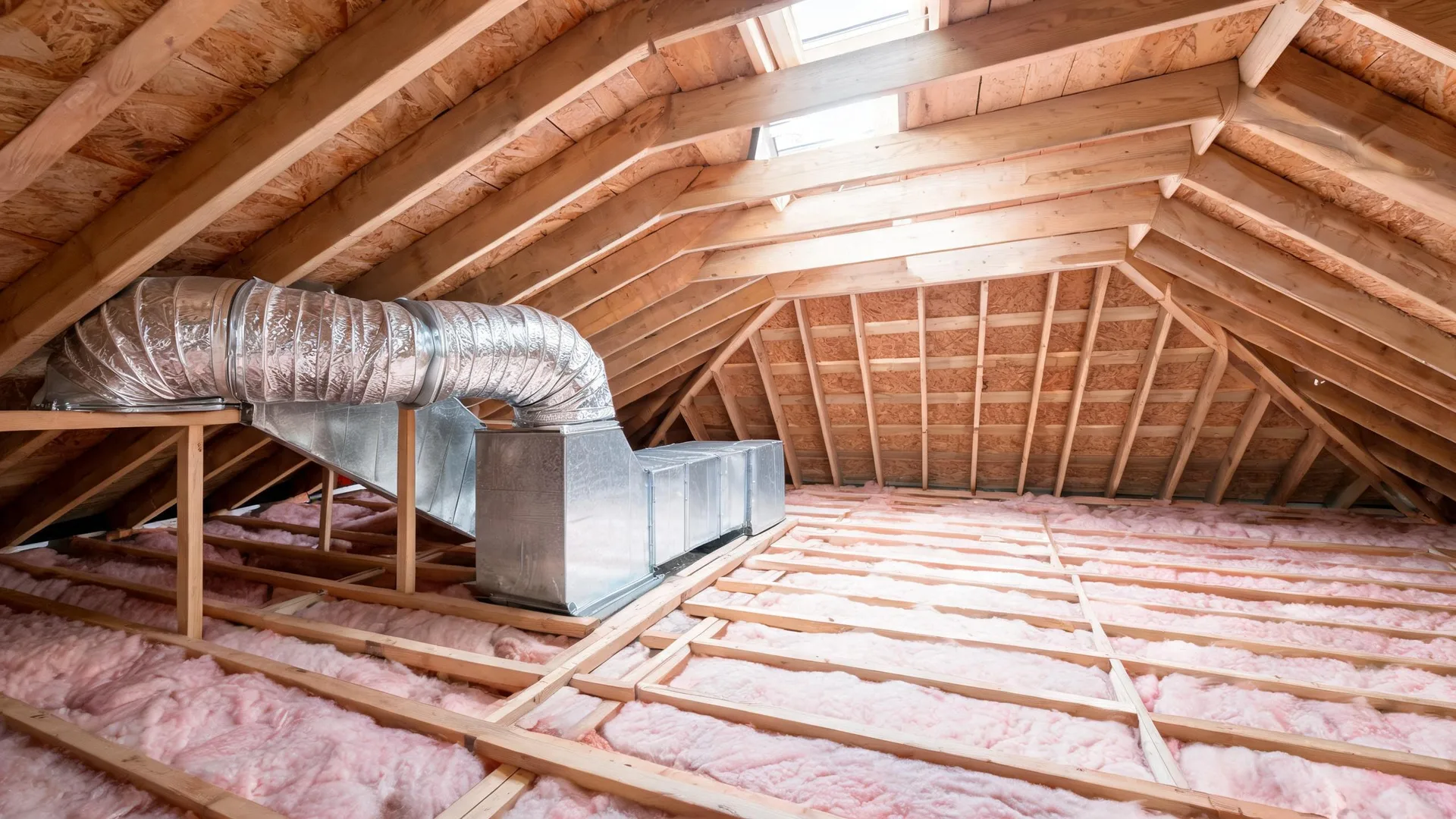
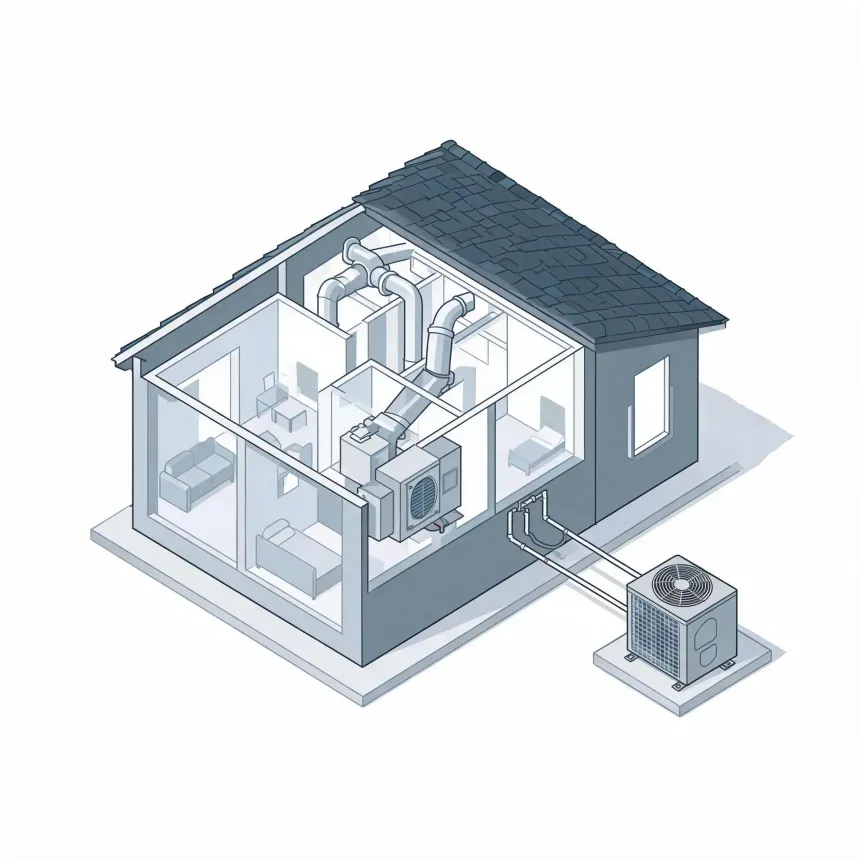
If the ductwork fits the new unit, the job is mostly a swap. New condenser, new coil, new refrigerant lines where needed. If the ducts are too small or leaky or built for a different kind of system, they need work before the AC can perform the way it's rated to. The electrical disconnect, the outdoor pad and the line set all get checked too, since any of them might need replacing alongside the unit.
Estimates for a typical Marshall County home, from EIA household energy data, Iowa fuel prices and NOAA climate normals. Your home will differ.
Install day starts with the old system coming out, the indoor coil and outdoor condenser both, along with the line set if it's not being reused. The new condenser gets set on its pad outside and leveled, since a unit that sits crooked wears its compressor harder than it should. Inside, the coil goes in above the furnace and gets tied into the plenum. Once the lines are run and connected, the system gets evacuated to pull all the air and moisture out before any refrigerant goes in. That step matters more than people expect. Any moisture left in the lines turns into acid once the system runs, and that shortens the life of the compressor. After charging, a tech checks the refrigerant level against the manufacturer's spec, tests the airflow at the registers, and confirms the thermostat is talking to the system the way it should before calling the job done.