

Running the way it should
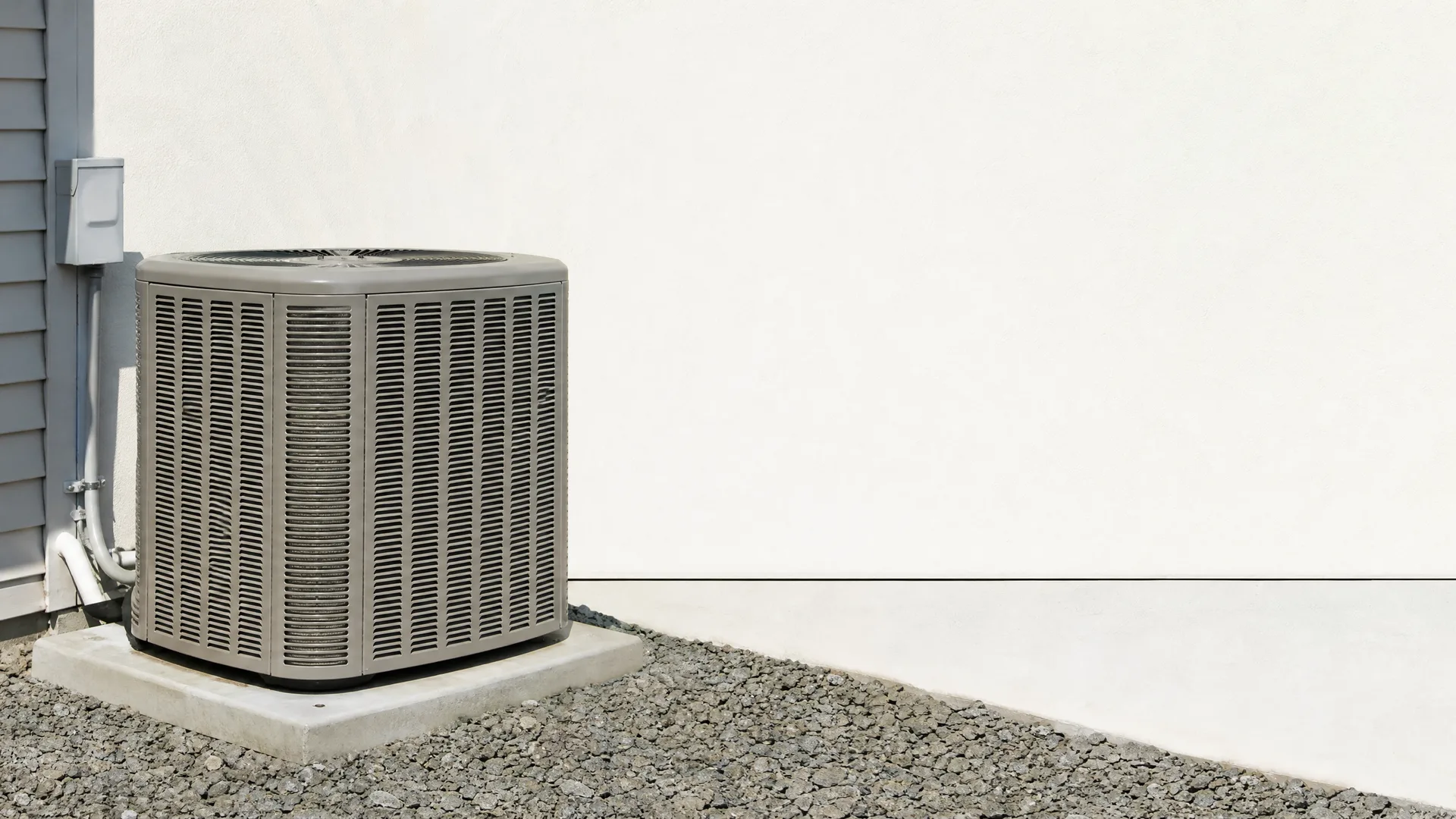
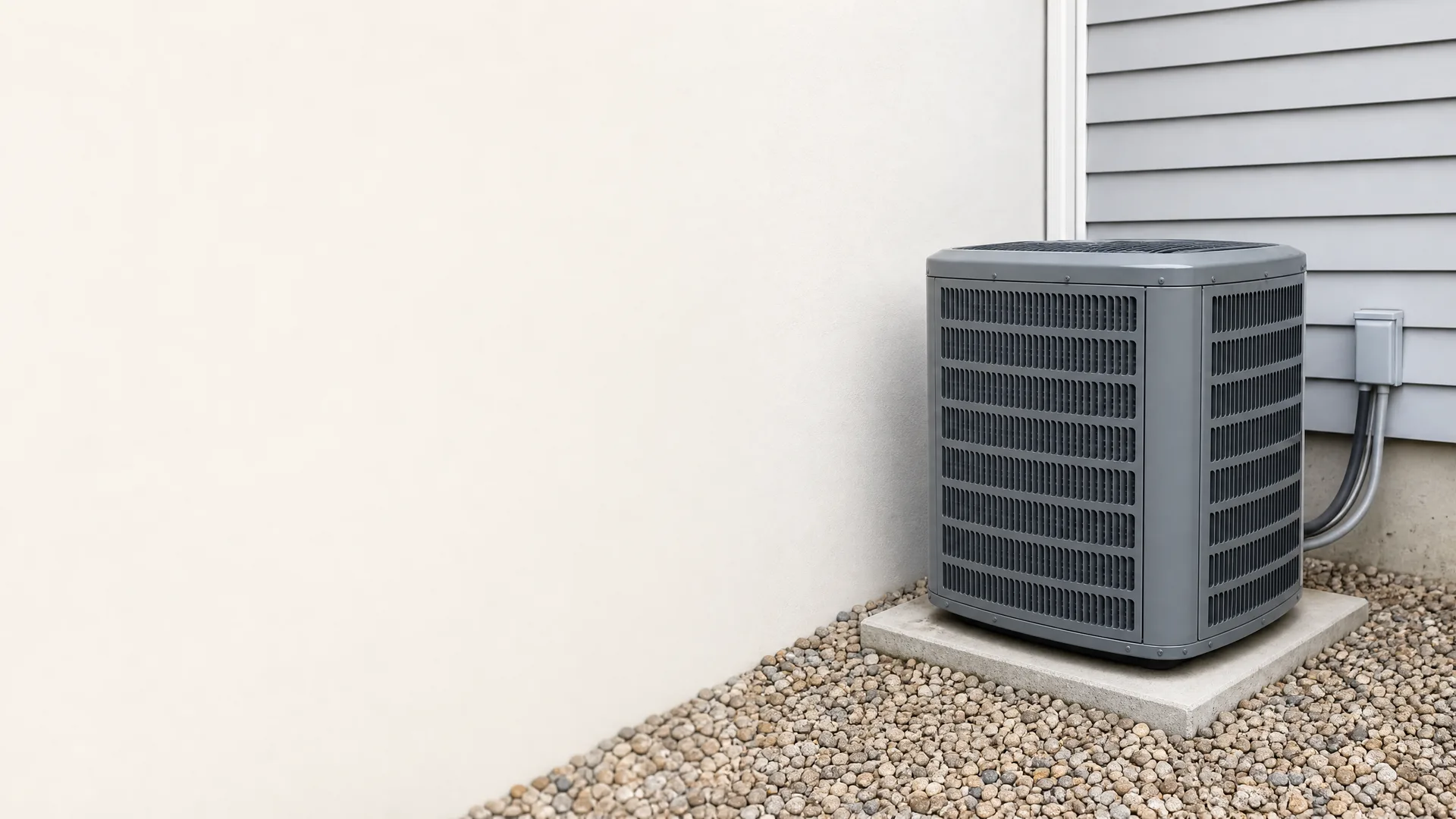
A condenser like this cycles on, holds a steady draw, and the breaker never notices it. Clean coils, a good capacitor, and tight connections inside the disconnect box keep the amp draw where the circuit expects it to be.
A breaker that trips every time your AC starts usually means the compressor is drawing too much current when it kicks on, or a part inside the condenser is shorting to ground. The compressor is the part that works hardest, and in a Clinton summer it can run for hours at a stretch once the heat and humidity settle in. A failing capacitor makes the compressor strain to start. A dirty condenser coil outside makes it run harder than it should the whole time it's on. Either one pulls more amps than the circuit is built for, and the breaker does its job and shuts it off. Sometimes it's simpler: a frayed wire or a worn contactor sending current where it shouldn't go. None of these clear up on their own, and resetting the breaker just buys you another trip later that day. It needs a licensed technician to check the compressor, the capacitor, and the wiring before you run it again.
Every compressor pulls a hard surge of current the instant it starts, far more than it uses once running. A capacitor is sized to smooth that surge. When it weakens, the compressor draws that spike longer, and a breaker rated for normal running current will trip on it. This tends to show up on the hottest, longest-running days, which is why a unit that was fine in May starts tripping in July.
A wire with worn insulation, or a contactor with burnt points, can let current leak into the condenser's metal cabinet instead of completing its normal path. A breaker trips on that instantly, often within a second of startup, instead of after the unit has run a while. That timing difference, immediate versus after a few minutes, is one of the first things a contractor checks when tracing the cause.
A breaker that trips feels like an electrical problem, so it's natural to wonder if the panel itself is at fault. Maybe it's an old breaker, or the wrong size for the circuit. You want to know whether to have an electrician look at the panel or have the AC itself checked before anything else happens.
A breaker trips because it senses more current than the circuit is rated for, and it's built to do that every single time without wearing out. If it trips only when the AC starts, and only the AC, the current is coming from the unit, not from a fault in the panel. A breaker that was simply old or undersized would trip at random times, not in step with the compressor kicking on. An electrician can confirm the breaker and wiring are sized correctly, but the repair that actually stops the tripping happens at the condenser, where a technician who works on these systems can find out what's pulling that extra current.

A condenser like this cycles on, holds a steady draw, and the breaker never notices it. Clean coils, a good capacitor, and tight connections inside the disconnect box keep the amp draw where the circuit expects it to be.

Leaves packed against the coil and a cabinet that looks aged often mean the same wear is working on the capacitor and contactor inside. A unit in this shape is more likely to pull a surge the breaker won't carry, especially on a hot Clinton afternoon.




The pro who gets in touch is licensed in Iowa and works in Clinton County.
It costs nothing to send, and you don't have to hire anyone.
It's easy to flip the breaker back and forget about it, especially if the house stays cool afterward. But a breaker trips because something downstream is pulling more current than the wire can safely carry. Reset it enough times and the risk shifts from a tripped breaker to a hot wire inside the wall or at the disconnect box. The compressor itself can also take damage if it keeps starting against a fault instead of getting looked at. The breaker tripping is doing its job. The problem is still in the condenser.
In a Clinton summer, your AC should start, hold a steady hum, and keep the house at temperature without you thinking about the breaker panel at all. You shouldn't smell anything warm near the outdoor unit or hear a hard clunk when it kicks on. If you're checking the panel every time the thermostat calls for cooling, that's not normal operation, that's a system telling you something's failing. Getting it diagnosed means someone local who works on these condensers every summer traces the draw to its actual source instead of guessing at parts.


Keep resetting the breaker and hope it holds, and you're guessing at an electrical problem with your cooling on the line. A hot stretch in Clinton is the wrong time to find out the compressor only has a few more hard starts left in it.
Call around to a few contractors, explain the tripping and the model number twice over, then sit with quotes that don't quite match. One licensed contractor local to Clinton County can look at the condenser, the capacitor, and the wiring at the disconnect, and tell you straight what's drawing the extra current.
Three months is short, but they're the months that matter. Once your AC starts tripping the breaker in June or July, you don't have the luxury of waiting it out, because the next stretch of heat is already on its way.
NOAA nClimDiv 1991-2020
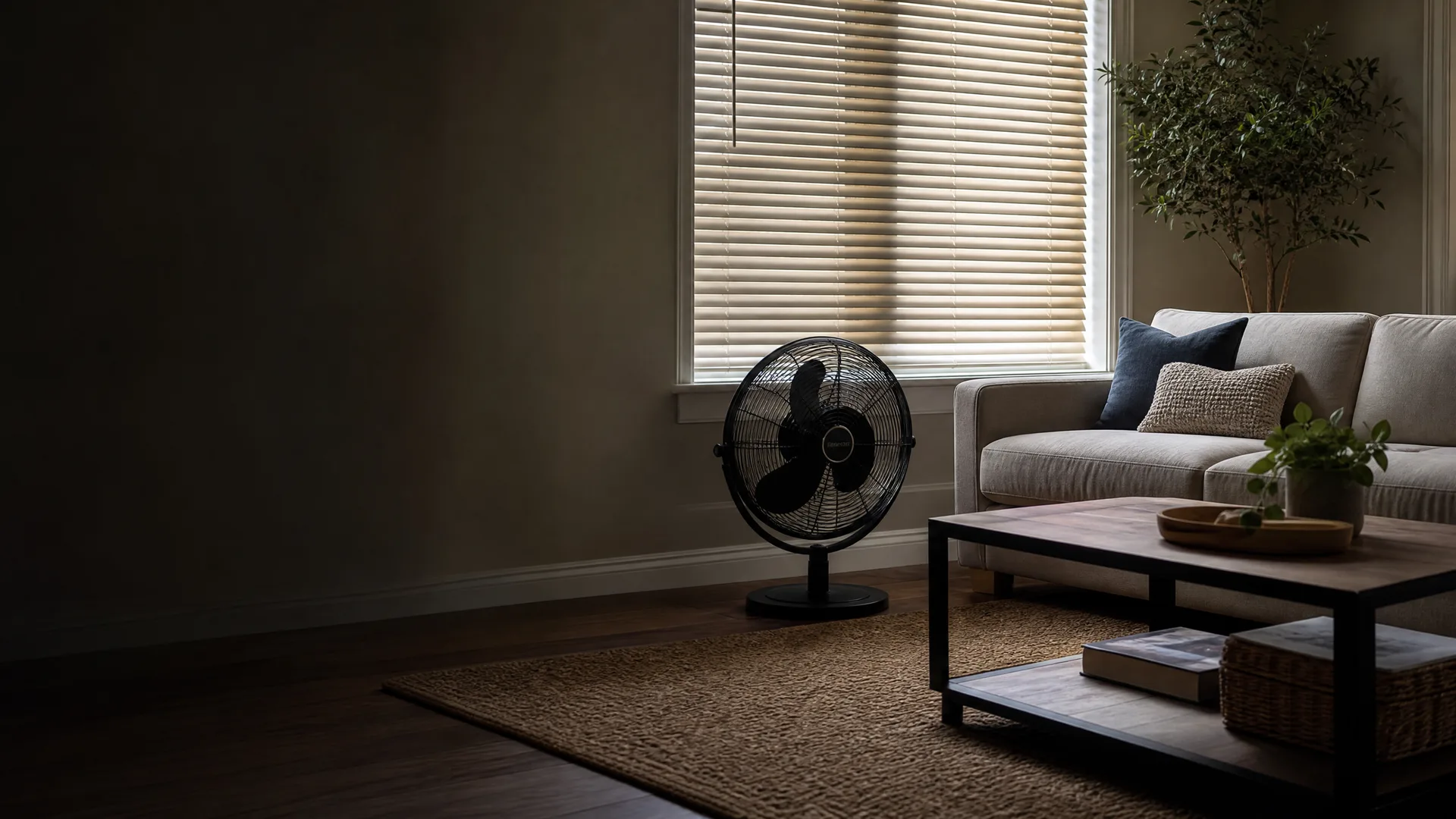
The blinds are drawn against the afternoon sun, but the living room is still warm enough that the floor fan next to the couch is doing most of the work. It's the middle of a July day in Clinton County, the kind where the air outside sits heavy and doesn't move. The AC cut out again about twenty minutes ago, that same dull click from the breaker panel in the hallway. Nobody's gone back to flip it yet. The fan pushes the same warm air around the room, and the light through the blinds hasn't changed at all. Outside, a neighbor's unit is still running fine.

A breaker that trips once your AC starts is the compressor pulling more current than the circuit can carry, whether that's a weak capacitor, a failing compressor, or a short somewhere in the condenser. That's the answer. Which one it is takes a licensed technician with a meter in hand, not another guess at the panel.
You could spend an afternoon calling around Clinton, telling each company the same thing about the breaker and the AC, waiting on quotes, trying to tell which one actually knows condensers from furnaces. Or you could skip that and get matched with one local contractor who works on this equipment all summer and already knows what a tripping breaker on a Clinton AC usually means before they pull the panel cover off.



A breaker that keeps tripping needs someone who can tell whether it's a weak capacitor, a failing compressor, or a short, and fix it once instead of letting you reset it through another hot week. Finding that person usually means calling a few companies, explaining the same problem each time, and sorting through quotes while your house sits warm. This connects you with one licensed contractor local to Clinton County who works on this equipment every summer and knows what tends to fail first.
A licensed pro who works in Clinton County gets your request.
No charge to send it. You decide if you hire them.