

Left alone
The clog or crack stays put. Water keeps finding the same low spot, the stain over that ceiling tile keeps spreading, and the damp spot by the furnace comes back after every muggy stretch.
Water showing up around your indoor unit or dripping from the ceiling below a vent is never normal, and with the humidity Dubuque summers bring, it's easy to wonder if this is just condensation getting out of hand or something more serious. You want to know what's causing it before it ruins a floor or a ceiling.
Your air conditioner pulls moisture out of the air all summer long, and that water is supposed to run off through a drain line into a pan and out of the house. When that line clogs with algae or dirt, the water backs up and spills over the pan instead. A dirty air filter can cause the same problem a different way: it starves airflow over the evaporator coil, the coil freezes, and when it thaws it dumps more water than the pan can hold. Either way, the leak means the system needs a look before it runs again, since ignoring it usually means a damaged floor, a stained ceiling, or a furnace sitting below that takes on water too.
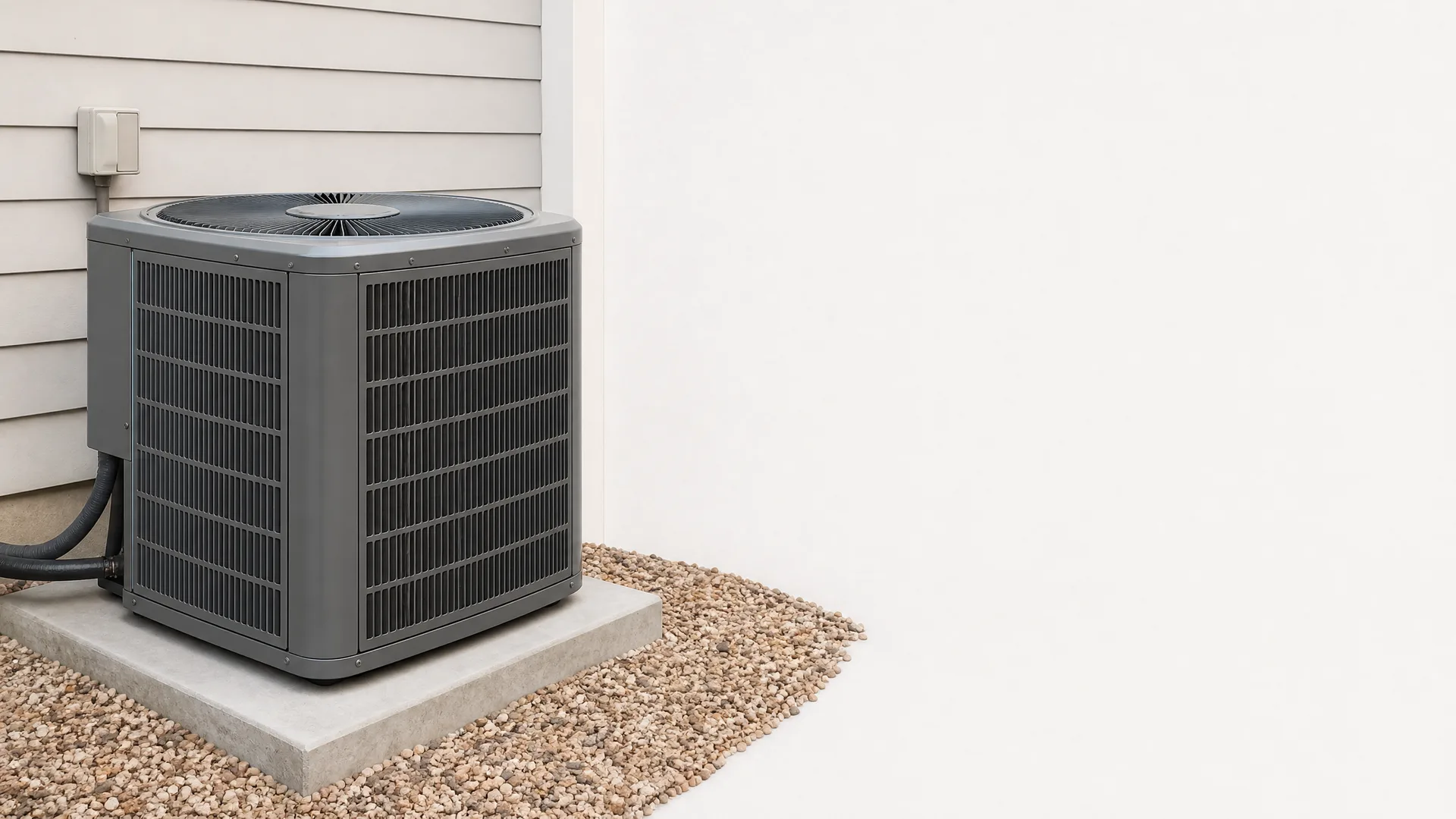
Your indoor coil pulls moisture out of the air all summer, and that water has to go somewhere. It runs down a condensate line to a drain, usually in the basement or near the furnace. Algae and dirt build up inside that line over a season or two, and once it's blocked, the water backs up into the drain pan and spills over. That overflow is what shows up as a puddle or a ceiling stain below the vent.
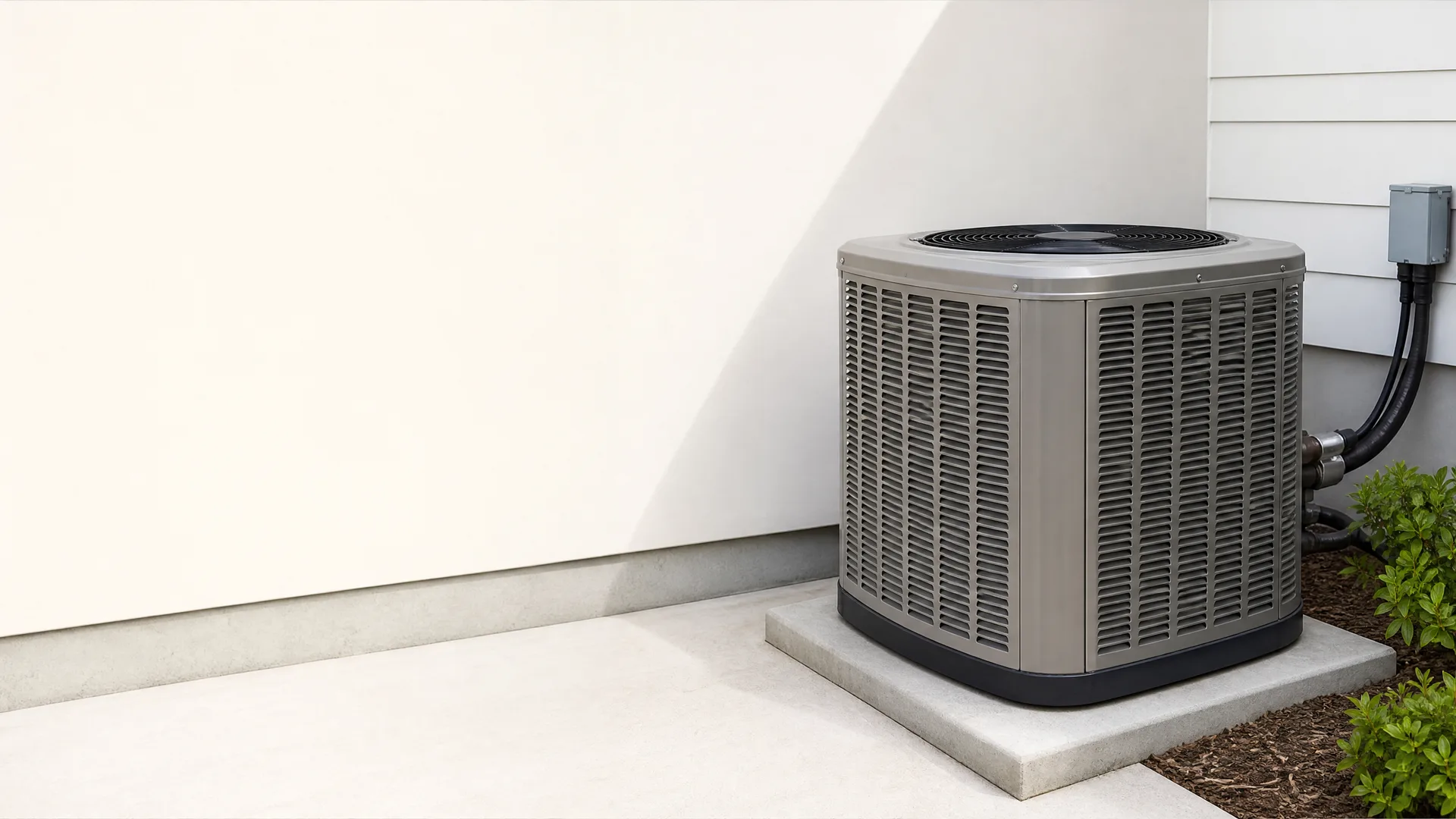
A clogged filter cuts off airflow across the indoor coil. Without enough air moving over it, the coil gets too cold and ice forms on it instead of water draining away normally. When that ice melts, usually when the system shuts off or you run the fan, it melts faster than the drain pan can handle. A filter that hasn't been changed since last summer is worth checking before anything else.




A damp patch on the basement floor near the furnace, a musty smell that wasn't there before, or a stain spreading across a ceiling tile under a vent upstairs. Sometimes it's just a puddle that shows up after the AC has been running for a few hours on a hot, sticky Dubuque afternoon. If the water's been sitting a while, you might see the drywall around it starting to soften or the paint bubble. Left alone, that moisture can feed mold in the basement or warp the subfloor and ceiling material above. None of that fixes itself, and the longer the water keeps finding its way out, the more it touches on its way down.
Warm air passes over the indoor coil and the coil pulls moisture out of it.
That water drips into a pan built under the coil.
The pan drains through a condensate line toward a floor drain or outside.
Algae or dirt inside the line blocks the water's path.


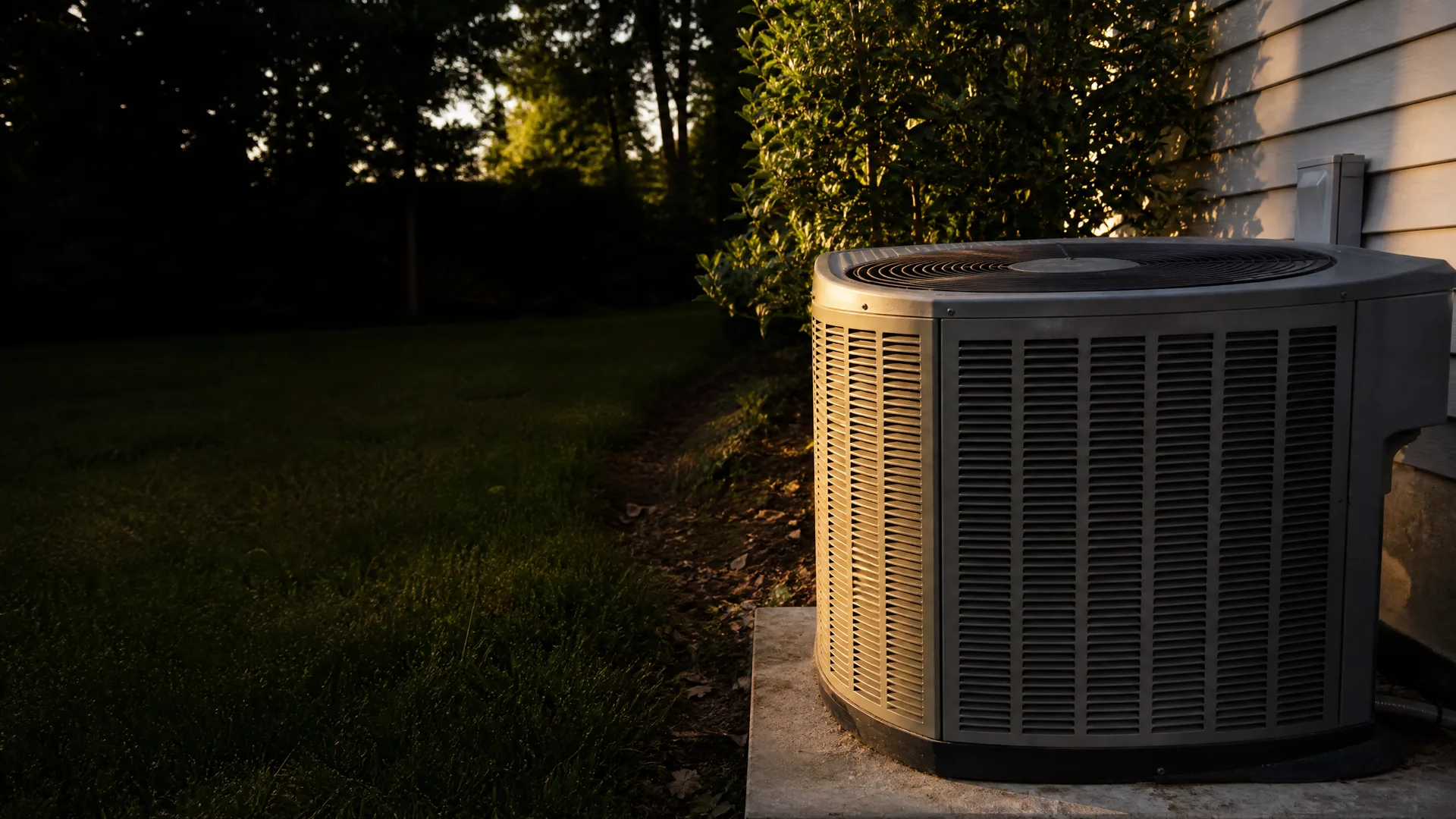
The sun is low over the yard, that heavy gold light you get on an August evening in Dubuque County. The condenser sits against the house, and the fan inside it isn't moving. No hum, no air pushing out the top. Inside, you're wiping up another ring of water from the carpet near the floor vent, the fourth time this week. The dripping stopped an hour ago on its own, the way it always does once the system shuts off and quits pulling moisture out of the air. You crouch by the unit anyway, checking for ice on the lines, but it's clear. Whatever is wrong is somewhere you can't see from the backyard.
Water on the floor by your furnace or a stain creeping across a ceiling tile is not something to watch for a few days and see what happens. That line can back up again before you get to it next, and a stain over drywall only gets bigger. A local contractor who works on these systems all summer has seen this drain line problem more times than almost anything else that comes up in Dubuque County, and knows where these lines run in basements like yours and what usually clears them. Sending the request means one contractor gets your address and what you're seeing, not a list of companies working from guesses. You stop tracking down who's available and who answers the phone, and that part of it is handled. Meanwhile, keep a towel or a shallow pan under the spot that's dripping, and skip running the AC hard until someone has looked at the line.

That drain line has to carry off more water here than it would somewhere drier. Dubuque County sits at a summer dew point of 62°F, NOAA's average for June, July and August, and air that heavy means the coil is pulling moisture out of your house for hours at a stretch, all summer long. More water moving through that line means more chances for the algae inside it to build up and catch somewhere. It's part of why the clog shows up here, and why it tends to show up again once the line's been run hard for a few weeks straight.
NASA POWER T2MDEW


Most of the drain line running from your coil is three-quarter-inch PVC, narrow enough that algae can bridge it and seal it shut without much warning. When that happens, the water does not always show up at the coil first. A lot of systems route it instead through a secondary pan or past a float switch, a small safety built to cut the AC off before water reaches your floor. That switch only works if it is wired the way it was meant to be. On some systems it gets bypassed or skipped during a past repair, and then the unit keeps running straight through a full pan with nothing to stop it. There is also a p-trap built into the line on purpose, holding a bit of standing water to keep sewer gas from coming back up through the drain. Let that trap dry out and you can end up with a smell that has nothing to do with the leak itself. Older metal pans add one more wrinkle: years of sitting wet can rust them through, and at that point the pan is the leak.


The clog or crack stays put. Water keeps finding the same low spot, the stain over that ceiling tile keeps spreading, and the damp spot by the furnace comes back after every muggy stretch.
A local contractor who knows these drain lines clears or repairs it, checks the pan and the coil, and the water stops showing up inside your house.
Three months is all your AC gets, but it's three months of hard, steady running. That coil is pulling water out of the air almost every day from June through August, and the drain line carries every drop of it. A clog doesn't get much of a break to show itself slowly, it backs up fast.
NOAA nClimDiv 1991-2020
Water inside the house almost always comes down to the drain line or the pan under the coil. Not the outdoor unit, not the refrigerant, just a three-quarter-inch pipe doing its job until algae or dirt blocks it. Once that line is clear, the water has somewhere to go again, and the stain by the furnace or the ring on the ceiling tile stops growing.
Someone who works on these systems through every muggy stretch in Dubuque County has seen this exact clog before, usually at the same spot in the line. That's the kind of job a local contractor handles quickly, because it's familiar, not because it's rare.
Sending one request means one contractor looks at your system, not a handful of companies competing for the callback. You get someone who knows what a Dubuque summer does to a condensate line and can check the usual spot first instead of guessing.
None of this fixes itself. The clog stays put until it's cleared, and the next humid day just pushes more water against it. A small backup now is a lot easier to deal with than a soaked ceiling tile or an overflowing pan later. The leak has a cause, the cause has a fix, and the fix is usually quick once someone who knows these lines is standing in front of it.
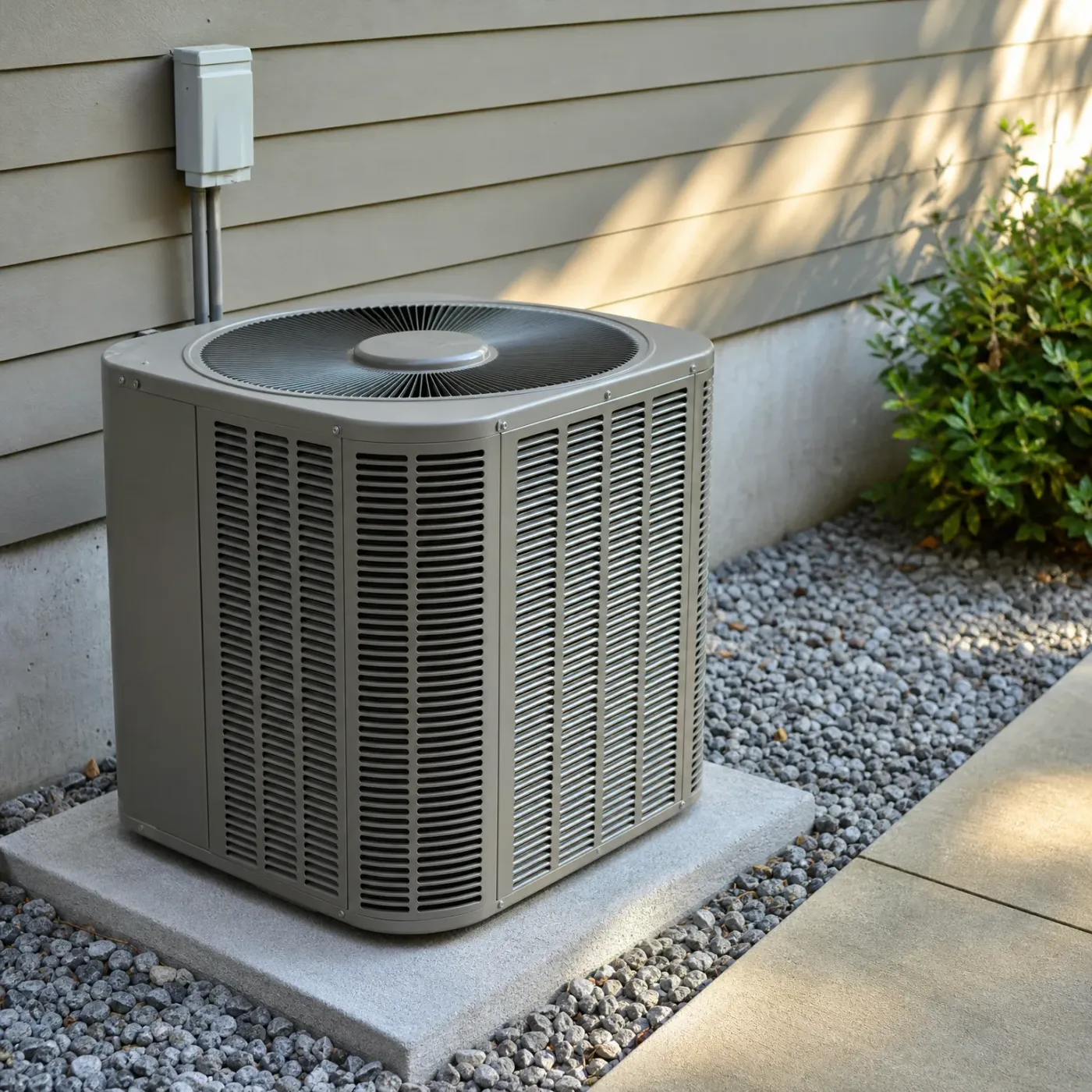
A licensed pro who works in Dubuque County gets your request.
Sending the form costs nothing.