



AC leaking water inside in sticky Iowa summers

Explain the job once and skip repeating it on every call.

Start one form

Why is my AC leaking water inside my house?

Water showing up around your indoor unit or dripping from the ceiling below a vent is never something to wait out, especially once Iowa's summer humidity sets in. The air your system pulls in this time of year carries a lot more moisture than it does in January, and that moisture has to go somewhere. When it ends up on your floor instead of outside through the condensate line, something in that drainage path has gone wrong.

It's almost always a clogged or broken condensate drain

Your AC pulls moisture out of the air and that water is supposed to run out through a drain line to the outside. Algae and dirt build up inside that line over time and block it, so the water backs up and spills out of the drain pan instead. The pan itself can also crack, or the line can come loose where it connects. Iowa's humid summers push your system to pull more water out of the air than it does the rest of the year, which means more water moving through that line and more chances for a clog or a weak spot to show itself. A contractor can clear the line, check the pan, and confirm nothing else is pushing water where it shouldn't go.

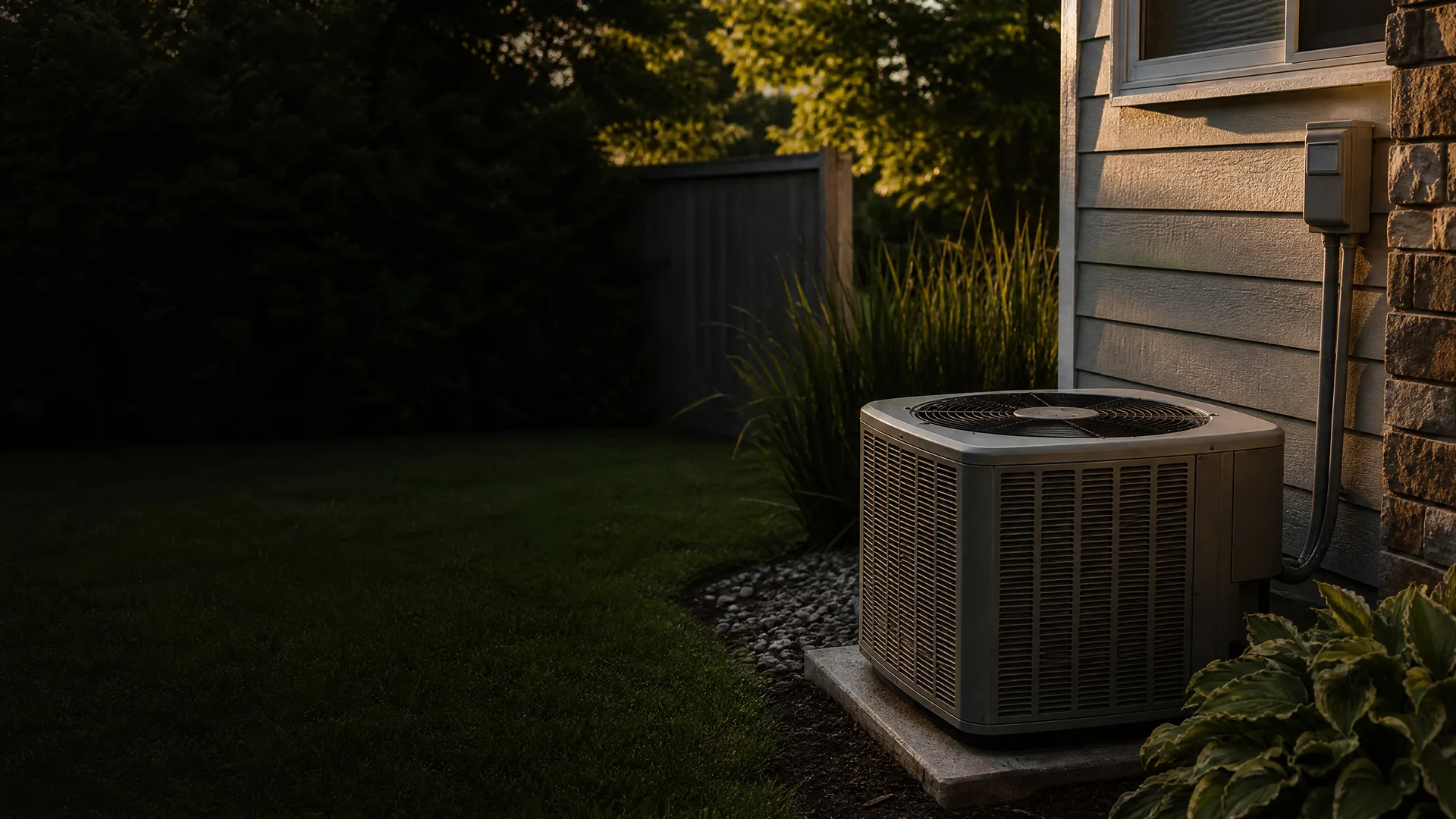
An outdoor air conditioning condenser unit sits on a concrete pad beside a house with horizontal siding and a stone-faced corner, next to a lawn, ornamental grasses and a wooden fence at dusk.

You're out back around seven, grass still warm underfoot, and you notice it's quiet. Too quiet. The condenser fan isn't spinning. You walk over and put a hand near the unit and feel no air moving through it at all. Inside, the window units are working themselves to death. Low sun is cutting across the yard, gold and heavy with the kind of humidity that's sat over Iowa for weeks. You think about the drip you noticed earlier near the vent in the hallway and it starts to make sense. If this outdoor fan isn't moving air, that water isn't going anywhere good tonight.

A closed laptop and a ceramic mug of dark coffee sit on a wooden table, with a blurred kitchen counter, potted plant, wooden utensils and cutting boards, and a large window in the background.

Where the water is actually coming from

Your AC pulls humid air across a cold evaporator coil inside the air handler. That coil's job is to condense moisture out of the air, same as a cold glass sweats on your porch in July. The water that comes off it drips into a shallow pan underneath, then runs out through a condensate drain line, usually PVC pipe, that's supposed to carry it outside or to a floor drain. When that line clogs with algae and dust, which it builds up every summer, the pan fills and overflows into your house instead of outside where it belongs. A dirty air filter can do the same thing a different way, starving the coil of airflow until it ices over, then dumping a mess of water when it thaws.

Finding out which one is happening in your house, and clearing it the right way, means someone needs to look at the pan, the trap, and the line itself. That's not a call you want to make three times to three different companies, describing the same drip on your ceiling each time. One licensed contractor near you, who deals with this exact clog every time Iowa's humidity climbs, can trace it to the source and clear it properly the first visit.

Interior corner with sheer white curtains at a window, a brown upholstered sofa in the foreground, and a wooden multi-drawer cabinet holding a round ceramic vase with leafy branches.
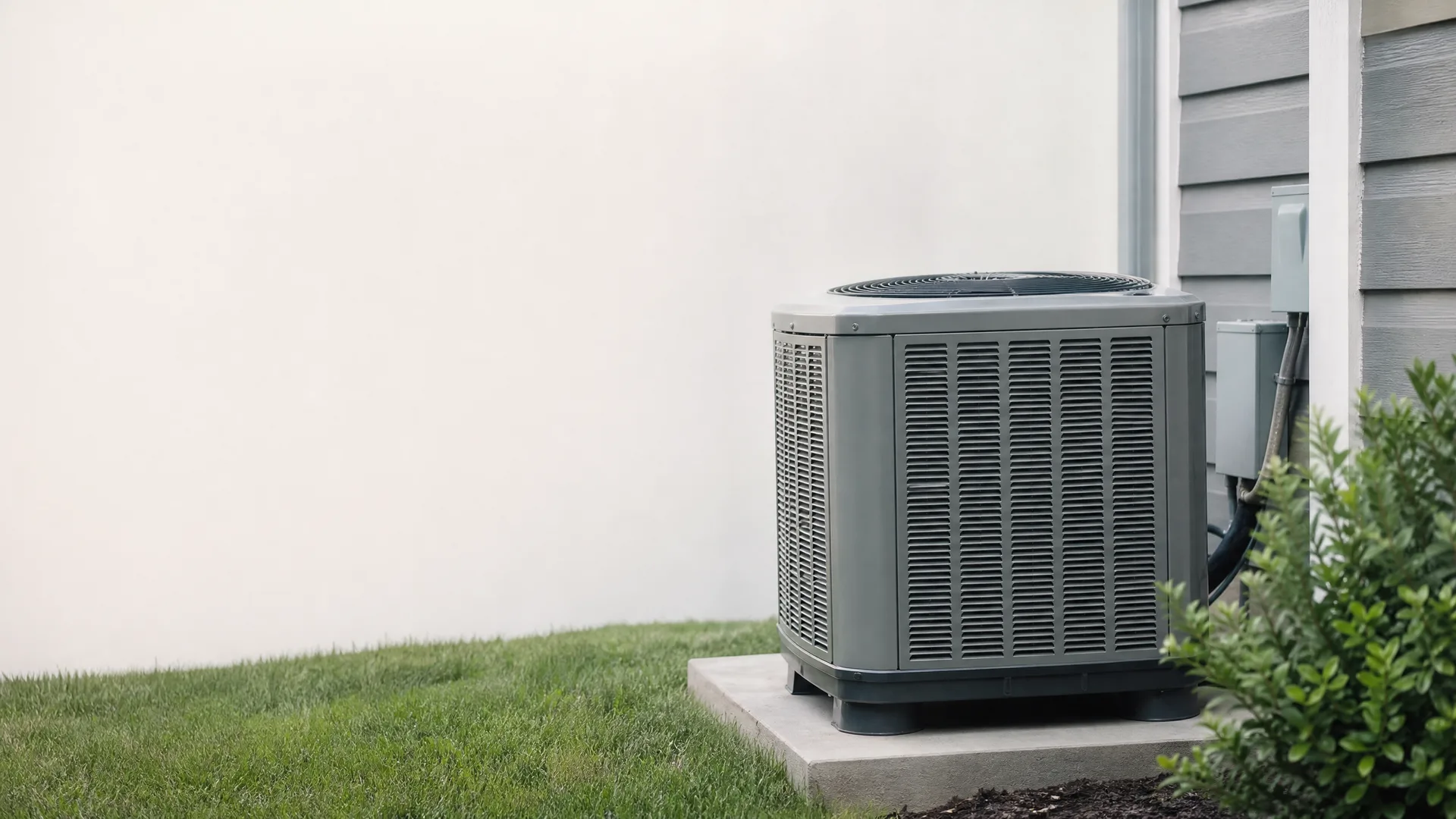
A gray outdoor air conditioning condenser unit on a concrete pad beside a house with horizontal siding and a stone veneer base, with a wall-mounted disconnect box and conduit, next to a shrub bed and a concrete patio.

Drain line clear, condensate pump working

Air moves through the fan grille and the pad underneath stays dry. The line running from the coil pan has a clear path to the drain, so condensation leaves the house instead of backing up into the pan or down through the ceiling below a vent.


An outdoor air conditioner condenser unit on a concrete pad beside a house with light gray vinyl siding, with a gray electrical disconnect box and conduit on the wall, gravel beds and dried plants nearby, and a concrete sidewalk in the foreground.

Clogged line, cracked pan, or a pump that's given out

Algae and dirt build up inside a condensate line over a few summers and eventually block it. A rusted-through pan or a condensate pump that's stopped kicking on does the same thing. Once that happens, the water backs up and finds the nearest way down.

A weathered outdoor air conditioner condenser unit on a concrete pad beside a house with horizontal vinyl siding, with a conduit and disconnect box on the wall to the right.
Before you get your air conditioner repair
A gray outdoor air conditioning condenser unit on a concrete pad beside a house with horizontal lap siding, with a conduit and electrical disconnect box on the wall and a green shrub in mulch to the right.
After you get your air conditioner repair

One form, no calling around

Your request stays with one local pro.

Sending the form costs nothing.

A gray outdoor air conditioner condenser unit on a concrete pad beside a house corner with lap siding and a stucco wall, surrounded by mown green grass.

Why the pan overflows first

The drain pan under the coil is shallow by design, built to catch a steady trickle, not a backup. When the drain line clogs with algae or dirt, water has nowhere to go but up and over the pan's edge. In a sticky Iowa summer, the coil pulls more moisture out of the air than it does in a dry stretch, so a clogged line fills that pan faster and the overflow shows up sooner.

An outdoor air conditioning condenser unit on a concrete pad beside a house with light stucco and lap siding, with mown grass to the left and a green shrub to the right.

What a float switch does

Many air handlers have a float switch sitting in the drain pan or the line itself. When water rises past a set point, the switch shuts the system off before it overflows onto your floor or ceiling below. If your AC stopped cooling but didn't trip the breaker, a tripped float switch is worth checking before anything else, since it points straight at a drainage problem rather than a refrigerant or electrical one.

What are you noticing in your house right now

A dark ring or soft spot on the ceiling under a vent. A damp patch in the carpet or a warped edge on the floor near the air handler closet. Sometimes it's a musty smell before you see anything, coming from water sitting somewhere it shouldn't. If the unit is in the attic, you might not notice until the stain shows up on the drywall below. Left alone through a stretch of Iowa humidity, that moisture doesn't dry out on its own. It can soften drywall, stain ceilings, warp flooring, and give mold a place to start, especially in a closed-up closet or attic where the air doesn't move.

A middle-aged man with grey hair and a beard, wearing a grey knit sweater, sits on a light sofa in a sunlit living room with a houseplant, wooden cabinet and framed landscape picture behind him.
A man with greying hair and a beard in an olive sweater sits on a sofa in a living room, looking to his left, with an armchair, round side table and large glass doors onto trees behind him.
A gray-haired bearded man in a dark blue shirt over a white t-shirt sits on a leather sofa in a living room with built-in shelves, a floor lamp, an armchair and large windows, looking off to the side.
A man with gray-brown hair and stubble in a dark sweater sits on a light-colored sofa in a living room, looking off to the side, with a houseplant, framed picture, shelving and a sunlit window behind him.

Let it keep leaking and the water finds the drywall, the subfloor, or the ceiling below, and now you're dealing with two repairs instead of one.

Get the drain line cleared and the pan draining right, and the same humid air that caused the backup just runs off outside where it belongs.

A woman with shoulder-length graying brown hair in a cream knit cardigan sits in a dark armchair indoors, looking off to the side with a slight smile, with a shelf, window and houseplant blurred behind her.
A woman with dark hair in a bun sits on a sofa with a child resting his head on her shoulder, both wrapped in a cream knit blanket, with a lit lamp and bookshelf in the dim background.

Call around, explain it again each time

You'd be describing the same ceiling stain and the same drip to three or four companies, then sorting through quotes to figure out who actually knows condensate systems.

Fill out one form

One local contractor, matched once

A contractor who works on Iowa AC systems all summer gets your situation once and comes out to look at the drain line and pan, no repeat calls to make.

Fill out one form

Power costs 13.62 cents per kilowatt-hour statewide

At 13.62 cents a kilowatt-hour, running your AC harder to keep up with a clogged drain line costs you more than the repair would. A system fighting a backed-up pan draws more power trying to cool the same muggy air, and you pay for that on every bill until the line gets cleared.

EIA-861 2025 statewide residential average

A gray outdoor air conditioner condenser unit on a concrete pad beside a house with horizontal lap siding, with a wall-mounted disconnect box and conduit at left and a green shrub and mulch bed at right.
The fan spins, the coil stays cold, and the pad under the unit stays dry because the water draining off that coil is leaving the house through the line, not backing up into it.
An outdoor air conditioner condenser unit on a concrete pad beside a house with horizontal lap siding, with a conduit running to a gray electrical disconnect box on the wall.
The pad around this unit stays wet even on a dry day, a sign the line running inside has already clogged and water's finding another way out.
  1. Humid air crosses the cold evaporator coil inside the air handler.

  2. Moisture condenses off the coil into the drain pan below it.

  3. The pan feeds a drain line that carries water outside.

  4. Algae or dirt clogs the line and water backs up into the pan.

A leaking AC almost always comes down to one thing: the drain line isn't carrying water out of the house anymore, and until that's cleared, the humid air you're breathing right now will keep finding its way to your ceiling or your floor instead of outside where it belongs. That part of the job is the same in every Iowa house, but what's clogging the line and what shape the pan and pad are in after sitting wet all summer isn't something to guess at over the phone. A contractor who works on condensate systems all season, in homes with the same sticky air pulling moisture through coils all summer, knows what usually clogs that line and what else to check once it's open. You'll be matched with one licensed contractor local to you, not a handful of companies competing for the callback, so the person who shows up is the one who's actually going to look at your unit. Clear the line, get the pan draining right, and the water stops showing up where it shouldn't.

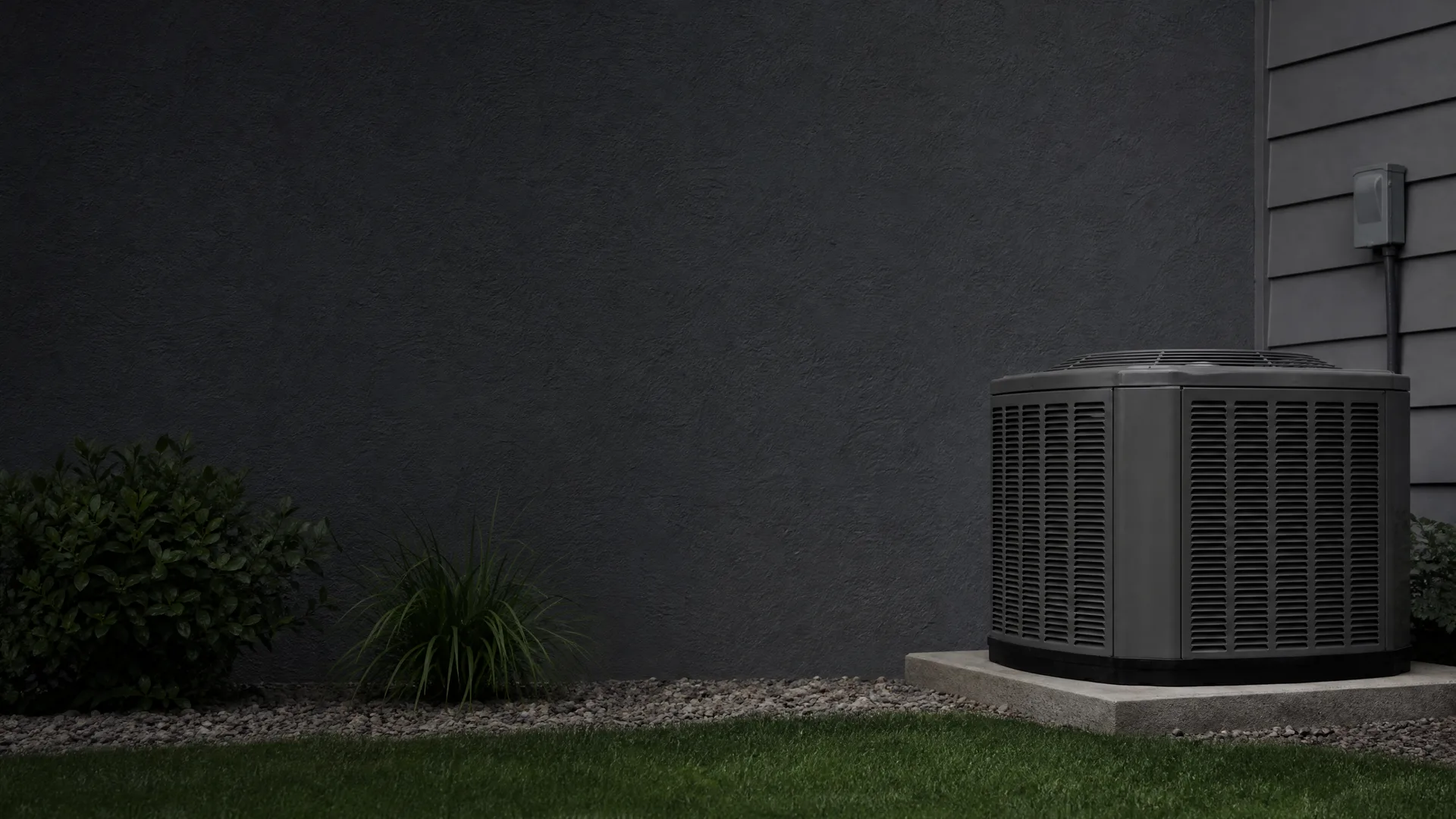
An outdoor air conditioning condenser unit on a concrete pad beside a dark stucco wall, with gravel bedding, shrubs, an ornamental grass clump, and a lawn in the foreground.

Explain it one time

The pro who reaches out is licensed in Iowa.

RepairCentral ACIowa
Step 1 of 2

What ZIP code is the job in?