

Running quiet
This is what a healthy unit sounds like outside your house: a steady hum from the fan, nothing sharp or sudden. Lines run clean from the pad to the disconnect box on the siding, and the unit cycles on and off without any clatter.
Get matched with someone who does this kind of work in Marshall County.
Get my matchA heat pump that's suddenly rattling, banging, or buzzing is hard to ignore, especially when it's the middle of an Iowa winter and you need the thing running. Marshall County winters are hard on this equipment, and a noise that wasn't there before usually means something inside has worked loose, frozen up, or started to wear out. The sound itself points to where the trouble is.
A banging or clanking sound usually means a loose part inside the outdoor unit, sometimes a bolt or blade that's come loose on the fan. A buzzing noise often points to an electrical issue, like a failing contactor or capacitor. A hissing sound can mean refrigerant escaping from the line, which also hurts how well the unit heats your home. Squealing or screeching usually comes from the fan motor bearings wearing out. In Marshall County winters, ice buildup on the outdoor coil can also cause a loud noise as the unit tries to run with airflow blocked. Since power here runs expensive and gas heat often kicks in as backup when the heat pump struggles, a noise that goes unchecked can mean paying more to heat the same space.
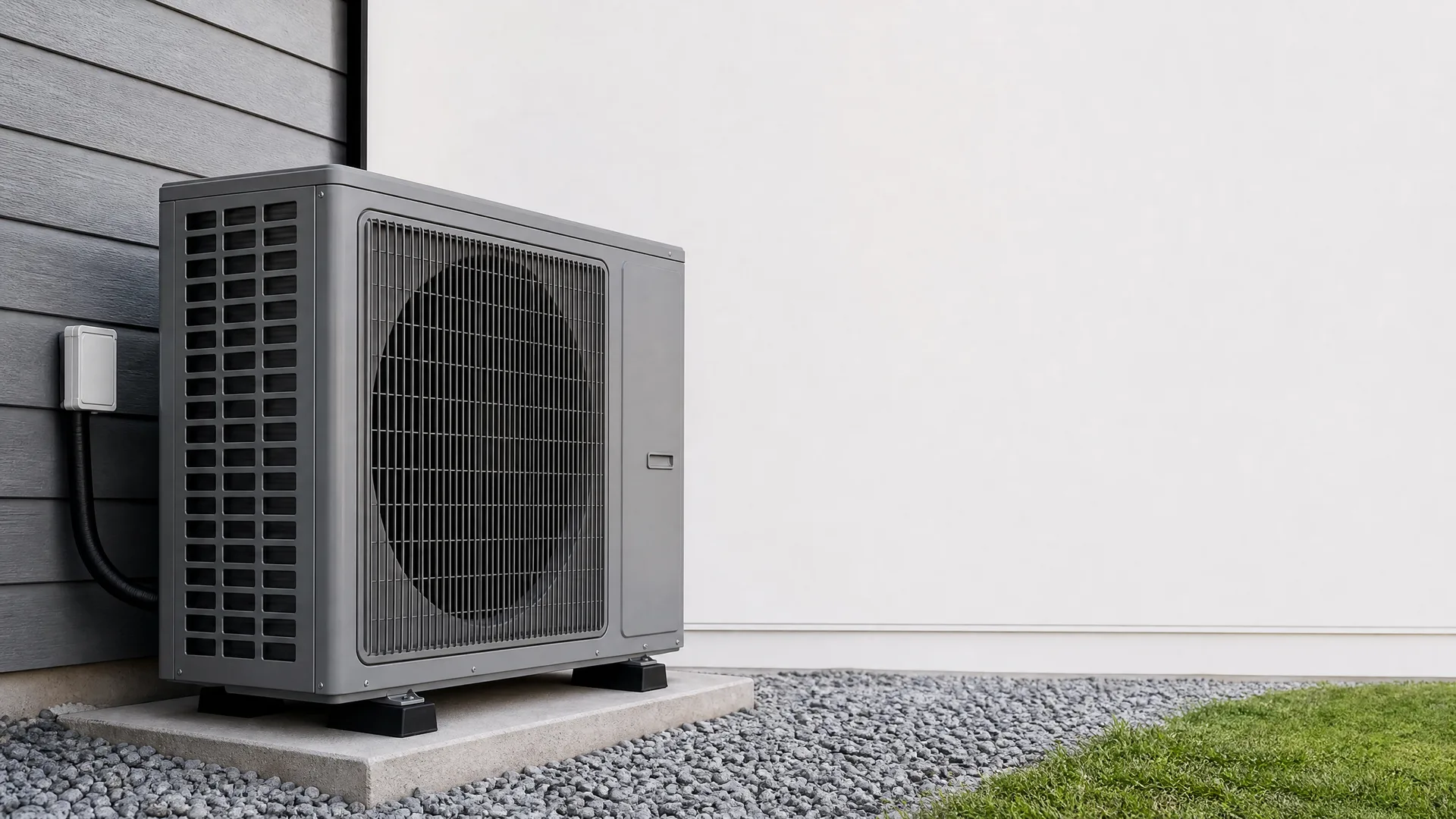
A loud bang when the unit starts or stops usually points to a part that's worked loose, like a fan blade out of balance or a compressor mount that's worn through. Ice buildup on the coil can also cause banging as the defrost cycle kicks in. Cold snaps make this worse because metal contracts and loose parts shift more than they would in mild weather.
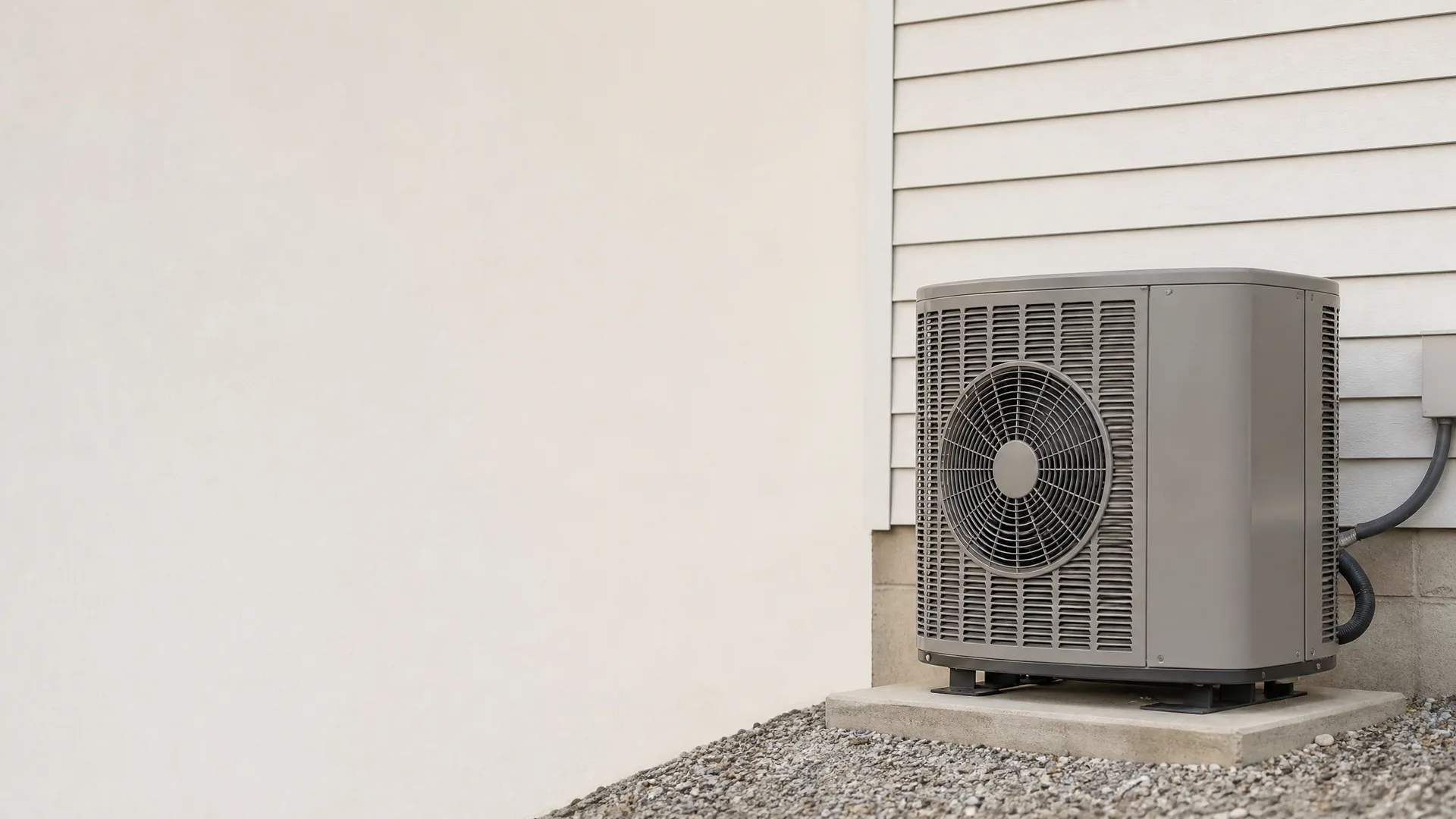
Buzzing often comes from electrical trouble, a failing contactor or a capacitor losing its charge. It can also mean a refrigerant line is vibrating against the cabinet or a fan motor bearing is wearing out. A unit that buzzes but still runs is still worth having looked at, since the part causing the noise is usually the part that fails next and leaves you without heat.
Winter nights average 14°F
Overnight lows average 14°F in December, January and February, so your heat pump is pulling heat from cold outdoor air most of the night.
Heat runs October through May
Heat runs October through May here, about eight months a year, which means more hours for a loose part to turn into a loud noise.
Cooling runs June through August
Cooling only runs June through August, so the compressor and fan spend most of the year working the heating side instead.
NOAA nClimDiv 1991-2020
A noise that only happens on the coldest nights might just be the defrost cycle working the way it should, and waiting until morning to call is reasonable.
A noise that's new, getting louder, or happening every time the unit runs is the compressor or fan telling you something's loose or wearing out, and that keeps breaking while you wait.





This is what a healthy unit sounds like outside your house: a steady hum from the fan, nothing sharp or sudden. Lines run clean from the pad to the disconnect box on the siding, and the unit cycles on and off without any clatter.

Same setup, same pad, same lines running to the disconnect box, but now it's grinding, banging, or buzzing when it shouldn't. A sound that wasn't there last winter means something inside has worked loose or worn through.


Describe your heat pump job once, to one pro.
Sending the form costs nothing.
A loose part or an ice-bound coil doesn't fix itself by running longer. Every cycle it keeps banging or buzzing, whatever's worked loose gets more worn, and a fan blade that's hitting something else wears a groove into it. If the noise is the compressor straining, that's the most expensive part of the unit, and continuing to run it in that state is how a repair turns into a replacement. The cold doesn't help. Metal contracts in low temperatures, so a mount or a bolt that's a little loose on a 40 degree day can rattle a lot more once it's 14 degrees outside at 2 a.m.
Finding someone who works on heat pumps, not just furnaces, takes a few calls in Marshall County. Then you're describing the noise over the phone, maybe recording it on your phone to send, and waiting to hear if anyone can come out before the next cold snap. If the first contractor can't make it soon, you start over with the next name on the list, repeating the same description of when it bangs and how loud. Getting matched with a contractor who handles this skips that part. You explain it once, to someone who's already set up to take the job, and they reach out to you directly instead of you chasing down who's available.
At 16.98 cents per kilowatt-hour, a heat pump running hard through a Marshall County winter shows up fast on your bill. A noisy unit is often working harder than it should, a loose part or iced coil making the compressor strain, and that strain costs you more every night it runs uncorrected.
EIA-861 2025
A banging or buzzing heat pump is telling you something worked loose, iced over, or wore through, and it will not quiet down on its own. The sound either matches a normal defrost cycle or it does not, and by now you have a sense of which. What's left is getting someone out to look at it rather than spending more evenings on it yourself, calling around Marshall County for someone who answers, explaining the noise over and over to different shops, and weighing quotes against each other with no way to compare them fairly. Answer a few questions about your unit and what you're hearing, and a contractor who works on heat pumps in this area will reach out to you directly. You still have to get the part fixed. But you won't have to find who fixes it.
Explain the heat pump problem once instead of to every shop in Marshall County.
