





A large outdoor air-conditioning unit mounted beside a vinyl-sided house, surrounded by mulched garden beds and green shrubs.

Heat Pump Repair in Cedar Rapids, IA

Tell us about the job

Takes about a minute. No obligation.

RepairHeat PumpLinn County, IA
Step 1 of 2

What ZIP code is the job in?

Linn County saw 344 severe weather events between 2015 and 2024. Damaging wind came through 156 times, hail 139 times, and 17 tornadoes touched down somewhere in the county. A heat pump's outdoor unit sits right in the path of all of it, with coil fins and a fan exposed to whatever blows through or falls out of the sky. Hail can bend those fins without stopping the unit right away, and the fan can take a hit from debris and still turn. If a storm has come through since your heat pump last ran fine, it's worth having someone look at the outdoor unit even if you haven't noticed a problem yet.

8 months
October through May, your system heats
3 months
June through August, it cools
15°F
the average winter night it heats against
82°F
the average summer afternoon it cools against
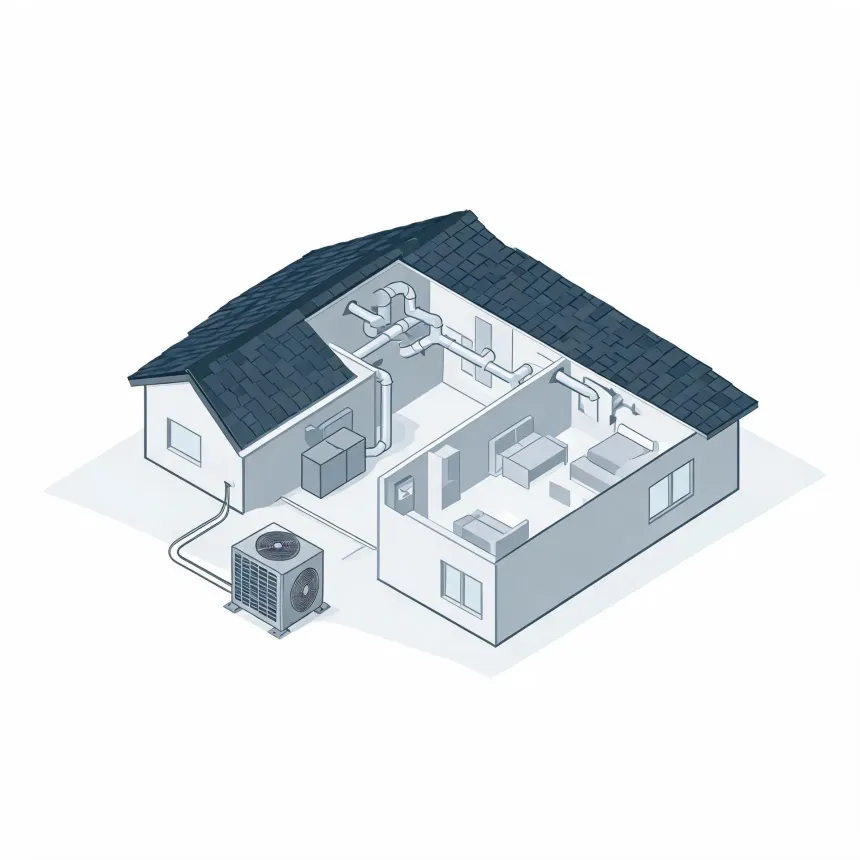
Isometric cutaway illustration of a single-story house showing interior rooms, ceiling ductwork, an indoor air handler, and an outdoor condenser unit connected by lines on the ground.
Your system heats October through May and cools June through August.

NOAA nClimDiv, 1991–2020 normals

A heat pump in Linn County runs through a summer dew point that averages 63°F, then into winter storms that hit the county 30 times between 2015 and 2024.

That kind of load wears parts down early, and the first sign is usually the machine not working right.

A heat pump that's struggling still runs up a 16.91 cent bill every hour it's on

Power here costs 16.91 cents per kilowatt-hour
156 damaging wind events from 2015 to 2024
139 hail events from 2015 to 2024

October is when heat here switches over, and that's when a weak part usually makes itself known. A heat pump that limped through summer on a tired component often can't keep up once it has to run eight months straight instead of three. Nights are already cold enough by then to notice if the heat isn't keeping up, and by December the overnight low here averages 15°F, which is no time to find out a part won't hold. If your heat pump struggled at all this summer, September is the month to have it checked, before the switch to heat puts more on it. Waiting until the first cold snap means finding out at the worst time.

After the storm passes, the outdoor unit still needs a look

A bent fin or a dinged fan blade doesn't always stop a heat pump from running. It just stops it from running right, and that often doesn't show up until the unit is working hard in real cold. If a storm has come through since it last ran fine, have the outdoor unit checked now, before winter asks more of it.

Find a contractor
A man in a cap, dark jacket and work pants carries a worn canvas tool bag up stone steps toward a dark green front door, with a shrub in a green planter beside the entry.
A white mini-split heat pump outdoor unit mounted on a concrete pad beside a gray-sided house, surrounded by gravel and green shrubs.

This unit doesn't get an off season

This outdoor unit runs through every season here, not just the comfortable stretch. It cools through the muggy months, then switches over and runs the heat straight through storms, wind and hail with no break between. That's a lot of hours on the same compressor and fan motor, year after year. A part that got stressed in summer doesn't get time to recover before winter asks more of it. If this heat pump is running but not keeping up, or cycling oddly, or making noise it didn't used to make, that's wear talking. Worth having someone check it now rather than waiting to see if it gets worse on its own.

The reversing valve is the part that's unique to this job

A heat pump switches between heating and cooling with a reversing valve, and that valve only exists on a heat pump, not on a furnace or an AC. When it sticks, the unit can get stuck in one mode, or blow air that's not as warm or cool as it should be. A solenoid coil on top of the valve controls the switch, and that coil can fail on its own even when the valve body is fine.
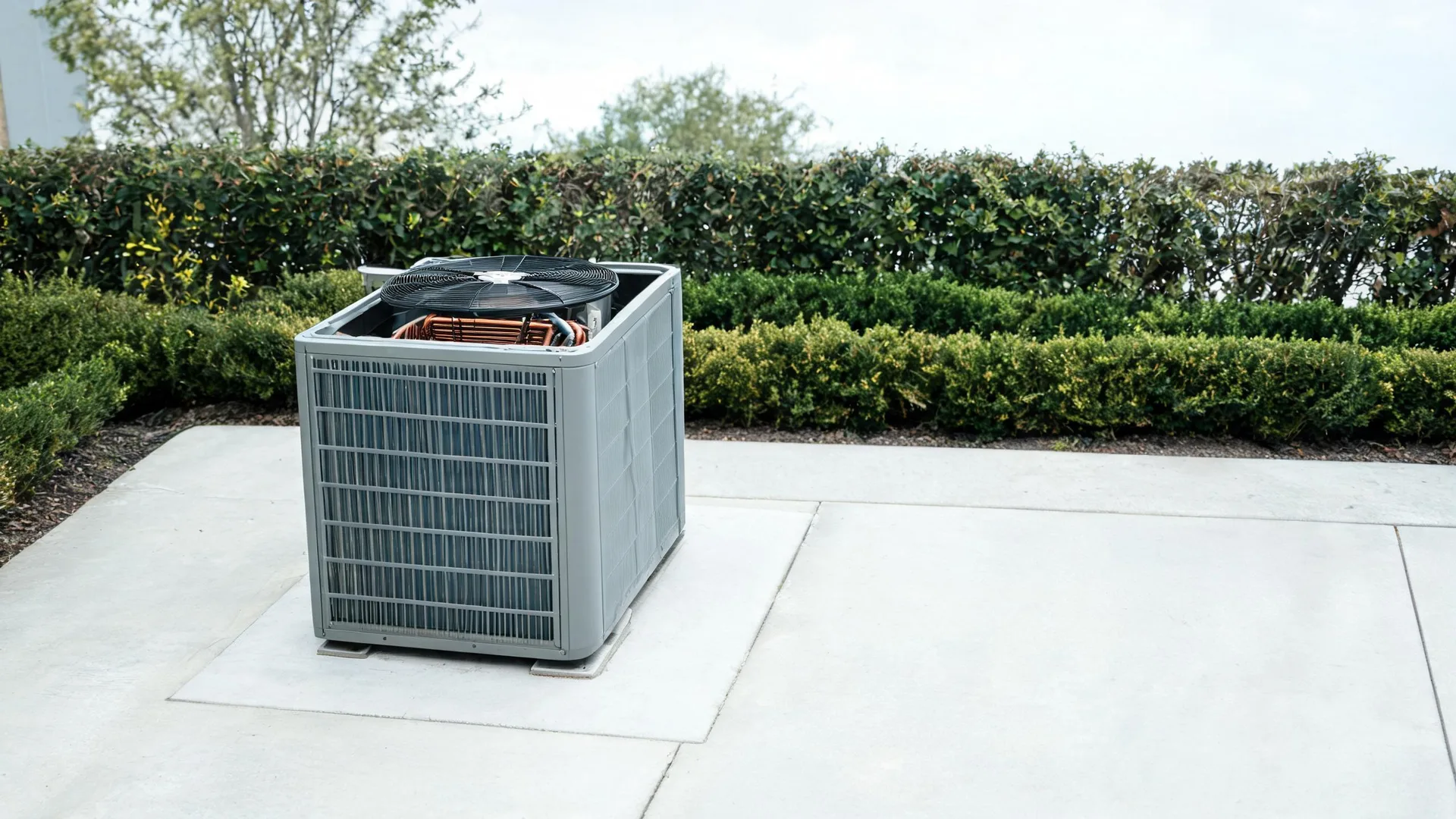
The outdoor coil carries the load all year

The outdoor coil gives up heat in summer and pulls heat in from the outside air in winter, so it's working in both directions, every month, with no break. Dirt and matted debris on the fins cut down how much air can move across it, and the unit has to run longer to do the same job. A refrigerant leak at a joint or fitting shows up the same way in either mode: weaker heating, weaker cooling, and a compressor working harder than it should to make up for it.

Before anyone comes out, there are a few things worth checking yourself. Look at the thermostat first. Make sure it's set to heat or cool as you intend, with a target temperature past the room's current reading, and swap the batteries if it uses them. Go outside and check the outdoor unit. Clear away leaves, grass clippings or anything piled against the cabinet, since blocked airflow alone can make a heat pump seem broken when it isn't. Check the indoor air filter and replace it if it's gray or caked, because a clogged filter starves the system the same way a blocked outdoor unit does. Walk the breaker panel and look for a tripped breaker on either the indoor or outdoor unit, and reset it once, but if it trips again, leave it off and call. If the outdoor unit is coated in a thick layer of ice beyond the thin frost that's normal in defrost cycles, don't chip at it. That points to a problem worth a tech's eyes, not a homeowner's hands.

A heat pump that's running weak still pulls power the whole time it's on, and Linn County pays more per kilowatt-hour than most places do. That cost doesn't pause while you wait to see if the noise gets worse or the airflow picks back up. A struggling unit often runs longer to make the same amount of heat or cold air, so the bad part costs you twice: once in comfort, once on the meter. If you noticed the signs this summer and put off calling, the meter has been running on it since. Getting the outdoor unit or the reversing valve looked at now stops the bleeding before winter puts more hours on it.