Scott County gets hit a lot
Scott County logged 338 severe weather events between 2015 and 2024, including 170 damaging wind events, 118 hail events, and 21 tornadoes. That's a lot of chances for an outdoor heat pump unit to take a direct hit.
Takes about a minute. No obligation.
Scott County logged 338 severe weather events between 2015 and 2024, including 170 damaging wind events, 118 hail events, and 21 tornadoes. That's a lot of chances for an outdoor heat pump unit to take a direct hit.
A heat pump sits outside year round, so hail dents the fins and wind-blown debris gets into the coil. The unit can keep running after a hit like that and still have damage that gets worse over time.

NOAA nClimDiv, 1991–2020 normals
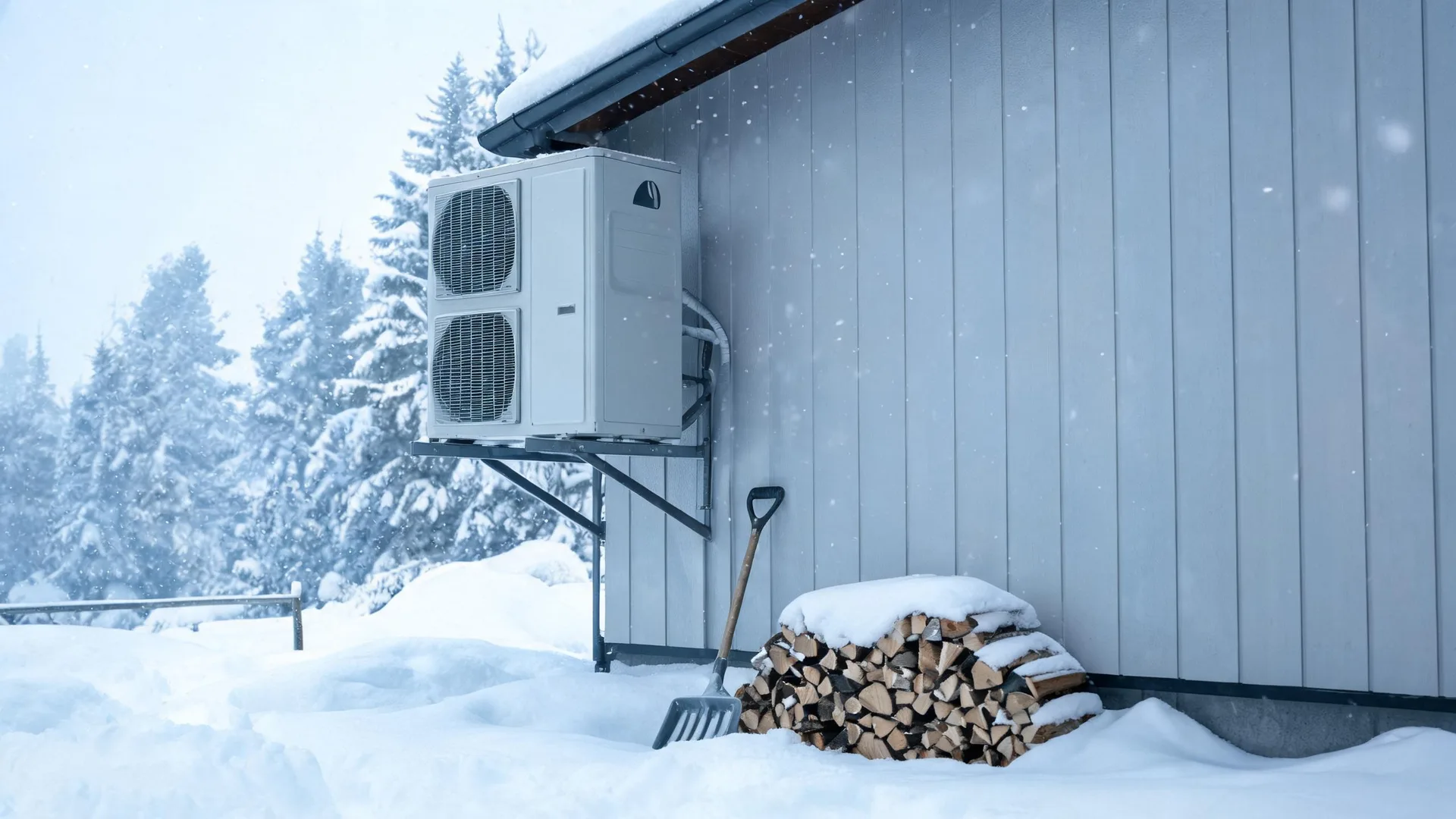
Winter storms hit Scott County 28 times between 2015 and 2024, and the heat pump still has to deliver heat through all of them.
That kind of load wears down parts faster, so a repair here needs a real diagnosis, not a guess at what's wrong.



Half the homes in Scott County were built in 1972 or earlier. A heat pump that came with a house that age has likely seen a few decades of Davenport summers and winters already. These systems wear in ways you can't always see from outside. A compressor that still runs can be partway through failing, and a repair on an older unit sometimes just buys a few months before the next one. If your heat pump came with the house, it's worth finding out how much life it has left before you put money into fixing it.
If your heat pump took a hit from hail or wind this year, it's worth having someone check the coil and fins even if the system still seems to run fine. Damage like that doesn't always show up as a problem right away.
Find a contractor
This heat pump doesn't get to shut down when the weather turns bad. It has to keep pulling heat out of the cold air while wind and ice work on the outdoor unit at the same time. A part that's already stressed from that kind of year-round load is more likely to be the reason something's acting up now. Before anyone replaces a capacitor or a board, it's worth checking it against what the unit has actually been through, not just what's failing today.
Look at the outdoor unit first. Make sure nothing is blocking the coil, no leaves, no ice buildup, no debris pressed against the fins. Check the thermostat is set to heat and the batteries aren't dead. Go to the breaker panel and look for a tripped breaker on either the indoor or outdoor unit. If the outdoor fan isn't spinning but the indoor side is running, that's worth mentioning when you call, not something to take apart yourself.
A heat pump that's low on refrigerant won't show it plainly. It might still blow air, just not warm air, or it'll run long cycles without catching up. Ice on the outdoor coil that doesn't melt off during the defrost cycle points to a problem with the reversing valve or the defrost control, not something a homeowner can diagnose by looking. If the breaker holds, the fan spins, and it's still not heating right, that's a sign the problem is inside the system, not something blocking it.
A heat pump fails for a handful of reasons, and most of them trace back to the outdoor unit. The reversing valve is the part that switches the system between heating and cooling, and when it sticks, the system can get stuck in one mode or stop defrosting properly. The defrost control board and sensor work together to clear ice off the outdoor coil; if the sensor misreads the coil temperature, the system won't know it needs to defrost, and ice builds up until airflow is blocked. Refrigerant leaks are another common cause, usually at a fitting or coil joint, and a system low on charge has to run longer to do the same job, which puts strain on the compressor. The compressor itself is the most expensive part to lose, and it often fails after years of running while already low on charge or short on airflow, not out of nowhere. A failing run capacitor can keep the outdoor fan or compressor from starting at all, even though power is reaching the unit. None of these show themselves the same way, which is why a tech checks pressures, electrical readings, and the defrost cycle before deciding what's actually wrong.
If the heat pump outside is the one the house came with, that's worth checking before any repair gets approved. Half the homes in Scott County were built in 1972 or earlier, and a unit that old has already put in a lot of winters. A tech can tell you the age off the nameplate and what kind of shape the compressor and coil are in, not just whether the current problem is fixable. That changes what a repair is worth. Spending money on a reversing valve or a board makes sense on a unit with years left in it. It makes less sense on one that's already most of the way through its life, where the next failure might be the compressor itself.