A grey residential air-conditioning condenser unit mounted on a concrete pad beside a house, photographed at sunset.

Heat Pump Repair in Fort Madison, IA

Tell us about the job

Takes about a minute. No obligation.

RepairHeat PumpLee County, IA
Step 1 of 2

What ZIP code is the job in?

Lee County winters aren't unusual for a heat pump

Zone 5A means heating is the bigger job here, with overnight lows averaging 20°F through December, January and February. A heat pump built for this area is made to run hard those months. If yours won't hold temperature or won't come out of defrost, something specific has failed. The cold alone isn't the problem.

Find the part, then fix it

A heat pump acting up usually traces back to one part. A failed reversing valve. A low refrigerant charge. A worn contactor. A tech checks these before touching anything else, because the repair only works if it's aimed at the right cause. Once that part is found, the fix is the same one made on this machine anywhere.

8 months
October through May, your system heats
4 months
June through September, it cools
20°F
the average winter night it heats against
84°F
the average summer afternoon it cools against
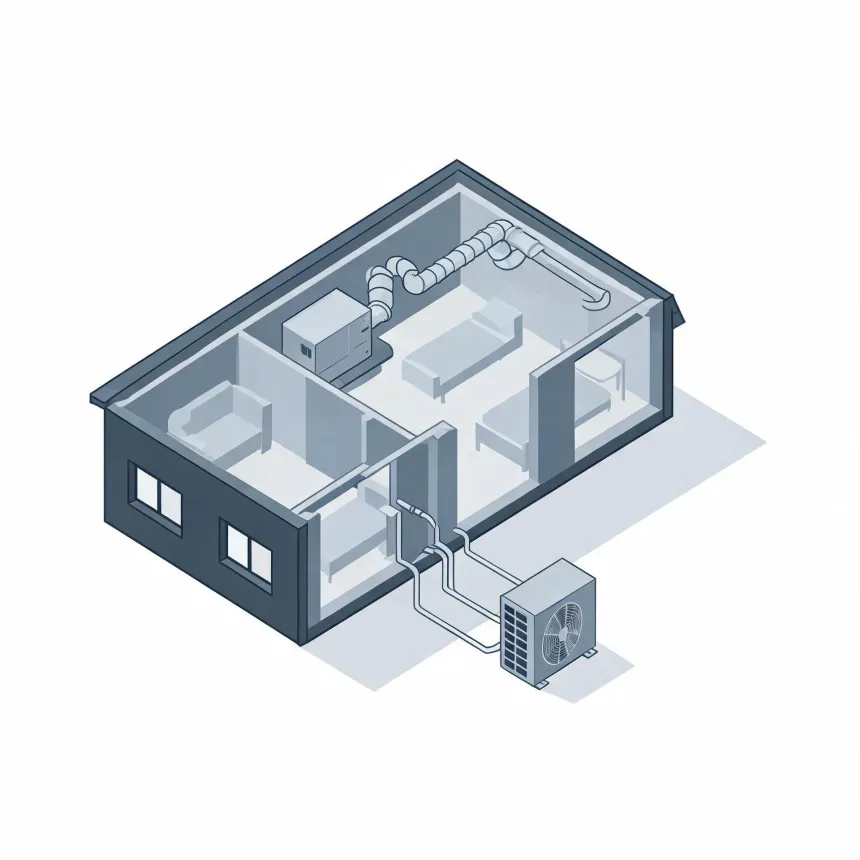
Isometric cutaway illustration of a small house showing interior rooms with furniture, an indoor air handler with flexible ducting, and refrigerant lines running to an outdoor condenser unit beside the building.
Your system heats October through May and cools June through September.

NOAA nClimDiv, 1991–2020 normals

Heat pumps here switch over to heat in October.

September is the month to get yours looked at, before the first cold stretch finds the weak part.

Lee County sees its share of storms, but that's not why your heat pump is acting up

142 severe weather events from 2015 to 2024
15% of homes statewide lost power a day or more in 2024
79 damaging wind events from 2015 to 2024

Half the homes in Lee County were built in 1960 or earlier. If your heat pump came with a house that age, it's worth finding out how old the unit itself is, since a system gets replaced more than once over a house's life. A heat pump that's old enough can fail in one part while the rest of it is wearing out too. Before you pay for a major repair, ask how much life the system has left in it.

The usual problem, the usual fix

Nothing about Fort Madison's winters points to anything unusual going on with your heat pump. Iowa homes paid 13.40 cents per kilowatthour in 2024, so a unit that's losing its charge or running on a bad contactor costs you more every day it sits unfixed. Find the part that failed and the repair holds.

Find a contractor
A gray air-source heat pump mounted on a concrete pad next to a house with gray vinyl siding, surrounded by gravel and flanked by green shrubs and white hydrangea flowers.

Get the unit's age before you approve the repair

This is the thing to settle before any repair gets approved. If the unit's original to the house, its age is no mystery, and a tech can tell you fast whether it's worth the money to keep it running. If it's been swapped out since, the house's age tells you nothing, and the only way to know is to ask. Either way, get the number before you pay for the part.

It's running, but not heating

A heat pump can run constantly and still not warm the house. Air that feels barely warm at the vents, a system that never shuts off, or rooms that won't reach the set temperature all mean the same thing. The unit is working but not moving enough heat. A refrigerant leak, a failing compressor, or a reversing valve stuck between modes can all cause it.

What the outdoor unit tells you

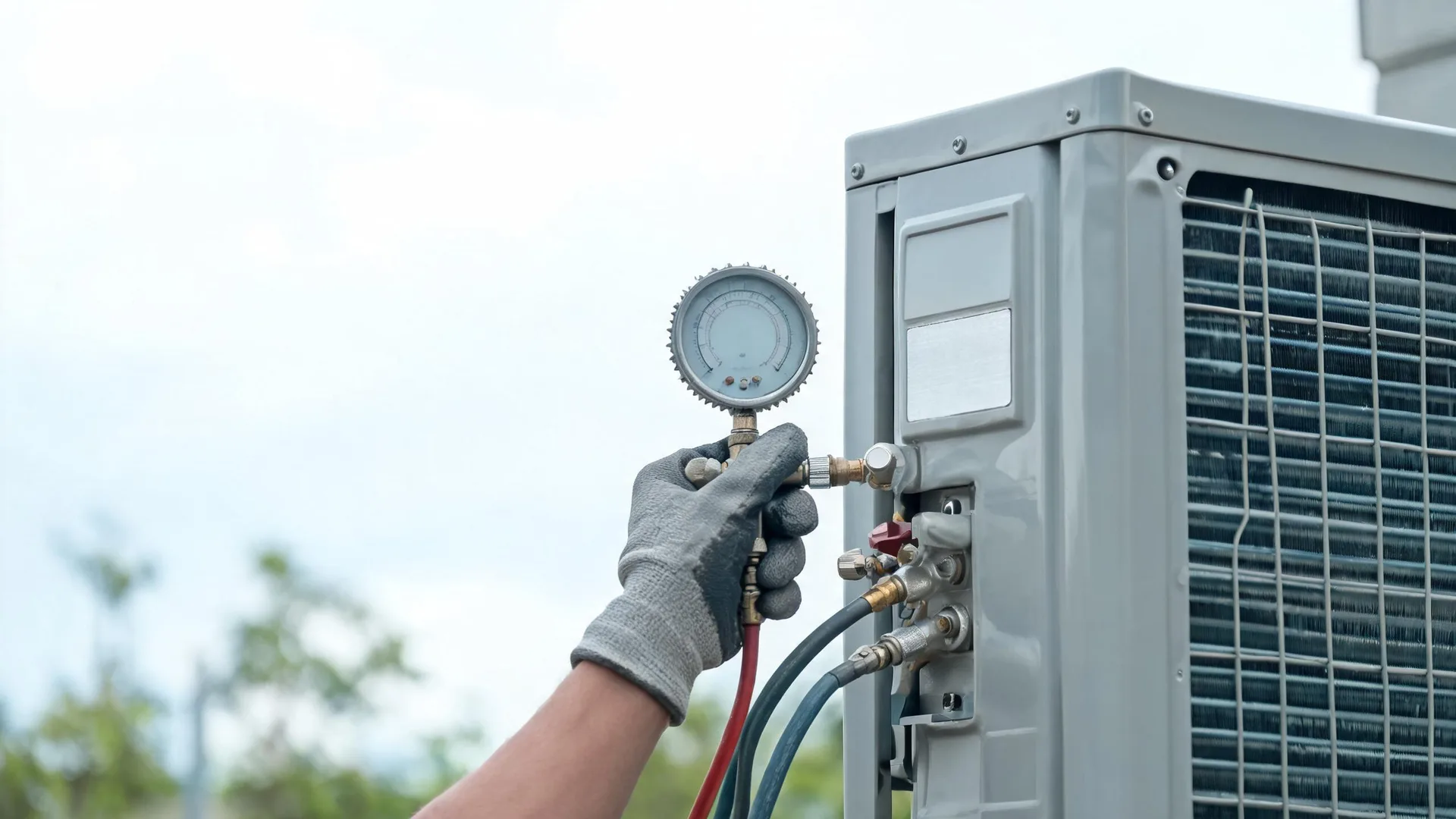
The outdoor unit is worth a look before anyone comes out. Ice that builds up and won't clear during the defrost cycle points to a failed defrost control or sensor. A fan that won't spin, or spins but makes noise, points to a bad motor or bearing. A unit that kicks on and off every few minutes usually has a bad capacitor or a thermostat that isn't talking to the system right.

Most heat pump failures trace back to a handful of parts that wear out the same way in every system. The reversing valve is a common one. It's what switches the unit between heating and cooling, and when it sticks, the system keeps running but stops doing what the thermostat asked for. Capacitors fail too, usually with age, and when one goes the compressor or fan motor can't start right even though power is reaching the unit. Low refrigerant almost always means a leak somewhere in the line, not normal use, since a sealed system doesn't lose charge on its own. Sensors and defrost controls drift out of calibration over years of cycling, which is why a unit can start running long defrost cycles or skip them. None of these are tied to how hard the system works in a given month. They're wear parts, and they fail on their own schedule.

A diagnostic starts outside, with the system running. A tech checks the pressures on the refrigerant line first, since that number rules a leak in or out before anything else gets touched. Next comes the electrical side. The contactor, the capacitor, whether the compressor is pulling the power it should. Indoors, the air handler gets checked for airflow, because a coil starved for air can look like a refrigerant problem that isn't really there. The thermostat gets tested last, to confirm it's sending the signal the unit is acting on. Each check rules something out, so by the end there's one answer, not a guess.