







An outdoor heat pump unit mounted on a concrete pad in front of a two-story suburban house.

Heat Pump Repair in Maquoketa, IA

Tell us about the job

Takes about a minute. No obligation.

RepairHeat PumpJackson County, IA
Step 1 of 2

What ZIP code is the job in?

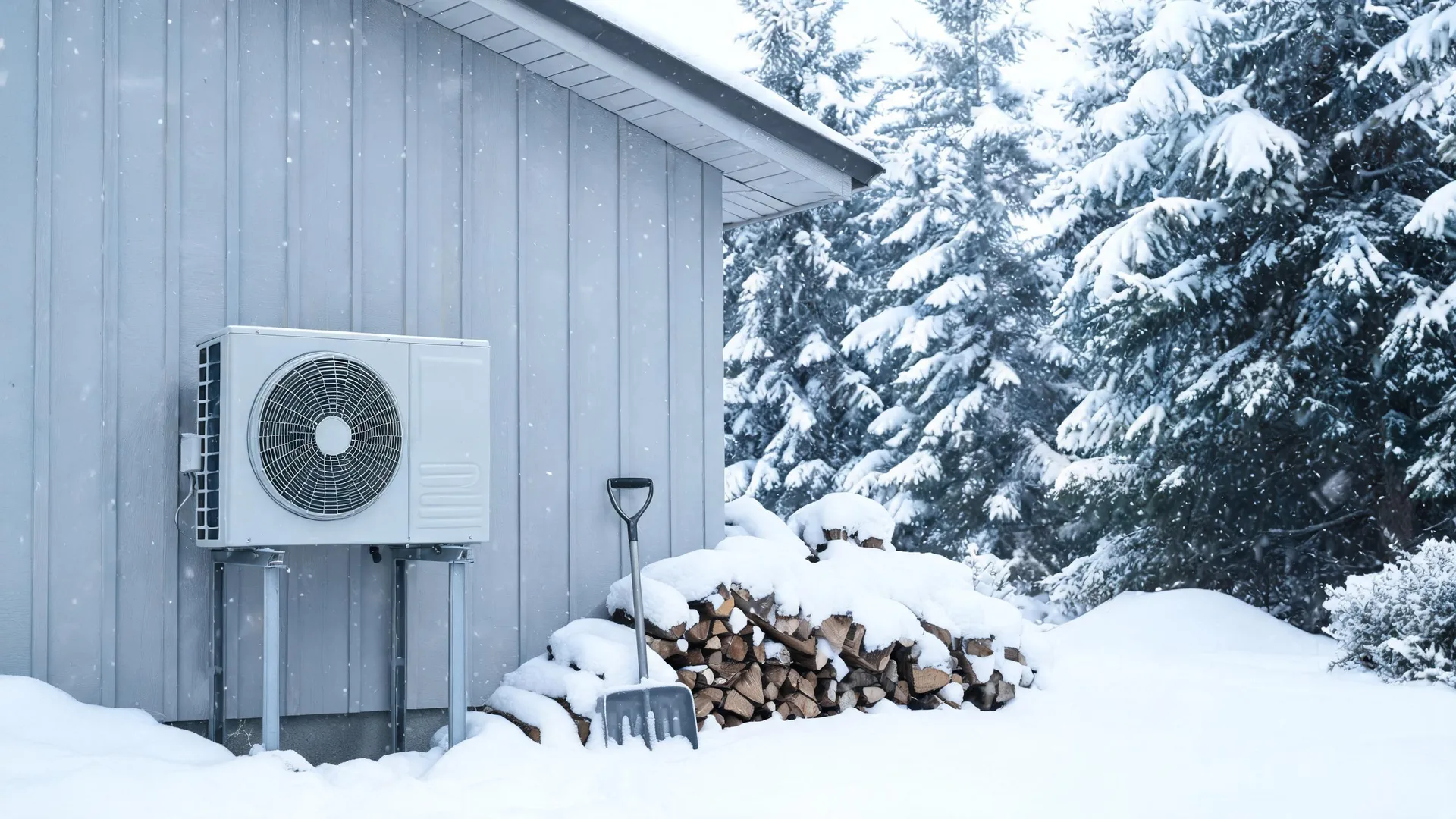
Maquoketa winters push a heat pump hard. Zone 5A means heating is the bigger job here, and overnight lows average 16°F across December, January and February. That's normal strain for this climate, not a sign of anything unusual. A heat pump working at those temperatures depends on its defrost cycle and its backup heat kicking in when needed. If either one isn't working right, you'll notice it fastest on the coldest nights. Most repairs called out in weather like this trace back to one of those two systems, not something specific to this area.

8 months
October through May, your system heats
3 months
June through August, it cools
16°F
the average winter night it heats against
82°F
the average summer afternoon it cools against
Isometric cutaway illustration of a single-story house showing interior rooms, attic ductwork and an air handler, with an outdoor condenser unit connected by lines along the exterior wall.
Your system heats October through May and cools June through August.

NOAA nClimDiv, 1991–2020 normals

A heat pump that can't finish defrost right will ice over again a few hours later, every time.

Each cycle it struggles through leans harder on the compressor, and that's the part you don't want to lose.

Half the homes here are old enough that their heat pump may be on its last stretch

Half the homes here were built by 1970
26 winter storms from 2015 to 2024
Winter nights average 16°F
Maquoketa heat pump repairIowa homes paid 13.40 cents per kilowatthour in 2024

Before paying for a repair, ask the contractor how much life is left in the unit. If your house was built in 1970 or earlier, a heat pump that came with it has likely had a long run already, even if it's still working. A failing compressor is often the sign that the unit is at the end of its life rather than just having a bad week. If that's what's going on, replacing it may make more sense than repairing it again before next winter. If the unit was swapped out at some point and is newer than the house, that changes the answer. Either way, ask for a straight read on its age and condition before deciding what to fix.

Get the usual fix

Nothing about this area is especially hard on it. It's most likely the usual problem with the usual fix.

Find a contractor
A man in a dark shirt and tan pants, seen from behind, climbs porch steps toward a dark green paneled door while carrying a worn canvas tool bag, with a potted shrub beside the entry.
A dark gray heat pump unit mounted on a concrete pad next to a house with gray siding and a stone veneer wall.

What actually wears out

A heat pump that runs most of the year wears on a few parts more than others. The reversing valve switches the system between heating and cooling every time the thermostat calls for a different mode. That constant switching eventually wears its coil or lets it stick in one position. The compressor does the most work on any given day. Age combined with refrigerant problems is what usually ends its life. A slow refrigerant leak makes the compressor work harder than it should and shortens what's left of its life. The defrost cycle depends on a sensor and a control board timing things correctly. When that timing is off, ice builds up on the outdoor coil and the system loses its heating capacity. Capacitors start the compressor and fan motors, and they weaken gradually, often failing without much warning. Most of these problems show themselves the same way. The system runs but doesn't keep up. It short cycles. Ice builds up outside and doesn't clear.

Sounds that mean something is wrong

A heat pump makes a steady, low hum when it's running fine. A clicking that repeats without the system starting usually means a failed capacitor or relay. A grinding or screeching from the outdoor unit points to a fan motor bearing giving out. Any of these are worth a call before the part fails completely and leaves you without heat on a cold night.
When it runs but the air feels wrong

If the air from the vents feels cool instead of warm, that doesn't always mean the system is broken. Heat pumps move heat rather than burn fuel for it, so the air can feel cooler than a furnace's even when it's working right. But if the house won't hold temperature, or the backup heat seems to run constantly, that's worth having checked. It usually means the heat pump itself has stopped carrying its share of the load.

There are a few things worth checking before you pick up the phone. Look at the outdoor unit. If the coil is caked in ice or snow is packed around the base, clear it by hand and see if the system recovers once it defrosts. Check that nothing is blocking airflow around the outdoor unit, no bushes grown in close, no leaves or debris pulled against the coil. Inside, check the thermostat is set to heat and not accidentally switched to emergency heat, which runs the backup element alone and skips the heat pump entirely. Replace the filter if it's dirty. A clogged filter starves the system of airflow and can cause a lot of what looks like a bigger problem. If the system is still blowing air that feels cold and won't warm the house after you've done this, that's the point to call someone rather than keep troubleshooting.

A diagnostic call starts outside, with the unit running if it can. A tech checks refrigerant pressure, amp draw on the compressor, and whether the reversing valve is actually switching when it's told to. Inside, they'll check the air handler for proper airflow and look at what the backup heat is doing, since a heat pump problem and a backup heat problem can look identical from the thermostat. If the system is short cycling or not keeping up, the tech is narrowing it down to one part rather than guessing. Most of the time the cause shows up clearly once they're watching the system run through a full cycle, defrost included. That's usually enough to tell you whether you're looking at a part swap or something bigger.