September is worth a look before heat starts
Heat here switches over to the heat pump in October. A system with a weak part, a low charge, or a struggling defrost cycle usually shows it the first cold week it has to work hard, not before.

Takes about a minute. No obligation.
Heat here switches over to the heat pump in October. A system with a weak part, a low charge, or a struggling defrost cycle usually shows it the first cold week it has to work hard, not before.
Cooling runs June through August here, about three months. Whatever is wrong with a heat pump rarely fixes itself over a season it sat idle, so the trouble a homeowner saw last summer or last winter is likely still there, waiting on the next real workload.

NOAA nClimDiv, 1991–2020 normals
A diagnostic starts with the thermostat and the readings at the unit, not a guess.
Checking the charge and the reversing valve separately is what tells a tech which one is actually failing.




A heat pump that's short on charge or struggling through defrost doesn't just work worse, it runs longer to make up for it. That's hours of extra draw every day at 13.4 cents a kilowatt-hour, on a system that's already not heating or cooling the way it should. Waiting doesn't make the part fix itself. A tech can check the charge and the reversing valve and tell you which one is driving the bill up, then get it corrected before another month passes on the higher cost.
If your heat pump came with the house, ask the tech for its age and what shape it's in before you pay for another repair. That's worth knowing whether this fix is the last one or just the next one.
Find a contractor
Start at the thermostat. Make sure it's set to heat and the setpoint is above room temperature, since a setting bumped by accident looks exactly like a breakdown. Go outside and look at the unit. A light, even frost layer is normal and clears on its own during defrost, but a coil buried in ice or snow is not. Check whether the outdoor fan is actually spinning. Inside, pull the filter and look at it, since a clogged one starves the system of airflow and can make the whole unit seem like it's failing. Walk through the house and feel the vents. Air that's warm but not hot is normal for a heat pump in heating mode, so don't mistake that for trouble on its own. Listen for anything new, a hum that never turns into a startup, or a click that repeats without the system ever kicking on. Check the breaker panel too, since a tripped breaker shuts the whole system down and from inside the house looks like nothing happened at all. None of this fixes a bad reversing valve or a low charge, but it rules out the simple stuff before anyone opens the cabinet.
When a heat pump is low on refrigerant, the compressor has to run longer and push harder to move the same amount of heat. That extra strain on a part that was never designed to run that hard is what shortens its life.
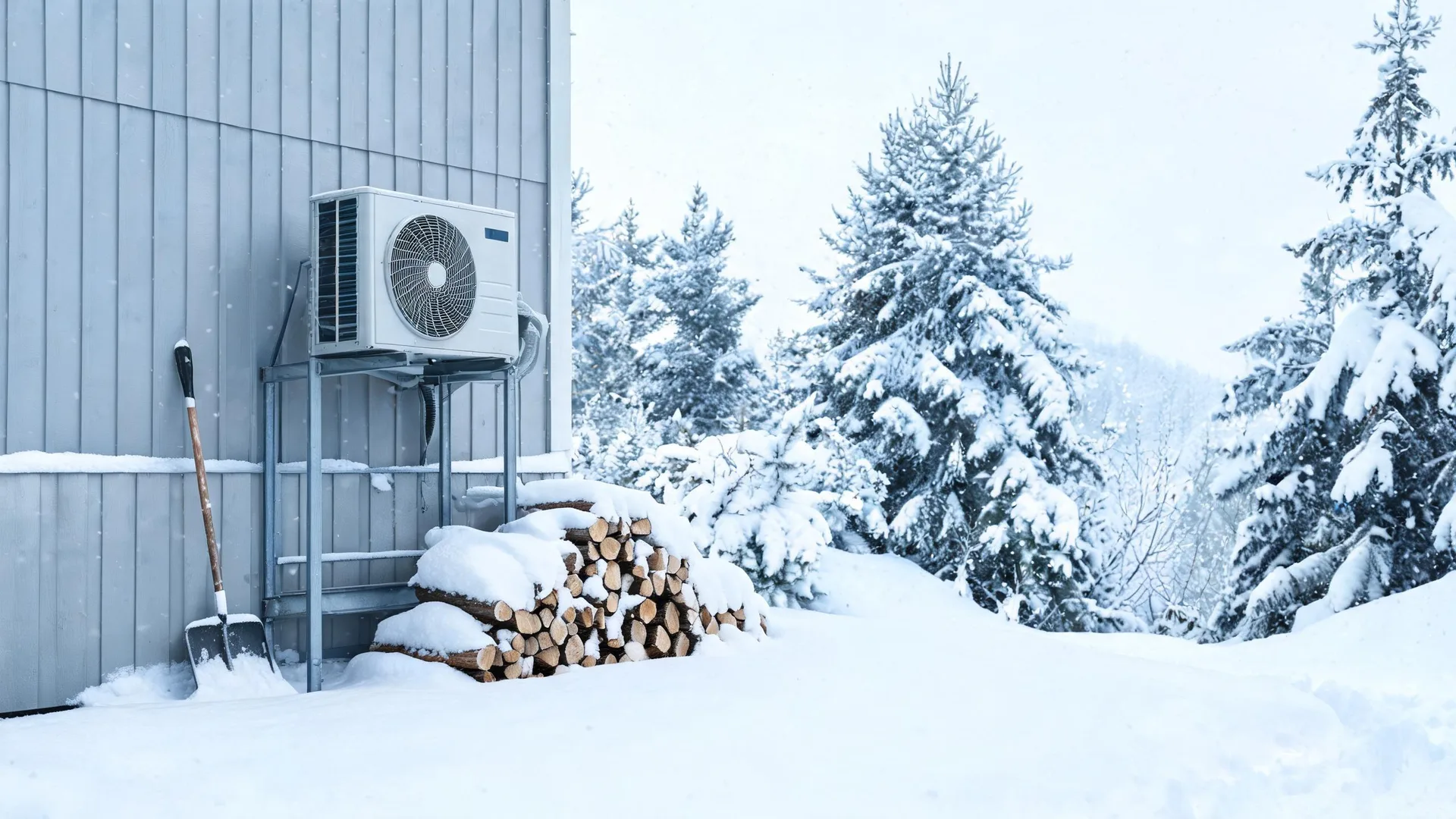
If the defrost control or sensor is failing, frost keeps building on the outdoor coil instead of melting off on schedule. A heavily iced coil can't pull heat from the air, so the system runs constantly and still falls short, and the ice can damage the fins underneath it.
A lot of heat pump trouble starts with the reversing valve, since that's the part doing something a straight air conditioner never has to do. It can stick halfway, so the system is stuck between heating and cooling and does neither well. Capacitors fail too, and when one weakens the compressor or the fan motor struggles to start, which shows up as hard starts or a unit that hums but doesn't kick on. The outdoor unit takes a beating no indoor equipment has to deal with, so its fan motor and coil are usually the first things worth checking when something's off. A failing run capacitor or a worn contactor often gives warning, a hesitation on startup or a clicking sound, before it quits for good.
Not every failing part means a new system. A capacitor, a contactor, or a defrost sensor can be swapped out on its own, and the heat pump runs like new afterward. What matters more is the compressor and the reversing valve, since those are expensive to replace and hard to justify on an old unit. If one of those is failing, a tech weighs the cost of that repair against what the whole system is worth at this point. A heat pump that's otherwise sound and just needs a part is worth fixing almost every time. One that's already had several repairs, or is leaking refrigerant from a spot that's hard to reach, starts to tip the other way.