




An outdoor heat pump unit mounted on a concrete pad beside a house with beige siding and a landscaped garden bed.

Heat Pump Repair in Waverly, IA

Tell us about the job

Takes about a minute. No obligation.

RepairHeat PumpBremer County, IA
Step 1 of 2

What ZIP code is the job in?

Most heat pump failures trace back to a handful of parts. The reversing valve is a common one. It's what switches the system between heating and cooling, and when it sticks, you get heat when you want cool or no change at all. The defrost board and sensor are another weak point, especially since they're what tells the unit to melt ice off the outdoor coil. If that sensor fails, ice builds up and chokes off airflow until the whole unit struggles to do anything. Low refrigerant from a slow leak will also wear down a compressor over time, since the compressor depends on refrigerant to keep itself cooled and lubricated. And a capacitor that's weakening will make the outdoor fan or compressor hesitate to start, then eventually not start at all.

8 months
October through May, your system heats
3 months
June through August, it cools
12°F
the average winter night it heats against
81°F
the average summer afternoon it cools against
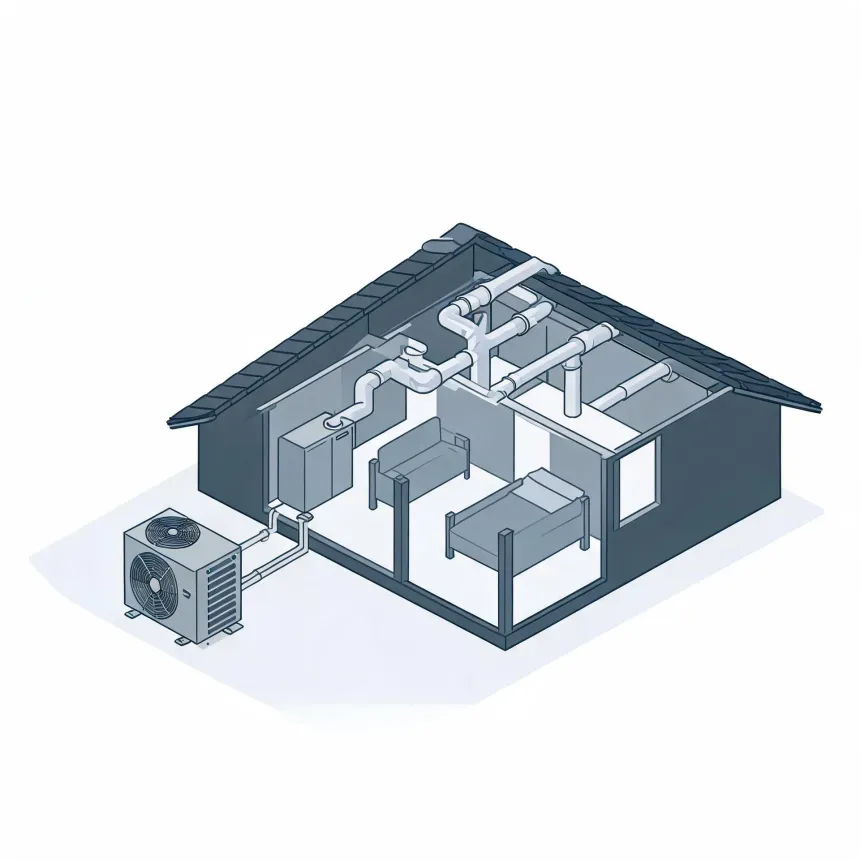
Isometric cutaway illustration of a house showing interior ductwork, an indoor air handler, and beds, with an outdoor condenser unit connected by lines outside the wall.
Your system heats October through May and cools June through August.

NOAA nClimDiv, 1991–2020 normals

Bremer County winters hold near 12°F overnight through December, January and February.

A heat pump works its defrost board hard on cold nights like that, and when it fails, that's a normal repair, not a sign something's wrong with the unit.

Electricity here runs 13.4 cents a kWh, and a heat pump with a stuck valve or failed sensor burns through it fast.

Power costs 13.4 cents a kWh statewide
26 winter storms from 2015 to 2024
Winter nights average 12°F

Half the homes in Bremer County were built in 1970 or earlier. If your heat pump came with a house that old, it's worth finding out how old the unit itself is before you spend much on this repair. A reversing valve or defrost board can be replaced on a unit of any age, and doing so doesn't mean the rest of the system is in trouble. But an older unit has less life left to spend that money on. The question worth asking isn't just what's broken today. It's how many years of service you're buying with this repair.

A stuck valve or failed sensor costs you every month it runs like that

At 13.4 cents a kWh, a heat pump that's short cycling or running the wrong mode isn't just uncomfortable. It's adding to the bill every day it goes unfixed. Get the actual cause found and repaired before another month of that passes.

Find a contractor
A gray heat pump condenser unit mounted on a concrete pad against the gray lap-siding exterior wall of a house.

The same repair means something different depending on what's run before it

A heat pump that's been reliable up to now and throws one bad capacitor is just a machine that had a part wear out. Fix that part and it goes back to being a reliable machine. But a unit that's already had the reversing valve replaced, then the defrost board, then shows up with a weak capacitor, is telling you something different. It isn't bad luck finding the same system over and over. It's a compressor and coil that are tired, and the small parts failing first are just the first ones to give out under that strain. The repair in front of you can be straightforward either way. What it means for what comes next depends on whether this is the first time the unit has needed attention or the latest in a run of them.

A stuck valve puts strain somewhere else

When the reversing valve sticks, the system is fighting itself. The compressor still runs, trying to push refrigerant through a path that isn't switching right, and it heats up more than it should. Keep running it that way and you're not just living with the wrong temperature, you're asking the compressor to absorb the damage.
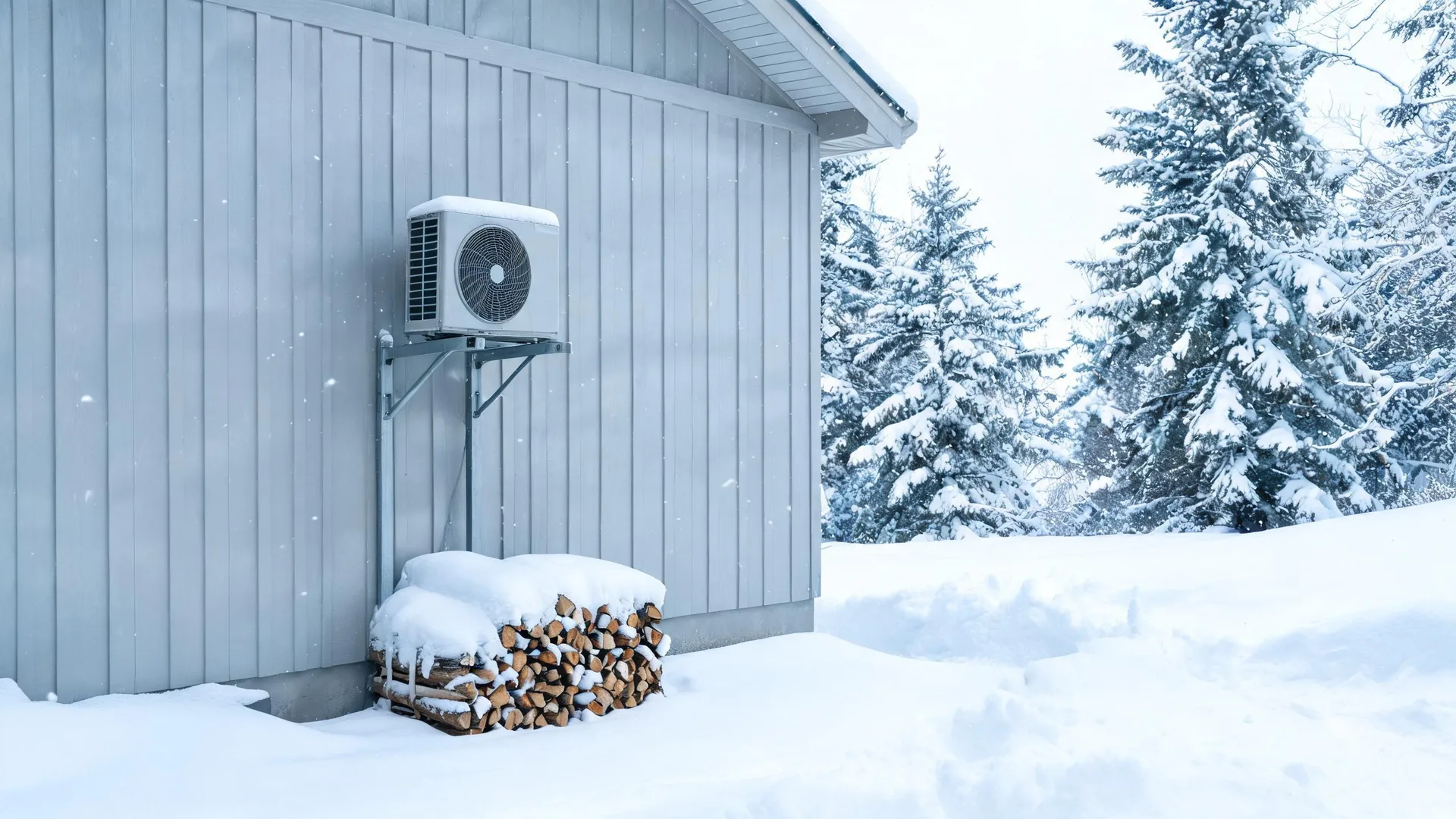
Ice does not stay in one place

A failed defrost sensor lets frost build on the outdoor coil instead of melting it off on schedule. Thicker ice blocks more airflow, so the unit pulls harder to move the same air. Left alone, the coil can ice over completely, and the compressor ends up running against a system that can barely breathe.

Most of the time, a heat pump tells you something is wrong before it quits outright. The first sign is usually air coming out the vents that isn't warm enough to feel right, even though the unit is running. That points to the reversing valve or a refrigerant problem rather than a dead system. Short cycling is another one, where the unit kicks on, runs a few minutes, then shuts off before the house actually changes temperature. You might also notice the outdoor unit caked in ice with no sign of it melting off, which means the defrost cycle isn't doing its job. A hard clunk or buzz when the system tries to start, followed by nothing, usually means a capacitor is too weak to get the compressor or fan going. None of these mean the same repair, but all of them mean something inside the system has already started to fail.

A diagnostic visit starts outside, at the unit itself. A contractor will check refrigerant pressures, since too little or too much tells a different story about where the problem sits. They'll test the capacitor under load, not just look at it, because a capacitor can look fine and still be too weak to do its job. The reversing valve gets checked by feel and by reading, since a valve that's stuck partway can act different from one that's stuck all the way. Electrical connections get checked too, since a loose wire can mimic a bad part and send you chasing the wrong fix. The point of all this is to find which part failed first, since one bad part often puts strain on the others, and fixing the wrong one first means you're back here again soon.