






Profile view of a bearded man wearing a black baseball cap and a dark gray t-shirt against a plain white background.

Why your heat pump runs nonstop in an Iowa winter

RepairHeat PumpIowa
Step 1 of 2

What ZIP code is the job in?

Why does my heat pump run nonstop in winter?

Below freezing outside and the outdoor unit hasn't stopped running in hours. You're starting to wonder if something's broken, or if a heat pump is just supposed to work this hard once an Iowa winter sets in.

It's likely working as designed, not failing

A heat pump pulls heat from outside air, and the colder it gets, the harder that is to do. On a day in the teens or single digits, running almost constantly is normal. It's moving smaller amounts of heat per cycle, so it has to run longer to keep up. That's different from a furnace, which burns gas and shuts off once the house hits temperature. Most homes in Iowa heat with gas, so if yours runs on a heat pump alone, long runtimes on the coldest days are just how the system behaves. What's worth checking is whether the house is actually holding its temperature. If the heat pump runs nonstop and the house still feels cool, or the outdoor unit is coated in ice that isn't clearing between defrost cycles, that's not normal and it's worth having someone look at it.

A white outdoor heat pump unit on rubber feet atop a concrete pad beside a light stucco wall, with gray siding and a small shrub at the left edge.

Below freezing, it's built to run long

A heat pump moves heat from outside air into your house. Once that air drops near or below freezing, there's less heat out there to grab, so the unit has to run longer to pull in the same amount. That's normal operation, not a failure. What isn't normal is the unit running flat out and the house still not reaching the thermostat setting, or the outdoor coil icing over and staying iced instead of clearing itself every so often.

A gray outdoor heat pump unit with a large circular fan grille sits on a concrete pad beside a house with horizontal siding, surrounded by gravel and grass, with a conduit and junction box on the wall.

What backup heat is supposed to do

Most heat pump systems in Iowa pair with a backup heat source for the coldest stretches, since the heat pump alone can't always keep up once temperatures fall hard. That backup is supposed to kick in and share the load so the outdoor unit isn't carrying everything by itself. If it isn't coming on, the heat pump ends up working nonstop trying to cover a gap it was never sized to cover alone, and that's worth a licensed technician looking at.

Hard Winter Work, or a Heat Pump Problem

Normal for the cold

  • The outdoor unit runs long and steady for hours when it's below freezing, and shuts off on its own once the house reaches temperature.
  • Frost builds up on the outdoor coil and the unit pauses itself to run a defrost cycle, then goes right back to heating.
  • Air coming out of the vents feels cooler than your old furnace air, even though the house is holding its set temperature.
  • The system keeps the house at the number you set it to, even if it takes longer runtimes to get there.
  • Supplemental or backup heat kicks in only on the coldest stretches, then backs off once it warms up outside.

Something's wrong

  • The outdoor unit runs constantly but the house temperature keeps drifting down instead of holding steady.
  • Ice is building up on the outdoor unit and not clearing during defrost, so it just keeps growing.
  • The unit short cycles, turning on and off every few minutes instead of running a long steady cycle.
  • You hear grinding, clicking or a new rattle from the outdoor unit that wasn't there before.
  • The thermostat shows the backup heat running most of the time, not just on the coldest days.
  • Refrigerant lines are frosted over even when it's well above freezing outside.
A man with gray hair and a beard wearing a dark green shirt jacket over a navy top sits on a gray sofa in a living room, looking to the side, with a window, potted plant and shelving in the background.
A gray-haired man in a navy button-up shirt over a white tee sits on a light gray sofa in a living room, looking off to the side, with a window, houseplant, framed picture and shelving behind him.
A man with gray hair, a beard and glasses, wearing a dark green sweater, sits on a gray sofa in a sunlit living room with a potted plant, table lamp and wooden sideboard behind him.
A man with grey hair and stubble in a dark sweater sits on a grey sofa indoors, looking off to the side, with a potted plant and a sunlit window behind him.

What's actually going on in your house right now

Check the thermostat first. If the house is holding at the temperature you set, the long runtime is the cold doing what cold does, and the system is keeping up fine. If the house is a few degrees under setpoint and staying there, or the air coming out of the vents feels cool instead of warm, that's different. You might also notice the outdoor unit caked in ice rather than a light frost that clears on its own, or hear it cycling on and off in short bursts instead of running steady. Left alone, a system that's struggling rather than just working hard can ice up further or strain a part that was already weak, and gas backup, if your house has it, may end up carrying more of the load than it should.

An outdoor condenser unit encased in thick ice stands on snow beside a house with horizontal siding and exterior pipes, with bare trees and a sunset glow in the background.

You're out before work, cutting across the side yard in the dark, and the cold hits different at six in the morning. Frost is thick on the grass. Your breath hangs in front of you. Then you see it: the outdoor unit sitting under a shell of ice, thick over the coil and the cabinet, not the usual thin frost that melts off in its own defrost cycle. It's silent. No hum, no fan turning. You stop and look at it, and you already know this isn't the unit keeping up with a hard freeze. Somewhere in that machine, something stopped doing its job, and it left the house with no heat behind it on one of the coldest mornings of the year.

It's off your list after this

If the house isn't holding setpoint, or the unit never defrosts on its own, that's not Iowa cold anymore, that's a system with a real problem underneath it. A low charge, a stuck reversing valve, a defrost sensor that quit telling the board the coil is iced over, any of those will make a heat pump run nonstop without ever catching up. By the time you notice the house creeping down in January, the system's likely been struggling for a while. A local contractor who works on heat pumps all winter has seen what fails first in weather like this and can tell the difference between a unit working hard and one working against itself in a few minutes on site. You don't have to figure out which one you've got. Send the request and let someone who does this every day take it from here, before a harder cold snap turns a slow problem into a system that stops heating altogether.

Running long but keeping up

The outdoor unit has been on for hours and the house still feels right. Set it to 70 and walk around with a thermometer, and you find 70, maybe 69. That's a heat pump doing exactly what it's built to do on a day this cold. It has less heat to pull from the outside air, so it runs longer and steadier to move the same amount of it indoors. No short cycling, no strange noises, just a long steady run. Nothing here needs a service call. This is what below-freezing weather asks of the equipment, and the equipment is answering.


Running long and still losing ground

The outdoor unit has been on for hours and the house keeps drifting down, 66 instead of 70, and it isn't closing that gap no matter how long it runs. Or the coil out back stays iced over because the defrost cycle isn't kicking in on its own. Either way, the unit is working without getting anywhere, and that isn't the cold, that's something underneath it not holding up its end. A low refrigerant charge, a reversing valve stuck in place, a defrost control that stopped reading the coil right. That calls for someone who works on heat pumps through an Iowa winter and knows where to look first.

Power costs 13.62 cents per kilowatt-hour statewide

At that rate, every extra hour your heat pump runs below freezing shows up on the bill, but so does backup heat if it kicks on to cover the gap. A system that's actually struggling, not just working hard in the cold, costs you more than it should.

EIA-861 2025 statewide residential average

Keep running the heat pump and let it work

If it's holding 70 through a stretch below freezing, that's the cheapest heat in the house. Switching to backup before something's actually wrong just raises the bill for no reason.

An outdoor air conditioning condenser unit on a concrete pad beside a house with horizontal siding above a brick foundation, with a flexible conduit running to a wall-mounted disconnect box.
Before you get your heat pump repair
An outdoor condenser unit on a concrete pad beside a gray lap-sided house, with an electrical disconnect box and conduit on the wall and shrubs with mulch to the right.
After you get your heat pump repair

A heat pump doesn't make heat the way a furnace does. It pulls heat out of the outside air and moves it into your house, and the colder that air gets, the less heat there is to grab, so the system has to run longer to keep up. The same unit also cools your house in July, and it does that by flipping a part called the reversing valve between two positions, heating or cooling, nothing in between.

Cold air isn't the only thing the outdoor unit deals with. Frost collects on the outdoor coil, and when a sensor tells the control board the coil is iced over, the system runs a defrost cycle on its own. For a few minutes it reverses itself, sends hot refrigerant through the outdoor coil, and melts the frost off. The outdoor fan shuts off during this, and steam coming off the coil is just the ice leaving, not a sign of trouble.

If the charge is low, none of this works as well. The system runs longer at every temperature, not just the coldest nights, because it's moving less heat per cycle than it should. When it's cold enough that the heat pump can't keep up on its own, backup heat, usually electric strips or a furnace, fills the gap.

How a heat pump handles cold

  • A heat pump moves heat instead of burning fuel to make it, so every degree below freezing it squeezes from outside air takes longer to collect.
  • The reversing valve is what lets the same unit heat your house in January and cool it in July, and it only has two positions, heating or cooling.
  • The defrost cycle runs automatically when a sensor on the outdoor coil tells the control board ice has built up, briefly reversing the system so hot refrigerant melts the frost off.
  • During defrost the outdoor fan stops and you may see steam rise off the coil, which is the ice melting, not a malfunction.
  • A low refrigerant charge makes the system work harder for the same heat, so it runs longer at every outdoor temperature, not just the coldest ones.
  • Backup heat, usually electric strips or a furnace, is built in to cover the gap once outdoor temperatures drop low enough that the heat pump alone can't keep pace.
A woman with shoulder-length blonde-grey hair in a light knit cardigan sits in a grey upholstered armchair, looking toward a window, with a bookshelf and a small potted plant behind her.
A woman with her hair in a bun holds a sleeping child against her chest on a couch, both wrapped in a knit blanket, with a lit lamp, potted plant and framed picture in the background.
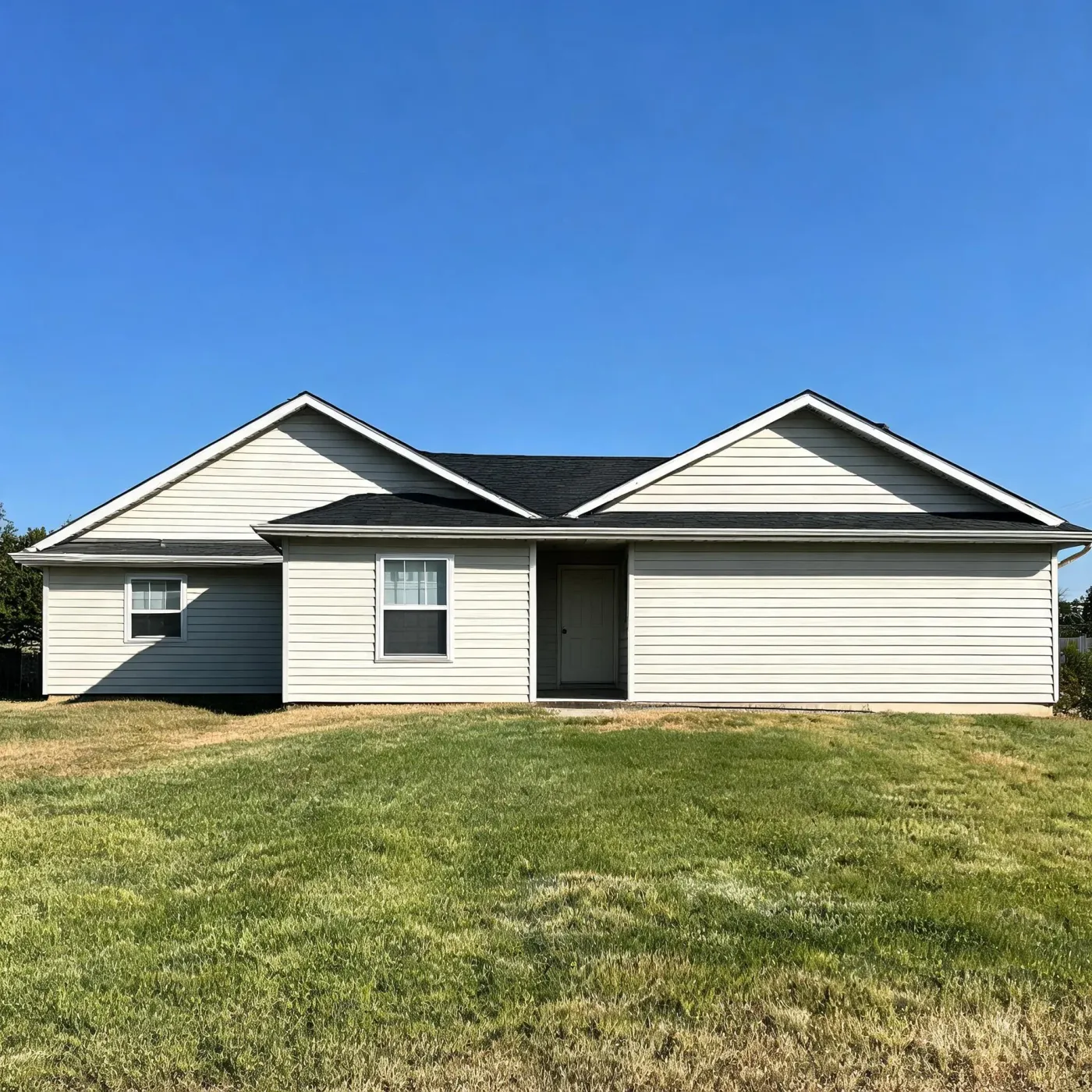
A single-story house with cream vinyl siding, dark shingled gable roofs, two windows and a center door, set on a grass lawn under a clear blue sky.

Summer here is a different job for the same unit. A 62°F dew point across June, July and August means the air is heavy with moisture almost every day that season, and the heat pump has to pull that moisture out along with cooling the air. That's why it can run long stretches in July too, not just in a January cold snap. If it's keeping the house cool and dry, that's the coil doing its job. If the house feels cool but damp, or the runtime in summer seems off compared to how it runs in winter, that's worth a look by someone who knows the equipment. Source: regional climate averages for Iowa.

NASA POWER T2MDEW county cells weighted by homes

A gray outdoor condenser unit on a concrete pad beside a light-green sided house, surrounded by mulch, ornamental grasses and a shrub, with mowed lawn in the foreground.
Clean fins, clear airflow, and the unit shuts off on its own once the house hits temperature.
A gray outdoor air conditioning condenser unit on a concrete pad beside a house with light vinyl siding, with a gray electrical disconnect box and conduit on the wall to the right.
Caked-on dirt chokes the fins, so the unit runs longer and longer and still can't quite catch up.

A heat pump running long and steady below freezing is doing its job. One that can't hold setpoint, or never comes out of defrost on its own, has something wrong underneath the cold, and that part doesn't fix itself when the weather warms up. Once you know which one you're looking at, the next step is getting someone out who works on these units all winter in Iowa and knows the difference between a system working hard and a system failing quietly. You'll be matched with one licensed local contractor for this, not a handful of companies competing for your callback, so there's no juggling quotes or fielding calls from strangers. Just someone who sees iced coils and stuck reversing valves every cold snap, called in to look at yours.

Corner of a room with a white window at left, a white fireplace mantel with dark stone surround at right holding a weathered clay vase of leafy branches, and a cream upholstered sofa with a knit throw and tan pillow in the foreground.
A cushioned window seat with a brown lumbar pillow beside a white-framed window overlooking green trees, next to built-in cream cabinetry with shelves holding ceramic vessels and a wooden bowl.
An entryway with a dark wood console table holding a stone vase of olive branches and a shallow wooden bowl, a woven basket on the lower shelf, a framed landscape print on the wall, and a glass-paned wood door at left.
A wooden vanity cabinet with dark knobs and a beige stone countertop holding a round terracotta vase with leafy branches, beside a wood-framed mirror and a white sink.
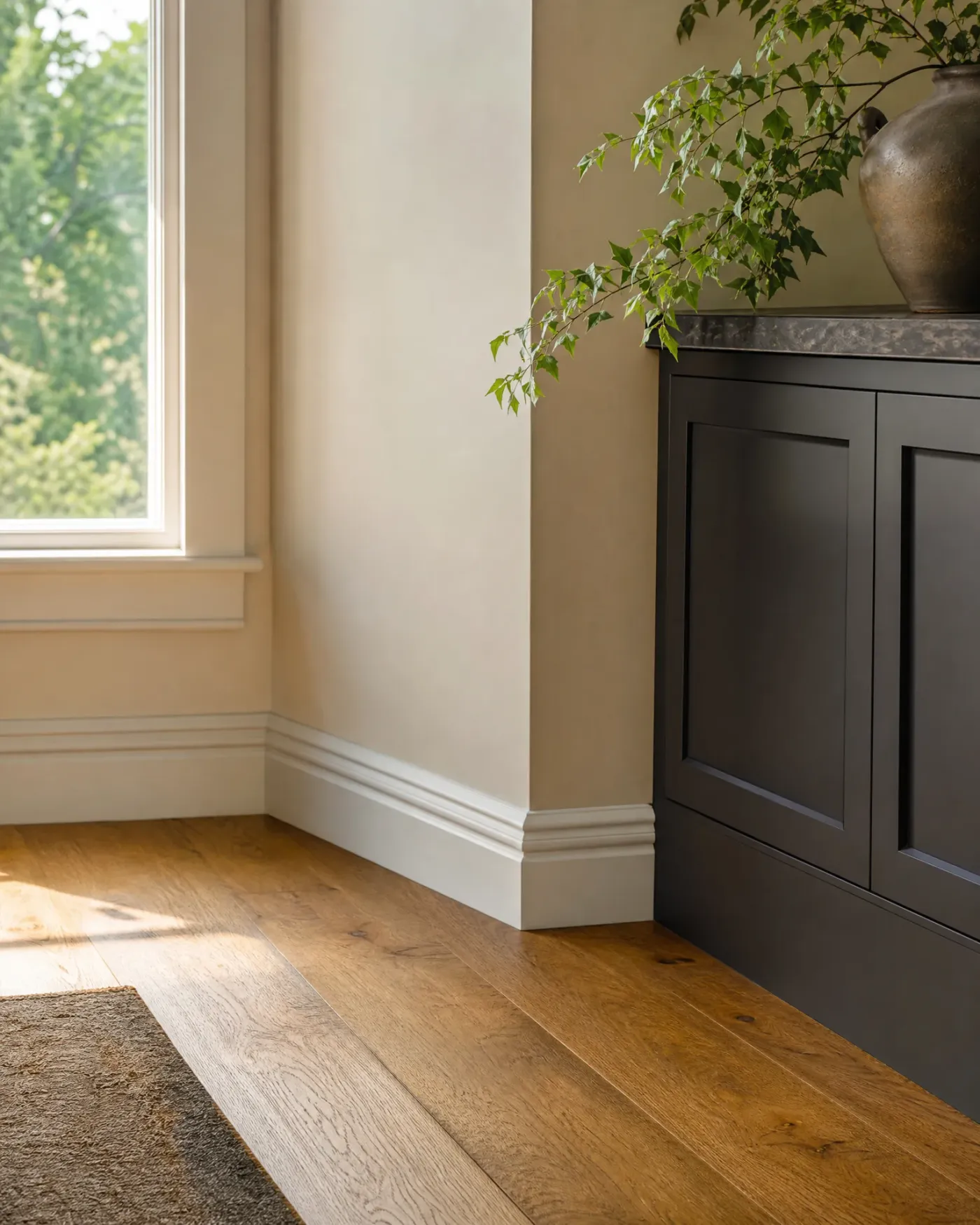
Sunlit room corner with wide-plank oak flooring, white baseboard molding and beige walls, a window at left showing green trees, and a dark cabinet at right topped by a stone vase holding a leafy branch.

Hand off the search today

Your request goes to one pro, not a list of companies.

Send it today

No fee to send it, and nothing to sign.