How long a heat pump lasts in Dubuque, IA

Get matched with someone who does this kind of work in Dubuque County.

Get matched

How long does a heat pump last in Dubuque, IA?

Dubuque winters are hard on a heat pump, and that makes a lot of owners wonder if theirs is going to hold up or wear out sooner than the brochure promised. You're not asking out of idle curiosity. You want to know whether the noise it's making or the bill it's running is normal for its age, or a sign it's near the end.

15 to 20 years, less if it's been working hard every winter

A heat pump in Dubuque typically runs 15 to 20 years, but which end of that range yours lands on depends on how often it has to work against the cold. In a county where winters are hard, the outdoor unit runs a lot more hours than it would somewhere milder, since it's the only thing standing between your house and January. Most homes here heat with gas, so a lot of Dubuque County heat pumps are paired with a furnace as backup, which actually eases the load and can help one last toward the higher end of that range. A heat pump carrying the full winter on its own tends to wear faster.

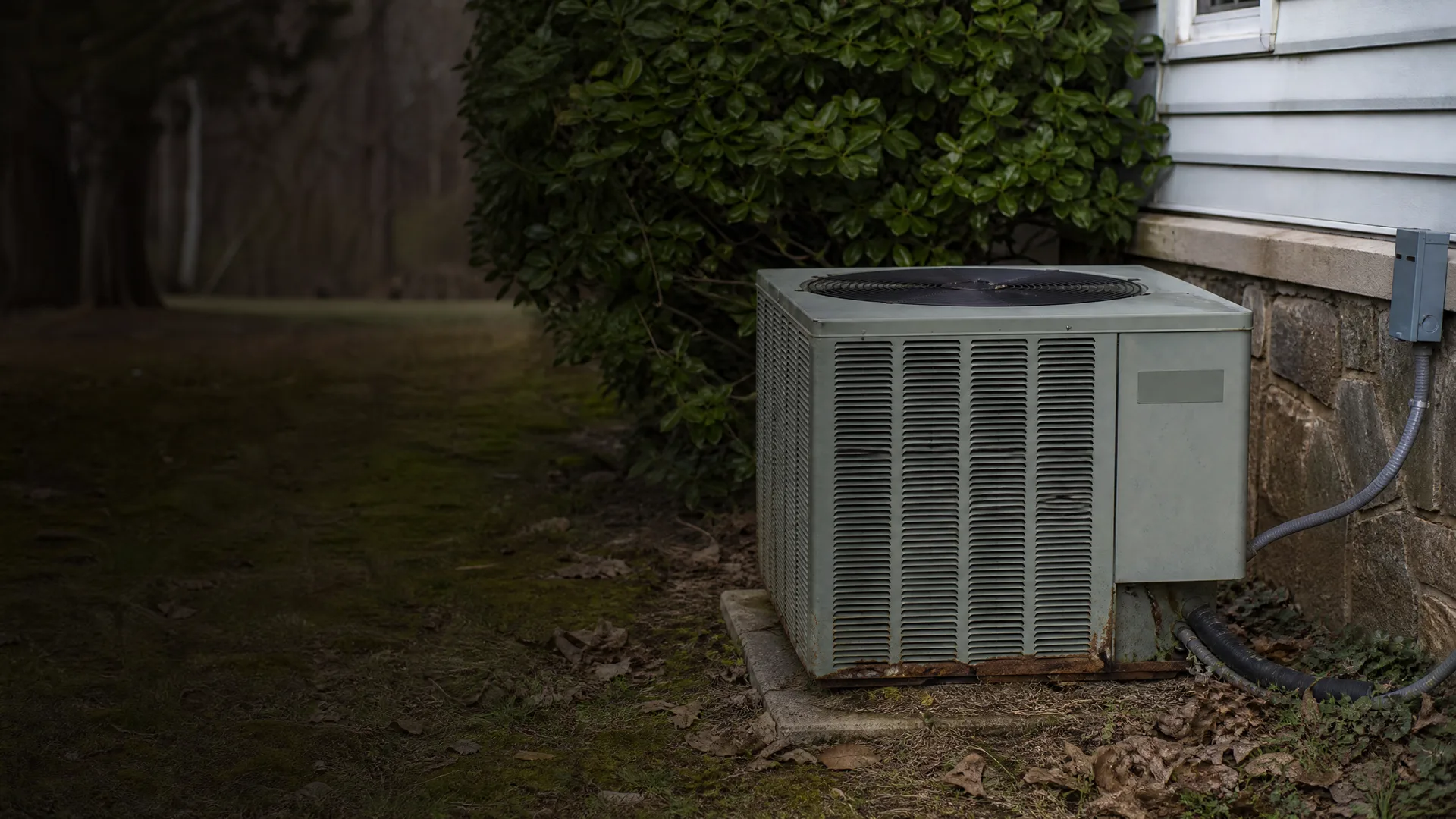
An outdoor air conditioner condenser unit sits on a concrete pad beside a house with stone foundation and light siding, next to a large evergreen shrub, with an electrical disconnect box and conduit on the wall.

You're out checking the yard once the snow's finally gone, and you stop by the unit sitting there in the side yard. The sun's out but there's still a chill in the air. You crouch down and see rust creeping along the base, flaking off where the metal meets the ground. You run a finger along it and a piece comes away. It's been through a lot of winters out here, sitting in snow and salt and thaw, year after year. You straighten up and wonder how many more Dubuque winters it's got left in it before the rust works its way further up.

Is my heat pump starting to slip?

Listen to it on a cold morning. A heat pump that's working hard will run longer stretches than it used to, and you'll hear the outdoor unit kick on more often just to hold the same temperature. Check the vents. Air that feels cooler than it should, even though the system is running, means it's losing ground. Look at the thermostat settings you're using now compared to last winter. If you've nudged the temperature up just to feel the same warmth, that's the unit asking for more to do less. Frost that lingers on the outdoor coil past its usual defrost cycle is worth a look too. None of this means it's done, but ignoring it usually means higher bills and a harder winter for the house.

An older man with gray hair and a beard stands in a doorway of a home, wearing a dark coat dusted with snow, with a lit fireplace and lamp visible in the blurred room behind him.
A bearded older man in a dark snow-dusted coat and scarf stands just inside a home's front door, with a lamp-lit room and snowy window visible behind him.
An older man with gray hair and a beard wearing a dark snow-dusted coat stands in a home entryway, with a lamp-lit living room and a wooden staircase behind him.
An older man with gray hair, a dark coat and scarf dusted with snow stands in a warmly lit entryway with an open wooden door, a table lamp, framed pictures, and a plant in a vase.
A gray outdoor condenser unit on a concrete pad beside a house with horizontal lap siding, a conduit and disconnect box on the wall, a shrub with white flowers at right and evergreen foliage at left.
A heat pump running right cycles on, moves air, and shuts off without you noticing it.
A weathered outdoor condenser unit on a concrete pad beside a house with white horizontal vinyl siding, with refrigerant lines and conduit running to a wall-mounted electrical box.
This one's doing its job and giving no reason to think about it twice.

Why does a Dubuque winter wear out a heat pump?

  • Winter nights average 15°F

    At 15°F the unit has to pull heat from air that holds almost none, so it runs harder and longer than it would somewhere milder.

  • Heat runs October through May

    Eight months of heat means the system spends most of the year working, not resting, and that adds up in moving parts and run hours.

  • Cooling runs June through August

    Three months of cooling asks less of the same equipment, but it still means the heat pump is in use nearly all year round.

NOAA nClimDiv 1991-2020

A beige outdoor air conditioning condenser unit on a concrete pad beside a house with horizontal vinyl siding, with refrigerant lines and a disconnect box on the wall, surrounded by dark mulch and a green shrub at left.

Running the way it should

This one cycles on, holds steady, and shuts off clean. The conduit and disconnect are tucked in tight, the pad's level, and nothing around the unit is blocking airflow. A heat pump set up like this is working the way it was installed to.

An outdoor air conditioning condenser unit on a concrete pad beside a house with light horizontal siding and a concrete block foundation, with bare soil and small green plants around it.

Falling behind

Dust and grime cake the fins and the wire grille, thick enough to see from a few feet off. Buildup like that makes the unit pull harder to move the same air, and in a Dubuque winter that extra strain adds up fast. Left alone, it wears the system down faster than the cold alone would.

A woman wrapped in a thick textured blanket sits on a sofa with an open book on her lap, beside a lit lamp and bookshelf, with a frost-patterned window behind her.
A bearded man in a dark plaid flannel shirt stands indoors looking out a window at a snow-covered yard, with a dark gray mug on the windowsill and kitchen shelves behind him.

Get matched with a heat pump pro in Dubuque County

One request ends the search for a heat pump installer.

There's no charge for the request.

An outdoor condenser unit on a concrete pad beside a gray lap-sided house, with an electrical disconnect box and conduit on the wall and shrubs with mulch to the right.

Holding up fine

This one's clean, level on its pad, and tucked against the house with the lines and disconnect run neat. Nothing's piled against the grille. Air moves through it the way it's supposed to, which is half of what keeps a unit running its full stretch.

A weathered gray outdoor condenser unit on a concrete pad beside a house with horizontal vinyl siding, with conduit, refrigerant lines, and an electrical disconnect box on the wall behind it.

Starting to wear

Grime's built up thick across the top panel and grille, and dead leaves have collected around the base instead of getting cleared off. A unit sitting like this through a Dubuque winter is working harder than it should just to move air through all that buildup.

Keep It Running or Plan for New

Keep it running

  • A heat pump that still holds its set temperature through a 15°F night is doing the job it was built for, no matter the year on it.
  • If the coil, the lines and the pad have been kept clear, the strain of a Dubuque winter falls on the refrigerant cycle, not on rust or blocked airflow.
  • A tune-up before the cold hits catches a weak capacitor or a low charge while it's still a small fix.
  • Gas backup heat in most homes here means the heat pump isn't carrying the whole eight months of winter on its own.
  • Replacing one part on a unit that's otherwise sound costs less than replacing the whole system before it's worn out.

Plan for new

  • Once a unit is cycling constantly just to hold a room's temperature, it's spending more on electricity than a newer one would to do the same work.
  • Rust at the base or around the coil tells you the cabinet is failing even if the compressor still runs.
  • A system that's needed more than one repair in a winter is telling you the next failure is closer than the last one.
  • Power here isn't cheap, and a heat pump working harder than it should shows up directly on that bill.
  • Installing before a hard failure means choosing the timing instead of losing heat on the coldest week of the year.
  • A new system comes sized and set up for Dubuque winters, not just for whatever the house needed when it was last installed.
  1. The thermostat calls for heat and the reversing valve shifts the cycle.

  2. The outdoor coil pulls what heat it can from the cold air.

  3. The compressor presses the refrigerant to raise its temperature.

  4. The indoor coil releases that heat into the air moving through your ducts.

A heat pump in Dubuque holds up for ten to fifteen years, less if the winters have been hard on it and the upkeep hasn't kept pace, more if it's been kept clear and serviced on schedule. The age on the unit matters less than what it sounds like on a cold morning and whether it's still holding the temperature you set. If yours is struggling, rusted through, or just old enough that you're done guessing, you don't have to figure out the next step alone. Send the form and the search for a contractor is off your plate. Someone who knows these winters and these units will reach out, and from there it's a conversation, not a scramble.

A single-story white stucco house with dark roof, stone-clad entry tower and three dark garage doors, lit from within at dusk, with a curved concrete driveway and dark mulch beds with boulders and bare young trees in the foreground under an orange and blue sunset sky.

Heat Pump Installation

Find a heat pump installation pro in Dubuque County

New system or replacementHeat PumpDubuque County, IA
Step 1 of 2

What ZIP code is the job in?

  • A beige upholstered armchair with a cushion and knit throw sits beside a double-hung window with a woven shade, next to a white fireplace mantel with a lit fire, a vase of greenery, and a round wooden table in the foreground.
    • Your request goes to a Dubuque County pro who takes heat pump jobs.
    • A local installer who puts in heat pumps gets your project.
  • A shallow speckled beige ceramic bowl holding a leafy green branch sits on a wooden dresser beside a tall matte stoneware vase, with a window at left and a dark-framed picture at right.
    • Send the form and the search for an installer is over.
    • Send the request and finding a pro stops being your problem.
  • A ceramic table lamp with a pale tapered fabric shade sits on a rustic wooden table beside a wooden bowl, with a framed artwork on the beige wall and sunlight from a window at left.
    • Skip collecting and comparing quotes for the new heat pump.
    • Skip searching for a heat pump pro and answer a few questions instead.
  • A black box-shaped outdoor wall lantern with seeded glass panels and a lit filament bulb mounted on a light gray board-and-batten exterior wall, beside a dark-framed glass door, with green leafy shrubs in the foreground.
    • A licensed installer who works in Dubuque County gets your project.
    • A licensed pro who works in Dubuque County gets your request.