How long heat pumps last in Iowa

A local installer who puts in heat pumps gets your project.

Find a heat pump pro

How long do heat pumps last in Iowa?

You're planning ahead, maybe pricing out what your gas furnace and heat pump setup might cost you down the road, or you just had one installed and want to know what to expect. Iowa winters put a heat pump through real work, and the cold months here matter more to its lifespan than the muggy summers do. You want a straight number so you can plan the next decade or two around it.

A heat pump in Iowa typically lasts 12 to 15 years

A heat pump in Iowa typically lasts 12 to 15 years, often on the shorter end of what you'd see in a milder state. Most homes here lean on gas furnaces for the coldest stretches, so a heat pump paired with one runs its compressor hardest in spring and fall rather than through single-digit temperatures. Still, the unit sits outside year round, and Iowa's swings from January cold to July humidity put real stress on the outdoor coil and compressor. Cheap power here doesn't change the wear on the equipment itself. How long yours actually goes depends on how well it was sized and installed at the start, and how consistently it got serviced from there.

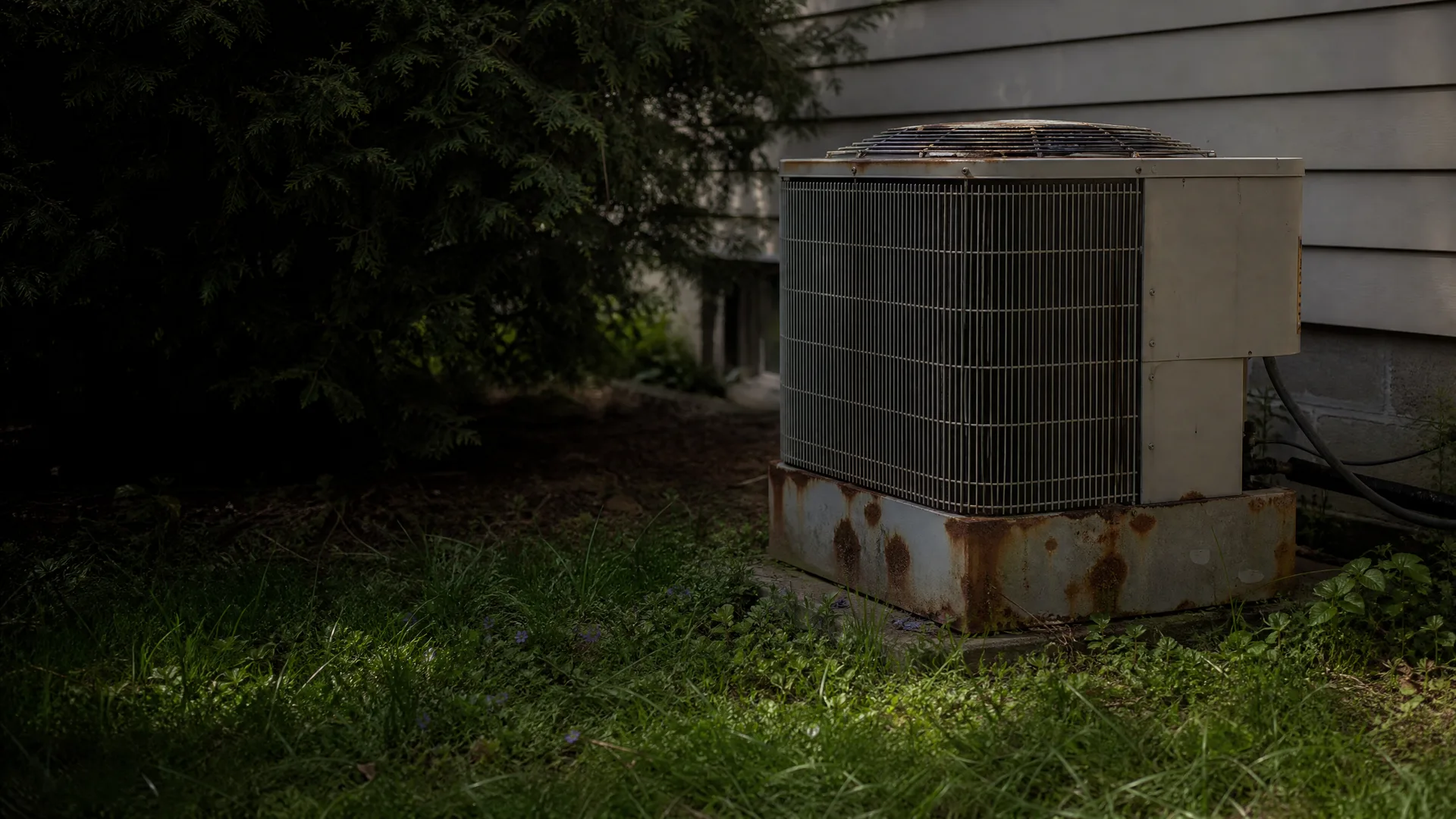
An outdoor air conditioner or heat pump condenser unit sits on a rusted concrete pad beside a house with horizontal siding, surrounded by grass and dark evergreen foliage.

You're out in the side yard in April, coiling up the hose before the grass really starts growing, and you catch sight of the condenser unit tucked by the foundation. Rust has crept along the base, a thin orange line where the metal meets the concrete pad. You crouch down to look closer. It still runs fine, it kicked on just last week when the house felt damp and cool, but that rust wasn't there last spring, or you don't remember noticing it. You think about how many winters it's handled, how many times it's switched over to help the furnace along. You make a note to mention it to someone who'd actually know what it means, then go back to the hose.


Keep It Going or Replace It

Keep running it

  • If it's still heating through a January cold snap without short cycling, the compressor is holding charge fine.
  • A heat pump that keeps up during a stretch of single-digit nights is doing the hardest part of its job already.
  • Your gas furnace carries the coldest days anyway, so the heat pump mainly needs to handle fall and spring and the milder winter stretches.
  • Lower electric bills stay lower as long as the heat pump is doing that shoulder-season work instead of the furnace kicking on early.
  • A unit without rust past the base or refrigerant leaks has years left in it even if the outside looks a little worn.
  • Replacing early means paying for capacity you already have, on a system that was doing its job.

Plan the swap

  • Rust working past the base and up into the cabinet usually means moisture has reached wiring or the coil, not just the surface.
  • Short cycling or a system that can't keep the house at temperature on a mild November day points to a compressor or charge problem, not just wear.
  • If repair calls have started stacking up, the cost of patching it keeps closing the gap with putting in a new one.
  • Summers here get sticky enough that a heat pump losing dehumidifying power shows up as a damp house before it shows up on the thermostat.
  • A new heat pump paired with your gas furnace means the outdoor unit that's doing more of the yearly work is also the newer one.
  • Replacing on your schedule means you pick the install date, not scrambling to find a contractor when it fails on the coldest week of the year.
A gray outdoor heat pump unit on a concrete pad beside a house with horizontal lap siding, connected by conduit and a flexible line to a wall-mounted disconnect box, with low shrubs and mulch nearby.

Running the way it should

This is a heat pump doing its job without drama. The pad is level, the lines run clean to the disconnect, and the fan grille isn't caked with grass clippings or coated in ice. A unit kept clear like this holds its charge and runs the compressor the way it was built to for years.

An outdoor air conditioner condenser unit on a concrete pad beside a house with beige horizontal siding, with conduit running from an electrical box on the wall.

Signs it's working harder than it should

A conduit run and a disconnect box are normal on any install. What isn't normal is a unit that's iced over outside of a defrost cycle, short cycling on cold nights, or straining to keep up once temperatures drop into the single digits. That's a compressor working past where it should have to.

A woman with long gray hair in a dark green sweater sits on a cushioned window seat with textured pillows and a knit blanket, looking out a window toward trees with yellow and orange foliage.
A gray-haired woman in a cream sweater sits under a blanket in a living room, looking out a window toward sunlit yellow foliage, with a lamp, framed landscape painting, bookshelf and potted plant behind her.
A gray-haired woman in a gray knit sweater sits in an armchair by a window with autumn foliage outside, in a room with a wooden dresser, framed picture, and a potted plant.
A gray-haired woman in a cream turtleneck sweater sits in an armchair by a window, looking out toward yellow and orange autumn foliage, with a lamp, bookshelf and side table in the dim room behind her.

The right pro for this job

Skip the round of in-home estimates for a new heat pump.

It costs nothing to send, and you don't have to hire anyone.

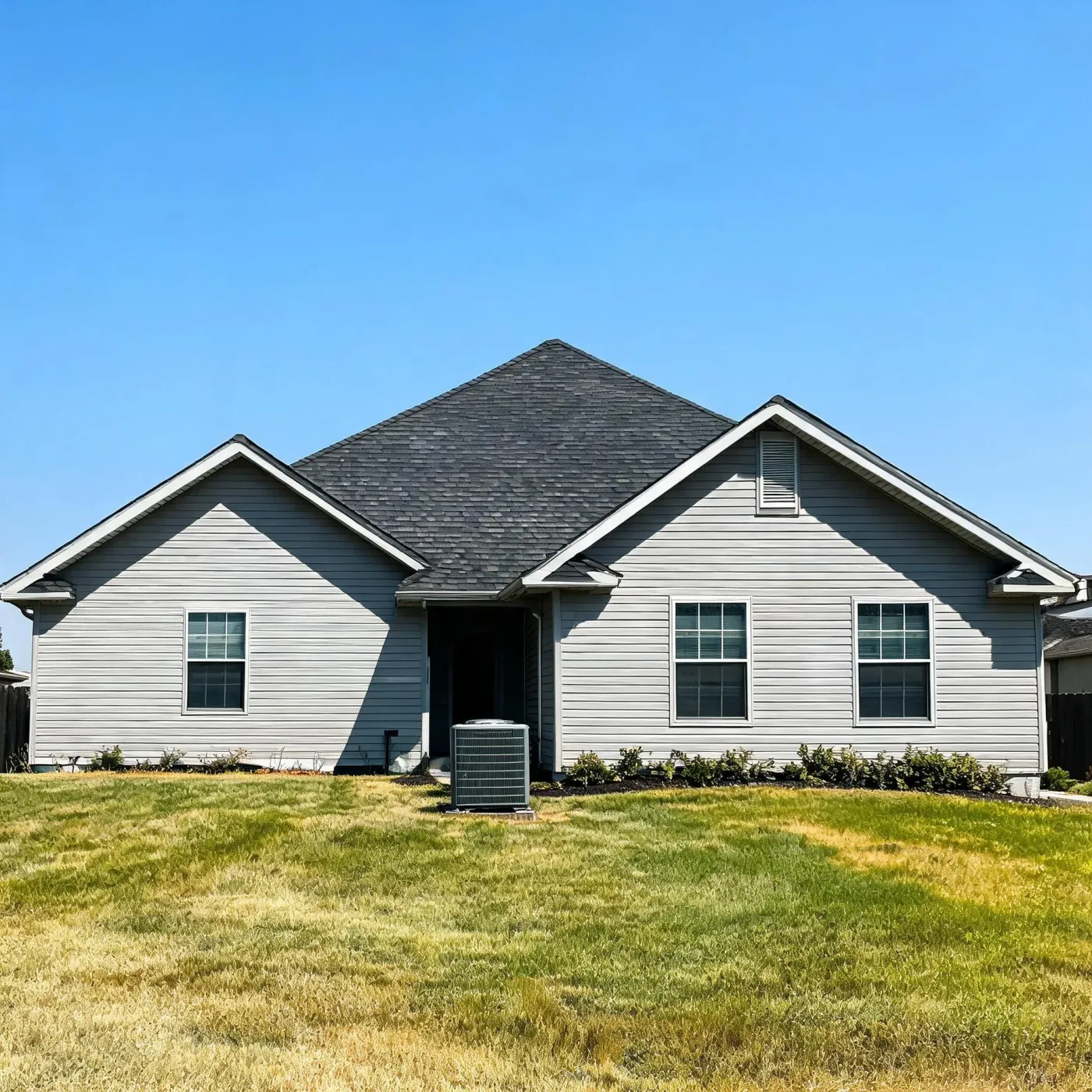
A single-story house with light gray horizontal siding, dark shingled gable roofs, and white-trimmed windows, with an air conditioning unit beside a recessed entry and a partly dry lawn in front under a clear blue sky.

Summer air here holds a dew point around 62°F, by National Weather Service records, which is the sticky, hard-to-shake kind of humid. Your heat pump isn't just cooling the air in that weather, it's wringing moisture out of it, and that second job falls on the same compressor doing the cooling. Run it through a muggy Iowa July and August and you're asking more of that compressor than a dry climate ever would. You'll notice it in the unit cycling longer and more often to keep the house comfortable. Over enough summers like that, it's part of what shortens how long a heat pump lasts here.

NASA POWER T2MDEW county cells weighted by homes

Why is your heat pump struggling to keep up lately?

You notice it first at the thermostat. The house takes longer to come up to temperature on a cold morning, or the air coming out of the vents feels cooler than it used to even though the system is running. Outside, you might hear it cycling on and off more than it did a few winters back, or catch it running almost constantly without the house ever feeling quite warm enough. Frost building up on the outdoor unit and staying there, instead of clearing during the defrost cycle, is another sign worth paying attention to. Left alone, a heat pump working this hard tends to lean more on backup heat to make up the difference, which shows up on your bill before it shows up as a breakdown.

A gray outdoor heat pump unit on a concrete pad beside a house with horizontal lap siding, with a conduit running to a wall-mounted disconnect box and a green shrub to the left.

Clear and maintained

Mulch around the pad, a shrub with room to breathe, nothing blocking the sides. The disconnect box is easy to reach and the conduit runs clean. Air moves through the coil the way it's supposed to, so the unit doesn't have to work past what the compressor was built for.

An outdoor air conditioner condenser unit on a concrete pad beside a house with horizontal vinyl siding, with refrigerant lines and an electrical disconnect box on the wall and dry leaves on the ground.

Dirty and neglected

Dead leaves piled against the base and coil fins caked with grime. Airflow drops when the coil is this dirty, so the system runs longer to move the same heat. Years of that strain add up faster than normal wear would on a unit kept clear.

A woman in a cream sweater stands in an open doorway of a single-story house with horizontal siding and a stone-veneer base, facing a man in a blue shirt with a bag strap seen from behind in the foreground.

What's actually wearing out inside that unit

A heat pump in Iowa runs two jobs a gas furnace setup doesn't ask of a straight AC system. It cools and dries the air all summer, then in the cooler months it reverses the cycle and pulls heat out of the outdoor air to warm the house, backing off to the gas furnace once it gets cold enough that there's little heat left to pull. That reversing valve is the part doing work most outdoor units never do, switching the refrigerant flow back and forth every time the system changes modes. It takes more cycles over a year than the compressor in a cooling-only system ever sees, and it's usually the first thing to show wear, sticking partway or failing to seat fully.

When a reversing valve starts to go, the symptom shows up as the system running in the wrong mode or failing to switch cleanly, not as a total shutdown. That's the kind of fault a homeowner usually can't diagnose by ear or by guesswork, and it's not a one-call fix the way a thermostat battery is. If you're at the point of weighing a repair against starting over with new equipment, getting matched with a contractor who'll look at the actual unit and your furnace pairing beats working the phone yourself to find someone who'll take the job on.

A gray upholstered sofa with a matching cushion sits beside a potted plant and a wooden table holding a small green plant in a stone pot, near a curtained window.
  1. Refrigerant pulls heat from outside air, even when it's cold.

  2. The reversing valve switches the cycle between heating and cooling.

  3. Indoor and outdoor coils trade heat back and forth all year.

  4. Backup heat kicks in when the outdoor air gets too cold to pull from.

An outdoor condenser unit on a concrete pad beside a horizontal-sided house, with insulated refrigerant lines running to a wall-mounted box, surrounded by bare dirt.
Before you get your heat pump installation
A gray outdoor condenser unit on a concrete pad beside a house with horizontal lap siding, with a wall-mounted disconnect box, conduit and insulated refrigerant lines, a shrub at left and gravel at right.
After you get your heat pump installation

A heat pump in Iowa runs year round, cooling and drying the air in summer and switching over to carry heat for most of the cold months before backup heat has to take over.

That extra workload is why most heat pumps here hold up for 10 to 15 years, often less than the 15 to 20 you'd see from an AC system paired with a gas furnace.

Power costs 13.62 cents per kilowatt-hour statewide

At 13.62 cents a kilowatt-hour, running your heat pump through the mild months costs less here than in most states, which is part of why it can handle the bulk of your heating and cooling without straining your budget. Your gas furnace still carries the coldest stretch, but the heat pump isn't the expensive half of that pairing.

EIA-861 2025 statewide residential average

A heat pump in Iowa that's cared for holds up for 10 to 15 years, sometimes longer if the gas furnace next to it is carrying the hardest cold. Short of that, you're watching for rust at the base, a compressor that short cycles, or a unit that can't keep up once the temperature drops. None of that tells you which contractor to call, or whether the quote you get is fair against another. Finding someone licensed, checking they serve your part of Iowa, and getting a straight answer on timing usually means calling around and explaining your setup more than once. Matching with a contractor through this page skips that part. You still make the decision on repair or replacement, but you make it with someone who's already looked at your situation instead of starting from scratch on the phone.

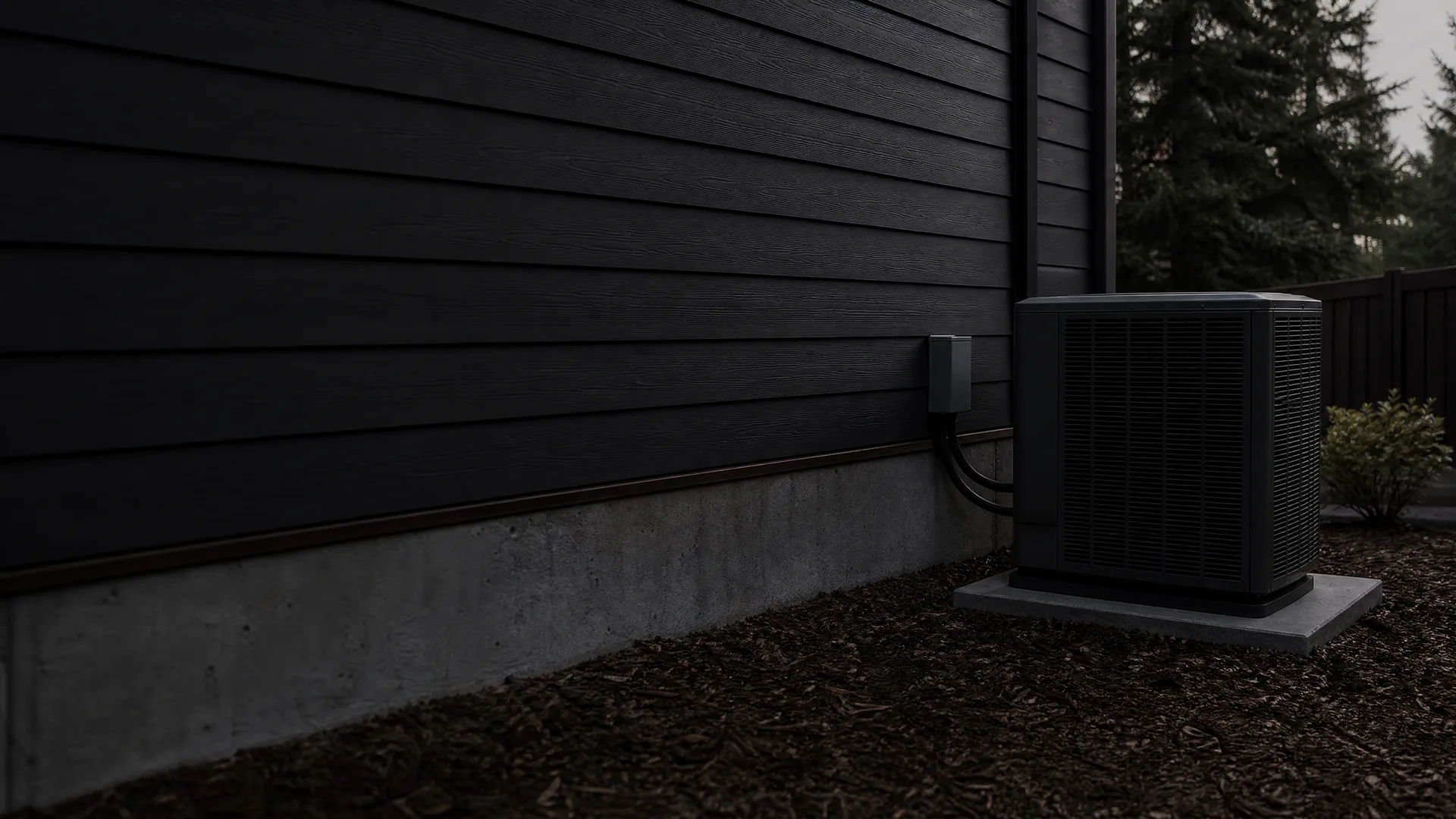
An outdoor heat pump condenser unit on a concrete pad beside a dark horizontal-siding house, connected by conduit to a wall-mounted disconnect box, with mulch ground cover, a fence, and evergreen trees behind.

Matched to your heat pump job

Describe the project once instead of to every installer.

New system or replacementHeat PumpIowa
Step 1 of 2

What ZIP code is the job in?