Scott County sees real storm damage
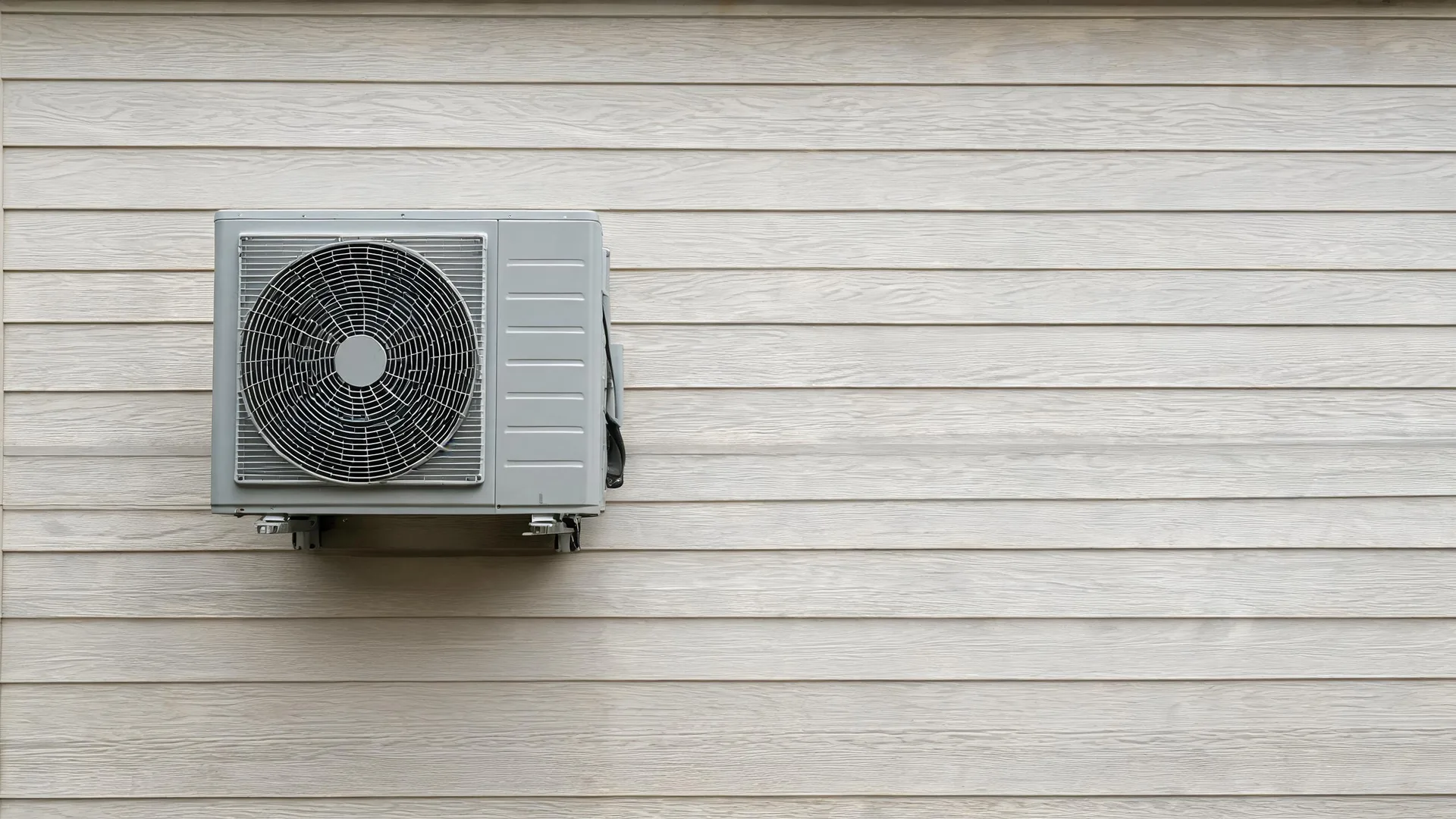
Scott County logged 338 severe weather events between 2015 and 2024. That includes 170 damaging wind events, 118 hail events, and 21 tornadoes touching down. An outdoor condenser sits exposed to all of it.
Takes about a minute. No obligation.
Scott County logged 338 severe weather events between 2015 and 2024. That includes 170 damaging wind events, 118 hail events, and 21 tornadoes touching down. An outdoor condenser sits exposed to all of it.
15% of Iowa households went at least 24 hours without power in 2024. Winter storms hit Scott County 28 times in that same span. A mini split won't run without power, and that matters whenever the outage lines up with a cold stretch.
NOAA nClimDiv, 1991–2020 normals
Gas heats 74% of homes in Scott County.
Most mini split installs here go in alongside an existing gas furnace, not in place of one.




Scott County sits in climate zone 5A, a cool zone where the energy code assumes heating does more work than cooling over the year. Any mini split installed here has to meet the federal minimum for split-system heat pumps: at least 14.3 Btu of cooling delivered for every watt-hour used, and at least 7.5 Btu of heat for every watt-hour in the winter months, for units built from 2023 on. That's the floor, not a target someone picked for this region. A contractor sizing a system for this area is working within that standard already, so the real decision is which model to install above it, not whether it clears the line.
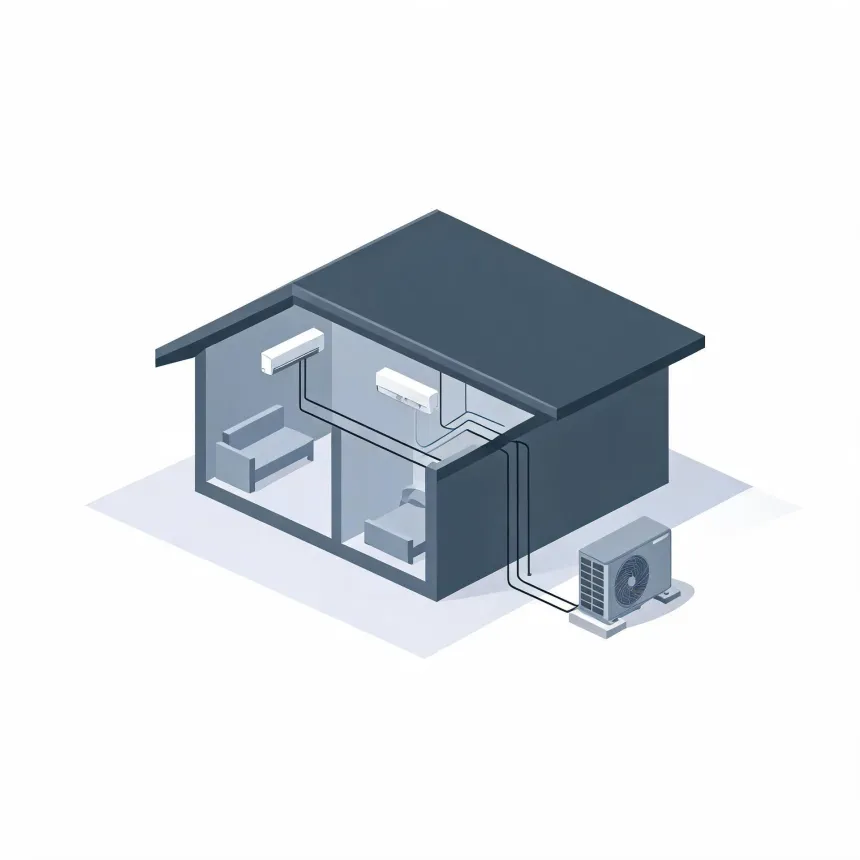
Where the outdoor unit goes and how it's protected matters here. So does having a plan for heat and hot water when the power drops, since a mini split needs power to run. Both are worth settling now, while the system is going in, not during the next storm.
Find a contractor
Half the homes in Scott County were built in 1972 or earlier. A house that age was almost never built with a mini split in mind, and whatever heating and cooling it has now was added or replaced at some point after the fact. That history matters for an install. Wall and ceiling cavities, the path from indoor head to outdoor unit, where a condensate line can run, all of it depends on how the house was put together, and an older home often needs more thought on routing than a new build does. None of that rules anything out. It just means the install gets planned around the house instead of the other way around.
A mini split is sized by working out how much heat the space gains in summer and loses in winter, not by square footage alone. That means checking window area and orientation, how much insulation is in the walls and ceiling, and what else is generating heat in the room. Two rooms the same size can need different size units depending on those factors.
A unit that's too big cools the room fast, then shuts off before it pulls the moisture out of the air, so the room feels cold and damp instead of comfortable. One that's too small runs constantly and never quite catches up on the hottest or coldest days. Either mistake shortens the compressor's life, since neither lets the system run the way it was built to run.
The number on the label is a ratio, not a grade. It tells you how much heat a unit moves for the electricity it uses, cooling in the summer and heat in the winter. A higher number means less electricity for the same comfort, but it's measured under set lab conditions, so it won't match what you see on the hottest or coldest day of the year. That's when a mini split has to work hardest, and real performance drops off from the rated number as the temperature gets further from comfortable. The rating is still useful for comparing one model against another. It just isn't a promise about your power bill, and it says nothing about how well the unit was sized or installed, which affects comfort just as much.
Summer here is short, three months of real cooling load, but those months aren't mild. Afternoons average 83°F through June, July and August, and the air sits heavy with a dew point around 63°F. A mini split has to pull that moisture out as well as cool the air, and it does both at once every time it runs. That's a different job than a dry heat would ask for. Buying on price alone means buying a unit that might clear the specs on paper but struggles on the muggy afternoons that actually show up here.