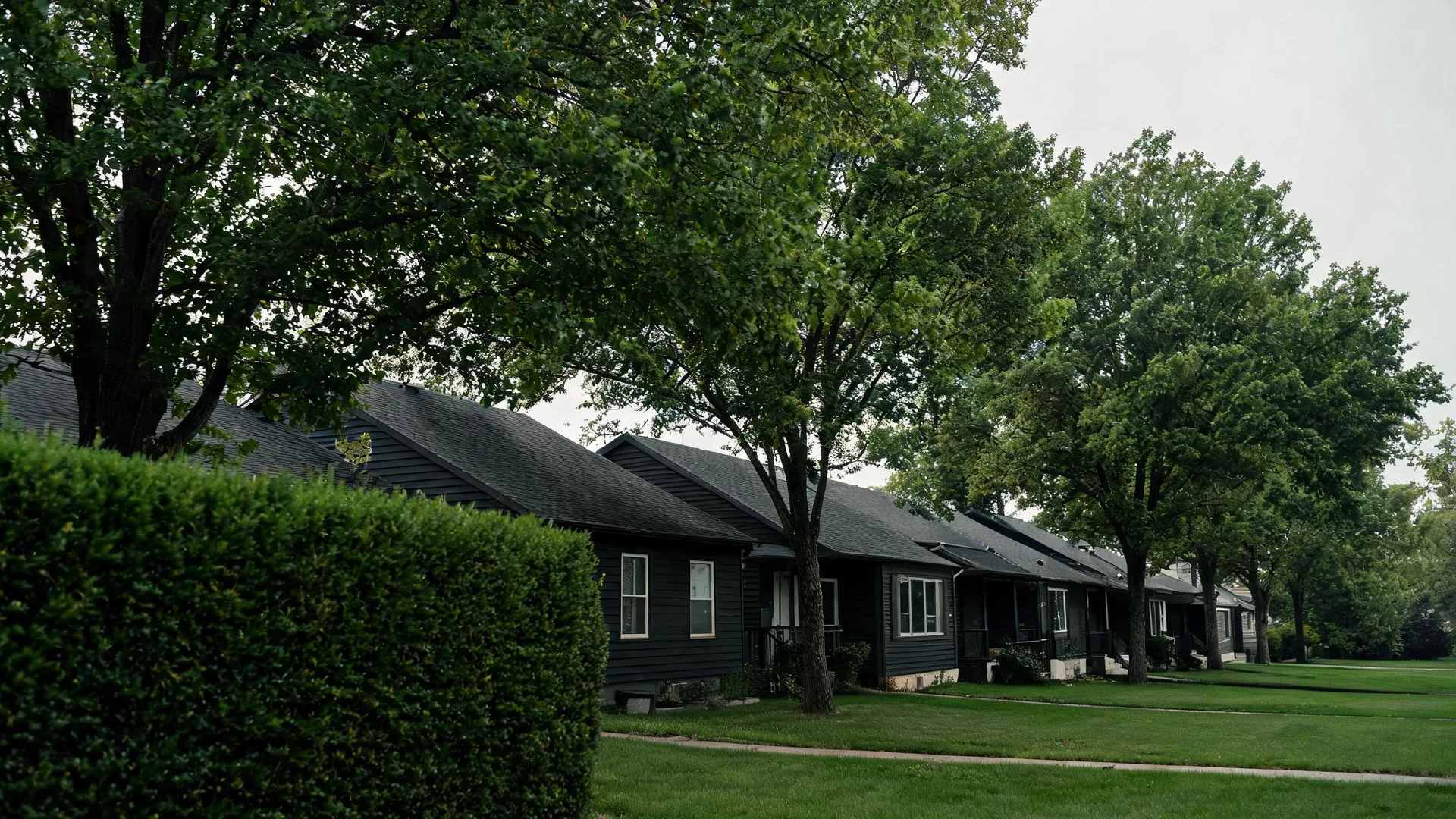





A row of dark-sided single-story houses with gray shingled roofs behind large leafy trees, a trimmed hedge at left and mown lawn with a narrow walkway in front.

Mini Split Installation in Dubuque, IA

Tell us about the job

Takes about a minute. No obligation.

New system or replacementMini-splitDubuque County, IA
Step 1 of 2

What ZIP code is the job in?

Gas heats 71.2% of homes in Dubuque County, far more than any other fuel. A mini split works alongside that setup rather than replacing it. Most homeowners here add one to handle a room the furnace and ductwork don't reach well, or to get cooling without running new ductwork at all. The furnace stays on for the cold months. The mini split takes over for shoulder seasons and anywhere you want separate control of the temperature.

8 months
October through May, your system heats
3 months
June through August, it cools
15°F
the average winter night it heats against
81°F
the average summer afternoon it cools against
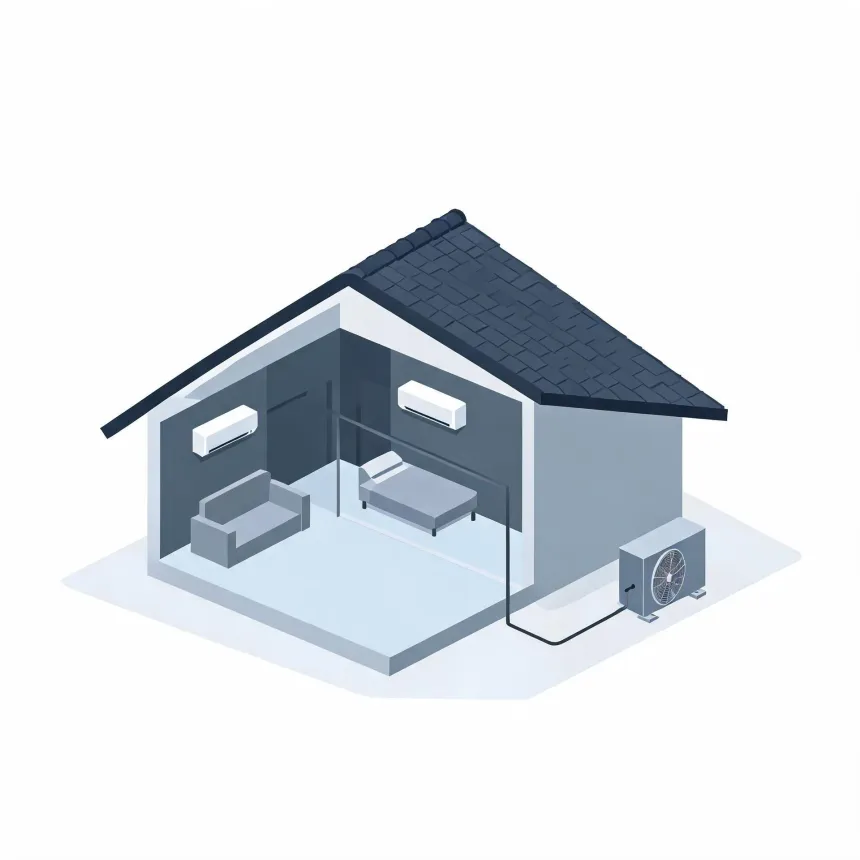
Isometric illustration of a cutaway house showing two wall-mounted indoor air conditioning units connected by a line to an outdoor condenser unit beside the building, with a sofa and bed inside.
Your system heats October through May and cools June through August.

NOAA nClimDiv, 1991–2020 normals

The cost of a mini split job comes down to how many zones you want and where the lines have to run.

A single head on an outside wall near the compressor costs less to install than a multi-zone setup running line sets through closets and up into a second floor.

Half the homes here were built in 1970 or earlier, and that limits where lines can run

Half the homes here were built by 1970
Cooling runs June through August
Summer afternoons average 81°F

Cooling in Dubuque County starts in June, so May is the month to get a mini split installed. Do it before that first warm week and the lineset work, the mounting, the electrical, all of it happens on a normal schedule instead of a rushed one. Wait until the heat shows up and installers are booking the same week every other homeowner who waited is calling too. Cooling only runs June through August here, three months, so losing a week or two of it to a late install is a real loss, not a small one.

Pick it for fit, not for the power bill

Electricity runs 13.4 cents a kilowatt-hour here, cheaper than most of the country, so the highest-efficiency model on the shelf won't pay you back fast. What matters more is whether it's sized and placed right for the room it's covering. Get the install scheduled and let fit, not the spec sheet, decide which unit goes in.

Find a contractor
A man in a cap, gray work shirt and brown pants, seen from behind, steps up porch stairs toward a dark green front door while carrying a canvas tool bag, with a potted shrub beside the entry.
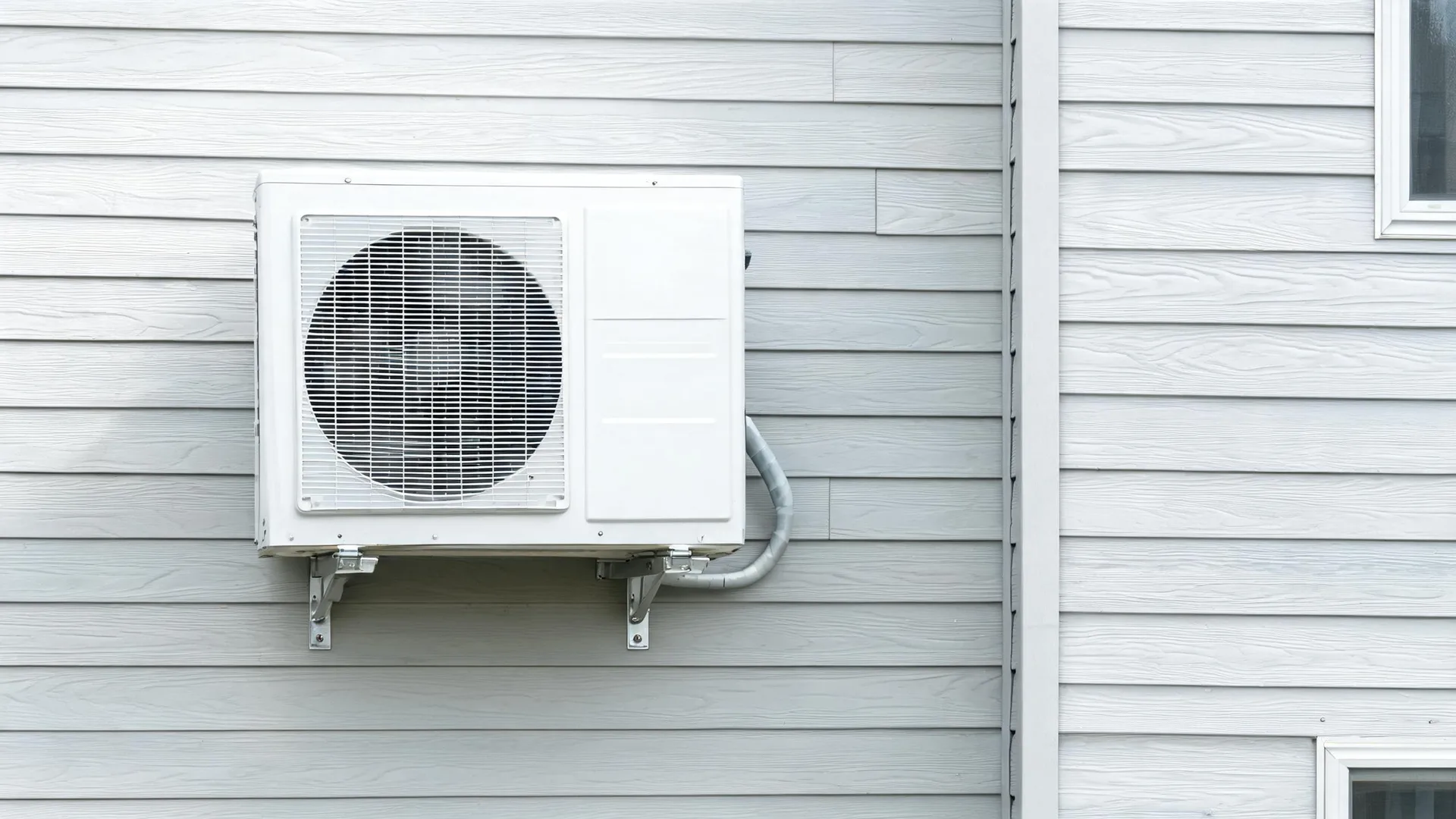
A white mini-split air conditioner outdoor condenser unit mounted on metal brackets against a beige stucco exterior wall, with a blue sky and scattered clouds in the background.

Three months of cooling is a light load to size for

Cooling here runs three months a year, June through August, with afternoons averaging 81°F. That is a light load for a mini split to carry. The compressor outside sits idle most of the year, then runs steady through summer afternoons. A properly sized single zone handles that without strain, nothing about this stretch calls for a bigger unit or a higher efficiency tier than standard. Wind and hail are a bigger factor for the outdoor unit than the cooling load is, so where it gets mounted and how it's protected matters more here than chasing a higher SEER2 number.

The old system usually just stays

Adding a mini split doesn't mean anything gets removed. The furnace and whatever cooling setup exists already keep doing their job the way they always have. The mini split runs on its own wiring and its own control, separate from the furnace and separate from any ductwork.
That changes what the crew needs to check first

Nothing old is coming out, so the install depends on what's already there having room for one more thing. The electrical panel needs an open circuit to spare. The outdoor unit needs a spot with airflow around it. The wall between them needs a clear path for the line set to travel. The existing system isn't touched, but it does shape where the new one can go.

Sizing a mini split comes down to a load calculation, not a rule of thumb tied to square footage. A contractor works out how much heat the room gains in summer and loses in winter, factoring in the windows, the insulation, how many walls face outside, and what else is in the room giving off heat. Too big and the unit short cycles, cooling the room fast then shutting off before it pulls the moisture out of the air, which leaves the space cold and clammy. Too small and it runs flat out on the hottest afternoons and still can't hold the temperature you set. Either mistake shortens the life of the compressor, since neither short cycling nor constant full-speed running is what it's built to do. The right size runs long, steady stretches at partial output, which is where these systems are most efficient and most comfortable to live with.

Install day starts outside, not in. The crew picks a spot for the outdoor unit with open airflow around it, away from dryer vents and downspouts, and close enough to the indoor head that the line set has a short, clean path to travel. That line set carries the refrigerant lines, a drain line, and electrical in one bundle, run through a hole drilled in the wall and sealed once everything is through. A poor seal there lets in air and moisture around the penetration, so it matters as much as anything else done that day. Once the indoor head is mounted and the lines are connected, the system gets evacuated to pull moisture and air out before refrigerant ever flows, then charged to spec and run through a full cycle before anyone calls the job finished.