Gas furnaces are the default here
Utility gas heats 55.6% of homes in Lee County, more than electricity and propane combined. A mini split adding to or replacing part of that setup is working alongside a fuel most of this area already counts on.
Takes about a minute. No obligation.
Utility gas heats 55.6% of homes in Lee County, more than electricity and propane combined. A mini split adding to or replacing part of that setup is working alongside a fuel most of this area already counts on.
Even in a gas-heated home, a mini split handles the room a furnace struggles to reach, or covers cooling without extending ductwork. It runs on electricity, so sizing it right matters more than what heats the rest of the house.
NOAA nClimDiv, 1991–2020 normals
Cooling in Lee County runs June through September.
May is the month to get a mini split installed, before the first warm week puts it to work.



Half the homes in Lee County were built in 1960 or earlier. A house that old wasn't built with a mini split in mind, and the walls, windows and room layout are whatever that era left behind. None of that rules out a mini split. It just means the line set route, the wall it mounts on and the size of the room all need a look before anyone picks a unit. A mini split sized off a spec sheet without seeing the actual room can end up too big or too small for it. The install has to answer to the house you have, not the one the catalog assumes.
Electricity in Iowa ran 13.40 cents per kilowatthour in 2024, cheaper than most states pay. A mini split still costs less to run than straight electric heat or a window unit, but at that rate the jump to a pricier, higher-efficiency model takes longer to earn back. Picking one sized right for the room and installed to last matters more than chasing the top number on the spec sheet.
Find a contractor
Four months of cooling here, June through September, with afternoon highs averaging 84. That's a normal load for a mini split, nothing a standard size and efficiency rating can't handle. The bigger job is heating, since Lee County sits in a cool zone where heating carries more of the year than cooling does. A mini split rated for this climate zone is already built for that work. No need to size up or pay for a higher tier to cover what's a routine season here.
Every mini split has a heating capacity that drops as the outdoor temperature drops, and the spec sheet shows exactly how much. A unit that heats fine at a mild temperature can fall off hard once it gets cold, forcing a backup heat source to pick up the rest. Ask for the capacity at the coldest temperatures the area sees, not just the rating at a mild one.
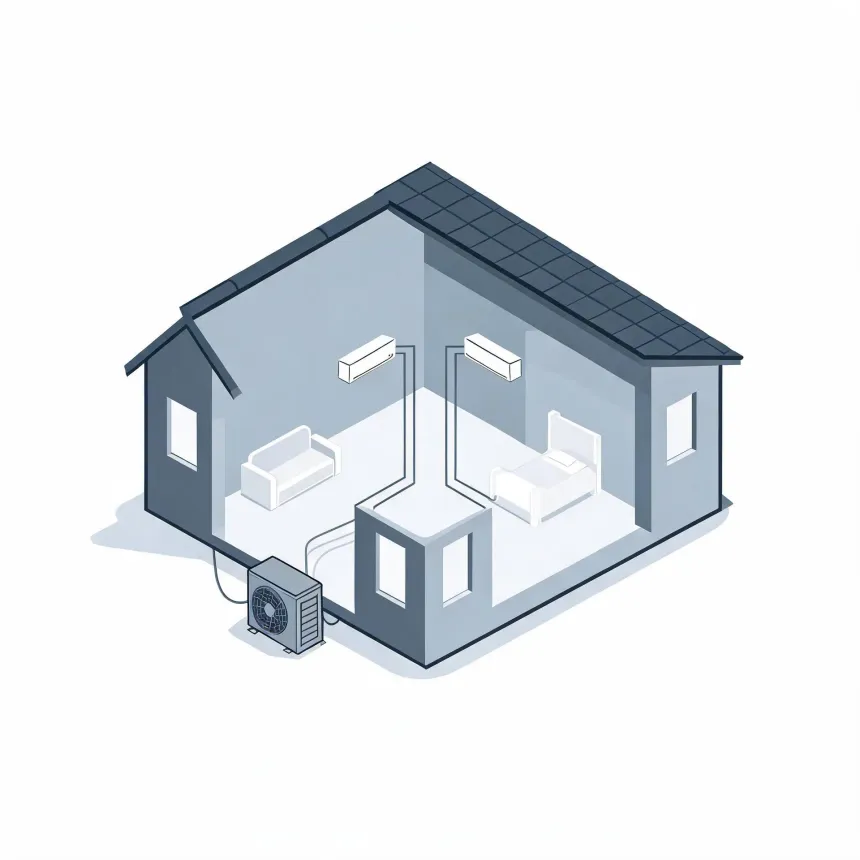
The line set carries refrigerant between the outdoor unit and the indoor head, and its length and the number of bends in it affect how the system performs. A run that's too long or has too many turns without the right adjustments can leave a correctly sized unit still falling short. Whoever quotes the job should be measuring the actual route through the house, not pricing off a standard length.
If this mini split is replacing a window unit or taking some load off a furnace, nobody has to touch the old system to make the new one work. A mini split runs on its own refrigerant circuit, separate from ductwork or whatever cooling was there before. A window unit just gets pulled out of the frame. If a furnace stays in place to handle the rest of the house, it keeps running the same as always, the new unit doesn't tie into it or change how it operates. The only case where an old system has to come out is when a mini split head is going in the same spot a window unit used, or the room needs that wall space back.
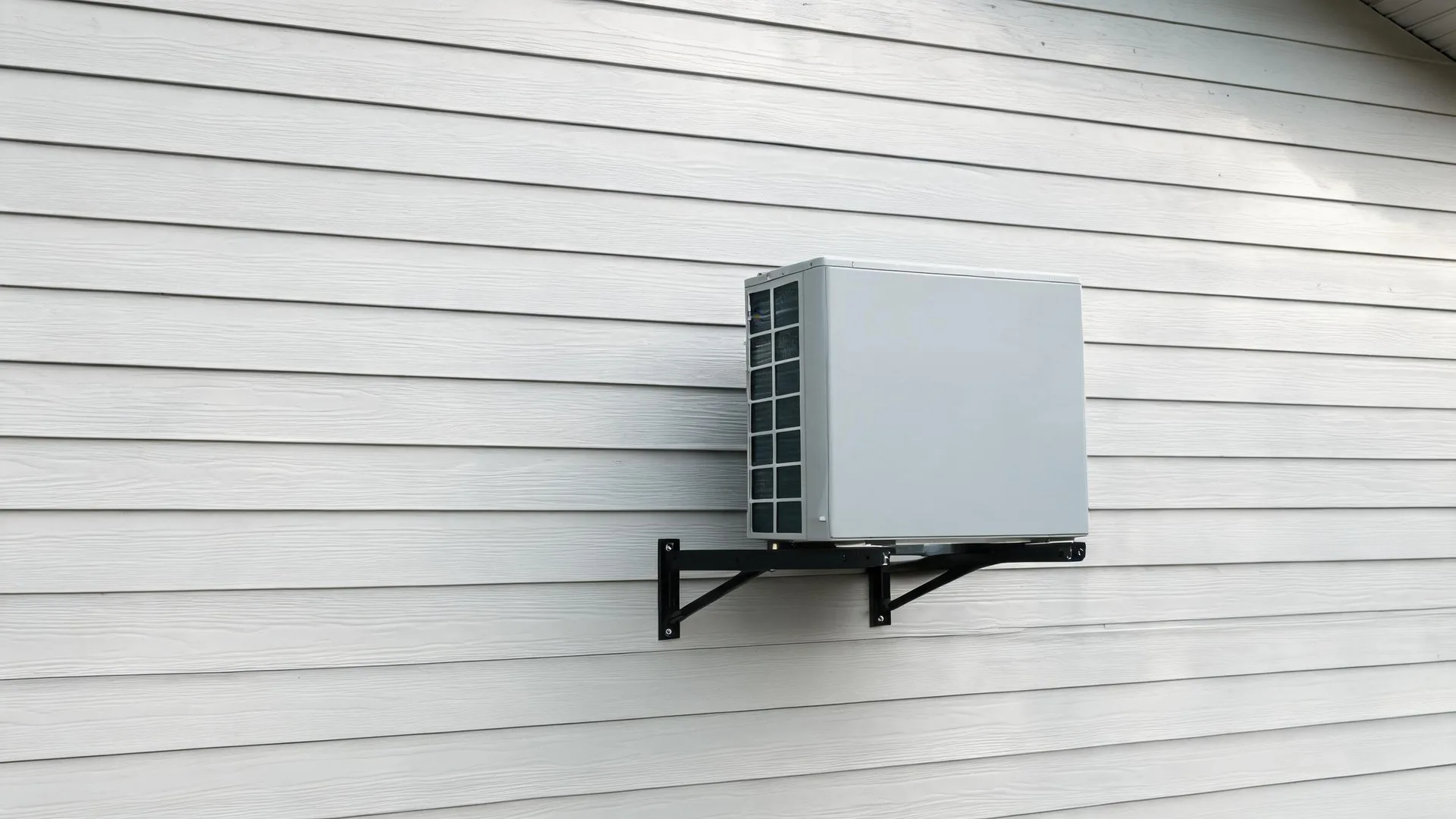
Installation starts outside with the condenser, set on a pad or bracket with enough clearance to pull air through it. Inside, each head goes on the wall or ceiling spot that was picked out ahead of time, usually high up where the airflow can reach across the room. A hole gets drilled through the wall for the line set, the refrigerant lines, power wire and condensate drain all running through that one penetration. The lines get connected at both ends, and the system gets evacuated to pull out air and moisture before refrigerant is ever charged into it. Skipping that step is what causes a unit to underperform from day one, so it's worth asking whether it's part of the job. Once it's charged and powered on, the tech checks airflow at each head and confirms the system is holding the temperature it's set to before calling it done.