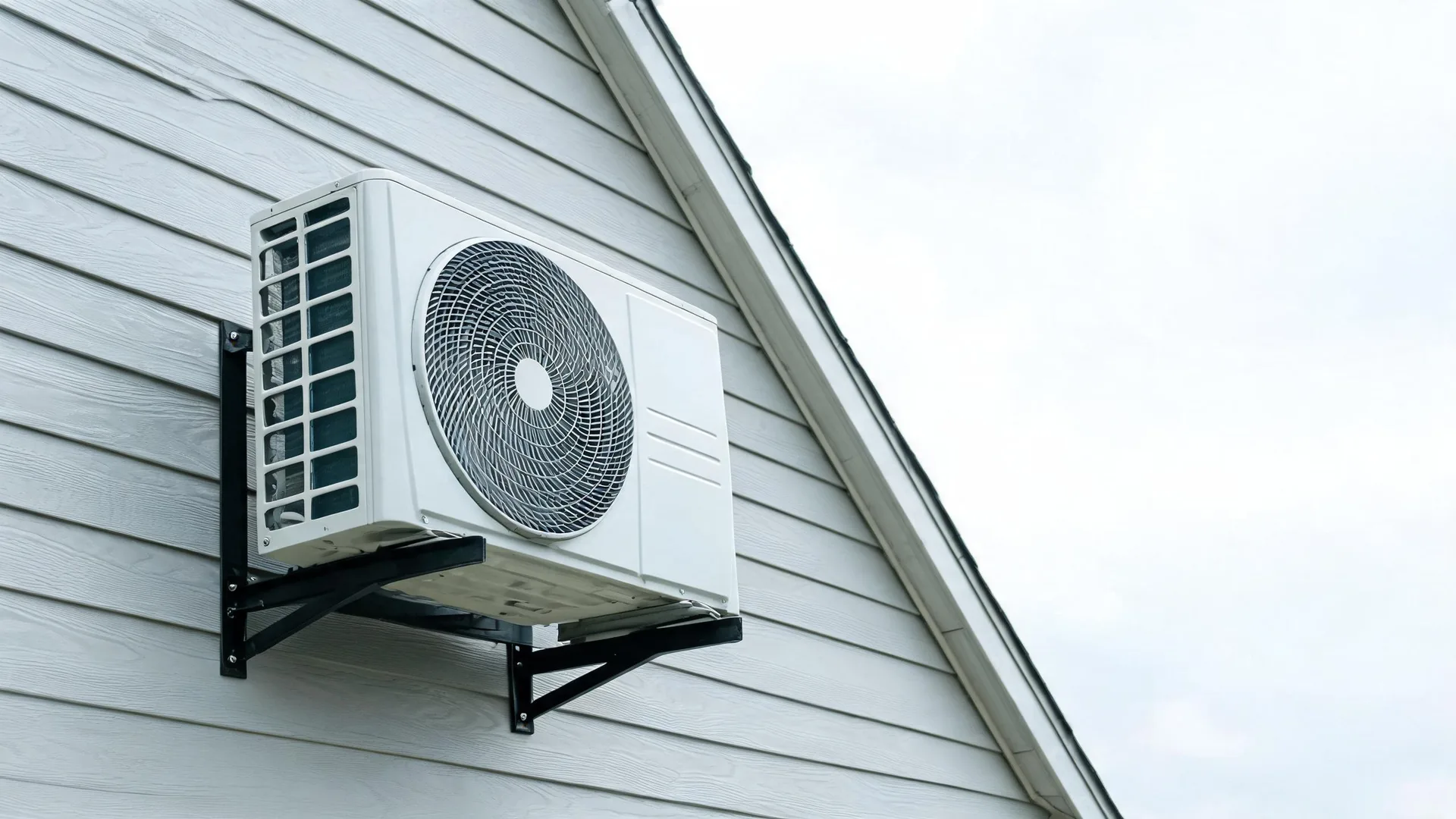
Most homes here heat with gas
Utility gas heats 70.1% of occupied homes in Muscatine County, with electricity and propane making up most of the rest. A mini split would be something new here, not a swap for the furnace.
Takes about a minute. No obligation.
Utility gas heats 70.1% of occupied homes in Muscatine County, with electricity and propane making up most of the rest. A mini split would be something new here, not a swap for the furnace.
A mini split doesn't need to replace the furnace to be worth installing. It can take over a room or an addition the ducted system doesn't reach well, while the furnace keeps handling the rest of the house.
NOAA nClimDiv, 1991–2020 normals
Iowa electricity ran 13.40 cents a kilowatt-hour in 2024, cheaper than most states pay.
A mini split still earns its keep on comfort in that one room, the payback from efficiency alone just takes longer here.



Muscatine County is zone 5A. Winters are the bigger load here, not summer heat. Any mini split installed has to meet the federal minimum for a split-system heat pump. That means 14.3 SEER2 for cooling and 7.5 HSPF2 for heating. The standard doesn't carve out a separate class for ductless systems, so a mini split is held to the same numbers as a central heat pump. Those numbers are a floor, not a ceiling, and plenty of units sold today clear them by a wide margin.
Half the homes in Muscatine County were built in 1970 or earlier. An older house can have plaster walls, a panel that's already full, or framing that makes running line set harder than it looks on paper. None of that rules out a mini split. It just means the install has to work around what's actually there instead of what a newer house would offer.
Find a contractorCooling here runs June through August, three months out of the year. May is the month before it starts, and that's the month to get a mini split installed. Wait until June and the install gets scheduled around the first hot week instead of around your own calendar. A unit going in before the season starts gets checked and set up without anyone rushing to get cool air moving the same day.
Adding a mini split doesn't mean the furnace or central air comes out. Most installs leave the existing system in place and running, since the mini split is taking on a room or space the ductwork doesn't serve well. There's no demolition and no gap in heat or cooling while the work happens.
If the goal is replacing an old central system outright, the old equipment gets disconnected and hauled off as part of the job. The indoor coil, the outdoor condenser, and any line set tied to the old unit come out so the new mini split lines can go in clean. A contractor handles the refrigerant recovery and disposal, since that refrigerant can't just be vented or dumped.
The price of a mini split job comes down to how many zones it's covering and how hard each indoor unit is to reach. One head cooling and heating a single room is a different job than a multi-zone setup feeding several rooms off one outdoor condenser. Line set length and routing matter too. Running refrigerant lines through a short, open path costs less in time and material than snaking them through finished walls, up through tight chases, or across a long run to reach the condenser's final spot. The outdoor unit's placement plays in as well, since a pad close to the electrical panel is a shorter job than one needing a new circuit run across the house. Capacity matters on top of all that. A larger space or a room with a harder load to cover needs a bigger indoor unit and outdoor condenser, and equipment size moves the price along with everything else.
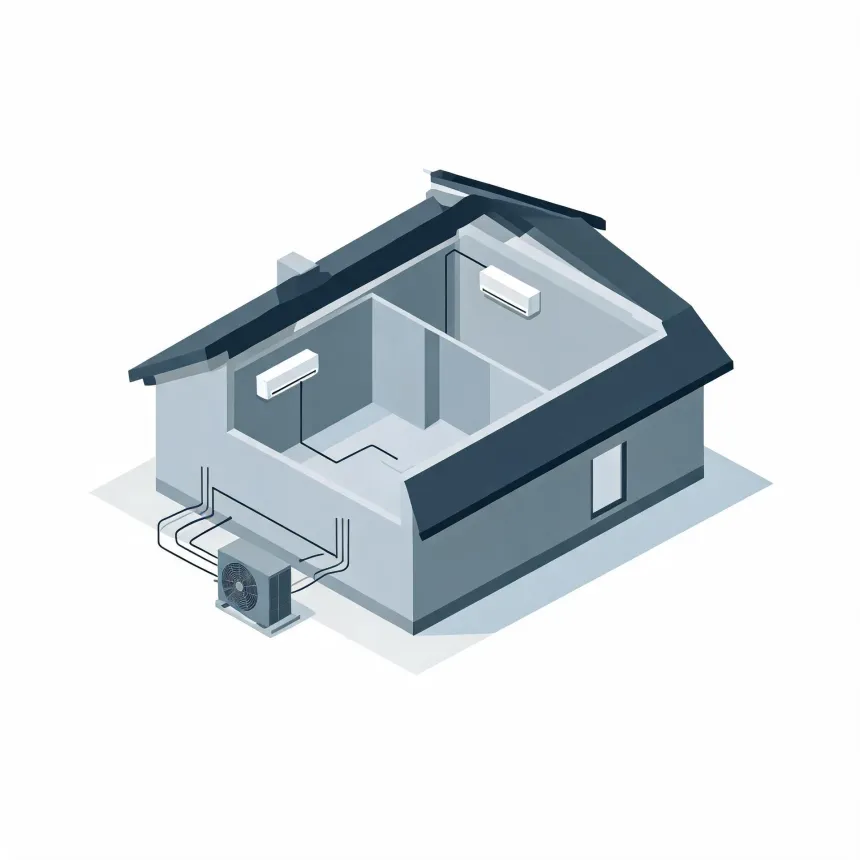
Install day starts with the outdoor spot and the wall penetration, usually one small hole for the line set, the power wire and the drain. The lines run from the condenser to the indoor head through that hole, get connected, and then pulled down to a vacuum. That vacuum hold is the step that matters most and takes the most patience, since any moisture or air left in the lines will cut into how well the system runs later. Once the lines hold vacuum, the refrigerant gets released from the condenser into the system and the charge gets checked against what the manufacturer specifies for that line length. The indoor head goes up on a mounting plate, gets leveled, and gets wired to the disconnect outside. Before anyone leaves, the system runs in both heating and cooling to check the temperature split at the head and confirm the condensate is actually draining where it should.