
Why your AC is running but not cooling in Iowa

Send the request today and let an air conditioner pro reach out to you.

RepairCentral ACIowa
Step 1 of 2

What ZIP code is the job in?

Why is my AC running but not cooling my house in Iowa?

It is August and the air conditioner has been running for an hour, maybe longer, and the house still feels warm. The thermostat says it is working. You can hear it working. But the air coming out of the vents does not feel cold, or the house just will not come down to the temperature you set. On a muggy Iowa evening, that is not something to leave alone.

Your AC is running out of either refrigerant or airflow

When an AC runs nonstop but the house stays warm, the problem is almost always one of two things. Either the system has a refrigerant leak and cannot move enough heat out of the house, or something is blocking airflow, a dirty filter, a frozen coil, a failing blower, so the cold air never reaches the rooms. A frozen coil often causes both at once: low airflow lets ice build up on the coil, and that ice then blocks what little airflow was left. On a muggy Iowa day, a system already working at its limit gives out faster, and a house that cannot cool down stays uncomfortable, not just warm.

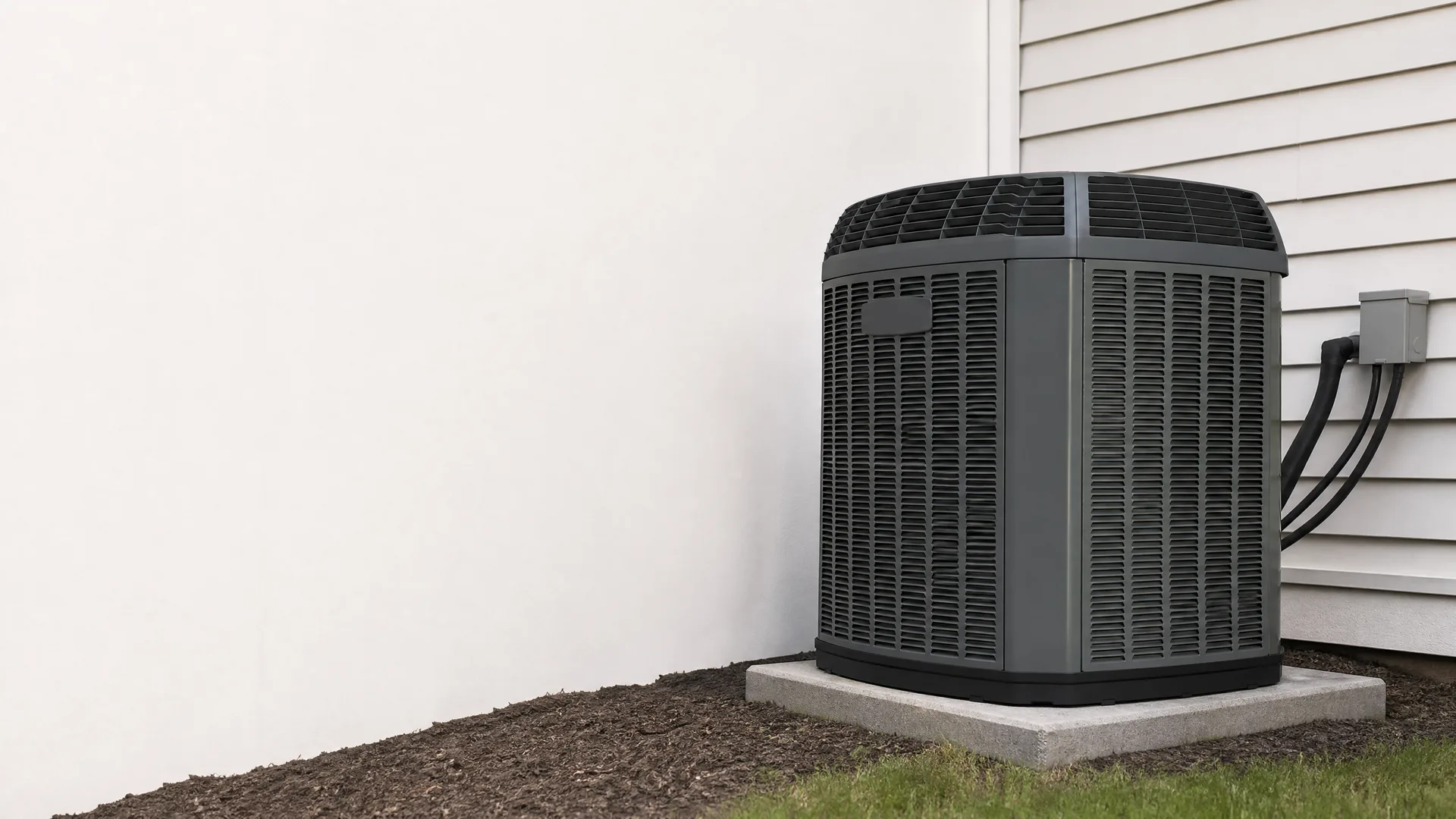
A gray outdoor air conditioning condenser unit on a concrete pad beside a house with horizontal gray siding, with a wall-mounted electrical disconnect box and insulated refrigerant lines, and blue hydrangeas in a mulched bed to the left.

Running right

This is what a healthy system looks like outside. The unit sits clean on its pad, the lines run tight into the wall, and the fins are clear enough that air moves through them. Inside, that means cold air at the vents and a house that actually cools down.


A gray outdoor air conditioner condenser unit on a concrete pad beside a house with beige horizontal siding, with an electrical disconnect box and insulated refrigerant lines on the wall and dry leaves on the ground.

Running but not cooling

This unit still turns on and the fan still spins, but rust has eaten into the shroud and the fins are packed with dirt. Airflow through a coil like that drops, and the system can run for hours without pulling the heat out of your house.

A smiling bearded man in a navy long-sleeve shirt sits on a gray sofa in a living room, with a bowl of popcorn in the foreground and shelves and a window behind him.
A smiling bearded man in a dark sweatshirt sits on a sofa in a living room with a bowl of popcorn and a mug in the foreground, a potted plant and large window behind him.
A bearded man in a dark green shirt over a white tee sits smiling on a gray sofa in a living room, with a patterned cushion and a bowl of popcorn nearby and a kitchen with pendant lights blurred in the background.
A smiling man in a dark long-sleeved henley shirt reclines on an olive-green sofa in a living room, with a wooden bowl of popcorn in the foreground and shelving and a large potted plant behind him.

What a low charge does

An air conditioner moves heat out of your house, it doesn't make cold air out of nothing. That takes refrigerant at the right pressure moving through the coil. If the charge is low, usually from a leak somewhere in the line, the coil can't pull enough heat out of the air passing over it. The blower keeps running and keeps pushing air through the house, so you feel airflow at the vent, but that air never got cooled the way it should have. A low charge also lets the coil get too cold and ice over, which cuts cooling further even though the system is drawing power the whole time.

Why the outside unit matters

The coil outside has to dump that heat into the air around it, and it can only do that if air can move through the fins. Grass clippings, cottonwood seed, a fence built too close, all of it blocks that airflow. When the outside coil can't shed heat, the whole system backs up, and the air at your vents loses its cooling power even with the compressor running flat out. A dirty filter does something similar from the inside, starving the system of the airflow it needs to work the coil properly. Either way, the fix is mechanical, not something that clears up by running the unit longer.

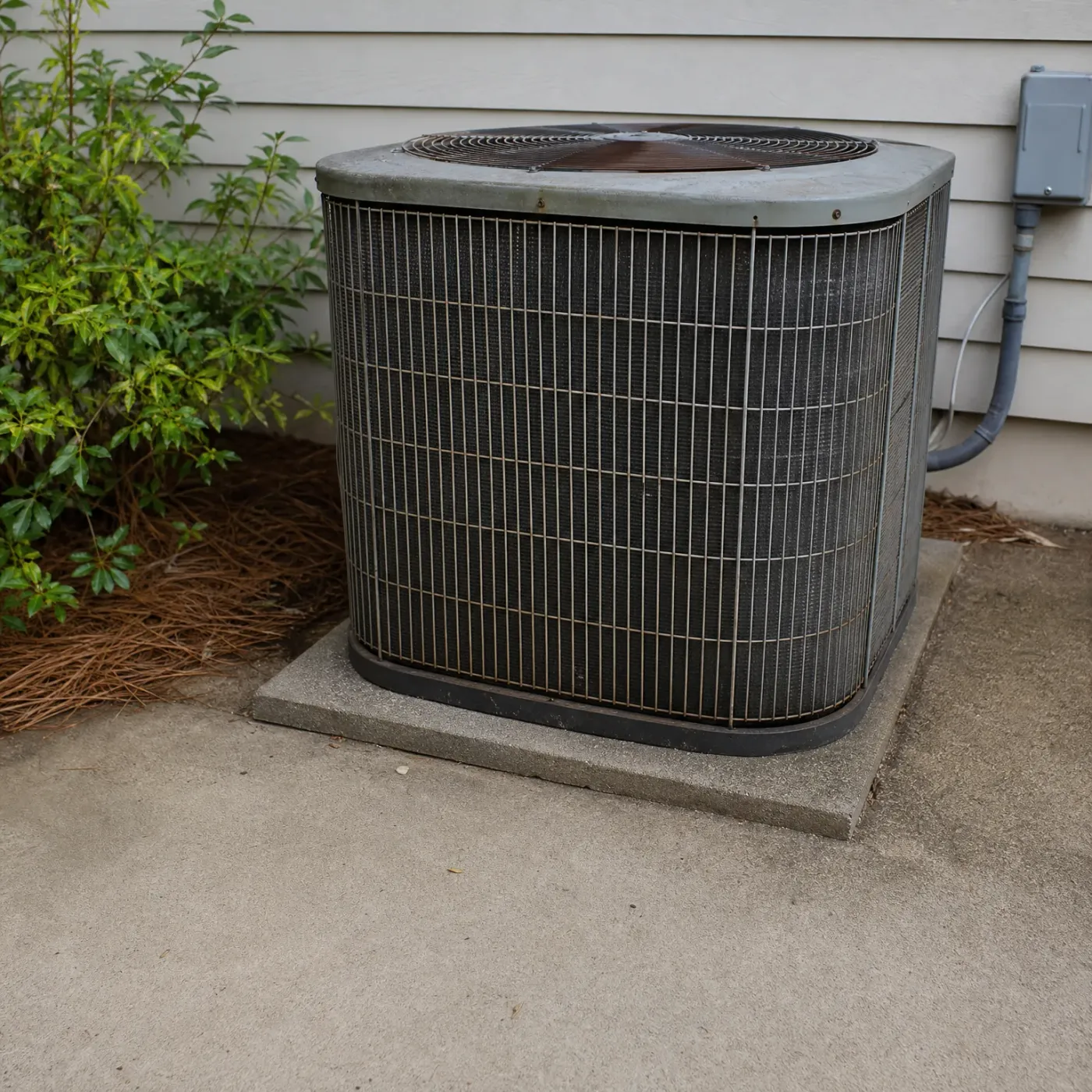
An outdoor air conditioner condenser unit on a concrete pad beside a house with horizontal lap siding, with a gray electrical disconnect box and conduit on the wall and a green shrub over pine-needle mulch at left.
Before you get your air conditioner repair
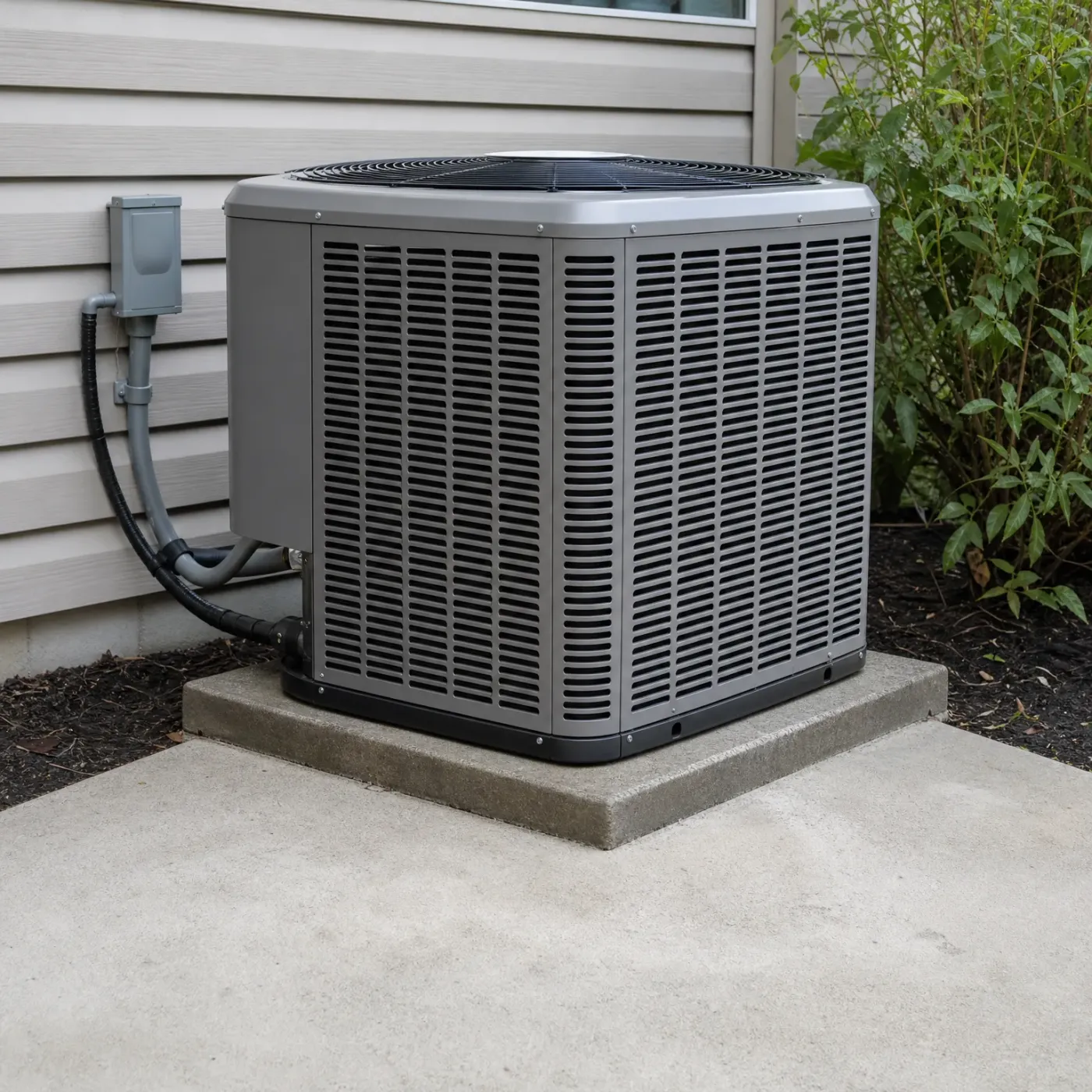
A gray outdoor air conditioner condenser unit on a concrete pad beside a house with light vinyl siding, with an electrical disconnect box and conduit on the wall and a leafy shrub with dark mulch to the right.
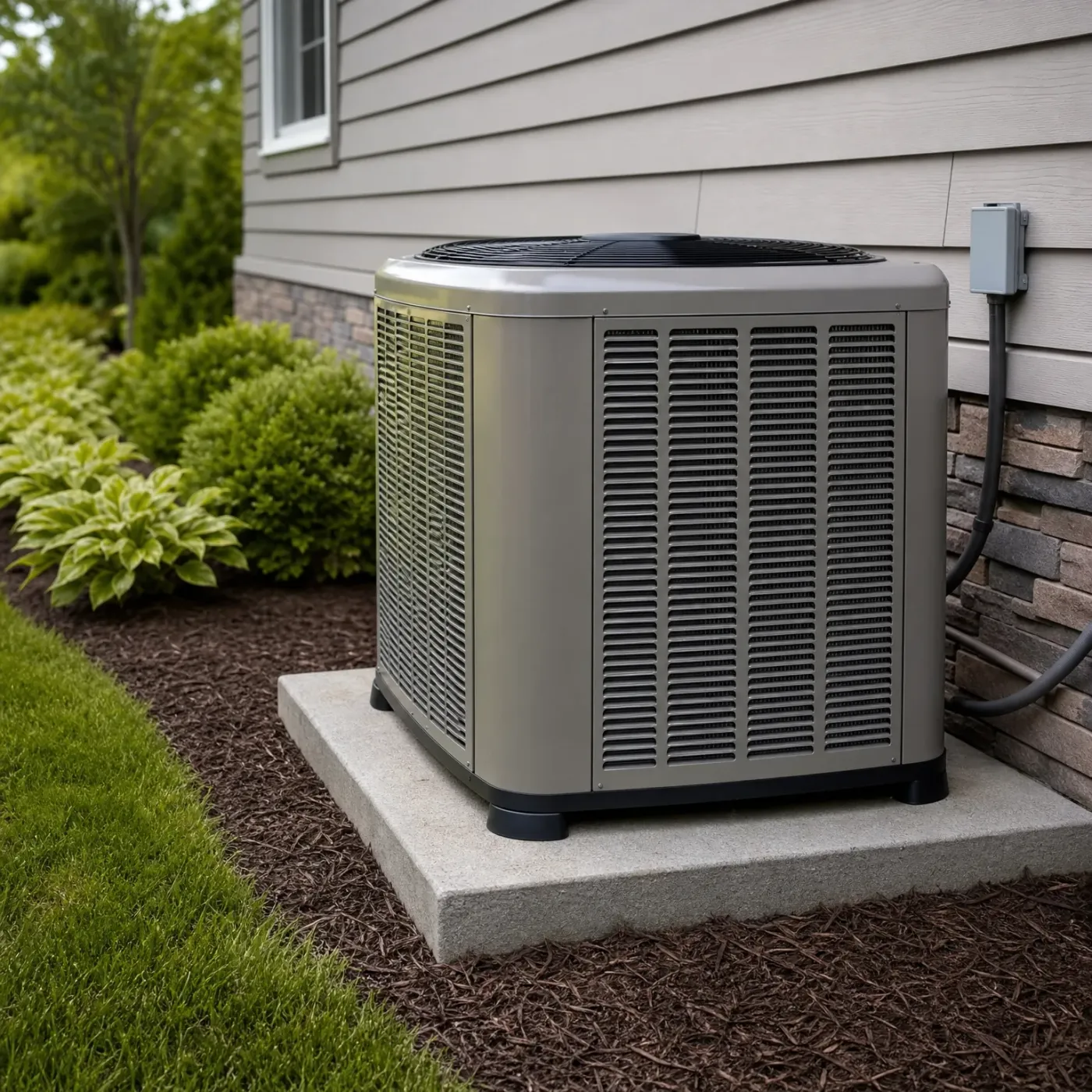
After you get your air conditioner repair
An outdoor air conditioning condenser unit on a concrete pad beside a house with horizontal siding and stone veneer, with a gray electrical disconnect box and conduit on the wall and shrubs and mulch nearby.

Stop chasing an air conditioner pro

Answer a few questions instead of calling shop after shop.

Get the air conditioner repair search off your mind today.

Start one form

Sending the form costs nothing.

What are you noticing right now in your house

You probably noticed it at the thermostat first. You set it to 72 and it never gets there, or it gets close and climbs right back up. The vents blow air but it is not cold, maybe just barely cooler than the room. Upstairs is worse than downstairs. The air feels damp even with the AC running, so the house feels sticky the way it does outside. Some rooms are fine and others are not. If this has gone on for days, check the walls and ceiling near the vents for moisture. A system that runs constantly without cooling is working against a problem it cannot fix on its own, and it will keep running that way until something is done about it.

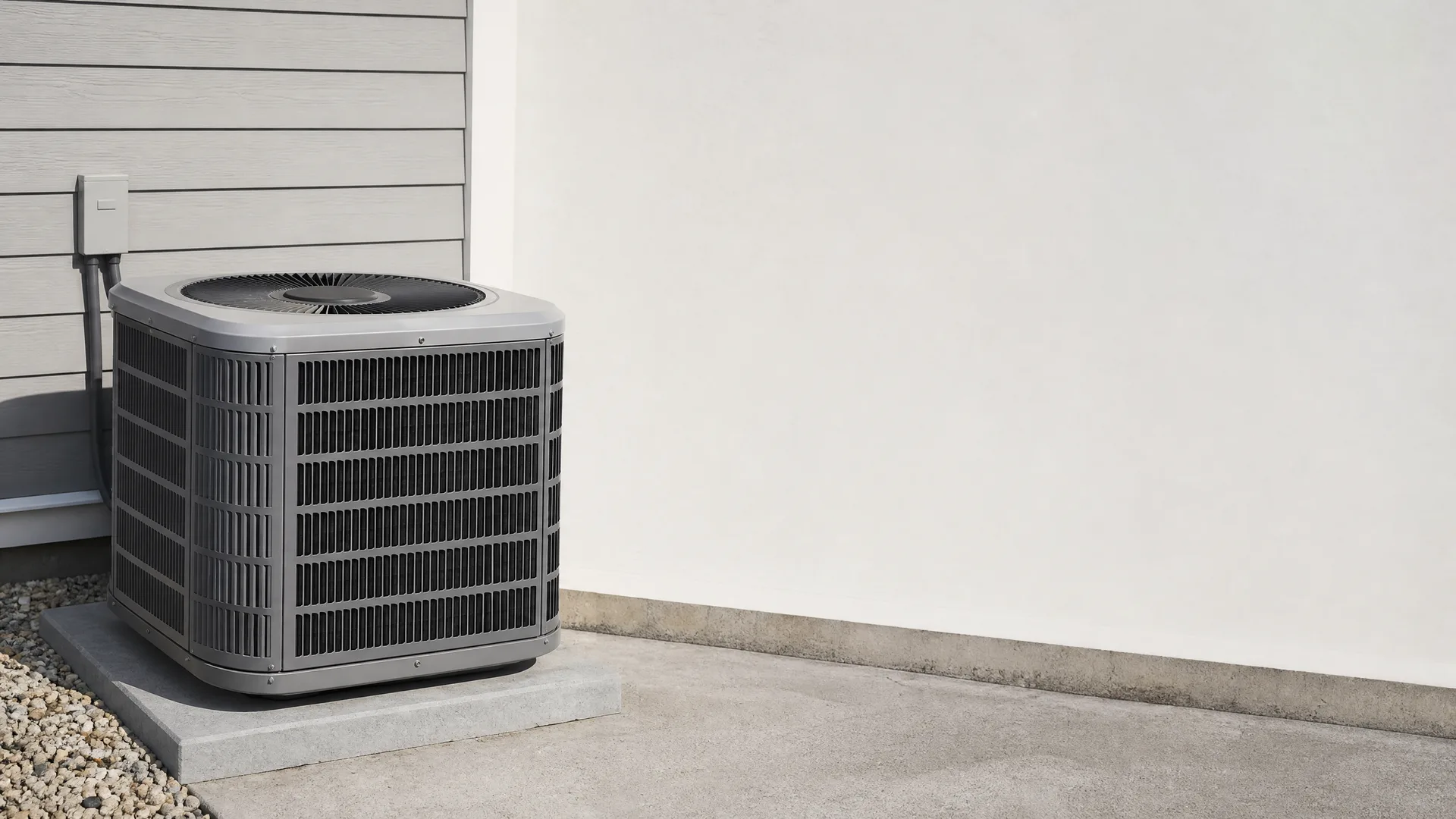
An outdoor air conditioner condenser unit on a concrete pad beside a light-colored stucco wall, with horizontal siding and a small electrical box to the left and gravel at lower left.

A frozen coil versus a clean one

Sometimes the outdoor unit runs fine but the indoor coil has iced over. That happens when airflow is restricted, often a dirty filter, or when the charge is low. Once ice builds up, the coil can't absorb heat at all, and the air at the vents turns warm or stops moving. A clean coil stays wet, not frozen, and keeps pulling heat out of the air that passes over it. Shut the system off and let it thaw before anyone can tell which cause it is.

A dark gray outdoor air conditioning condenser unit on a concrete pad beside a house with light siding and a stucco wall, with mulch and grass in the foreground.

Short cycling versus a full run

A system that shuts off after a few minutes and restarts soon after is short cycling, and it never runs long enough to pull the heat down. A healthy system runs in long stretches on a hot Iowa afternoon and actually lowers the temperature while it does. Short cycling points to a thermostat problem, a refrigerant issue, or an electrical part failing under load. Either way, the house keeps losing ground against the heat outside.

A closed silver laptop and a light ceramic mug of dark coffee sit on a wooden table, with a window showing a sunset at left and a kitchen counter with a cutting board and potted plant in the background.

What's happening inside the unit when this starts

The outdoor fan pulls air through the condenser coil to dump the heat that got carried outside. If a season of cottonwood seed and mower clippings has packed into those fins, that air can't get through. The coil holds onto heat instead of releasing it, pressures climb, and the compressor starts working against itself. Eventually a high pressure switch may shut the whole thing down to protect the compressor, and you're left with a unit that hums but never gets cold.

A contractor can tell in a few minutes whether that's what you're looking at, or whether it's the charge, the indoor coil, or something electrical. You don't need to know which one it is before you ask for help. You also don't need to spend an evening searching Iowa contractor listings, calling around to see who answers, and repeating the same description of your thermostat and your vents to three different people before you get someone out. Send the details once and that part is off your plate.

Interior corner of a room with a window and sheer curtain at left, a gray upholstered sofa with a cushion at right, and a round wooden table holding stacked books and a round vase with an olive branch.
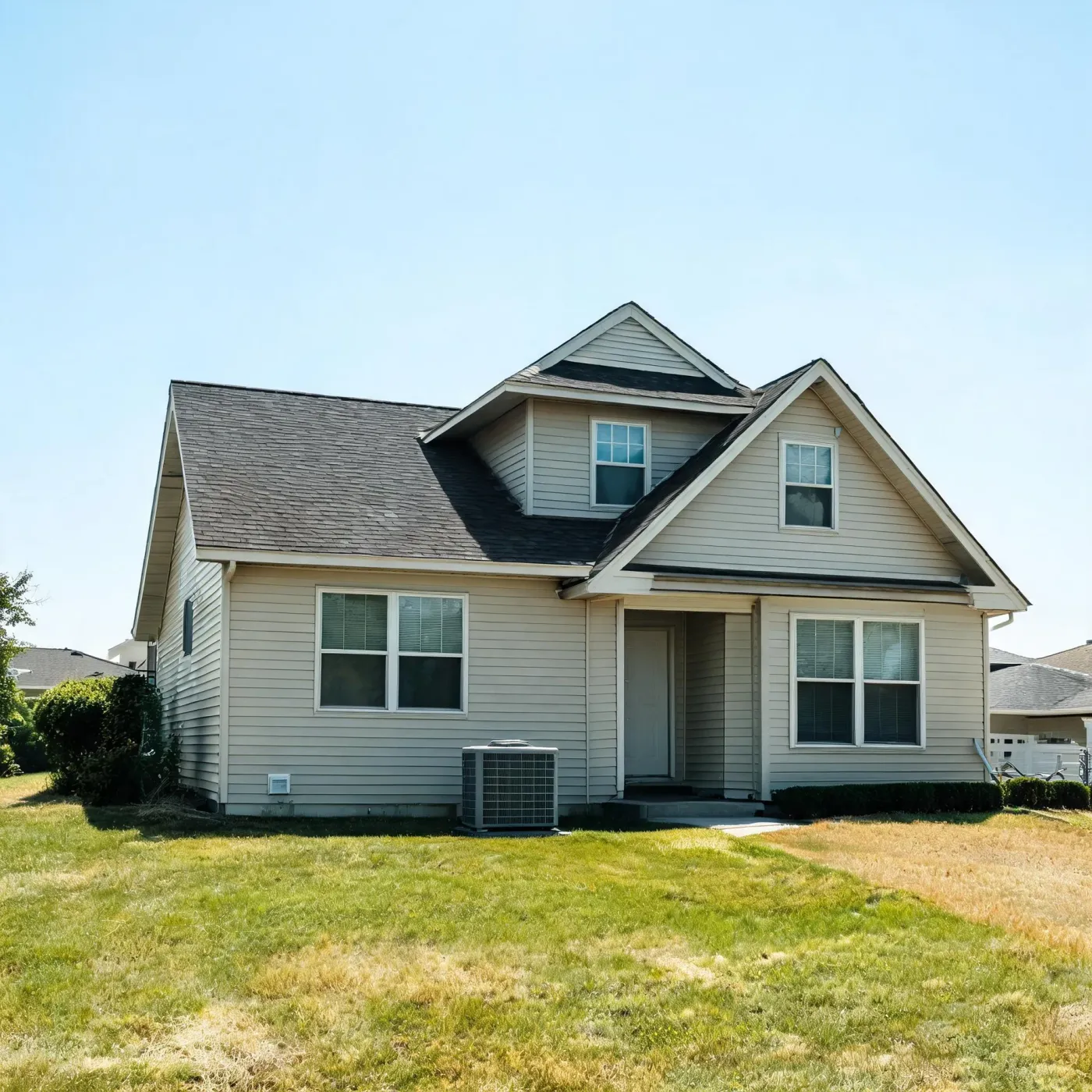
A two-story house with beige horizontal vinyl siding, gray shingled gables and dormer, white-framed windows, a central entry door, and an outdoor air conditioning unit, set on a partly dry lawn under a clear blue sky.

A dew point of 62°F is the average across June, July and August here, according to NOAA climate data. That is the number that makes the air feel heavy even when the temperature itself seems tolerable. Your air conditioner has to pull that moisture out of the air before the house feels dry and comfortable, not just cool. When the system is low on charge or the airflow is choked, that part of the job is the first thing to slip. You will feel it as a house that reads 72 on the thermostat but still feels damp, floors that feel clammy, air that sits heavy in the rooms. The temperature number can look fine while the air still feels wrong.

NASA POWER T2MDEW county cells weighted by homes

A woman with dark hair in a bun reclines on a gray sofa with her eyes closed and a slight smile, wrapped in a cream knit sweater and blanket, with an open book resting in the foreground and a lit lamp in the dim room behind.
A smiling bearded man in a dark crewneck sweater sits at a dinner table with a lit candle, glasses of wine and water, and plates of food in the foreground, with a lamp, framed art and a potted plant behind him.
  1. Heat moves from the air in your house into the refrigerant

  2. Refrigerant carries that heat out to the condenser coil outside

  3. The outdoor fan blows across the coil to release the heat

  4. Cooled refrigerant returns inside to pull more heat from the air

An air conditioner that runs without cooling almost always comes down to one of three things: not enough refrigerant, not enough airflow, or a part that has worn out and can't keep the cycle going. None of those fix themselves, and running the system while one of them is true just asks more of a unit that is already struggling, on a day when your house needs it most. You don't have to figure out which one it is. That's what a contractor is for, and finding one is the part you can skip. Instead of searching, calling a few places, explaining the same thing about your thermostat and your vents over again, and sitting with quotes trying to guess who's worth trusting, you send one form and that work is no longer yours to do. Someone who works on these systems in Iowa homes takes it from there. Your house gets cool again, and you get the evening back.

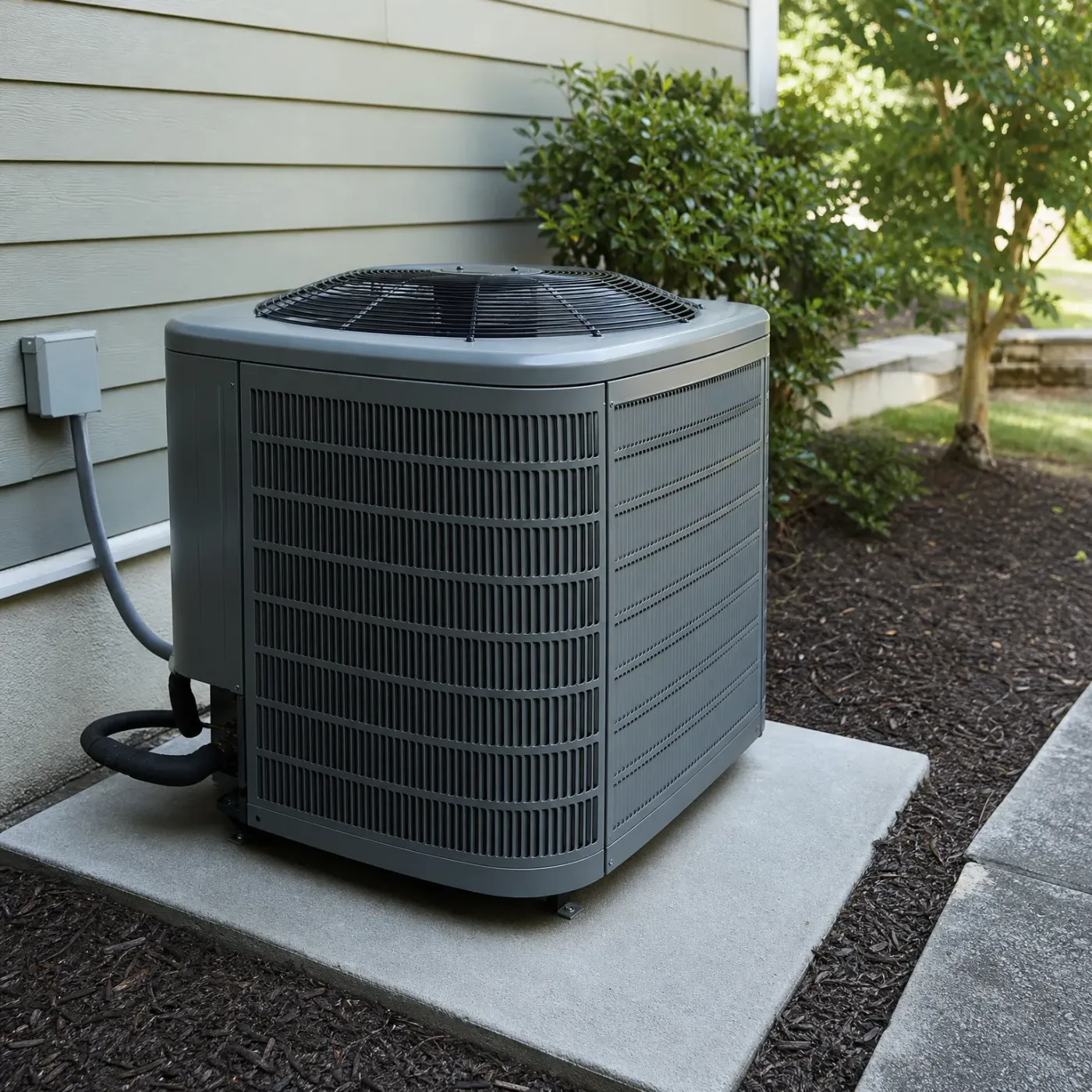
A gray outdoor air conditioner condenser unit on a concrete pad beside a house with horizontal lap siding, with refrigerant lines, an electrical disconnect box on the wall, shrubs and mulch nearby.

Hand off the air conditioner problem

Skip calling around

Fill out one short form instead of calling around.

You're not committing to anything by asking.