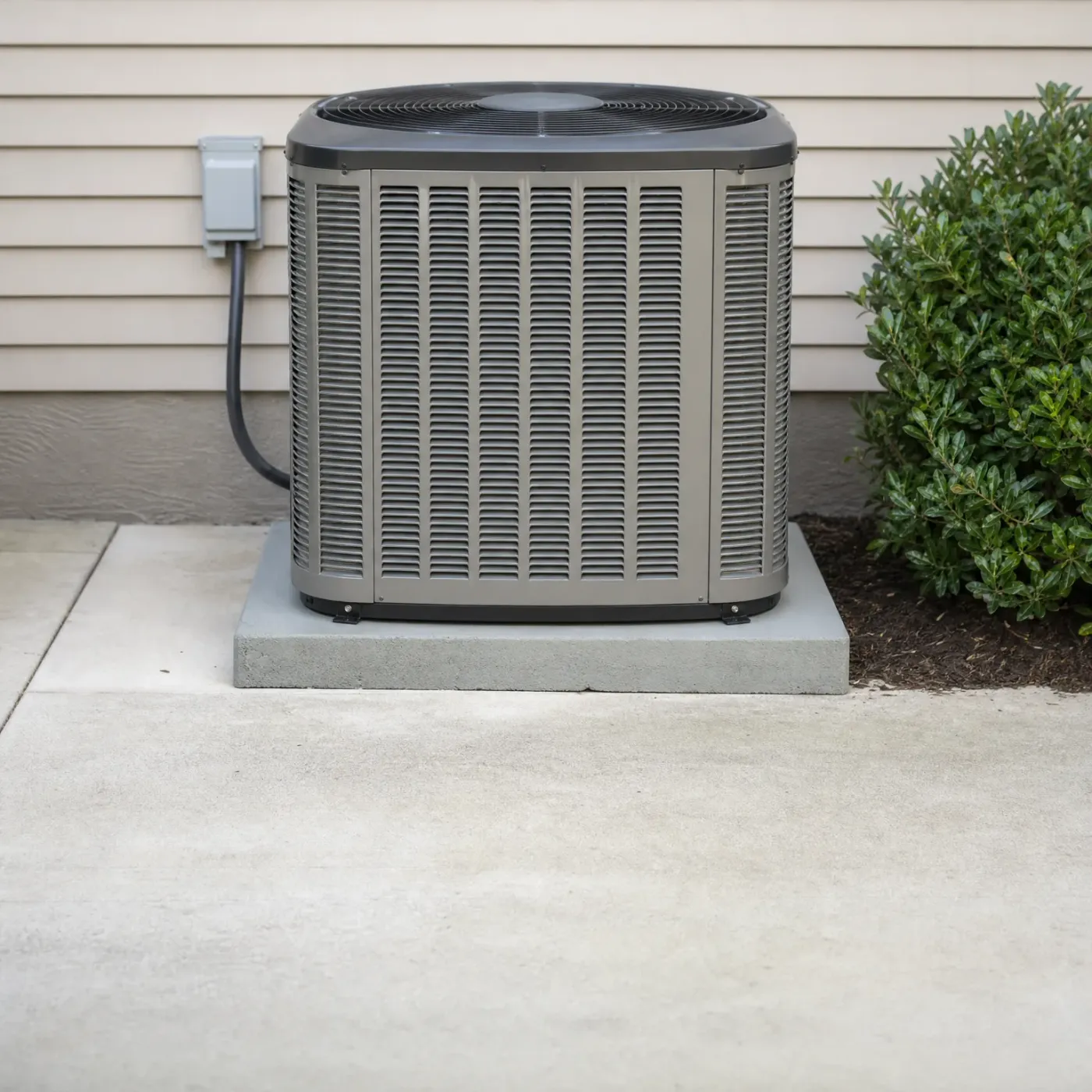
Running clean
A condenser like this pulls air through the coil without a fight. The fan clears heat off the coil fast, so the system runs a full cycle and has time to pull the moisture out of the air along with the heat.
An air conditioner pro near you
An AC that runs all summer and still leaves the air feeling wet usually isn't cooling the way it should. This page gets into what causes that, from a system that's oversized to one that's low on refrigerant. A local contractor who works on these systems every summer can look at yours and tell you which it is.
Get a local proA humid house with the AC running usually means the system is cooling the air faster than it can pull the moisture out of it. An air conditioner takes out humidity by running long enough for air to pass over a cold coil again and again. If the unit is sized too big for your house, it chills the room and shuts off before that can happen, so you get cool air that still feels damp. The same thing happens if the system is low on refrigerant or the airflow across the coil is off. Iowa summers push humidity indoors through every door you open, and a system that short-cycles never gets ahead of it. You end up running the AC more, paying for it, and still reaching for a dehumidifier. If this sounds like your house, something in the system isn't working the way it should, not the weather.




Cooling your house and drying it out are two different jobs, and your AC only does the second one if it runs long enough. Warm air passes over the evaporator coil and the moisture in it condenses on the coil, the same way a glass of ice water sweats on a muggy Iowa day. That water needs time to collect and drip into the drain pan before it can leave through the condensate line. A system that's sized right for your house runs in long, steady stretches, so the coil stays wet and the air gets wrung out as it passes through. A system that's oversized cools the air fast, hits the thermostat's setpoint, and shuts off before the coil has pulled much moisture out at all. The same thing happens if the refrigerant charge is low, since the coil never gets cold enough to condense water even though the air blowing out still feels cool. A dirty filter or a buildup on the blower wheel can also slow airflow enough to throw this off. The thermostat only reads temperature, so it has no way to tell the system to keep running until the air is actually dry.
You don't need a gauge to tell your AC isn't pulling its weight. Your own house shows it. Watch how long a cooling cycle runs. If it shuts off soon after it kicks on, it's cooling the air but not running long enough to carry the water off the coil and down the drain line. That's the core of the problem, and everything else you notice follows from it.
Walk through the house during a muggy stretch. A room can feel clammy even where the vents are blowing fine, because the thermostat only tracks temperature, not how wet the air is. Check the wood floors and the doors that stick in July and August. Wood swells with moisture in the air, not with heat, so swelling and sticking point to water staying in the house instead of leaving through the condensate line. A musty smell near a vent or down in the basement is the same story: air that got cold without getting dry.
Some households respond by setting the thermostat a few degrees lower, chasing comfort that colder air alone can't deliver if the moisture is still there. If windows fog up or a glass of ice water sweats faster than it used to, the air inside is holding more water than the system is removing. None of these point to one single part, but together they tell you the system is short-cycling, not drying the air the way it's supposed to.


A short cycle problem doesn't go away on its own, and by August you're running the system longer to get the same relief, which costs you without fixing the humidity. Finding out whether it's a sizing issue, a low charge, or a thermostat reading the room wrong usually means someone looking at the actual coil and the actual cycle times in your house. A contractor who works on AC systems through a full Iowa summer has seen this particular complaint many times, in houses with units of every age and size, and knows which of these causes shows up most. Getting matched with one means a local tech familiar with this equipment looks at your system specifically, instead of you guessing between a recharge, a duct fix, or a new thermostat. That's worth doing before the muggy months are over, while the problem is still happening and easy to diagnose.

Summer air in Iowa averages a dew point of 62°F across June, July and August, according to NOAA climate records. That's the kind of air that feels sticky even standing still, and it's what your AC has to wring out before the house feels dry. Air at that dew point holds a lot of moisture for the coil to catch, cycle after cycle. If the system short cycles or the charge is low, it's not keeping up with air this heavy, and you'll feel it on your skin before the thermostat ever shows a problem.
NASA POWER T2MDEW county cells weighted by homes
A condenser like this pulls air through the coil without a fight. The fan clears heat off the coil fast, so the system runs a full cycle and has time to pull the moisture out of the air along with the heat.
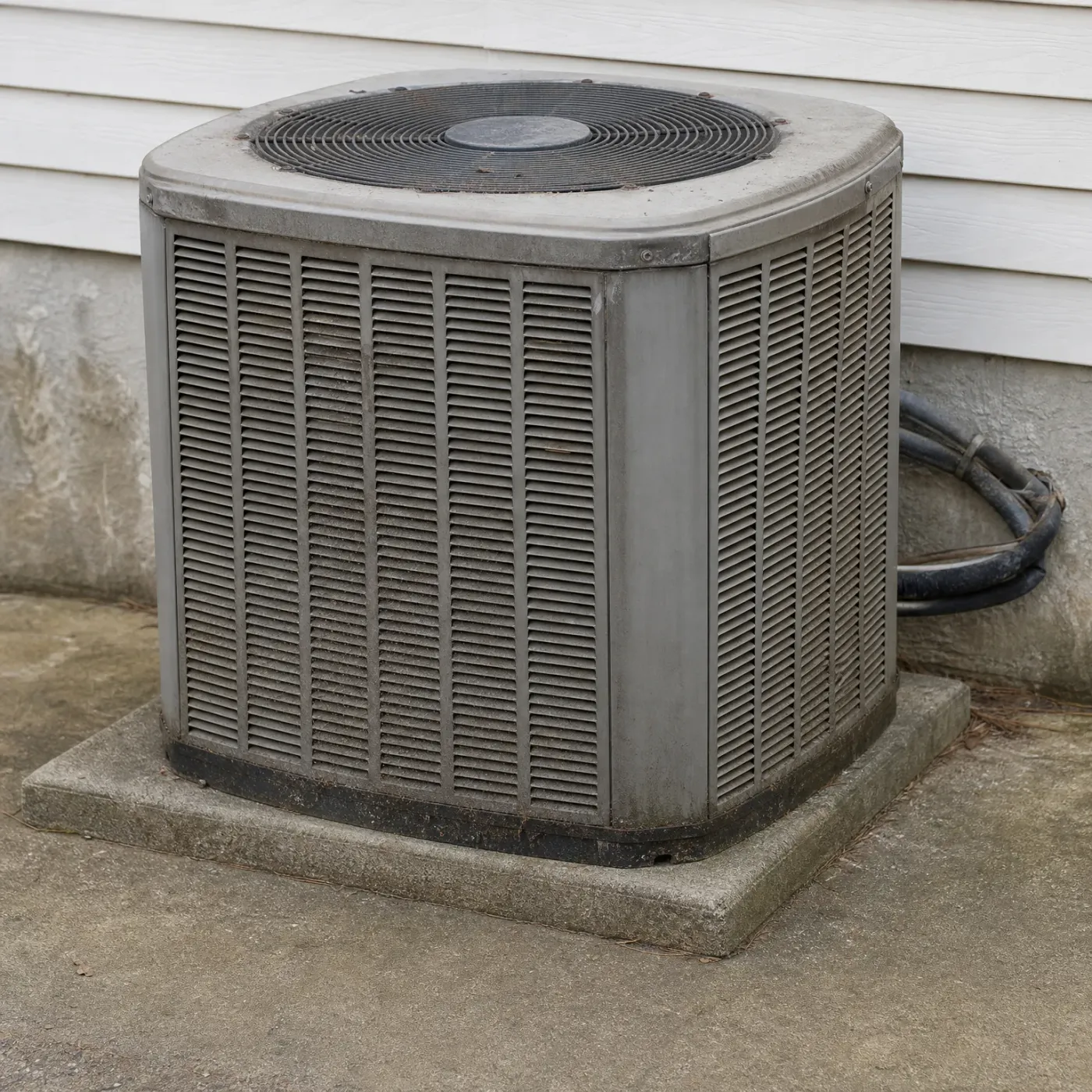
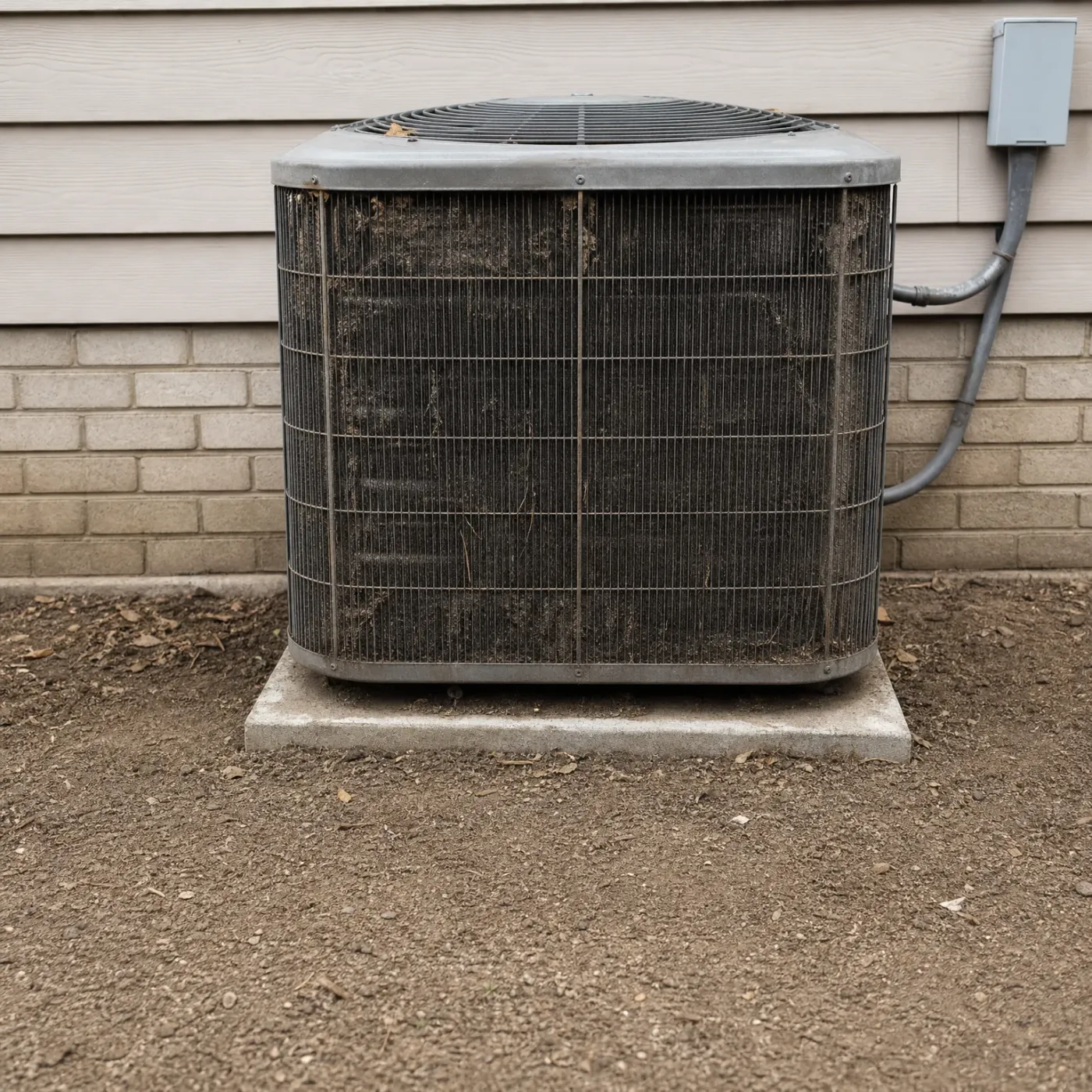
Dirt packed into the louvers and fan grille blocks the airflow this unit needs to shed heat. It runs longer and still falls behind, and the coil inside stays wetter than it should, which leaves the house feeling damp even while the AC runs.


An air conditioner that's too big for the house will hit the thermostat's set point in a handful of minutes. That feels like it's working great, but a cooling cycle that short never gives the coil enough time to pull moisture out of the air. The compressor shuts off, the coil warms back up, and whatever water was sitting on its surface stops draining and starts evaporating right back into the house. A correctly sized unit runs longer, moves more air across that coil over the course of a cycle, and takes the moisture with it. Size is usually set at installation, so if the house still feels damp no matter how low you set the thermostat, that's worth having a contractor check.
Refrigerant is what makes the coil cold enough to pull moisture out of the air in the first place. When a system is low on it, usually from a slow leak somewhere in the lines, the coil doesn't get as cold as it should, even though the system still blows air and still brings the temperature down some. Warm air moving over a coil that isn't cold enough cools off a little but doesn't condense much water out of it, so the air feels cooler but stays wet. A contractor can check the charge against what the system was built to run and find the leak if there is one, rather than just topping it off.
At 13.62 cents a kilowatt-hour, running the AC longer to fix the clamminess yourself isn't cheap in Iowa. A short cycling unit that never pulls the moisture out just makes you reach for the thermostat again, racking up power use without drying the house.
EIA-861 2025 statewide residential average

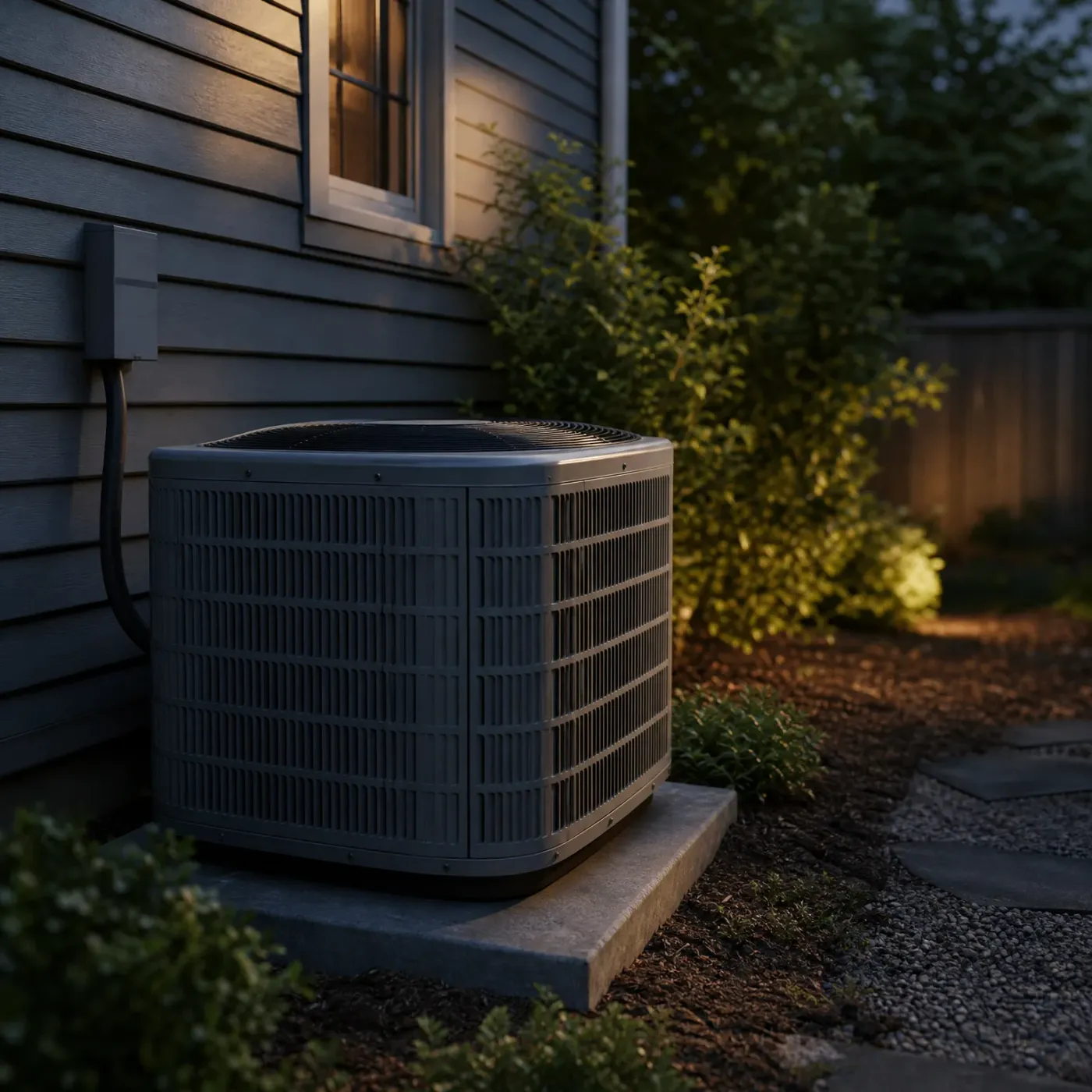
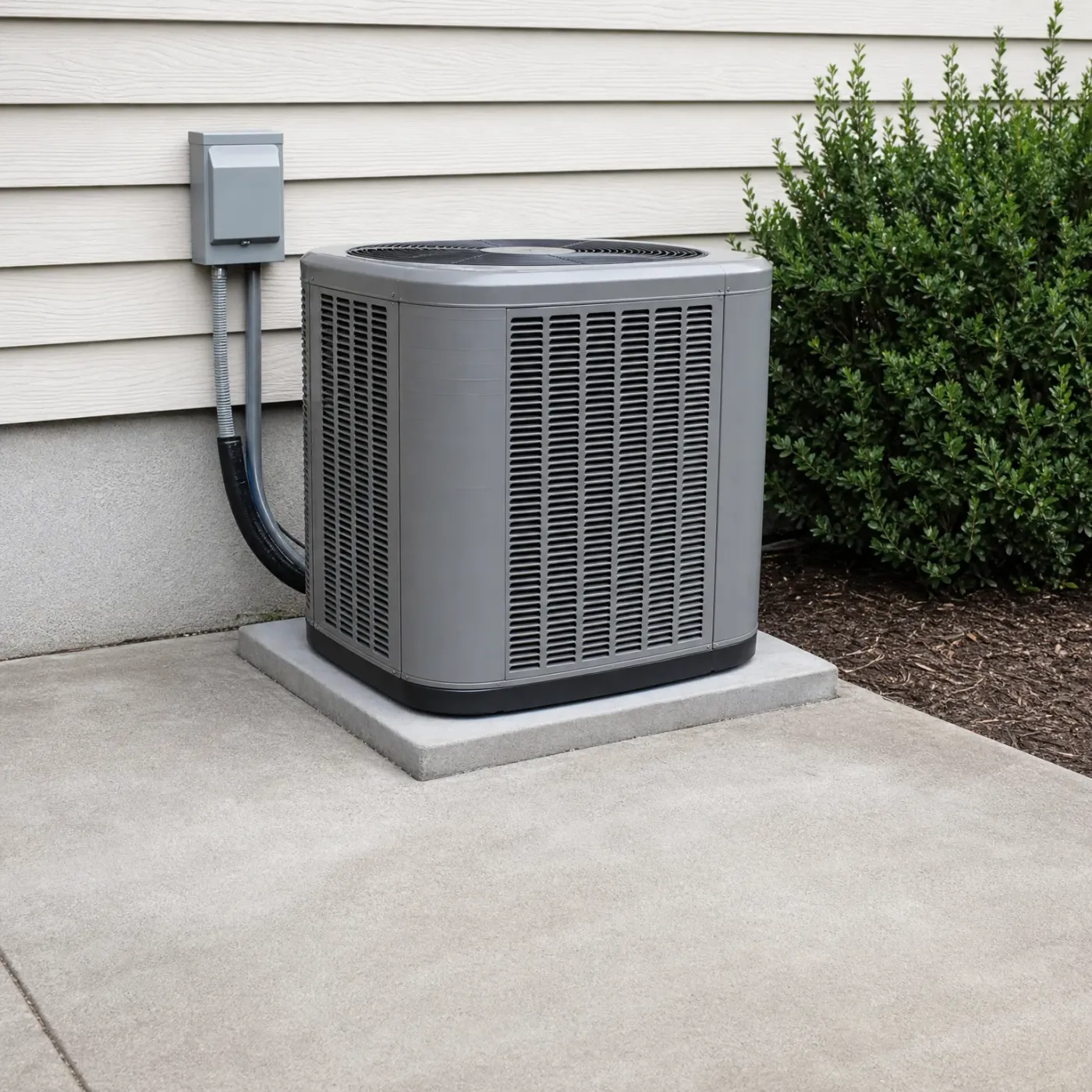
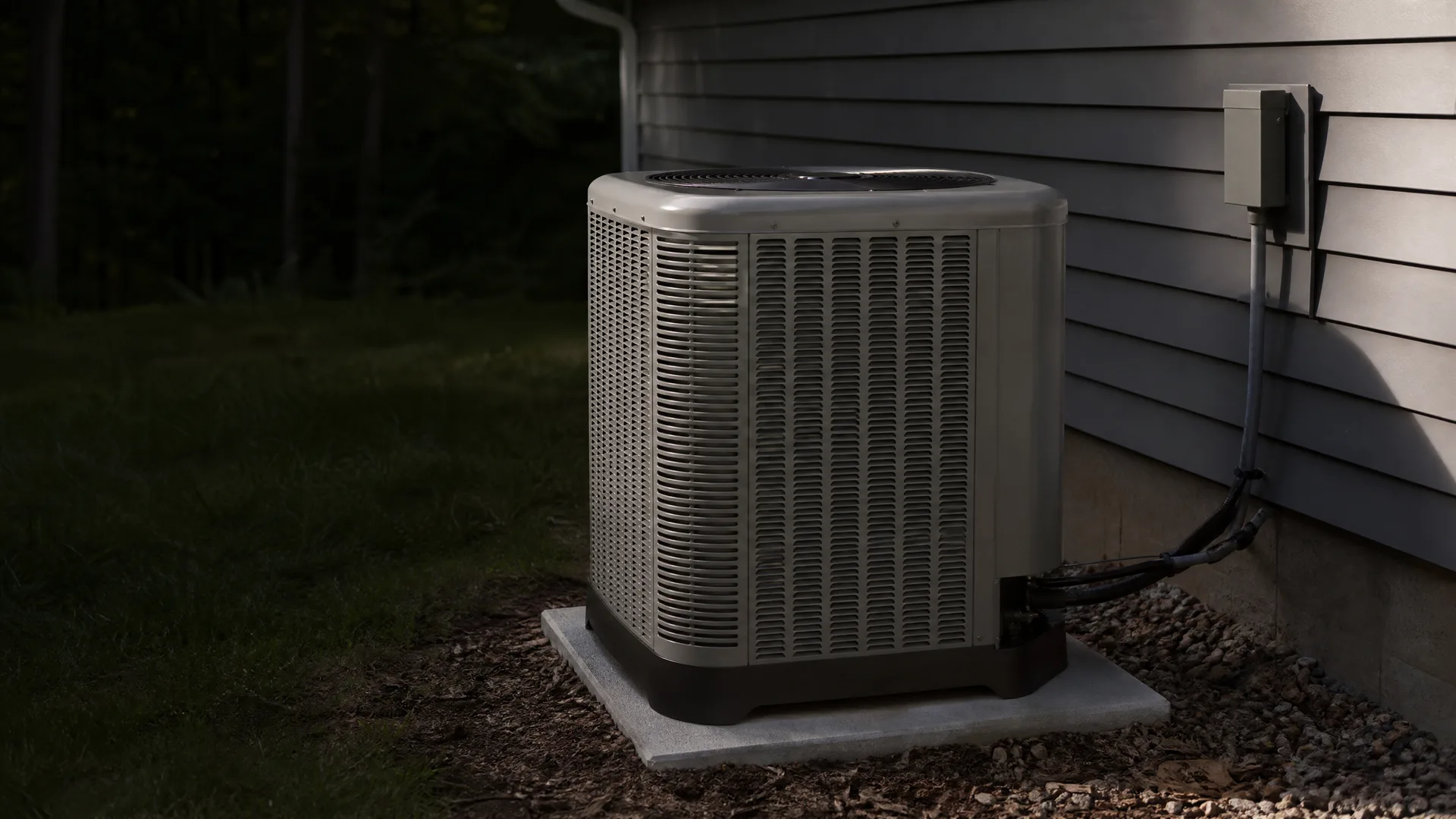
A condenser like this sits on its pad and moves refrigerant up to the disconnect without drama. Inside, that means a full cooling cycle, long enough for the coil to stay cold and keep pulling water out of the air passing over it.

This one looks the same from the yard, wires run to the box, fence and mulch bed off to the side. But if the house still feels damp, something inside it, the charge, the airflow, the sizing, is cutting the cycle short before the coil finishes its job.

Humidity indoors with the AC on almost always traces back to a cycle that's too short to pull the moisture out of the air, whether that's from a unit sized too big for the house, a thermostat reading the room wrong, or a system low on refrigerant. Each of those has a different fix, and a contractor who works on these systems in Iowa all summer can tell which one is happening in your house by how the unit is running, not by guessing.
You don't have to live with the clamminess or figure out which part is the problem yourself. A local, licensed contractor matched to your situation can look at your system, your thermostat, and how long your cycles run, then reach out to you directly about what it'll take to get the air dry again. One contractor, not a handful of companies competing for the job.

Get the right pro for your air conditioner