Running clean
This is what a mini split looks like when there's nothing to chase down. The light holds steady, the vane opens and closes the way it should, and the air coming off it matches what the thermostat says.
 I'm done searching
Send it once and finding someone is no longer on you.
A blinking light on your mini split usually means the unit has caught a problem and is trying to tell you what it is. The pattern of blinks is a code, and that code points to something specific, like a sensor fault, a drainage issue, or a refrigerant problem. It is not random, and it is not something to wait out.
Summers in Iowa get sticky, and a mini split that is cycling faults instead of running right will leave you hot and frustrated at the worst time. In winter, if you're using it alongside your gas furnace, a fault can mean losing one source of heat you're counting on.
Figuring out what a blink pattern means takes someone who works on these systems regularly. Mini splits vary by brand, and the same number of blinks can mean different things depending on who made yours. Someone local who services them all season knows which faults show up most often and what tends to cause them in a system like yours.
Once you send in your information, you're done hunting for who to call. The request goes to one licensed contractor near you, not a handful of companies competing for your attention. That means your phone isn't ringing off the hook with sales calls, and the person who reaches out already knows what kind of system you have and why you're reaching out.
From there, it's off your plate. You don't have to research brands, compare reviews, or figure out who actually works on mini splits in your area. That part is handled. All that's left is hearing back from someone who can look at the actual code on your unit and tell you what it means for your system, and what it takes to get it running right again.
A blinking light on your mini split is the unit counting out a code, and the number of blinks or the pattern of long and short flashes tells you which part tripped the alarm. Most units use this to flag a frozen coil, a clogged drain line, a sensor that's reading wrong, or a refrigerant level that's off. In Iowa, summers get sticky enough that a mini split runs long hours cooling damp air, and that steady runtime is when a dirty filter or a draining problem tends to show up as a blinking light. Winter cold can trigger a different code if the unit is also your heat source, since a heat pump works harder to pull warmth from cold outdoor air. The exact code depends on the brand, since each maker assigns its own blink pattern to its own list of faults. What matters now is that the unit is telling you something specific is wrong, not guessing. Someone who works on these year-round can read the pattern and know where to look first.






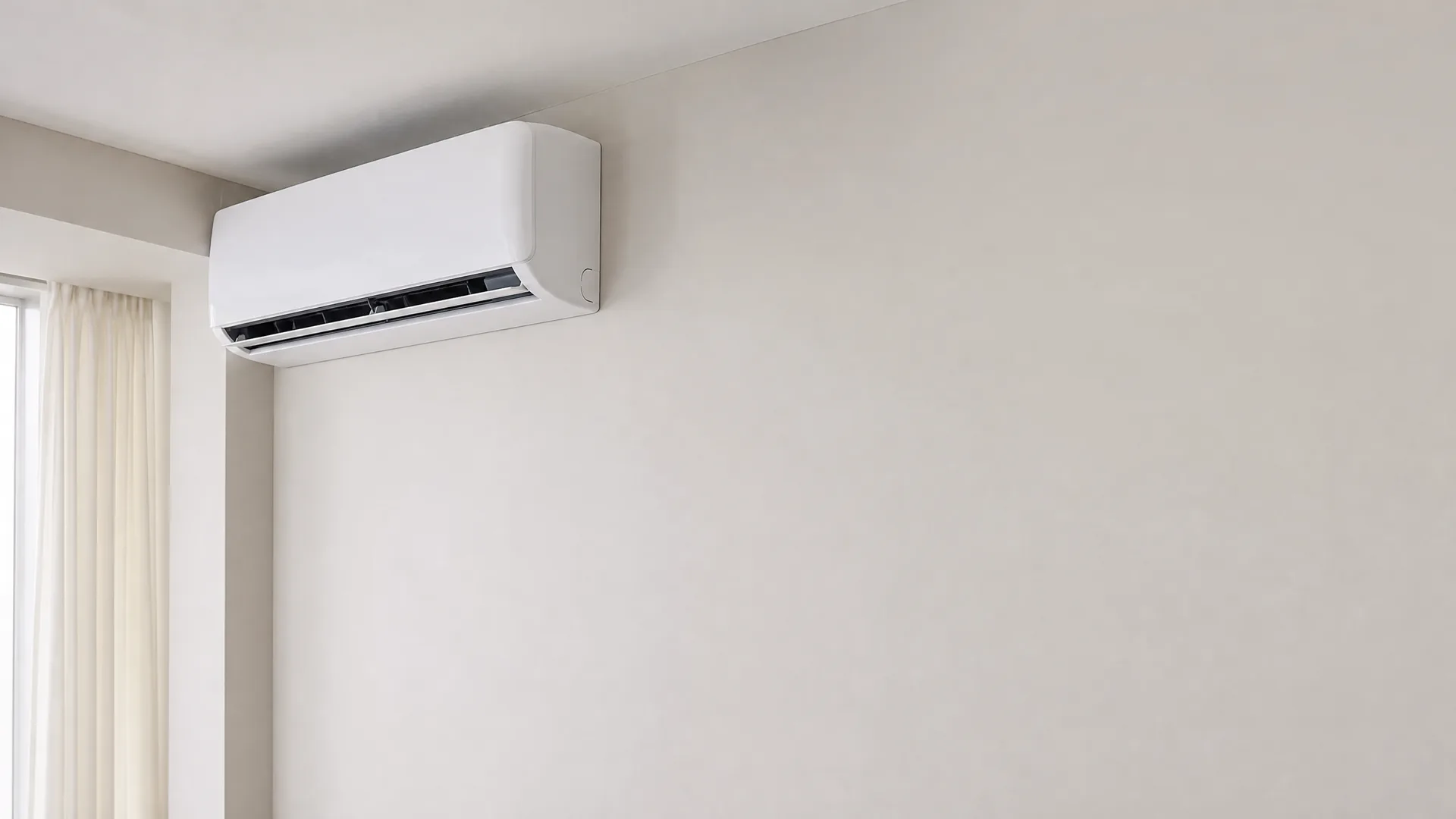
Watch the light through one full cycle before you guess what it means. Most units blink a set number of times, pause, then start the sequence again. If you only catch three blinks and miss the pause, you might read it as six. Count from a gap to the next gap, and write the number down. That number is what a contractor will ask for first.
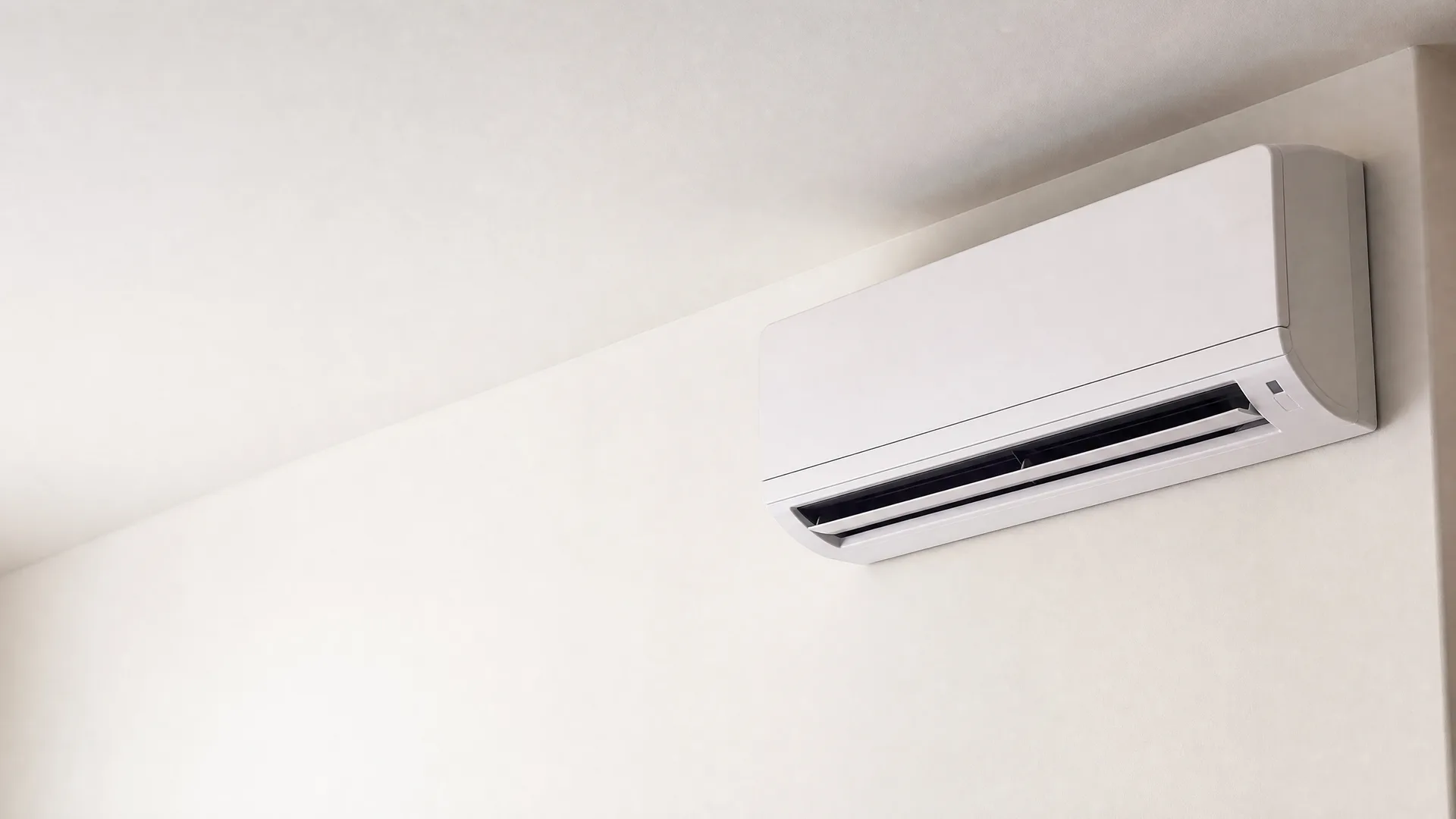
Iowa summers push a lot of moisture through the indoor coil, and all that condensation has to leave through a small drain line. A pattern tied to drainage shows up more in July and August here than in January, simply because the coil is pulling more water out of the air. A line that was fine all winter can clog once cooling starts in earnest.
You stood there and counted four blinks, then it paused, then you counted six the next time around. It feels like the unit can't make up its mind, or like you're miscounting. With summer humidity pushing your mini split hard, you want to know if this means one problem or several stacked on top of each other before you decide whether to shut it off.
Most boards can hold more than one fault in memory at a time, and they cycle through them one after another on the same light. A run of four blinks might be a sensor fault, then after the pause a run of six might be a drainage issue the board picked up separately. Watch it through two or three full cycles and write down each count you see rather than averaging them in your head. In Iowa, a humid stretch can trigger a drain or coil fault on its own, and if the unit had already logged something else before that, you end up with two counts instead of one. A contractor who works on these year-round will know which count maps to which fault on your model.


A blink code tells you something is wrong, not what to do about it. Clearing the fault without fixing what tripped it just means the light comes back, and in July that's the week you don't want your mini split down. A tech who works on these units all over Iowa has seen most of the patterns before they even get to counting the blinks. One contractor gets your request, local and licensed, already set up to work on the brand you've got, instead of your name going out to a handful of companies at once. Summers here get sticky fast, and a unit that's cycling on a fault isn't pulling the moisture or the cooling it should. Send the request and let someone who knows this equipment figure out which part is actually failing, while you stop staring at the panel trying to recount flashes.

Iowa summers run a dew point near 62°F across June, July and August, per NOAA averages. That's heavy, damp air for your mini split to wring out, and the coil works harder to pull that moisture down before it can cool the room. A unit already flagging a fault doesn't have the margin for that extra load. Ice can build on a coil that's low on refrigerant, or a drain line can back up faster when there's more condensate to carry away. If the light started blinking on a muggy afternoon, the humidity may be what pushed a marginal problem into one the board had to flag.
NASA POWER T2MDEW county cells weighted by homes
The room this unit covers is probably running warmer than you'd set it for, or the air coming out feels weak even though the fan is on. Some units stop cooling altogether once the fault locks in, and the blinking keeps going whether anyone's home or not. You might notice water where it shouldn't be, a drip near the indoor unit or a damp patch on the wall below it, which points to a drain line that's backed up. If the coil froze, you could see ice on the indoor unit when you pop the cover. Left alone through a stretch of Iowa humidity, the room stays sticky, and whoever's trying to nap or work in there feels it first.

This is what a mini split looks like when there's nothing to chase down. The light holds steady, the vane opens and closes the way it should, and the air coming off it matches what the thermostat says.

Dust built up like this on the housing usually means the filter behind it hasn't been pulled in a while. Airflow gets choked off, the coil has to work harder, and that strain is a common reason the board starts logging a fault.


At 13.62 cents a kilowatt-hour, running your mini split to fight that July humidity doesn't cost much compared to other states. That's one reason to get a blinking light looked at fast instead of living with weak airflow. A unit flagging a fault isn't cooling the way it should, so you're paying for work it isn't doing.
EIA-861 2025 statewide residential average
A blinking light on your mini split is a message, not a mystery. The board saw something it didn't like, logged it, and it will keep blinking until the cause gets fixed, not just cleared. Counting the pattern narrows it down to a category, a frozen coil, a clogged drain, a sensor gone bad, but it won't tell you how far the repair goes until someone opens the unit up.
That's the part a local tech earns their keep on. Someone who works on these units through a humid Iowa summer has likely seen that same code come off that same brand more than once, and knows where to look first instead of guessing. One contractor means one visit gets scheduled around your day, not a handful of callbacks from companies racing to beat each other to your door.
Until the fault gets found and fixed, the room stays off from where you set it, or the air keeps coming out weaker than it should. Clearing the code on its own buys you a quiet light for a day or two, then the same blink shows up the next time the unit works hard against the heat. The fix that holds is the one that deals with what tripped the alarm in the first place, not the light itself. Once that part's handled, the unit goes back to doing what it's supposed to do, cooling the room without you having to watch it for blinks.
Finding a pro stops being your job