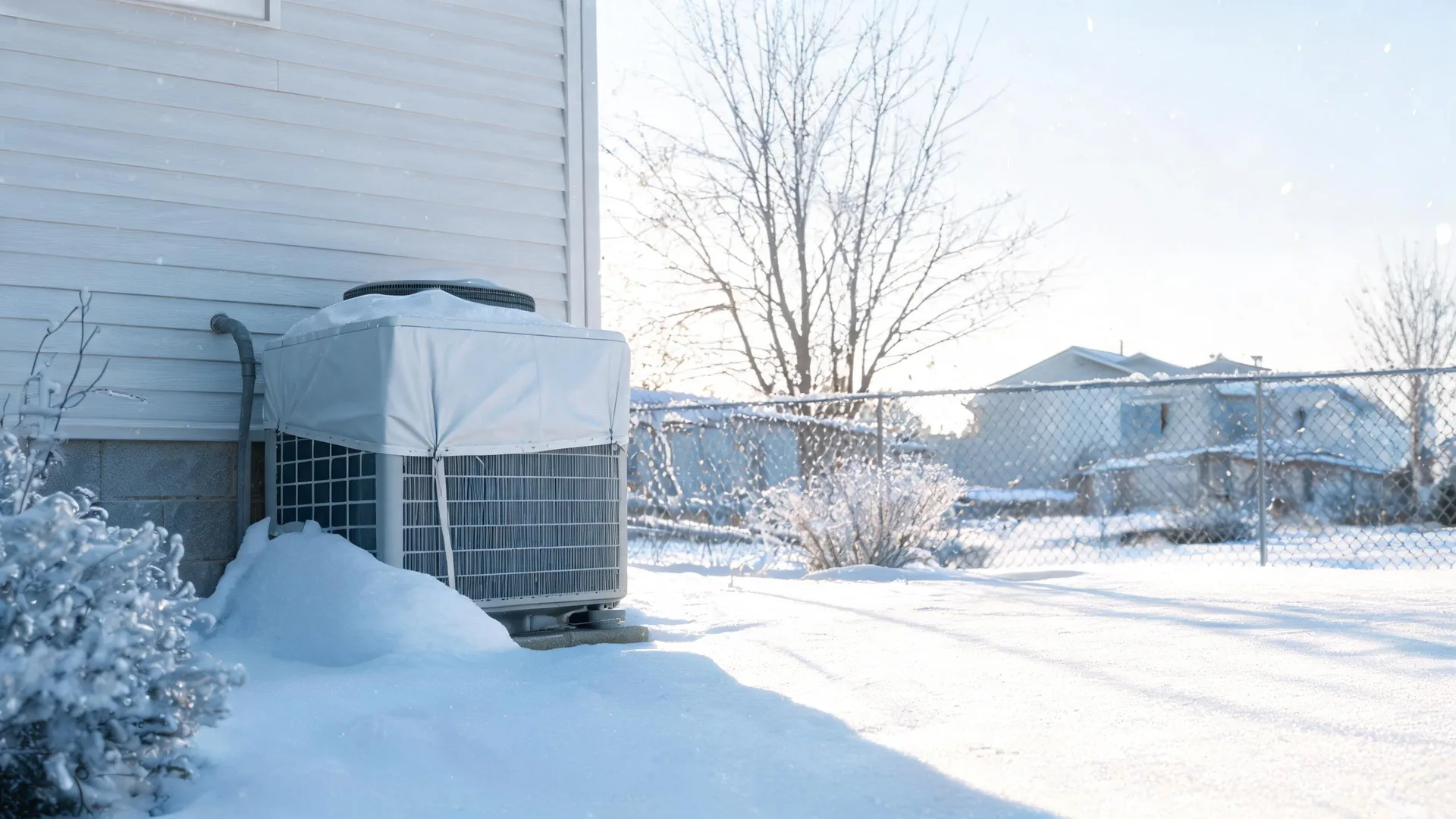
Most furnaces here run on gas
Utility gas heats 67.5% of homes in Des Moines County. An AC system paired with a gas furnace is the setup most contractors here see every day.
Takes about a minute. No obligation.
Utility gas heats 67.5% of homes in Des Moines County. An AC system paired with a gas furnace is the setup most contractors here see every day.
The air conditioner doesn't care what fuel the furnace uses. It still needs the right size for your house and a coil that matches your furnace's airflow, whatever you're heating with.
NOAA nClimDiv, 1991–2020 normals
A quote should list the condenser size in tons, not just a price.
Contractors can land on different tonnage for the same house, so ask how each one got their number.




Any new split-system air conditioner installed here has to meet 13.4 SEER2 at minimum, the federal floor for units under 45,000 Btu/h. That's not a local add-on, it's what manufacturers build to everywhere, so it limits what a contractor can even order for you. Des Moines County sits in zone 5A, a cool, humid climate where the furnace carries more of the year than the AC does. That doesn't lower the bar on the cooling side. The unit still has to hit the same efficiency rating as one going into a house in a hotter zone.
Electricity in Iowa runs 13.40 cents per kilowatthour, cheaper than most of the country. That doesn't mean efficiency stops mattering, but it does mean a higher SEER2 rating pays itself back slower here than it would somewhere with pricier power. Getting the size and the coil match right will do more for you over the life of the system than chasing a rating past what your house needs.
Find a contractor
Cooling starts in June and runs through September here. Install in May and the job happens before the first hot day, not during one. A contractor working to a calendar can take the time to size the system and match the coil correctly. Wait until the house is already warm and you're choosing from whatever's in stock, on whatever day someone can get to it.
An oversized air conditioner cools the air fast and shuts off before it pulls the moisture out of the house. The room feels cold and clammy at the same time. It also cycles on and off more, and that start and stop wears on the compressor more than a long steady run would.
A proper sizing calculation looks at the walls, the windows, the insulation, the direction the house faces and how much shade it gets. Houses that look alike from the street can call for different tonnage once those factors are worked in. A contractor who sizes off square footage alone, or off whatever the old unit was, is guessing.
Estimates for a typical Des Moines County home, from EIA household energy data, Iowa fuel prices and NOAA climate normals. Your home will differ.
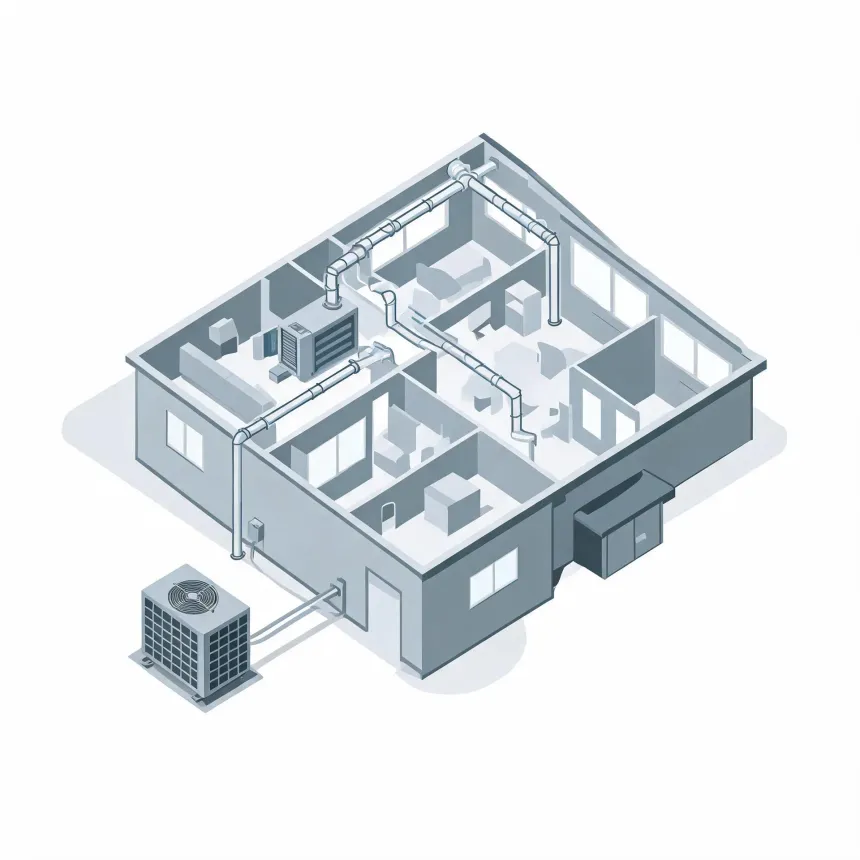
Installation day starts with the old equipment coming out, not the new unit going in. The condenser gets disconnected and hauled off, the old coil comes out of the plenum, and the line set gets replaced or flushed, because leftover oil and debris from the old system will contaminate a new compressor. Inside, the contractor sets the new coil above the furnace and solders the refrigerant lines, then pressure tests the whole line set with nitrogen to check for leaks before any refrigerant goes in. Outside, the condenser sits on a pad, leveled, with clearance on all sides so it can pull air through the fins. Once everything's connected, the system gets evacuated with a vacuum pump to pull out moisture and air, then charged to the weight the manufacturer specifies for that line length. Last comes the startup check. The contractor reads airflow across the coil, checks refrigerant pressures, and watches how the system cycles before calling the job done.