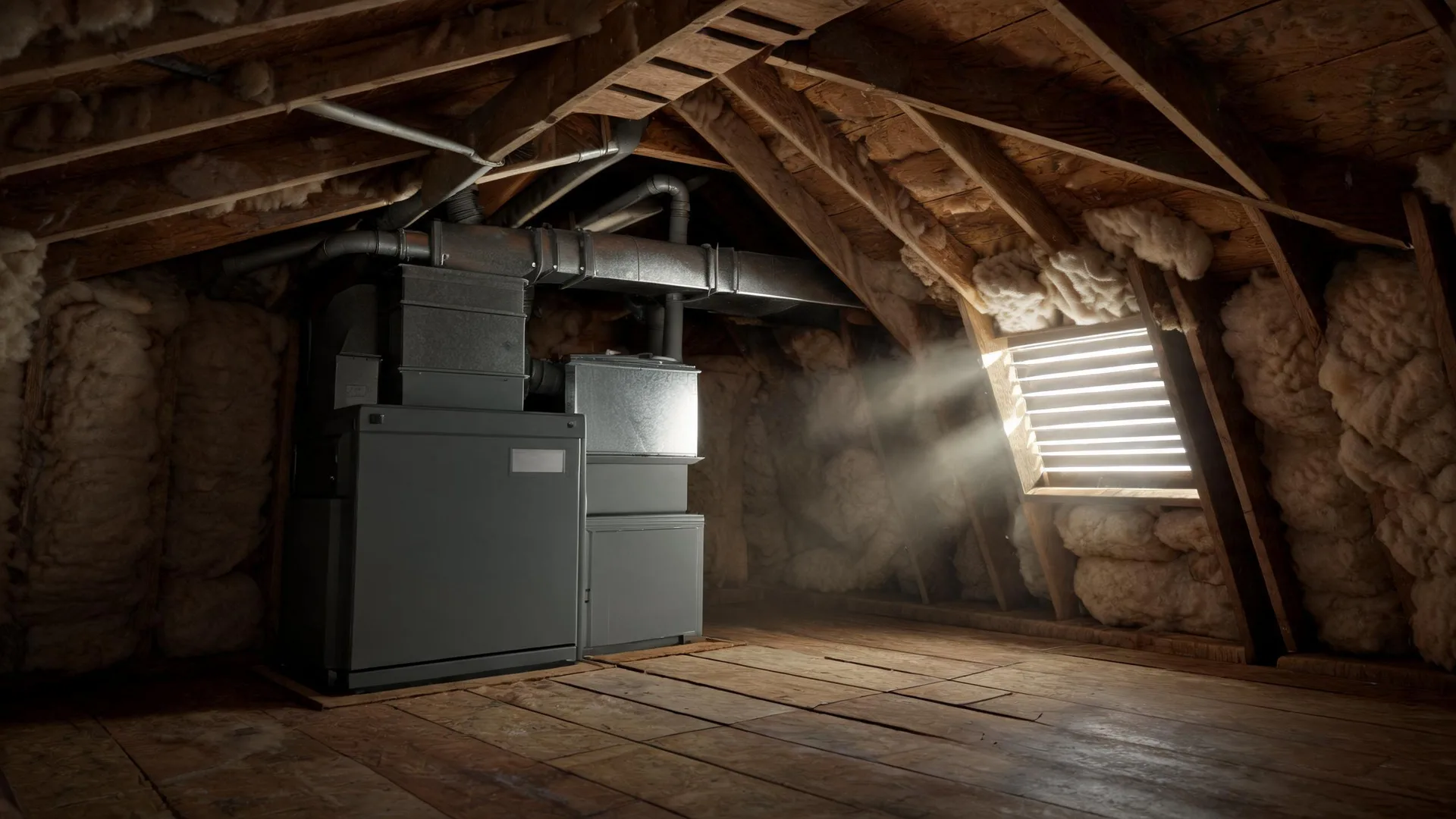
Gas furnaces are the norm here
Most homes in Pottawattamie County heat with gas, 70.5% of them. If your furnace runs on gas, a contractor pairing it with a new AC unit is working with the setup most houses around here already have.
Takes about a minute. No obligation.
Most homes in Pottawattamie County heat with gas, 70.5% of them. If your furnace runs on gas, a contractor pairing it with a new AC unit is working with the setup most houses around here already have.
Gas heat covers the furnace, not the cooling. Whoever installs your AC still has to size the unit to your house and check that the ductwork and electrical can handle it, the same as anywhere.

NOAA nClimDiv, 1991–2020 normals
Half the homes in Pottawattamie County were built in 1967 or earlier.
An AC installed in a house that old has to be sized for that house, not for a newer one down the street.




Council Bluffs falls in climate zone 5A, a cool zone where winter heat matters more than summer cooling, but the AC side still has a federal floor to meet. Any split-system air conditioner under 45,000 Btu/h has to be rated at least 13.4 SEER2. That rules out the older, less efficient units some contractors still have sitting in a warehouse. It doesn't mean every system costs the same or works the same, only that the minimum is higher than it used to be. Ask what SEER2 rating a quoted unit carries before you compare prices.
A standard size and efficiency fit fine here. There's no local reason to go bigger or pricier.
Find a contractor
A house built in 1967 or earlier has had decades for additions, remodels and repairs that touch the ductwork without anyone updating it for a new system. Before install day, have the contractor check what's already there. The duct sizing and the electrical panel both need to match the unit going in, not the other way around.
A contractor disconnects the power, recovers the refrigerant from the old system, and unhooks the lines before anything new goes in. Refrigerant can't just be vented into the air, it has to be captured and handled the right way. That work happens before the new unit is ever set in place.
Whatever the old condenser sat on and whatever lines ran to it usually get reused or replaced as part of the swap, not left for later. A cracked pad gets poured again. Old line sets get swapped if they don't match what the new unit needs. Sorting that out is part of the install, not a separate job.
Estimates for a typical Pottawattamie County home, from EIA household energy data, Iowa fuel prices and NOAA climate normals. Your home will differ.
Once the old equipment is out and the pad and lines are sorted, setting the new condenser is one of the shorter parts of the day. The real time goes into what happens around it. The refrigerant lines get connected and checked for leaks before anything is charged. The electrical gets tied in and the disconnect box tested. Then the system runs through a startup, checking refrigerant charge against what the manufacturer specifies and airflow across the coil, not just whether the unit powers on. A contractor who skips that last part is leaving the job unfinished, even if the unit is sitting there looking installed.