





A nighttime street view of several illuminated two-story red brick homes with front porches, flanked by a large tree.

AC Installation in Davenport, IA

Tell us about the job

Takes about a minute. No obligation.

New system or replacementCentral ACScott County, IA
Step 1 of 2

What ZIP code is the job in?

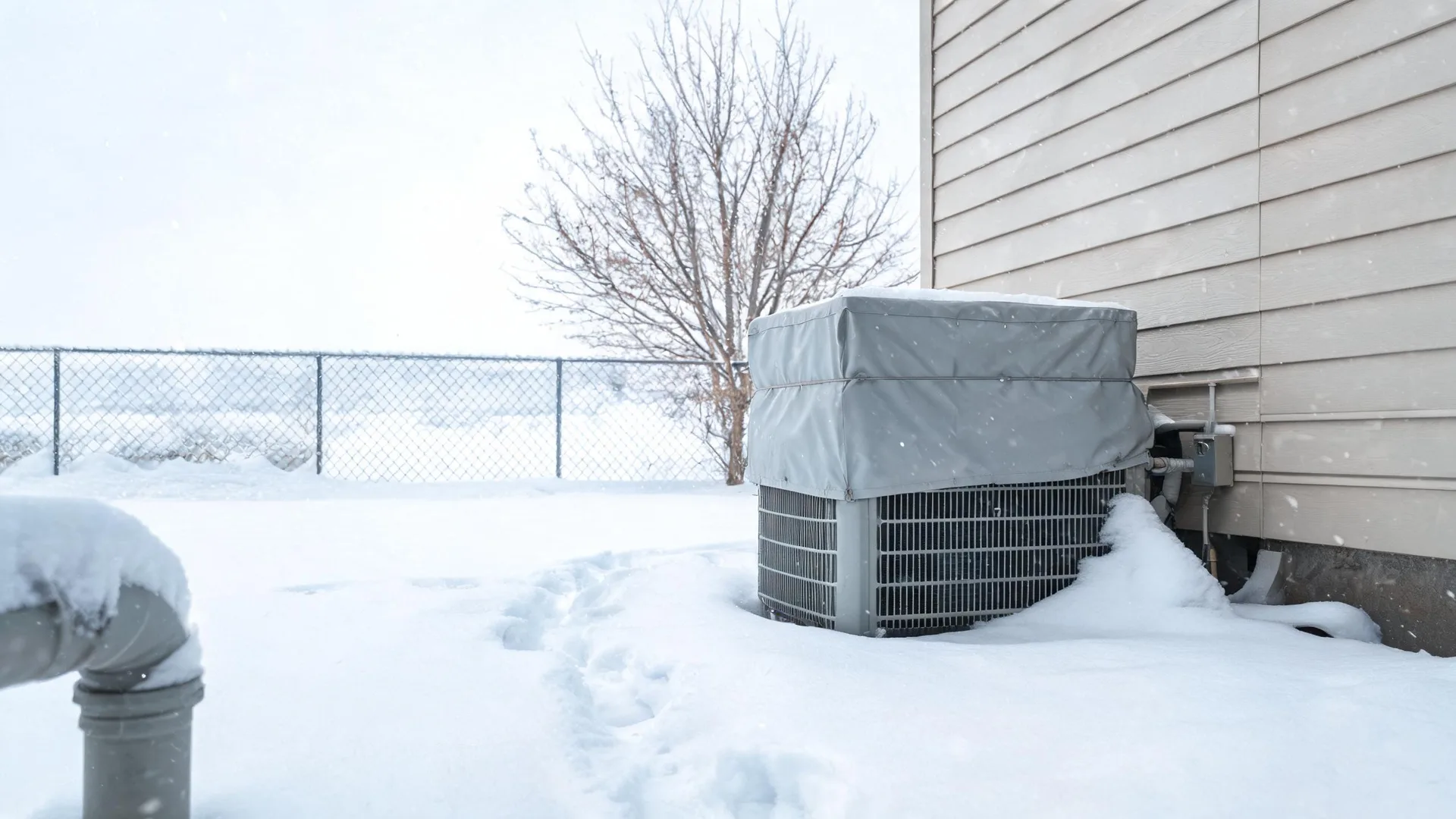
Scott County saw 338 severe weather events between 2015 and 2024. That includes 170 damaging wind events, 118 hail events, and 21 tornadoes. An outdoor AC unit sits outside through all of it, exposed to whatever comes through. Winter storms hit the county 28 times in that same stretch, and ice or heavy snow can down power lines along with everything else. Statewide, 15% of Iowa households lost power for a day or more in 2024. A new system here is worth planning with that in mind.

3 months
June through August, your air conditioner is on duty
83°F
the average summer afternoon it cools against
118 hail events
in ten years, and hail bends the fins on outdoor coils
13.4 SEER2
the federal minimum any new unit must meet
Isometric illustration of a cutaway single-story house showing interior rooms, ductwork running from an indoor air handler, and an outdoor condenser unit on a pad beside the building.
Your air conditioner works hardest from June through August.

NOAA nClimDiv, 1991–2020 normals

Electricity in Scott County runs about 12.22 cents per kilowatt-hour, cheaper than most of the country.

A top-efficiency model takes longer to pay for itself here, so picking one that holds up through storms and outages matters more than squeezing out the lowest bill.

June puts the load on. Have the new system in before it does.

Cooling runs June through August
Summer afternoons average 83°F
170 damaging wind events from 2015 to 2024

Half the homes in Scott County were built in 1972 or earlier. A house that age almost never has ductwork sized for a modern system, and the electrical panel may not match what a new unit draws either. None of that means the job is harder, it means it starts with a look at what's already there instead of a straight swap. The ducts, the line set, the disconnect box outside, all of it gets checked against the new equipment before anything goes in. Skip that step and the new AC can end up fighting a duct system built for a smaller, older one.

Pick the spot and the setup before the storms test them

Placement and hookup are decisions made at install, not after. Where the outdoor unit sits, what protects it, and whether the system can get power back on its own all get settled now, while the install is already underway.

Find a contractor
An outdoor residential air conditioning condenser unit mounted on a concrete pad, surrounded by gravel with a blue sky in the background.

Three months of heavy work, not light duty

June through August, the afternoon high in Scott County averages 83°F, and the dew point sits around 63°F. That dew point is what makes the air feel heavy instead of just warm, and it's what the compressor is working against every time it cycles on. A system sized right for this county has to pull that moisture out of the air, not just drop the temperature a few degrees. Three months is a short season next to what some parts of the country run, but the load during those months is real, and a right-sized unit will cycle on and off through most of it rather than run flat out.

The equipment itself is only part of the bill

Two systems with the same capacity can cost different amounts to put in depending on the compressor type, the cabinet build, and what the manufacturer backs with a warranty. A unit built to take more abuse from weather, with a sturdier cabinet and better-protected controls, costs more going in than a stripped-down model of the same size.

What's already at the house changes the job

An install isn't just setting a new unit where the old one sat. The line set, the disconnect, the pad or bracket outside, and the electrical hookup all have to match the new equipment, not the old one. If any of that needs upgrading or moving to a better-protected spot, that work gets added to the job before the system ever gets charged with refrigerant.

An outdoor air conditioning condenser unit positioned on a concrete pad next to a blue-sided house, surrounded by green shrubs and flowering hydrangeas at sunset.

A higher-efficiency unit would save about $30 a year to run in Scott County compared with a new unit at the federal minimum.

  • A higher-efficiency unit$170 a year
  • A new unit at the federal minimum, 13.4 SEER2$200 a year

Estimates for a typical Scott County home, from EIA household energy data, Iowa fuel prices and NOAA climate normals. Your home will differ.

Install day starts outside, not with the unit itself. The old system gets disconnected and removed first: the refrigerant recovered, the line set drained, the pad or bracket cleared off. Inside, the coil gets matched to the new outdoor unit, since the two are sold as a pair and have to work together. The electrical hookup gets run or reused depending on what the new unit draws, and the disconnect box outside gets checked against it. Once everything is set, the system gets charged with refrigerant, the lines get checked for leaks, and the whole thing runs through a cycle before anyone calls it done. Nothing gets charged with refrigerant until the rest of the hookup is confirmed tight.