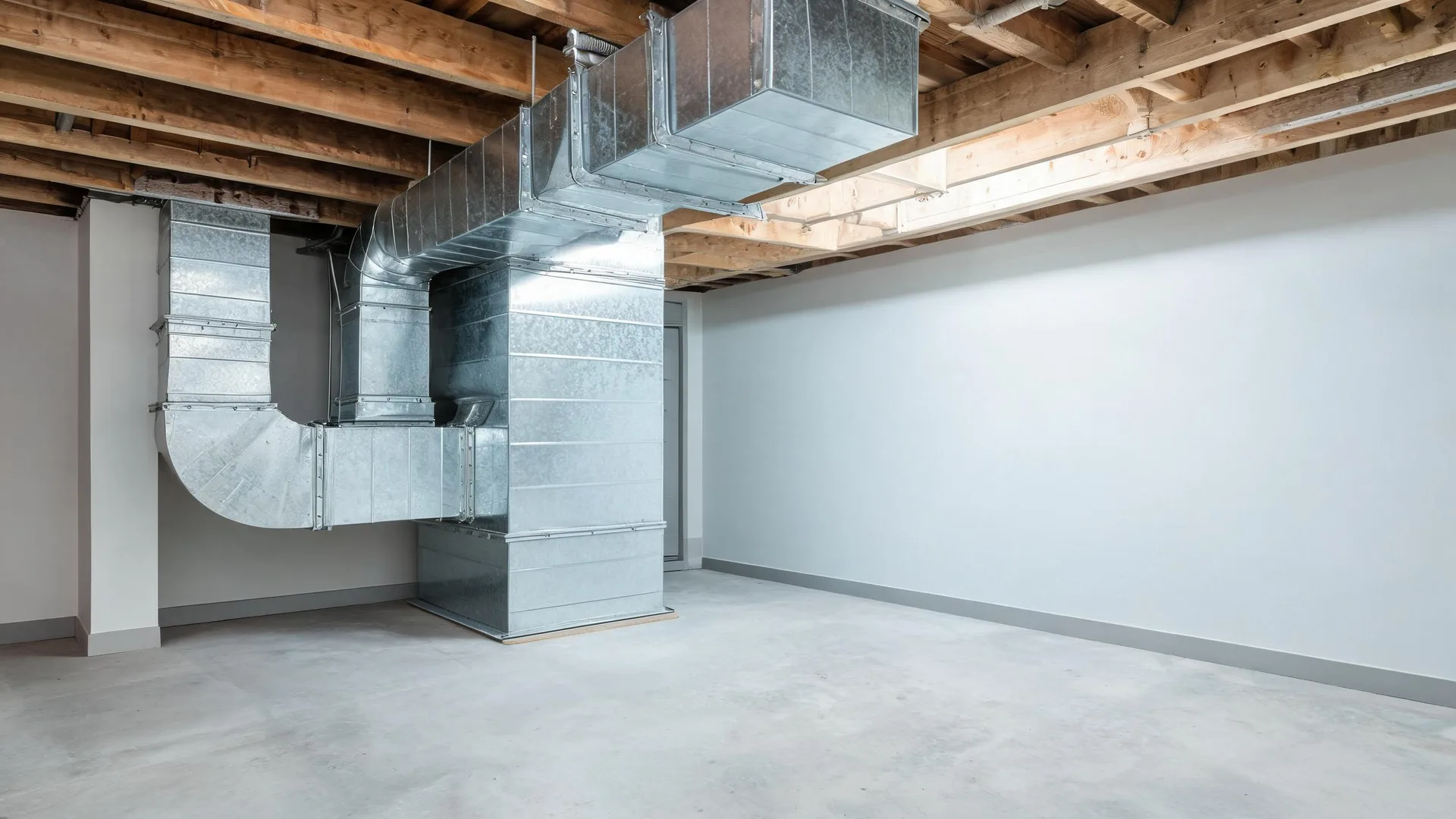
Gas heat is the norm here
Utility gas heats 63.2% of homes in Webster County, with electricity and LP gas splitting most of the rest. A central AC system pairs with that gas furnace through the same ductwork and the same thermostat.
Takes about a minute. No obligation.
Utility gas heats 63.2% of homes in Webster County, with electricity and LP gas splitting most of the rest. A central AC system pairs with that gas furnace through the same ductwork and the same thermostat.
If your home already has ducts built for a gas furnace, adding or replacing central air usually works with what's there. The contractor doing the install will size the new unit to that existing ductwork rather than starting from scratch.

NOAA nClimDiv, 1991–2020 normals
Cooling runs June through August here.
Put a new system in during May and it's running before the first hot day, not after.




Fort Dodge sits in climate zone 5A, a cool zone where the furnace carries more of the load than the AC does. Any split-system central air conditioner installed here now has to meet 13.4 SEER2 if it's rated below 45,000 Btu/h, that's the federal floor as of January 2023. It narrows what a contractor can offer you. An old unit pulled from a warehouse shelf won't clear that bar, so what gets installed is built to this rating or better. Ask what SEER2 number is on the equipment being quoted, and check it against that 13.4 minimum.
Electricity here runs 13.4 cents per kilowatthour, below what most of the country pays. A high-efficiency unit still costs more up front, and cheap power means it takes longer to earn that difference back in lower bills. Picking a system that fits your ductwork and runs reliably matters more than chasing the highest SEER2 number on the spec sheet.
Find a contractorTell the contractor the house might predate central air. A system sized off a spec sheet for a newer build won't necessarily match ductwork laid out for a furnace alone. The contractor can check what size and airflow the existing ducts support before quoting equipment, so what goes in matches what the house can actually move.
A contractor should measure the house room by room, counting windows, insulation and duct layout, before naming a size. Homes that look alike on paper can need different tonnage once someone actually walks them. If a quote shows up before anyone walks the attic or checks the ducts, that number is a guess, not a measurement.
Central air shares the furnace's blower and ductwork, so the new coil has to match the furnace it sits on. If the coil is undersized or oversized for that blower, airflow suffers no matter how good the condenser outside is. The contractor should be speccing the coil and the outdoor unit together, not treating them as separate purchases.
Estimates for a typical Webster County home, from EIA household energy data, Iowa fuel prices and NOAA climate normals. Your home will differ.
Installation day starts outside, not in. The crew sets the new outdoor unit on its pad, runs refrigerant lines to the indoor coil, and connects the coil into the plenum above or beside the furnace. Most of the day goes to that coil fit and to pulling a proper vacuum on the line set before any refrigerant goes in, since trapped air and moisture in the lines will wreck a compressor over time. The thermostat gets wired last, once the system can actually cycle. Before the crew leaves, they should run the unit through a full cooling cycle and check the temperature drop across the coil, not just listen for it turning on.