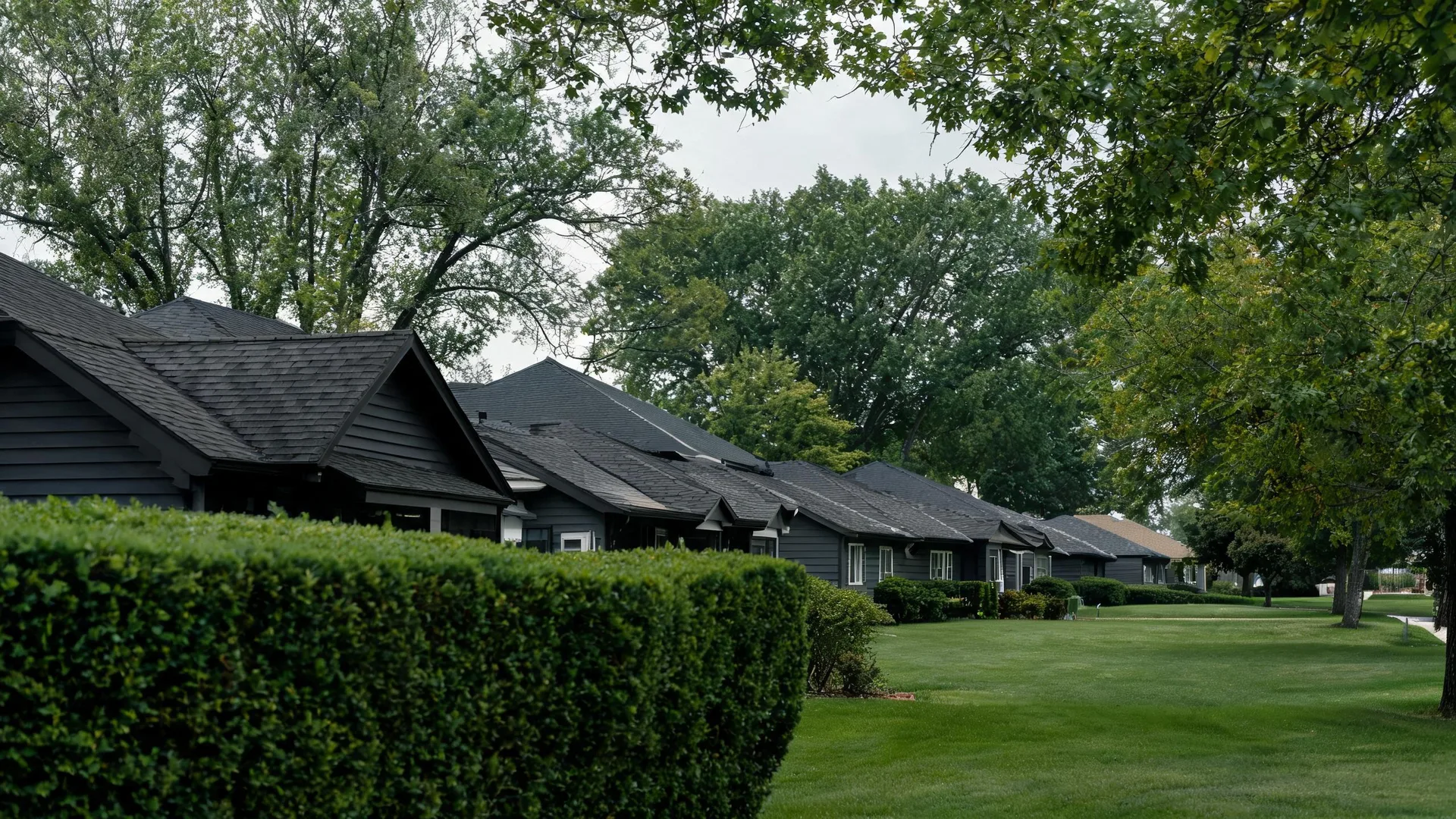





A row of dark-sided single-story houses with gray shingled roofs behind a trimmed hedge, with mown lawn and large deciduous trees under an overcast sky.

AC Installation in Guttenberg, IA

Tell us about the job

Takes about a minute. No obligation.

New system or replacementCentral ACClayton County, IA
Step 1 of 2

What ZIP code is the job in?

Clayton County runs mostly on gas heat. Utility gas heats 44.3% of homes here, and another 32.5% use bottled or LP gas, so most homes already have a gas furnace paired with the air conditioner. That matters for installation because the AC shares ductwork with that furnace. The coil goes in the plenum above it, the condenser sits outside, and the furnace blower moves the cooled air through the same ducts it uses all winter. If your home already has central air, replacing it with a matched system that fits the existing ductwork and furnace is usually the straightforward path.

3 months
June through August, your air conditioner is on duty
80°F
the average summer afternoon it cools against
28 hail events
in ten years, and hail bends the fins on outdoor coils
13.4 SEER2
the federal minimum any new unit must meet
Isometric cutaway illustration of a house showing interior ductwork, an air handler and furnace unit, and an outdoor condenser connected by lines outside the wall.
Your air conditioner works hardest from June through August.

NOAA nClimDiv, 1991–2020 normals

Iowa electricity runs 13.40 cents per kilowatthour, cheaper than most states.

A higher SEER2 unit costs more up front and takes longer to pay back here, so fit and reliability matter more than chasing the top efficiency number.

Half the homes here were built by 1960, old enough that ductwork needs a look

Half the homes here were built by 1960
Cooling runs June through August
Summer afternoons average 80°F

Cooling runs June through August here, three months a year. May is a good time to put in a new system, before the heat starts and before every contractor's schedule fills up. Wait for the old one to fail during those three months and you're choosing between window units and waiting your turn. Installing in May also means the system gets its first real test while the weather is still mild, so anything that needs adjusting gets caught early. The old unit doesn't have to be dead for you to replace it on your own schedule instead of its.

Three months of summer isn't much to ask of an AC

Three months of summer, afternoons around 80, is not a hard life for a condenser. Heating is the bigger job in this climate, so the AC spends most of the year doing nothing at all. That light use means a straightforward, well-matched system holds up fine here. You don't need to pay for the highest SEER2 rating on the shelf, you need one sized right and installed clean.

Find a contractor
A gray residential air conditioning condenser unit mounted on a concrete pad outdoors, surrounded by green grass under a partly cloudy blue sky.

Spend on the install, not the rating

Three months of light duty a year is nothing to build around. Put the money into a unit that's sized right for your house and set up correctly, not one with a rating built for a harder climate than this one. A straightforward system installed clean will outlast a top-tier one installed wrong.

Sizing the equipment, not just the house

A condenser and coil have to match each other and match the amount of air the ductwork can move. Getting that load calculation right takes more work than reading a square footage chart, and it affects whether the compressor short cycles or runs too long. A contractor who does that math properly is pricing in the time it takes, not padding the bill.

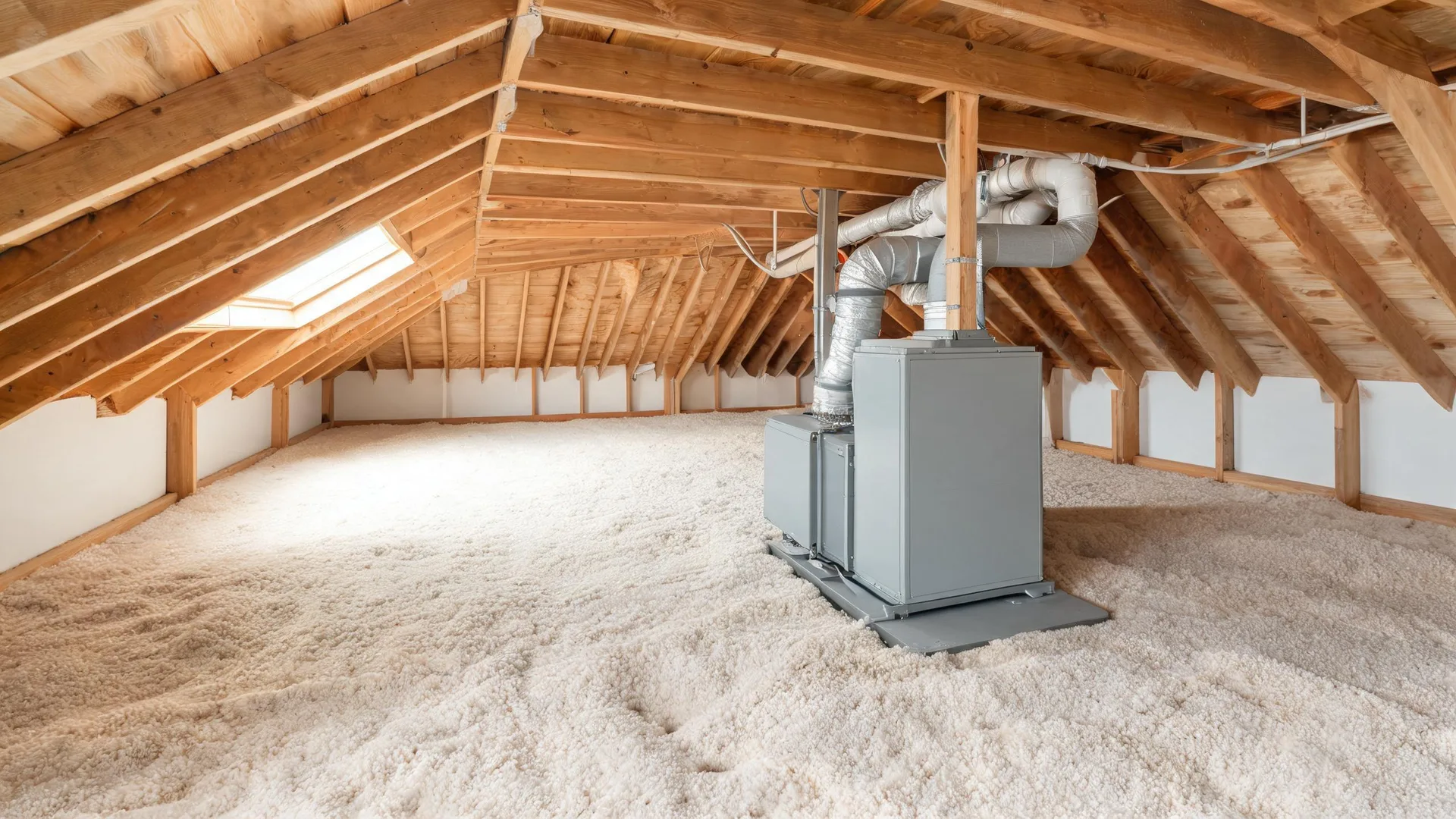
What's hidden above the furnace

The coil sits in the plenum, and not every plenum is built to accept a new one without modification. Sheet metal work, a new line set, or a disconnect that needs replacing all add labor beyond setting the condenser on a pad. None of that shows up until someone opens the cabinet and looks.

An outdoor central air conditioning unit mounted on a concrete pad beside a blue-sided house at sunset.

Going above the federal minimum saves little here, about $20 a year.

  • A higher-efficiency unit$120 a year
  • A new unit at the federal minimum, 13.4 SEER2$140 a year

Estimates for a typical Clayton County home, from EIA household energy data, Iowa fuel prices and NOAA climate normals. Your home will differ.

Install day starts outside, not in the house. The old condenser comes out, the pad gets checked or replaced if it's cracked or sunk, and the new line set runs between the condenser and the coil. Inside, the coil goes into the plenum above the furnace, and that step takes longer if the existing opening doesn't fit the new coil's dimensions. Once the refrigerant lines are connected, the system gets evacuated to pull out moisture and air before the charge goes in. That part matters more than people expect, because trapped moisture in the lines causes problems months later, not on day one. The last steps are checking refrigerant charge against the manufacturer's numbers and running the system through a full cycle to see that it's cooling and cycling the way it should before anyone leaves.