






Aerial view of a square outdoor air conditioning condenser unit on a concrete pad beside a house wall with a sliding glass door.

AC Installation in Independence, IA

Tell us about the job

Takes about a minute. No obligation.

New system or replacementCentral ACBuchanan County, IA
Step 1 of 2

What ZIP code is the job in?

Just over half the homes in Buchanan County heat with utility gas. That usually means a gas furnace paired with a central AC system, the two sharing the same ductwork and the same thermostat. If that's what you have now, installing a new AC unit to match is the straightforward route, since the ducts and the furnace blower are already sized for it. Some homes here heat with electricity or with LP gas instead, and either of those can still pair with central air the same way. What matters for your install is less which fuel heats the house and more whether the ductwork already in place was built for central air to run through it.

3 months
June through August, your air conditioner is on duty
81°F
the average summer afternoon it cools against
33 hail events
in ten years, and hail bends the fins on outdoor coils
13.4 SEER2
the federal minimum any new unit must meet
Isometric line illustration of a cutaway house showing interior rooms with ductwork, an air handler and furnace, connected by lines to an outdoor condenser unit on the ground outside.
Your air conditioner works hardest from June through August.

NOAA nClimDiv, 1991–2020 normals

Half the homes in Buchanan County were built in 1973 or earlier.

An AC installed in a house that old has to work with the ductwork already there, not the ductwork a new system would ideally want.

Electricity here runs 13.4 cents a kWh, cheap enough that the highest-efficiency unit isn't the one that pays for itself fastest

Power costs 13.4 cents a kWh statewide
Cooling runs June through August
Summer afternoons average 81°F
Get it installed before summer, not during itCooling runs June through August here, so May is the month to get it done.

Any new split-system AC going into a home here has to meet 13.4 SEER2 at minimum, that's the federal floor for units built from 2023 on. Buchanan County falls in climate zone 5A, a cool zone where furnaces carry most of the load and the AC is working a shorter season. That shapes what's worth putting in. A unit right at the 13.4 minimum will do the job across the summers here, and the federal tax credit for qualifying high-efficiency equipment is there if you want to go above the floor instead. Either way, the number on the unit's spec sheet needs to clear 13.4 SEER2 before it can legally go in.

A standard system is the right call here

Buchanan County has seen plenty of wind, hail and tornadoes between 2015 and 2024, and power can go out with any of them. None of that changes what size or grade of AC this house needs. A standard unit built to the federal efficiency floor will cool it through the summer same as anywhere else in this zone. What's worth checking before install is whether the system will restart on its own once power comes back, since that's the part a storm actually tests.

Find a contractor
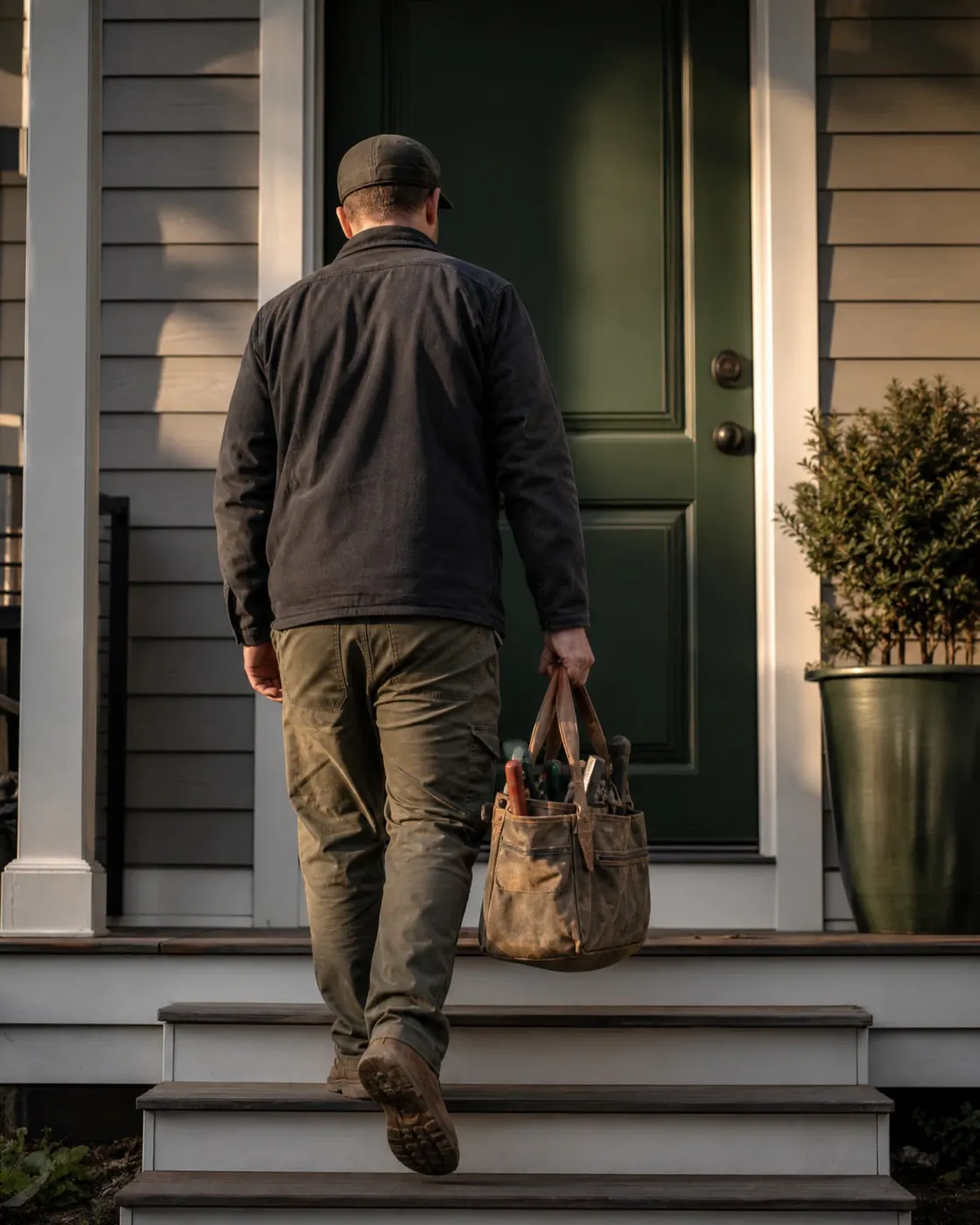
A man in a cap, dark jacket and olive pants climbs porch steps toward a green front door, carrying a canvas tool bag filled with hand tools, with a potted shrub to the right.
A gray residential air conditioner condenser unit mounted on a concrete pad in an open grass field.

Three months of work a year

Cooling runs three months here, June through August, with afternoons averaging 81 degrees. That's a short season, and a mild one. Nothing about this county pushes a system harder than the zone 5A rating already accounts for. A standard unit sized to the house will cycle on through those three months and sit unused the rest of the year, which is normal for this climate, not a reason to size up or spend more.

Size drives the cost, not the brand

The unit has to match the house, the ductwork, and the windows and insulation around it. A contractor works this out with a load calculation, not a guess based on square footage. Go too big and the unit short-cycles, cooling the air but never pulling the moisture out. Go too small and it runs constantly without catching up. Either mistake costs more to live with than the install itself.

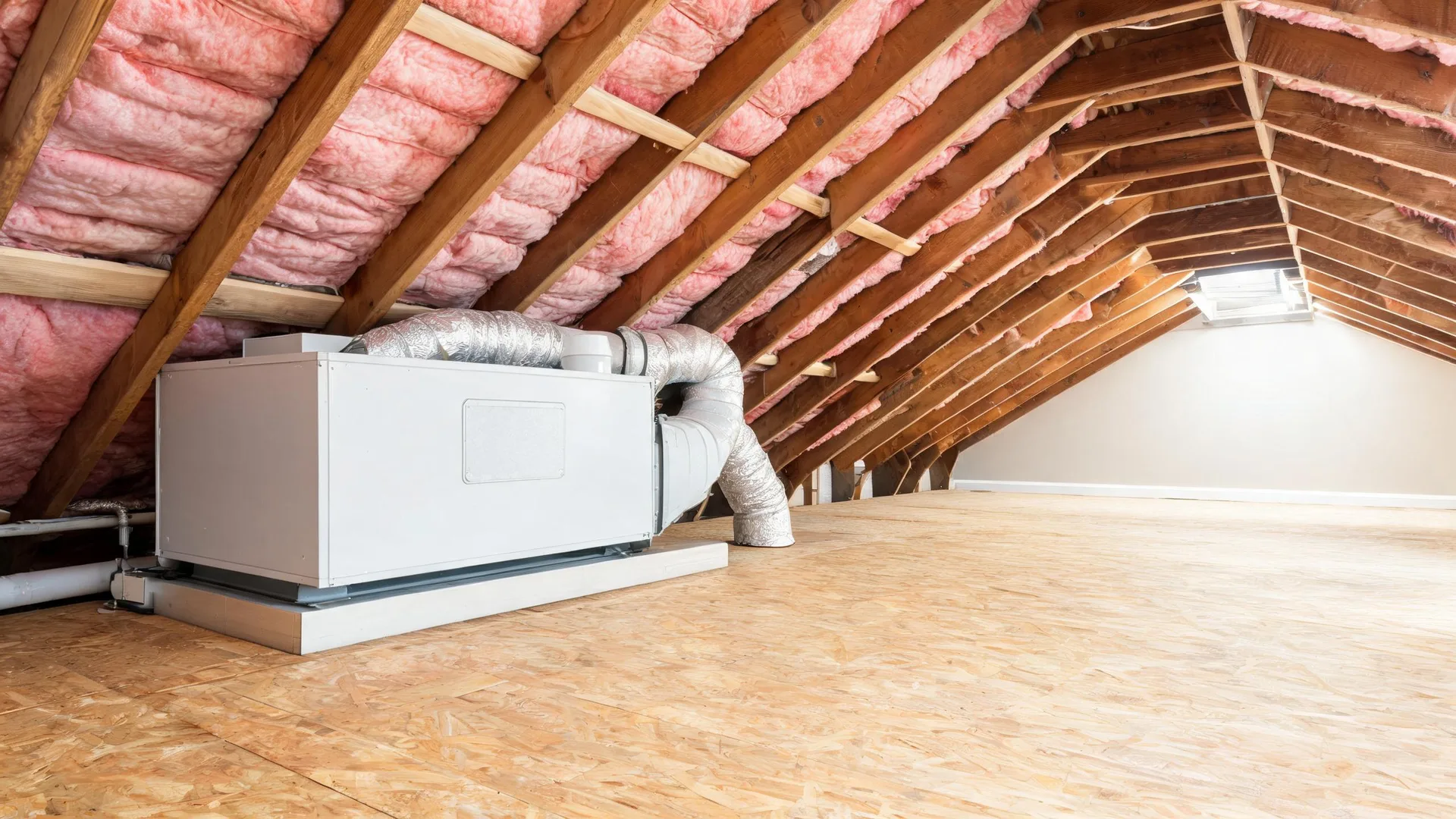
What's already there changes the job

If the ductwork and the electrical can take the new system as is, the install is mostly swapping equipment. If the old ducts are undersized, leaky, or routed wrong for how a new unit moves air, or the electrical panel can't carry the load, that work has to happen first. None of it shows up on a spec sheet, but a contractor sees it on a walkthrough before ever quoting a price.

Overhead view of an outdoor AC condenser unit on a concrete pad next to a house with a dark shingle roof.

Going above the federal minimum saves little here, about $20 a year.

  • A higher-efficiency unit$130 a year
  • A new unit at the federal minimum, 13.4 SEER2$150 a year

Estimates for a typical Buchanan County home, from EIA household energy data, Iowa fuel prices and NOAA climate normals. Your home will differ.

Install day starts with the old unit coming out. The refrigerant gets recovered from the lines before anything is disconnected, not vented into the air. The contractor sets the new outdoor unit on its pad, connects the line set, and if the indoor coil is being swapped too, that goes in above the furnace. Once everything is connected, the lines get pulled into a vacuum to clear out air and moisture. Either one left behind will damage the compressor. Only after that does refrigerant go in, charged to the amount the system calls for, not by feel. Last comes startup, checking refrigerant pressures, airflow across the coil, and the thermostat calling for cooling the way it should. A unit that looks installed but skipped that last check is the one that fails by its first summer.