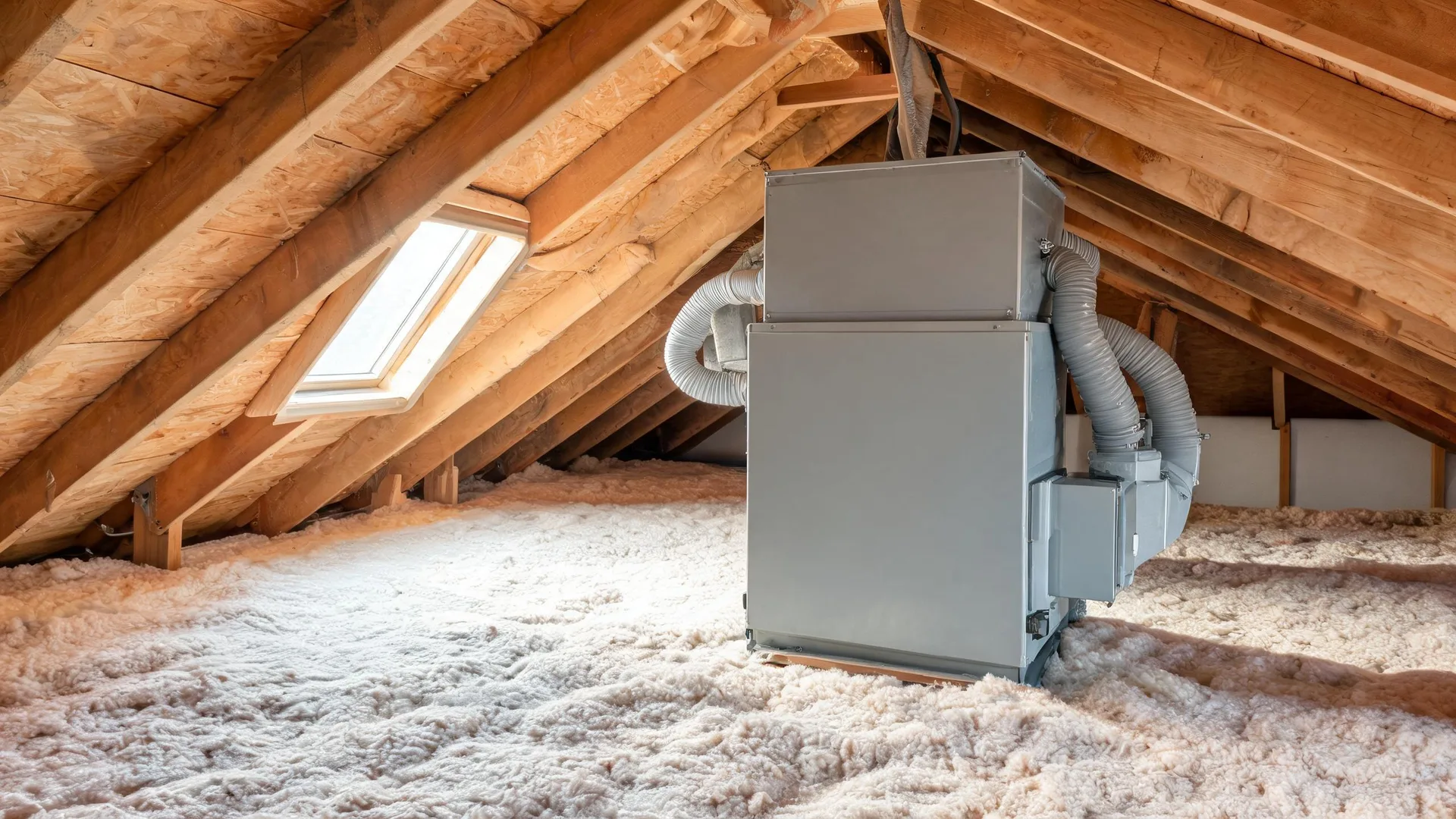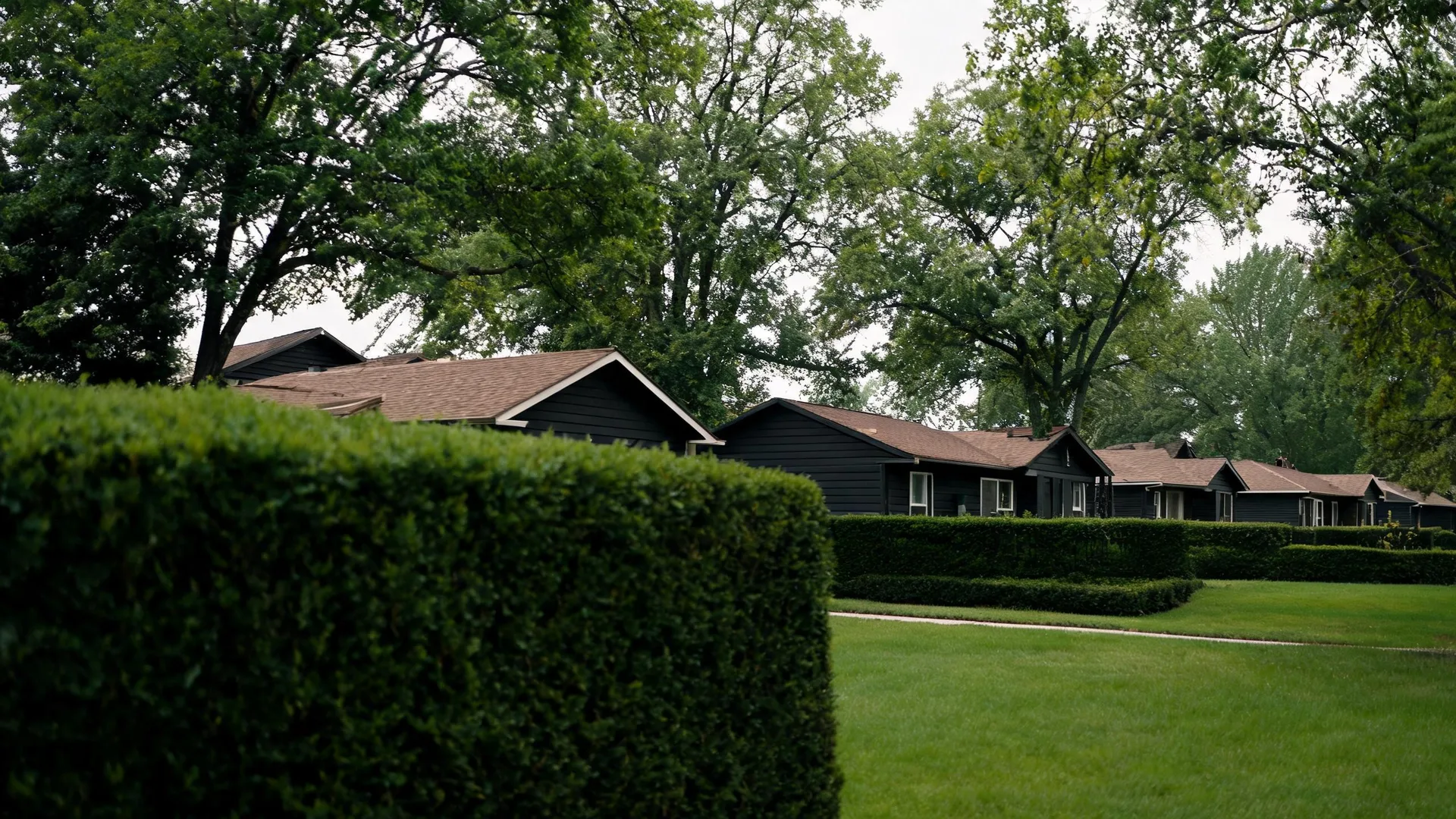
A row of dark-sided single-story cottages with brown shingled gable roofs behind trimmed hedges, mown lawn and a light-colored path, surrounded by large deciduous trees under an overcast sky.

AC Installation in Indianola, IA

Tell us about the job

Takes about a minute. No obligation.

New system or replacementCentral ACWarren County, IA
Step 1 of 2

What ZIP code is the job in?

Gas heat is the norm here

Utility gas heats 54.3% of homes in Warren County, with electric furnaces and heat pumps covering most of the rest. An AC installation usually pairs with whatever furnace or air handler is already moving air through the ducts.


Your furnace sets the pairing

A new air conditioner has to match the blower and coil it will work with. If your home heats with gas, the installer will size the AC to the existing furnace rather than replace parts that are already doing their job.

4 months
June through September, your air conditioner is on duty
84°F
the average summer afternoon it cools against
92 hail events
in ten years, and hail bends the fins on outdoor coils
13.4 SEER2
the federal minimum any new unit must meet
Isometric cutaway illustration of a house interior showing ducted air handling equipment and duct runs through rooms, connected by piping to an outdoor condenser unit on a pad outside the wall.
Your air conditioner works hardest from June through August.

NOAA nClimDiv, 1991–2020 normals

Homes in Warren County run their AC June through September.

May is the month to get a new system in, before the first hot week puts you in a rush.

A normal summer load, nothing to oversize for

Cooling runs June through September
Summer afternoons average 84°F
66 damaging wind events from 2015 to 2024

A standard size, correctly sized to your home, holds up fine here. Wind and hail hit Warren County most years, and that's a reason to get the installation right, not a reason to buy more capacity than the house needs. An oversized unit cycles on and off faster and does a worse job pulling moisture out of the air. If a storm does knock out the power, a correctly sized system just comes back on and runs the way it was set up to.

Pick the system that fits, not the one with the lowest running cost

Electricity in Iowa runs 13.40 cents per kilowatthour, cheaper than most of the country. A high-efficiency AC costs more upfront and takes longer to earn that back here than it would somewhere with pricier power. Sizing it right and getting the installation done well matters more than chasing the top efficiency rating.

Find a contractor
A gray metal air conditioning condenser unit mounted on a concrete pad in a flat grassy field under a partly cloudy sky.

This runs for years, ask what happens after the sale

A new air conditioner is going to run for a long time before it owes you anything, so ask what happens after year one, not just what the unit costs going in. Ask how long the compressor and coil are covered, and whether that coverage follows the equipment or needs to be registered. Ask what the installer covers on their own labor if something's wrong with the install itself, separate from what the manufacturer covers on parts. Ask what a yearly checkup involves and whether it's included anywhere, because a coil that never gets cleaned and a charge that's never checked will cost you capacity every single season it runs. A system quoted cheap and installed fast is the one most likely to be back on someone's schedule in a few years.

The install work drives the cost, not the box

Setting the refrigerant charge, confirming airflow across the coil, and sealing the line set all take time and skill. Installers putting in identical equipment can leave a system running differently depending on whether that work was done right.

The ductwork decides what else gets touched

If the ducts and vents already move enough air for the new coil, the job stays contained to the outdoor unit and coil. If they're undersized or leaky, bringing them up to match the new system adds work that has nothing to do with the air conditioner itself.

Overhead view of an outdoor AC condenser unit on a concrete pad next to a house with a dark shingle roof.

Going above the federal minimum saves little here, about $20 a year.

  • A higher-efficiency unit$190 a year
  • A new unit at the federal minimum, 13.4 SEER2$210 a year

Estimates for a typical Warren County home, from EIA household energy data, Iowa fuel prices and NOAA climate normals. Your home will differ.

Installation day starts outside with the old unit disconnected and hauled off before the new one goes on the pad. Indoors, the coil gets swapped and the line set gets cut in, joined and sealed. Before any refrigerant goes in, the lines get pulled into a vacuum to clear out moisture and air. A system charged without that step runs with a contaminated charge from the first day. Once it holds vacuum, the refrigerant gets weighed in to the exact amount the equipment calls for, not just topped off until the pressure looks right. Last comes startup, checking airflow across the coil and the temperature drop between the air going in and the air coming out, so the system is actually confirmed working before the installer leaves.